How to Start a Generator Manually With These Simple Tips
Learning how to start a generator manually is an essential skill for every homeowner. Whether you face a power outage or own a portable generator with a dead electric start, this guide walks you through each step. You will discover the generator pull start process, common fixes, and expert generator maintenance tips that keep your backup power ready when you need it most.
There is something deeply satisfying about knowing how to start a generator manually. It is a skill that every homeowner should have in their back pocket. When the lights go out during a storm or your backup power system needs a boost, you do not want to fumble around trying to figure it out. A portable generator can keep your lights on, your fridge running, and your family comfortable. But none of that matters if you cannot get the engine going.
This guide breaks down the entire process in simple, easy-to-follow steps. We will cover everything from preparation to troubleshooting. You will learn about the generator choke, the fuel valve, the spark plug, and the all-important pull cord. By the end, you will feel confident starting your generator engine without any electric start assistance. Let us get into it.
Whether you are a complete beginner or someone who has struggled with generator troubleshooting in the past, this article has you covered. We will walk through each stage of the generator manual start process with clear instructions and practical advice. No jargon, no confusion. Just straightforward tips that work.
Key Takeaways
- Prepare Before You Start: Always check fuel, oil, and the spark plug before attempting a manual generator start.
- Master the Choke and Fuel Valve: Properly engaging these controls is the key to a successful pull start every time.
- Know Common Problems: Understanding why a generator won’t start helps you fix issues fast and get your backup power running.
- Maintain Regularly: Routine generator maintenance prevents most starting problems and extends your engine’s life.
- Use Expert Tips: Simple habits like keeping the fuel fresh and the primer bulb primed make a huge difference.
- Stay Safe: Always follow safety guidelines when starting and operating your generator manually.
📑 Table of Contents
- Why Knowing How to Start a Generator Manually Matters
- Preparing Your Generator Before You Start
- Step-by-Step: How to Start a Generator Manually
- Common Generator Starting Problems and How to Fix Them
- Maintenance Tips to Keep Your Generator Running Smoothly
- Expert Tips for a Smooth Manual Start Every Time
- Conclusion
Why Knowing How to Start a Generator Manually Matters
Many modern generators come with electric start features. A push button or a key turns the engine on with ease. But what happens when the battery dies? What happens during a long power outage when you have already drained that battery? This is exactly why you need to know how to start a generator manually. It is your backup plan for your backup plan.
The Basics of a Manual Generator Start
A manual start on a generator usually means using a recoil starter, also known as a pull cord. You pull a rope connected to the engine’s crankshaft, and this spins the engine fast enough to ignite the fuel and air mixture inside the combustion chamber. It is the same basic mechanism found on small lawnmowers and chainsaws. The process is simple, but there are a few important steps you must follow to get it right every time.
Understanding the generator pull cord mechanism helps you appreciate why preparation matters. Before you ever pull that cord, your generator needs fuel, oil, air, and a spark. Think of it like a recipe. Leave out one ingredient, and the whole thing falls apart. That is why checking your generator before you start it is so important.
When Electric Start Fails You
Electric start systems rely on a battery and a starter motor. Over time, batteries lose charge, connections corrode, and motors wear out. Cold weather makes everything worse. A battery that works fine in summer might fail you in the middle of a winter storm. When that happens, the manual start method becomes your only option. This is why experienced generator owners always know how to use the pull start method. It gives you independence from electrical components and keeps your emergency power flowing no matter what.
Preparing Your Generator Before You Start
Jumping straight to the pull cord without preparation is the number one mistake people make. Taking five minutes to prep your portable generator can save you from frustration, wasted effort, and potential damage to the generator engine. Here is what you need to do before you start.
Check the Fuel and Oil Levels First
First, open the fuel tank and make sure you have enough generator fuel. Old fuel is a common culprit behind starting failures. If your generator has been sitting for more than 30 days, the fuel may have gone stale. Stale fuel gums up the carburetor and prevents proper combustion. Always use fresh fuel and consider adding a fuel stabilizer if you store your generator for long periods.
Next, check the oil level. Running a generator engine without enough oil can cause serious damage. Most generators have a dipstick or oil sight glass. Make sure the oil is between the minimum and maximum marks. If the oil looks dark or gritty, change it before you attempt to start. Clean oil keeps the internal components moving smoothly and reduces wear on the engine.
Inspect the Spark Plug and Air Filter
The spark plug creates the electrical spark that ignites the fuel in the engine cylinder. Over time, spark plugs can become fouled, wet, or worn. Pull the spark plug out and inspect it. If it looks dirty or covered in carbon buildup, clean it with a wire brush or replace it entirely. A healthy spark plug makes a huge difference in starting reliability.
The air filter prevents dust and debris from entering the engine. A clogged air filter restricts airflow, which throws off the fuel-to-air mixture and makes starting difficult. Remove the air filter and check it for dirt and debris. Wash it if it is reusable, or replace it if it is too dirty. A clean air filter ensures your engine gets the oxygen it needs for combustion.
Prime the Generator and Check the Primer Bulb
Many generators have a primer bulb on the side of the engine. This small rubber bulb helps push fuel into the carburetor before you start. Press the primer bulb several times until you feel it become firm. This fills the fuel lines and makes the initial combustion much easier. If your generator does not have a primer bulb, make sure the fuel valve is fully open so fuel can flow freely to the engine.
Step-by-Step: How to Start a Generator Manually
Now that your generator is prepared, it is time to actually start it. Follow these steps carefully and in order. Each step plays a specific role in getting the engine running smoothly.
Engage the Choke and Fuel Valve
The generator choke controls how much air enters the engine during startup. When the engine is cold, it needs a richer fuel mixture to ignite properly. Set the choke lever to the “closed” or “full choke” position. This restricts airflow and creates a concentrated fuel-air mixture that is easier to ignite.
Next, locate the fuel valve and make sure it is turned to the “on” position. This opens the pathway between the fuel tank and the carburetor. Without an open fuel valve, no fuel reaches the engine, and no amount of pulling will start it. These two simple steps are the foundation of a successful manual start.
Pull the Cord or Use the Recoil Starter
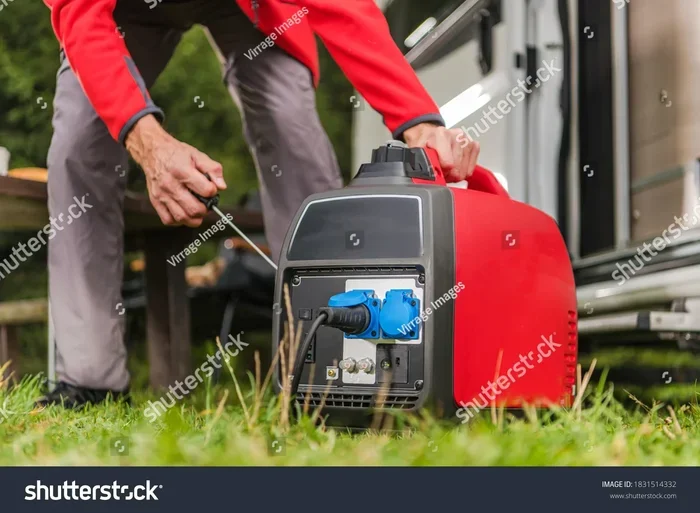
Find the generator pull cord and grip it firmly. Stand behind the generator in a stable position. Give the cord a slow, steady pull until you feel resistance. Then pull quickly and firmly. Do not yank it violently. A smooth, controlled pull is more effective and safer.
If the engine does not start on the first try, do not keep pulling continuously. Let the recoil starter reset for a few seconds, then try again. Sometimes it takes three to five pulls for a cold engine to fire up. If you are using a recoil starter with a lockout mechanism, make sure you release the lock before pulling. This allows the cord to retract properly after each pull.
Let the Engine Warm Up Properly
Once the engine starts, let it idle for a minute or two. This allows the internal components to warm up and the oil to circulate fully. After the warm-up period, slowly move the choke lever to the “open” or “run” position. This adjusts the fuel-air mixture for normal operation. Running the generator with the choke closed for too long will cause it to run rich, which wastes fuel and can damage the engine over time.
Now you can plug in your appliances and start using your backup power. Always let the generator stabilize for a minute before connecting any devices. This prevents voltage spikes that could damage your equipment.
Common Generator Starting Problems and How to Fix Them
Even with perfect preparation, sometimes a generator simply will not start. Understanding the most common problems and their solutions helps you stay calm and fix the issue quickly. Here are the most frequent generator troubleshooting scenarios.
The Generator Won’t Start at All
If your generator makes no sound at all when you pull the cord, the problem is usually mechanical. Check that the fuel valve is open and that there is fresh fuel in the tank. Inspect the spark plug for damage or fouling. Also check the oil level — many modern generators have a low-oil shutoff sensor that prevents the engine from starting if the oil is too low. Simply adding oil to the proper level often solves this problem instantly.
Another common cause is a clogged carburetor. If the generator has been sitting unused for weeks or months, old fuel can harden inside the carburetor jets and block fuel flow. Cleaning or rebuilding the carburetor usually fixes this. In some cases, you may need to replace it entirely.
It Starts But Stalls Right Away
If the engine fires up but dies immediately, the issue is often related to the fuel system or the choke setting. Make sure the choke is not fully closed once the engine is running. A closed choke starves the engine of oxygen and causes it to stall. Also check for air leaks in the fuel lines or a clogged primer bulb. A damaged primer bulb will not push fuel properly, leading to inconsistent starts and stalling.
Stale fuel is another major cause of stalling. If the fuel in your tank has been sitting for more than a month, drain it and refill with fresh fuel. Adding a fuel stabilizer to stored fuel can prevent this problem from happening in the future.
The Pull Cord Feels Stuck or Won’t Retract
A stuck pull cord is often caused by a tangled cord inside the recoil starter housing or a damaged spring. Never force a stuck cord. Instead, remove the recoil starter assembly and inspect it for tangles or broken parts. Replacing a faulty recoil starter is inexpensive and straightforward. This is a common maintenance task that keeps your generator pull start working reliably.
Maintenance Tips to Keep Your Generator Running Smoothly
Regular generator maintenance is the best way to ensure your unit starts easily every single time. A well-maintained generator is more reliable, more fuel-efficient, and lasts significantly longer than a neglected one. Here is how to keep your machine in top shape.
Follow a Regular Generator Maintenance Schedule
Create a simple maintenance schedule and stick to it. At minimum, you should perform the following checks every time you use your generator:
- Check the oil level before every use and change the oil every 50 to 100 operating hours.
- Inspect the spark plug monthly and clean or replace it as needed.
- Clean or replace the air filter every 25 to 50 hours of use.
- Drain old fuel and refill with fresh fuel before long-term storage.
- Run the generator for at least 15 minutes once a month, even if you do not need backup power.
Following this schedule takes very little time but pays off enormously. It prevents the vast majority of starting problems and keeps your generator engine running strong for years.
Seasonal Care for Your Portable Generator
How you store your generator matters just as much as how you use it. Before storing your portable generator for an extended period, drain the fuel tank or add a fuel stabilizer. Remove the spark plug and add a small amount of oil to the cylinder through the spark plug hole. Pull the recoil starter a few times to distribute the oil. Replace the spark plug and store the generator in a cool, dry place.
When you bring the generator out of storage, go through the full preparation checklist we covered earlier. Fresh fuel, clean spark plug, proper oil level, and a clean air filter will make your first start of the season effortless.
Expert Tips for a Smooth Manual Start Every Time
Over the years, experienced generator owners have developed a few habits that make starting easier and more reliable. Here are some expert tips that can save you time and frustration.
- Keep a spare pull cord in your generator storage area. Pull cords wear out over time, and having a replacement ready means you are never stranded.
- Store your generator with a full tank of stabilized fuel. This reduces condensation inside the tank and keeps the fuel system ready for use.
- Always use the choke correctly. Start with the choke closed, then gradually open it as the engine warms up. This simple habit prevents stalling and flooding.
- Keep the generator on a level surface when starting. An uneven surface can affect fuel flow and oil distribution, making starts harder.
- Practice your pull start technique. A smooth, steady pull is better than a fast, jerky one. Stand with your feet shoulder-width apart and use your whole body to pull, not just your arms.
- Keep a maintenance log. Writing down when you changed the oil, cleaned the spark plug, or replaced the air filter helps you stay on top of generator maintenance and prevents surprises.
These small habits add up to big results. A well-cared-for generator starts on the first or second pull almost every time. You will never have to worry about emergency power during a blackout again.
Conclusion
Knowing how to start a generator manually is one of the most valuable skills a homeowner can have. It gives you independence from electric start systems, keeps your backup power running during outages, and ensures your portable generator is always ready when you need it most. We have covered everything from preparation and the step-by-step pull start process to common troubleshooting and ongoing generator maintenance.
The key takeaway is simple: preparation is everything. Check your fuel, oil, spark plug, and air filter before you start. Use the generator choke and fuel valve correctly. Pull the cord smoothly and let the engine warm up before loading it with appliances. Follow a regular maintenance schedule, and your generator engine will reward you with reliable starts for years to come.
Do not wait until the next power outage to figure out your generator. Practice the manual start process now while the weather is good. Keep your supplies fresh and your generator well-maintained. When the lights go out and your neighbors are still in the dark, you will be the one with emergency power flowing through your home. That is the real value of knowing how to start a generator manually.
Frequently Asked Questions
How do I know if my generator has a recoil starter?
Most portable generators with a manual start option have a recoil starter, which looks like a rope wrapped around a pulber on the side of the engine. Check the side or top of your generator for a handle attached to a rope. If you see one, your unit has a pull start system that you can use for a manual generator start.
Why does my generator only start when I push the primer bulb?
The primer bulb pushes extra fuel into the carburetor to help with initial combustion. If your generator relies on the primer bulb to start, it may indicate a weak fuel pump, a clogged fuel line, or a carburetor that needs cleaning. Regular maintenance of the fuel system helps prevent this issue and keeps your generator starting easily on its own.
Can I start a generator manually in the rain?
It is not recommended to operate or start any generator in wet conditions. Water can damage the electrical components, cause short circuits, and create serious safety hazards. Always start your generator on a dry, level surface under a properly ventilated canopy or shelter to keep moisture away from the engine and electrical parts.
How often should I replace the spark plug in my generator?
Most generator manufacturers recommend replacing the spark plug every 100 to 200 hours of operation, or at least once per season. Inspect the spark plug more frequently if you use your generator often. A clean, properly gapped spark plug is essential for reliable starts and efficient fuel combustion in your portable generator.
What should I do if the generator pull cord keeps breaking?
A pull cord that breaks repeatedly usually means the recoil starter mechanism is damaged or the cord is frayed from repeated use. Inspect the recoil housing for tangled cord or worn springs. Replacing the entire recoil starter assembly is often the most reliable fix. Keep a spare pull cord on hand so you can replace it quickly during an emergency.
Is it safe to use a generator indoors during a power outage?
No. Generators produce carbon monoxide, which is a colorless, odorless gas that can be deadly. Always run your generator outdoors in a well-ventilated area, at least 20 feet away from doors, windows, and vents. Never place a generator inside a garage, basement, or any enclosed space, even with the doors open.