Honda Accord Ac Compressor Replacement Cost And What To Expect
The Honda Accord AC compressor replacement cost typically ranges between $800 and $1,500 depending on your model year and the type of compressor you choose. This guide breaks down the AC compressor replacement price, what triggers compressor failure, and how to avoid overpaying at the repair shop. You will learn to spot early AC compressor symptoms, understand the difference between OEM and aftermarket parts, and follow a clear step-by-step replacement process.
When your Honda Accord starts blowing warm air on a hot summer day, it is easy to feel frustrated. The Honda Accord AC compressor replacement cost is something many owners worry about, especially when they are not sure what is causing the problem. Understanding the AC compressor replacement expenses upfront can help you make informed decisions and avoid surprise bills. This guide covers everything from the average AC compressor price to the signs that your compressor is failing and what you can do to save money.
The air conditioning system in your Honda Accord relies on the compressor to circulate refrigerant and keep the cabin cool. When the compressor goes bad, the entire cooling system suffers. Whether you drive a 2008 Accord or a 2023 model, knowing what to expect before you walk into a repair shop can make a big difference. Let us dive into the details of Honda Accord AC compressor replacement cost and what you should know.
Key Takeaways
- Average Cost: Most Honda Accord owners pay between $800 and $1,500 for a full AC compressor replacement, including parts and labor.
- Early Detection Matters: Catching AC compressor symptoms early can prevent costly damage to the entire air conditioning system.
- OEM vs Aftermarket: OEM compressors offer reliability, but quality aftermarket options can save you 30 to 50 percent on the AC compressor price.
- Labor Is a Big Factor: The labor cost alone can range from $400 to $700, depending on your location and the complexity of the job.
- DIY Is Possible: Experienced DIYers can save significantly by handling the compressor replacement themselves, but it requires proper tools and refrigerant handling certification.
- Regular Maintenance Helps: Following a consistent Honda maintenance schedule can extend the life of your AC compressor and prevent unexpected compressor failure.
📑 Table of Contents
- What Is an AC Compressor and Why Is It So Important?
- Honda Accord AC Compressor Replacement Cost Breakdown
- Common Signs Your Honda Accord AC Compressor Is Failing
- OEM vs Aftermarket Compressors: Which One Should You Choose?
- What Happens During the Honda Accord AC Compressor Replacement Process
- Tips to Save Money on Your Honda Accord AC Compressor Replacement
- Conclusion
What Is an AC Compressor and Why Is It So Important?
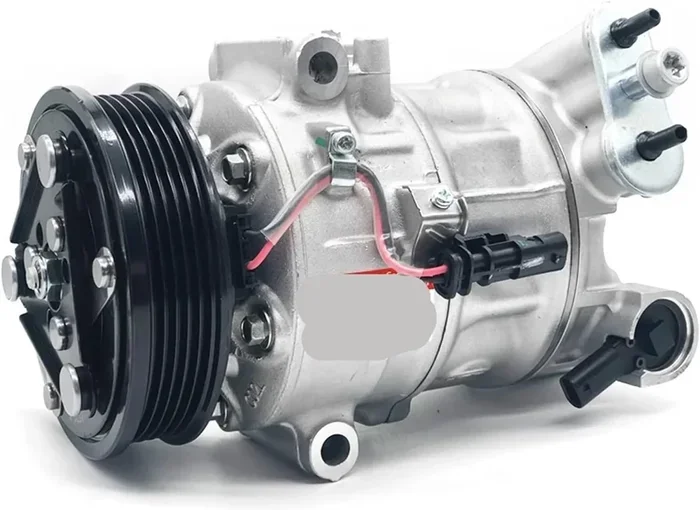
The AC compressor is the heart of your vehicle’s air conditioning system. It pumps refrigerant through the AC lines, AC condenser, and evaporator to create the cold air you feel inside your car. Without a working compressor, your Honda Accord cooling system simply cannot function.
Think of the compressor as a pump that pressurizes the refrigerant gas. This process allows the refrigerant to absorb heat from the cabin and release it outside. When the compressor clutch engages, the compressor draws in low-pressure refrigerant and compresses it into high-pressure gas. This cycle repeats continuously while your AC is running.
How the Compressor Works in Your Honda Accord
In a Honda Accord, the AC compressor is driven by a belt connected to the engine. When you turn on the air conditioning, the compressor clutch engages the pulley, which spins the compressor. The compressor then pressurizes the refrigerant and sends it through the AC system.
Over time, the internal components of the compressor can wear down. Bearings degrade, seals leak, and the clutch may fail to engage properly. These issues lead to compressor failure, which means you will need a full compressor replacement to restore your cooling performance.
Common Causes of AC Compressor Failure
Several factors can cause your Honda Accord’s AC compressor to fail prematurely:
- Low refrigerant levels: When the refrigerant drops too low, the compressor works harder and can overheat. This is one of the most common causes of compressor failure.
- Dirty condenser coils: Debris and dirt buildup on the AC condenser can restrict airflow and cause the compressor to overwork.
- Electrical issues: Faulty wiring, a bad relay, or a worn clutch coil can prevent the compressor from engaging properly.
- Contamination: Moisture or debris entering the AC system can damage internal components and lead to premature failure.
- Age and mileage: Like any mechanical part, the compressor wears out over time. High-mileage Honda Accords are more prone to compressor failure.
Regular Honda maintenance and timely AC service can help prevent many of these issues. If you notice any AC compressor symptoms early, addressing them quickly can save you from a full replacement.
Honda Accord AC Compressor Replacement Cost Breakdown
The Honda Accord AC compressor replacement cost varies depending on several factors, including your model year, the type of compressor you choose, and where you live. Understanding the breakdown helps you budget properly and avoid surprises.
Parts Cost: OEM vs Aftermarket Compressors
The AC compressor price for a Honda Accord depends largely on whether you choose an OEM (Original Equipment Manufacturer) compressor or an aftermarket unit.
OEM compressors are made by the same manufacturer that supplied the original part for your vehicle. They are designed to match the exact specifications of your Honda Accord’s air conditioning system. OEM compressors typically cost between $400 and $800 for parts alone.
Aftermarket compressors are produced by third-party manufacturers. They can cost anywhere from $200 to $500. Many aftermarket compressors offer excellent quality at a lower price point. However, the quality can vary between brands, so it is important to choose a reputable manufacturer.
Here is a quick look at the two options side by side:
- OEM Compressor: Higher cost, guaranteed fit and quality, backed by Honda warranty. Best for those who want reliability and plan to keep the car long-term.
- Aftermarket Compressor: Lower cost, wide range of quality options, may not carry the same warranty. Great for budget-conscious owners who need a reliable replacement.
Labor Cost for Honda Accord AC Compressor Replacement
The labor cost for replacing an AC compressor on a Honda Accord typically ranges from $400 to $700. The exact labor cost depends on the complexity of the job and the hourly rate of your repair shop.
Several factors influence the labor cost:
- Model year: Newer Honda Accord models may have more accessible compressor mounting positions, reducing labor time.
- Compressor location: In some engine configurations, the compressor is harder to reach, which increases the time needed for removal and installation.
- Additional repairs: If the AC receiver dryer or AC lines are also damaged, the labor time and cost will increase.
- Geographic location: Labor rates vary significantly by region. Urban areas with higher costs of living tend to have higher hourly rates at repair shops.
Total Replacement Cost by Model Year
The overall Honda Accord AC compressor replacement cost can vary by model year. Here is a general breakdown to help you estimate:
- 2003 to 2007 Honda Accord: Total cost typically ranges from $800 to $1,200. These older models have simpler air conditioning systems, which can make the replacement process more straightforward.
- 2008 to 2012 Honda Accord: Total cost usually falls between $900 and $1,400. The compressor location and belt routing may add some complexity to the job.
- 2013 to 2017 Honda Accord: Expect total costs of $1,000 to $1,500. These models may have more advanced AC systems with additional sensors and components.
- 2018 to 2023 Honda Accord: Replacement costs range from $1,100 to $1,600. Newer models may require specialized tools or software for proper compressor engagement.
Keep in mind that these are average estimates. Your actual cost may be higher or lower depending on your specific situation. Always get a detailed quote from your repair shop before authorizing the work.
Common Signs Your Honda Accord AC Compressor Is Failing
Recognizing the early warning signs of a failing compressor can save you from a complete breakdown on a hot day. The sooner you identify AC compressor symptoms, the better your chances of addressing the issue before it becomes a major expense.
Warm Air From the Vents
The most obvious sign of compressor trouble is warm or lukewarm air coming from the vents, even when the AC is set to maximum cooling. If the compressor clutch has failed or the compressor is not building proper pressure, the refrigerant cannot circulate correctly. This results in poor cooling performance and uncomfortable cabin temperatures.
Strange Noises When the AC Is On
Listen for unusual sounds when you turn on the air conditioning. A grinding, squealing, or clicking noise could indicate a failing AC compressor. These sounds often come from worn bearings inside the compressor or a clutch that is not engaging smoothly. Ignoring these noises can lead to complete compressor failure and a more expensive repair.
AC Compressor Clutch Not Engaging
The compressor clutch is the component that connects the compressor to the engine. When you turn on the AC, the clutch should engage and spin the compressor pulley. If the clutch does not engage, the compressor cannot pressurize the refrigerant. This can be caused by a faulty clutch coil, low refrigerant, or an electrical issue in the AC system.
Visible Leaks Around the Compressor
Check around the compressor for any signs of refrigerant leaks. You may notice oily residue or visible drips near the AC lines and compressor connections. Low refrigerant levels caused by leaks put extra stress on the compressor and can accelerate compressor failure. If you suspect a leak, have a certified technician inspect the entire cooling system as soon as possible.
Frequent AC Cycling
If your Honda Accord’s AC system is turning on and off more frequently than usual, this could be a sign of compressor problems. Normal AC cycling should be smooth and consistent. Rapid cycling, known as short cycling, often indicates that the compressor is struggling to maintain proper pressure. This not only reduces cooling performance but also increases wear on the compressor and other components.
OEM vs Aftermarket Compressors: Which One Should You Choose?
Choosing between an OEM and aftermarket compressor is one of the most important decisions you will make when replacing your Honda Accord’s AC compressor. Each option has its pros and cons, and the right choice depends on your budget, how long you plan to keep the vehicle, and your priorities.
Advantages of OEM Compressors
OEM compressors are the same parts that were installed in your Honda Accord when it left the factory. They are designed and tested to meet Honda’s exact specifications for fit, performance, and durability.
- Perfect fit: OEM compressors are engineered specifically for your Honda Accord model year and engine configuration.
- Reliability: OEM parts undergo rigorous testing and quality control. You can expect consistent performance and a longer lifespan.
- Warranty coverage: Many OEM compressors come with a Honda warranty, giving you peace of mind and protection against defects.
- Resale value: Using OEM parts can help maintain the resale value of your Honda Accord, especially if you plan to sell or trade it in.
Advantages of Aftermarket Compressors
Aftermarket compressors are produced by independent manufacturers who make replacement parts for the aftermarket market. Many aftermarket brands offer high-quality compressors that perform just as well as OEM units.
- Lower cost: Aftermarket compressors can save you 30 to 50 percent compared to OEM options. This is a significant saving on the overall Honda Accord AC compressor replacement cost.
- Wider availability: Aftermarket parts are often easier to find and may have shorter lead times than OEM parts.
- Variety of brands: You can choose from several reputable aftermarket brands, each offering different warranty terms and quality levels.
- Good for older vehicles: If you drive an older Honda Accord, an aftermarket compressor can be a cost-effective solution that keeps your AC running without breaking the bank.
Which Option Is Right for Your Honda Accord?
If you have a newer Honda Accord and plan to keep it for many years, an OEM compressor is the safer choice. The higher upfront cost is offset by better reliability and warranty coverage. For older models or budget-conscious owners, a quality aftermarket compressor from a trusted brand can deliver excellent results at a lower AC compressor price.
When choosing an aftermarket compressor, look for brands with strong reviews, solid warranty policies, and certifications like ISO 9001 or TS 16949. Avoid the cheapest options, as they may use lower-quality materials that lead to premature compressor failure.
What Happens During the Honda Accord AC Compressor Replacement Process
Understanding the replacement process can help you feel more comfortable and prepared when you take your Honda Accord in for service. The process typically involves several key steps, and knowing what to expect can help you communicate effectively with your technician.
Step 1: Diagnosis and System Evaluation
Before any work begins, a qualified technician will perform a thorough diagnosis of your Honda Accord air conditioning system. This includes checking refrigerant levels, inspecting the compressor clutch, testing electrical connections, and using diagnostic tools to read error codes. The technician will confirm that the compressor is the source of the problem and rule out other potential causes of poor cooling performance.
Step 2: Recovering and Evacuating the Refrigerant
The next step is to safely recover the refrigerant from the AC system. This requires specialized equipment and certification, as refrigerants must be handled according to environmental regulations. The technician will use a refrigerant recovery machine to extract the refrigerant and store it properly. Once the system is empty, it will be evacuated to remove any moisture and remaining refrigerant traces.
Step 3: Removing the Old Compressor
With the refrigerant safely removed, the technician can now access and remove the old compressor. This involves disconnecting the AC lines, removing the compressor belt, and unbolting the compressor from its mounting bracket. The time required for this step varies depending on the Honda Accord model year and engine configuration. On some models, the compressor is easily accessible, while on others it may require removing additional components.
Step 4: Installing the New Compressor
The new compressor is mounted in place and secured with bolts. The technician reconnects the AC lines, installs a new AC receiver dryer (which is always replaced along with the compressor), and installs a new compressor clutch if needed. The AC compressor belt is then routed and tensioned properly. This step requires precision and care to ensure everything is aligned and sealed correctly.
Step 5: Recharging the System and Testing
Once the new compressor is installed, the AC system is recharged with the correct amount of refrigerant. The technician will run the AC system and check for proper cooling performance, pressure levels, and any leaks. A final test drive ensures that the compressor is engaging correctly and the cabin is cooling as it should.
On average, the entire compressor replacement process takes between three and five hours. The labor cost reflects this time investment, along with the expertise and specialized equipment required for the job.
Tips to Save Money on Your Honda Accord AC Compressor Replacement
Replacing an AC compressor does not have to drain your wallet. There are several smart strategies you can use to reduce the Honda Accord AC compressor replacement cost without sacrificing quality.
Get Multiple Quotes
Do not settle for the first quote you receive. Contact at least three repair shops or dealerships and ask for detailed estimates. Compare not only the total cost but also the breakdown of parts and labor. Some shops may offer lower AC compressor price for parts but charge more for labor, so look at the complete picture.
Consider a Quality Aftermarket Compressor
As discussed earlier, a reputable aftermarket compressor can save you a significant amount of money. Look for brands with strong track records and solid warranty coverage. This is one of the easiest ways to reduce the overall Honda Accord AC compressor replacement cost while still getting a reliable part.
Ask About the AC Receiver Dryer and Expansion Valve
When replacing a compressor, it is standard practice to also replace the AC receiver dryer and, in some cases, the expansion valve. These parts are relatively inexpensive but essential for a proper repair. Ask your technician if these are included in the quote, and make sure they are replaced to prevent contamination of the new compressor.
Check for Warranty Coverage
Before you pay, ask about the warranty on both the compressor and the labor. Many repair shops offer a 12-month or 12,000-mile warranty on parts and labor. Some OEM compressors come with a Honda warranty that covers the part for up to three years. Having warranty protection can save you money if anything goes wrong after the replacement.
Maintain Your Honda Accord AC System Regularly
The best way to avoid expensive compressor replacement is to maintain your air conditioning system properly. Have your AC system inspected annually as part of your Honda maintenance routine. Check refrigerant levels, inspect hoses and connections for leaks, and replace the cabin air filter regularly. Keeping the condenser clean and free of debris also helps the compressor operate efficiently.
Address Small Issues Before They Become Big Problems
If you notice any AC compressor symptoms such as reduced cooling, strange noises, or intermittent AC operation, do not ignore them. Small problems can quickly escalate into major compressor failure if left unaddressed. Early intervention is often much cheaper than a full replacement, so take your Honda Accord to a trusted repair shop at the first sign of trouble.
By following these tips, you can manage the Honda Accord AC compressor replacement cost effectively and keep your air conditioning system running strong for years to come.
Conclusion
The Honda Accord AC compressor replacement cost is a significant repair expense, but understanding what drives the price can help you make confident decisions. Whether you choose an OEM or aftermarket compressor, the key is to work with a trusted repair shop that provides transparent pricing and quality workmanship.
Remember to watch for early AC compressor symptoms like warm air, strange noises, or clutch engagement issues. Catching problems early can save you from more extensive damage and higher repair bills. Regular Honda maintenance and proper care of your air conditioning system are the best investments you can make to avoid unexpected compressor failure.
With the information in this guide, you are now equipped to handle the Honda Accord AC compressor replacement cost with confidence. Take action at the first sign of trouble, choose the right parts for your budget and needs, and enjoy cool, comfortable drives in your Honda Accord all year round.
Frequently Asked Questions
How long does a Honda Accord AC compressor replacement take?
Most Honda Accord AC compressor replacements take between three and five hours to complete. The exact time depends on your model year, engine configuration, and whether any additional components need to be removed. A skilled technician can typically finish the job in a single day, allowing you to pick up your vehicle the same afternoon.
Can I drive my Honda Accord with a bad AC compressor?
Yes, you can still drive your Honda Accord with a failing AC compressor, but the air conditioning will not work properly. In some cases, a seized compressor can cause the serpentine belt to break, which may affect other engine accessories. It is best to address compressor issues promptly to avoid further damage to the engine and air conditioning system.
Is it worth replacing the AC compressor on an older Honda Accord?
This depends on the overall condition of your vehicle and the replacement cost. If your Honda Accord is in good shape otherwise, replacing the compressor can extend the life of the car by several years. However, if the vehicle has high mileage and other major issues, you may want to weigh the repair cost against the value of the car before proceeding.
What maintenance can prevent AC compressor failure?
Regular maintenance is the best way to prevent compressor failure. This includes checking refrigerant levels annually, inspecting the AC lines and connections for leaks, replacing the cabin air filter, and having the air conditioning system serviced every two years. Keeping the condenser clean and free of debris also helps the compressor operate efficiently.
Does the AC compressor replacement cost include refrigerant?
Most repair shops include the cost of refrigerant in their quote, but it is always best to confirm. The refrigerant itself is relatively inexpensive, typically ranging from $20 to $50. However, if your AC system has a leak that caused the refrigerant loss, that leak will need to be repaired separately, which can add to the total Honda Accord AC compressor replacement cost.
Can I replace the AC compressor myself to save on labor cost?
Experienced DIYers with the right tools and refrigerant handling certification can replace the compressor themselves and save on labor cost. However, the job requires specialized equipment like a refrigerant recovery machine, vacuum pump, and manifold gauge set. If you do not have experience with automotive AC systems, it is safer and more cost-effective to let a professional handle the replacement to avoid costly mistakes.