AC Compressor Oil What You Need to Know Before Buying
AC compressor oil keeps your air conditioning system running smoothly by lubricating the compressor and preventing overheating. Choosing the right AC compressor oil is essential for system longevity, efficiency, and performance. This guide covers oil types, capacity, buying tips, and maintenance steps so you can make the best decision for your home.
Your air conditioner works hard every summer to keep your home cool and comfortable. But there is one part that rarely gets the attention it deserves: the AC compressor oil. This oil is the lifeblood of your cooling system. Without it, the compressor would grind to a halt in minutes.
Whether you are a homeowner tackling a DIY repair or just curious about how your AC works, understanding compressor oil is essential. The wrong oil, the wrong amount, or no oil at all can lead to expensive breakdowns. In this guide, we will walk you through everything you need to know before buying AC compressor oil. We will cover types, quantities, compatibility, and practical tips that save you time and money.
Let us be honest. Most people do not think about AC compressor oil until something goes wrong. By then, the damage may already be done. So let us change that. By the end of this article, you will feel confident choosing the right oil for your system. You will know what to look for, what to avoid, and how to keep your AC running strong for years to come.
Key Takeaways
- Right Oil Matters: Using the wrong AC compressor oil can damage your system and void your warranty.
- PAG and POE Are Standard: Most modern AC systems use PAG or POE oil, not traditional motor oil.
- Check Oil Levels Regularly: Low oil causes compressor failure, which is one of the most expensive AC repairs.
- Match Oil to Your System: Always check your unit’s manual for the recommended oil type and capacity.
- Buy from Trusted Brands: Quality compressor oil costs a little more but saves you from costly breakdowns.
- Consider Backup Power: If you live in an area with frequent outages, a home generator can protect your AC system from power surge damage.
📑 Table of Contents
What Is AC Compressor Oil and Why It Matters
AC compressor oil is a specialized lubricant designed for air conditioning compressors. It reduces friction between moving parts, prevents overheating, and seals refrigerant gases inside the system. Unlike engine oil for your car, compressor oil does not burn off or break down the same way. It stays inside the AC system and circulates continuously with the refrigerant.
The Role of Compressor Oil in Your AC System
The compressor is the heart of your air conditioning unit. It compresses the refrigerant and moves it through the system to cool your home. This process creates a lot of heat and mechanical stress. Compressor oil acts as a protective cushion. It lubricates the pistons, bearings, and rotors inside the compressor. It also helps transfer heat away from critical components.
Without proper lubrication, metal parts grind against each other. This causes wear, overheating, and eventually total compressor failure. Replacing a compressor is one of the most expensive AC repairs you can face. In many cases, it costs more than replacing the entire unit. This is why choosing the right AC compressor oil and maintaining proper levels is so important.
How AC Compressor Oil Differs from Regular Motor Oil
You might be tempted to use regular motor oil in your AC compressor. Do not do this. AC compressor oil and motor oil are very different products. Motor oil contains additives designed for combustion engines. These additives can react badly with refrigerant and refrigerant oils. They can form sludge that clogs your AC system.
AC compressor oil is formulated to be compatible with refrigerants like R-22 and R-410A. It has specific viscosity ratings and chemical properties that ensure smooth operation. Always use oil that is rated for air conditioning systems. Check the label on the oil bottle and cross-reference it with your AC unit manual.
Types of AC Compressor Oil
Not all compressor oils are the same. The type you need depends on your AC system, the refrigerant it uses, and the climate where you live. Using the wrong type can reduce efficiency, cause leaks, or damage internal components. Let us break down the three main types of AC compressor oil.
PAG Oil: The Modern Standard
Polyalkylene Glycol, or PAG oil, is the most common compressor oil used in modern vehicles and home AC systems. It is a synthetic oil that mixes well with R-134a refrigerant. PAG oil comes in different viscosities, typically PAG 46, PAG 100, and PAG 150. The number refers to the oil’s thickness at a given temperature.
PAG oil is hygroscopic, which means it absorbs moisture from the air. This is both a strength and a weakness. A small amount of moisture absorption helps prevent ice buildup in the system. But too much moisture can cause corrosion and acid formation inside the compressor. Always store PAG oil in a sealed container and keep it away from humidity.
POE Oil: For Scroll and Modern Systems
Polyolester oil, or POE oil, is another synthetic option. It is commonly used in systems that run on R-410A refrigerant. POE oil has excellent thermal stability and works well with modern scroll compressors. It is also compatible with a wider range of refrigerants than PAG oil.
POE oil is less hygroscopic than PAG oil, meaning it absorbs less moisture. This makes it a great choice for hot and humid climates. If you have a newer AC unit or a heat pump system, POE oil is likely what your system requires. Always double-check your owner manual before purchasing.
Mineral Oil: The Older Choice
Mineral oil was the standard for older AC systems, particularly those using R-22 refrigerant. It is a petroleum-based oil that is not compatible with R-410A systems. If you have an older unit that still uses R-22, mineral oil may be the correct choice.
However, R-22 refrigerant is being phased out in many regions due to environmental concerns. If your system still uses R-22, consider upgrading to a newer unit that uses R-410A. This will improve efficiency and reduce your environmental footprint. When in doubt, consult a licensed HVAC technician.
How to Choose the Right Oil Type
Choosing the right oil type starts with your system manual. Every AC unit lists the recommended oil type and viscosity. Here are some quick tips:
- Check the refrigerant type: R-22 systems often use mineral oil. R-410A systems use POE oil. R-134a systems typically use PAG oil.
- Match the viscosity: Use the exact viscosity grade recommended by the manufacturer. Do not assume a thicker or thinner oil will work better.
- Buy from reputable brands: Stick with trusted manufacturers like DuPont, Mobil, or AC Delco. Cheap off-brand oils may not meet specifications.
- Consider your climate: Hotter climates may benefit from oils with higher thermal stability, like POE.
How Much AC Compressor Oil Do You Need
Adding too much or too little oil can cause serious problems. Too much oil can flood the compressor and reduce cooling efficiency. Too little oil causes excessive wear and overheating. The right amount depends on your specific system.
Understanding Oil Capacity by System Size
AC compressor oil capacity varies widely based on the size and type of your system. A typical central air conditioner for a home might hold between 3 and 6 ounces of oil. Larger commercial units or heat pump systems can hold 10 ounces or more. Window units and mini-split systems usually require less oil, often around 1 to 3 ounces.
Always refer to your system manual for the exact capacity. If you cannot find the manual, look for a model number sticker on the outdoor unit. You can then search for the specifications online or contact the manufacturer directly. Adding the wrong amount of oil is one of the most common mistakes homeowners make during AC maintenance.
Signs Your AC System Needs Oil
How do you know if your AC compressor oil is low? Watch for these warning signs:
- Unusual noises: Grinding, clicking, or rattling sounds from the outdoor unit often indicate low oil levels.
- Reduced cooling: If your AC is not blowing cold air, low oil could be restricting compressor function.
- Ice buildup: Frost on the refrigerant lines can signal poor oil circulation.
- Compressor overheating: If the unit shuts off frequently, the compressor may be overheating due to insufficient lubrication.
- Oil leaks: Visible oil stains around the compressor or refrigerant lines mean you need to top off or change the oil.
If you notice any of these symptoms, turn off your AC and check the oil level. Continuing to run a low-oil compressor can cause irreversible damage. If you are not comfortable checking the oil yourself, call a professional HVAC technician.
How to Check and Add AC Compressor Oil
Checking and adding AC compressor oil is a straightforward process if you follow the right steps. However, it does require some basic knowledge of your AC system. If you have never worked on an AC unit before, consider having a professional do it the first time. Once you understand the process, you can handle it yourself in the future.
Step-by-Step Oil Check Process
- Turn off the power: Always disconnect power to the AC unit at the breaker box before you start any work. Safety comes first.
- Locate the compressor: The compressor is the large metal box in your outdoor unit. It has copper refrigerant lines running into it.
- Find the oil service port: Some compressors have a dedicated oil service fitting. Check your manual to locate it.
- Check the oil level: If your compressor has a sight glass, you can visually inspect the oil level. The oil should be clear and amber-colored. Dark or cloudy oil means it is time for a change.
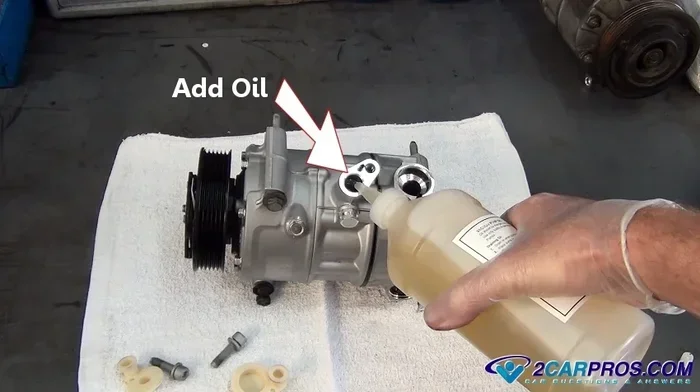
- Add oil if needed: Use a syringe or oil extractor to add the recommended amount of AC compressor oil. Add it slowly and check the level frequently.
- Run the system: After adding oil, turn the power back on and let the system run for 15 to 20 minutes. Check for leaks and listen for unusual noises.
Common Mistakes to Avoid
Even experienced homeowners make mistakes when handling AC compressor oil. Here are the most common ones to avoid:
- Mixing oil types: Never mix PAG, POE, and mineral oils. They are not compatible and can create harmful chemical reactions inside your system.
- Overfilling the oil: Too much oil takes up space meant for refrigerant. This reduces cooling capacity and can damage the compressor.
- Using the wrong viscosity: Thicker oil does not always mean better lubrication. Stick to the manufacturer’s recommended viscosity grade.
- Skipping the filter: If your system has an oil filter, replace it whenever you add new oil. A clogged filter restricts oil flow.
AC Compressor Oil Cost and Buying Guide
AC compressor oil is not expensive, but the cost can add up depending on the type and quantity you need. Understanding what drives the price helps you make smart purchasing decisions.
What to Look for When Buying
When shopping for AC compressor oil, keep these factors in mind:
- Compatibility: Make sure the oil is compatible with your refrigerant type and compressor model.
- Viscosity grade: Match the viscosity exactly to what your system requires.
- Quantity: Buy only what you need. Unopened oil can degrade over time, especially PAG oil which absorbs moisture from the air.
- Brand reputation: Established brands undergo more rigorous testing and quality control.
- Certifications: Look for oils that meet industry standards like DIN 51506 or ISO 12917.
Comparing Prices and Brands
A quart of quality AC compressor oil typically costs between $15 and $40. PAG oil tends to be on the lower end, while POE oil can cost a bit more due to its advanced synthetic formulation. Mineral oil is usually the most affordable option, but it is less common in modern systems.
Buying in bulk can save money if you manage multiple AC units or work as a professional technician. However, for most homeowners, a single bottle is enough for a routine oil top-off or change. Store unused oil in a cool, dry place with the lid tightly sealed.
While you are budgeting for AC maintenance, it is also worth considering the broader picture of home energy costs. If you are thinking about upgrading your home’s power setup, you might want to compare options. For instance, a whole-home generator for a house can provide reliable backup power during outages, keeping your AC and other essentials running. Understanding the cost of a generator for a 1 unit or a full home system helps you plan for both cooling maintenance and emergency power needs.
Maintaining Your AC Compressor for Long Life
Oil is just one piece of the puzzle when it comes to AC compressor longevity. Regular maintenance goes a long way toward preventing costly repairs and extending the life of your system. A well-maintained compressor can last 15 to 20 years, while a neglected one may fail in half that time.
Oil Change Frequency
Most AC systems do not require a full oil change on a regular schedule. The oil circulates inside a sealed system and does not burn off like engine oil. However, there are situations where an oil change makes sense:
- After a compressor replacement: New compressors often come pre-filled with oil, but some residual oil from the old system may remain. Flushing and refilling ensures optimal lubrication.
- After a major refrigerant leak: Leaks can drain oil from the system along with refrigerant. Topping off the oil after a repair is important.
- Every 5 to 7 years: Even without visible problems, oil can degrade over time. A periodic oil change can help maintain peak performance.
When to Call a Professional
While checking oil levels is something many homeowners can do, more complex tasks are best left to professionals. If you notice any of the following, call an HVAC technician right away:
- Your AC compressor oil is dark brown or black, indicating contamination.
- You hear loud metallic noises coming from the compressor.
- Your system has been low on refrigerant for an extended period.
- You are unsure which oil type your system requires.
- You have tried adding oil but the problem persists.
A professional technician has the tools and expertise to flush the system, measure oil levels accurately, and diagnose underlying issues. They can also check your generator if you use backup power, ensuring that both your AC and electrical systems work together seamlessly during outages. This is especially important if you rely on a portable or standby unit to keep your home cool when the grid goes down.
Proper maintenance also includes keeping the outdoor unit clean and free of debris. Trim back vegetation, remove leaves, and hose down the fins at least once a year. Good airflow around the compressor reduces heat stress and helps the oil circulate properly. These simple habits add years to the life of your air conditioning system.
Final Thoughts on AC Compressor Oil
AC compressor oil may seem like a small detail, but it plays a massive role in how well your air conditioner performs. Choosing the right type, using the correct amount, and maintaining proper levels are all essential steps that every homeowner should understand. The oil keeps your compressor cool, reduces wear, and ensures efficient cooling throughout the hot summer months.
Do not wait until your AC breaks down to think about compressor oil. Make it a regular part of your home maintenance routine. Check your oil levels at the start of every cooling season. Keep the right type of oil on hand for top-offs. And when in doubt, consult a professional.
The few dollars you spend on quality AC compressor oil today can save you hundreds or even thousands of dollars in repair costs tomorrow. Your air conditioning system works hard for you. Give it the care and lubrication it deserves, and it will keep your home comfortable for many years to come.
Frequently Asked Questions
Can I use regular motor oil in my AC compressor?
No, you should never use regular motor oil in an AC compressor. Motor oil contains additives that react badly with refrigerant and refrigerant oils. Always use oil specifically formulated for air conditioning systems, such as PAG, POE, or mineral oil, depending on your unit’s requirements.
How often should I check my AC compressor oil level?
It is a good practice to check your AC compressor oil level at the start of every cooling season. Most sealed systems do not lose oil under normal operation, but refrigerant leaks or system wear can reduce oil levels over time. A quick check takes just a few minutes and can prevent costly compressor damage.
What happens if I put too much oil in my AC compressor?
Adding too much oil can flood the compressor and reduce the amount of space available for refrigerant. This leads to poor cooling performance, increased energy consumption, and potential compressor damage. Always add oil slowly and in small increments, checking the level after each addition.
Is AC compressor oil the same as refrigerant?
No, AC compressor oil and refrigerant are two different things. The refrigerant is the substance that absorbs and releases heat to cool your home. The compressor oil lubricates the moving parts inside the compressor and helps with heat transfer. Both are essential for proper AC operation.
Can low AC compressor oil cause the unit to freeze up?
Yes, low oil levels can cause poor lubrication and reduced refrigerant circulation. This can lead to ice buildup on the evaporator coils and refrigerant lines. If you notice frost or ice forming on your AC unit, check the oil level and refrigerant charge as soon as possible.
Where can I buy AC compressor oil?
AC compressor oil is available at most auto parts stores, home improvement centers, and online retailers. You can also purchase it directly from HVAC supply companies. Always buy from reputable sellers and verify that the oil matches your system’s specifications before purchasing.