What Is The Real Compressor Meaning And Why It Matters
The compressor meaning is simple: it is a machine that squeezes air or gas into a smaller space, raising pressure. Understanding what a compressor does helps you pick the right one for your needs, whether at home or on the job site.
Have you ever wondered what a compressor actually does? The compressor meaning might seem simple at first, but there is a lot more going on under the hood than most people realize. At its core, a compressor is a device that takes in air or gas and squeezes it into a smaller space. This process raises the pressure and stores energy that can be used for all kinds of tasks.
You find compressors in workshops, factories, construction sites, and even in your car. They power tools, fill tires, and help run entire production lines. Understanding the compressor meaning is the first step toward making smarter choices about which machine you need. Whether you are a hobbyist or a business owner, knowing how compressors work saves time, money, and frustration.
In this guide, we break down everything you need to know. We will cover how compressors function, the different types available, where they are used, and how to pick the right one. By the end, you will have a clear picture of why compressors are so important in modern life.
Key Takeaways
- Point 1: A compressor converts power into pressurized air or gas by reducing volume.
- Point 2: There are two main types: positive displacement and dynamic compressors.
- Point 3: Common uses range from home workshops to large industrial plants.
- Point 4: Choosing the right compressor depends on your pressure and flow needs.
- Point 5: Regular compressor maintenance keeps your machine running efficiently for years.
- Point 6: Understanding compressor basics saves money and prevents costly mistakes.
📑 Table of Contents
What Does Compressor Mean?
The compressor meaning in plain English is a machine that increases the pressure of a gas by reducing its volume. Most compressors work with air, which is why you often hear the term air compressor. But compressors can also handle other gases like nitrogen, oxygen, and natural gas.
The basic idea is straightforward. You take a large amount of gas at low pressure and squeeze it into a smaller space. This creates high-pressure gas that can do useful work. Think of it like squeezing a balloon. The more you squeeze, the more pressure builds up inside.
The Science Behind Compression
When you compress a gas, its molecules get packed closer together. This increases the energy density of the gas. The compression ratio measures how much the volume has been reduced compared to the original size. A higher ratio means more pressure and more stored energy.
Different gases behave differently under compression. Some gases heat up a lot when compressed, while others stay cooler. This is why compressor design must account for the type of gas being handled. Engineers use thermodynamic principles to build machines that work safely and efficiently.
Why Understanding Compressor Meaning Matters
Knowing the compressor meaning helps you communicate better with technicians and suppliers. It also helps you understand specifications like pressure ratings, flow rates, and power requirements. Without this knowledge, you might buy a machine that is too weak or too powerful for your needs.
For example, if you need to run pneumatic tools at a construction site, you need a compressor that delivers a specific compressed air flow. If you do not understand the basics, you could end up with a unit that stalls or wastes energy. That is why taking a few minutes to learn the fundamentals pays off big time.
How Does a Compressor Work?
Now that you know the compressor meaning, let us look at how these machines actually work. All compressors follow the same basic principle: they take in gas at low pressure and output it at high pressure. But the way they do this can vary quite a bit.
The Compression Process Step by Step
Here is how a typical compressor function works in simple terms:
- Intake: The machine draws in gas through an inlet valve.
- Compression: A moving part reduces the volume of the gas chamber.
- Discharge: The high-pressure gas exits through an outlet valve.
- Cooling: Many systems include a cooler to manage heat buildup.
These four steps happen in a continuous cycle. The speed and efficiency of this cycle depend on the compressor type and its design. Some machines complete thousands of cycles per minute.
Key Components of a Compressor
Every compressor has several important parts that work together. The compressor components include:
- Cylinder or chamber: This is where the gas gets compressed.
- Piston or rotor: This is the moving part that reduces volume.
- Valves: These control the flow of gas in and out.
- Motor or engine: This provides the power to run the machine.
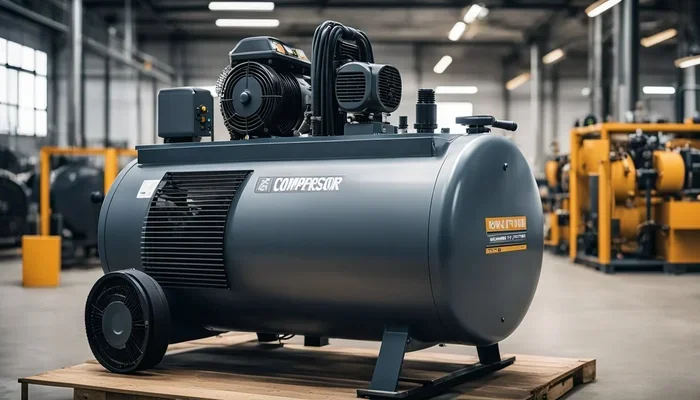
- Tank or receiver: This stores the compressed gas for later use.
Each part plays a role in the overall compressor efficiency. If even one component is worn or damaged, the whole system suffers. That is why regular inspections matter so much.
Positive Displacement vs Dynamic Compression
There are two broad categories of how compressors work. Positive displacement compressors trap a fixed amount of gas and physically reduce its volume. This is the most common method for smaller machines.
Dynamic compressors use spinning blades to accelerate gas and then convert that speed into pressure. These are more common in large industrial settings where huge volumes of gas need to be moved. Both approaches have their strengths, and choosing between them depends on your specific needs.
The Main Types of Compressors
The compressor meaning covers a wide range of machines. Each type has its own strengths and best use cases. Let us explore the most common ones you will encounter.
Reciprocating Compressors
A reciprocating compressor uses a piston that moves back and forth inside a cylinder. This is the most traditional design and is found in many home and small workshop setups. They are great for intermittent use and can reach very high pressures.
These machines are often called piston compressors too. They tend to be more affordable than other types. However, they can be louder and require more maintenance because of all the moving parts.
Rotary Screw Compressors
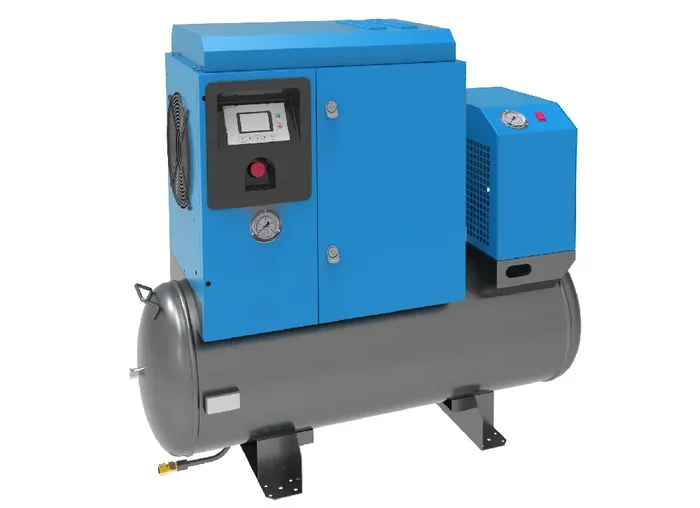
A rotary compressor or screw compressor uses two meshing rotors to compress gas. These machines run smoothly and are built for continuous duty. They are very popular in factories and manufacturing plants.
The screw compressor design means less vibration and lower noise levels. They also have fewer parts that wear out quickly. This makes them a reliable choice for businesses that need compressed air around the clock.
Centrifugal Compressors
A centrifugal compressor is a type of dynamic compressor that uses a spinning impeller to boost gas pressure. These are used in very large applications like oil refineries and natural gas processing plants.
They can handle massive volumes of gas at high speeds. However, they are expensive and complex. You will not find one in a typical garage or small shop. They are built for heavy-duty industrial use.
Scroll Compressors
A scroll compressor uses two spiral-shaped components to compress gas. One scroll stays fixed while the other orbits around it. This design is compact, quiet, and very reliable.
Scroll compressors are often used in dental offices, laboratories, and clean rooms. They produce very clean compressed air with minimal oil contamination. If you need a quiet, dependable machine for a sensitive environment, this is a great option.
Comparison Table: Compressor Types
| Type | Best For | Pressure Range | Maintenance Level |
|---|---|---|---|
| Reciprocating | Small shops, home use | Medium to High | Moderate |
| Rotary Screw | Factories, continuous use | Medium | Low to Moderate |
| Centrifugal | Large industrial plants | High | High |
| Scroll | Clean environments, dental | Low to Medium | Low |
Where Are Compressors Used?
The compressor meaning becomes much clearer when you see real-world applications. Compressors are everywhere in modern life, even in places you might not expect.
Industrial and Manufacturing Uses
Factories rely heavily on industrial compressors to power assembly lines, pneumatic presses, and automated machinery. A large compressed air system can run hundreds of tools simultaneously across a plant floor.
In the oil and gas industry, gas compressors move natural gas through pipelines over long distances. Without them, the energy that heats our homes and powers our stoves would not reach us.
Construction and Automotive Uses
On construction sites, you will see compressor power driving nail guns, sandblasters, and jackhammers. These machines need a steady supply of compressed air to operate at full capacity.
In the automotive world, compressors are used for painting cars, inflating tires, and running air brakes on large trucks. Even your local tire shop depends on a reliable air compressor to fill up your wheels.
Home and Workshop Uses
Many homeowners own a small air compressor for DIY projects. You can use them for painting fences, powering impact wrenches, or cleaning out gutters. They are versatile tools that make a lot of tasks easier and faster.
Workshops that run woodworking or metalworking equipment also benefit from having a compressor on hand. The compressor applications in these settings are wide and varied, from running spray guns to operating pneumatic clamps.
How to Choose the Right Compressor
Picking the right machine starts with understanding your needs. The compressor meaning tells you what the machine does, but choosing the right one depends on several factors.
Determine Your Pressure and Flow Needs
Pressure is measured in PSI (pounds per square inch). Flow is measured in CFM (cubic feet per minute). Different tools need different levels of both. Check the requirements of every tool you plan to run at the same time.
Add up the CFM needs and choose a machine that exceeds that total. It is always better to have a little extra capacity than to run short. A machine that is too small will wear out quickly and fail to keep up.
Consider the Power Source
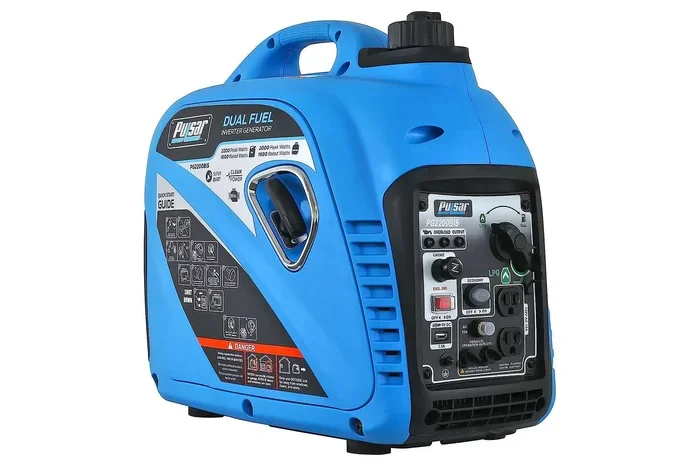
Compressors can run on electricity, gasoline, or diesel. Electric models are quieter and cleaner, making them great for indoor use. Gas-powered units are portable and deliver more compressor power, which is ideal for remote job sites.
Think about where you will use the machine most often. If you work in a fixed shop, an electric unit is probably your best bet. If you move around a lot, a gas-powered or portable compressor gives you more flexibility.
Think About Duty Cycle
The duty cycle tells you how long a machine can run before it needs to cool down. Some compressors are designed for continuous use, while others work best with intermittent breaks.
If you run a factory or a busy workshop, look for a machine with a high duty cycle. A rotary compressor or screw model often handles continuous duty better than a reciprocating unit. Matching the duty cycle to your workload prevents overheating and extends the life of your equipment.
Compressor Maintenance Tips
Proper compressor maintenance keeps your machine running smoothly and prevents unexpected breakdowns. A well-maintained unit can last for decades with basic care.
Regular Checks You Should Do
Start by checking the oil level regularly. Many compressors need oil changes every few hundred hours of use. Also inspect the air filters and clean or replace them when they get dirty.
Check all hoses and connections for leaks. Even a small leak can waste a lot of energy and reduce compressor efficiency. Use a soapy water solution on fittings to spot any escaping air bubbles.
Common Mistakes to Avoid
One of the biggest mistakes is ignoring moisture buildup. Condensation can collect in the tank and cause rust or corrosion. Drain the tank after every use or install an automatic drain valve.
Another mistake is running the machine beyond its recommended duty cycle. This causes overheating and premature wear. Give your unit time to cool down, especially during heavy use. Following the manufacturer guidelines goes a long way in protecting your investment.
When to Call a Professional
Some repairs are best left to experts. If you notice unusual noises, a drop in pressure, or excessive vibration, it is time to call a technician. Attempting complex repairs without the right skills can make things worse and cost more in the long run.
Scheduling annual professional inspections is also a smart move. A trained tech can spot problems early before they turn into expensive breakdowns. This simple habit keeps your compressor in top shape year after year.
Key Takeaways
Understanding the compressor meaning is more than just memorizing a definition. It is about knowing how these machines work, what they can do, and how to choose the right one for your situation. A compressor is a powerful tool that makes countless tasks faster, easier, and more efficient.
From the simple reciprocating model in a home garage to the massive centrifugal units in industrial plants, compressors come in many shapes and sizes. Each type serves a specific purpose, and choosing the right one starts with knowing what you need. Whether you need compressed air for a weekend project or to run an entire factory, the right machine makes all the difference.
Take the time to learn the basics. Understand the types, the key components, and the maintenance requirements. This knowledge empowers you to make confident decisions and get the best value out of your investment. The world of compressors is vast, but with a solid foundation, you can navigate it with ease.
Remember, the compressor meaning is really about one core idea: taking energy and concentrating it into pressurized gas that does real work. Once you grasp that concept, everything else falls into place. So go ahead, explore your options, and find the perfect compressor for your needs.
Frequently Asked Questions
What is the basic compressor meaning in simple terms?
A compressor is a machine that takes in air or gas and squeezes it into a smaller space, which increases the pressure. Think of it like a pump that pushes gas molecules closer together, storing energy that can be used to power tools and equipment.
What are the two main types of compressors?
The two main categories are positive displacement compressors and dynamic compressors. Positive displacement machines trap a fixed volume of gas and reduce it physically, while dynamic compressors use spinning parts to convert kinetic energy into pressure. Most common shop compressors fall into the positive displacement category.
How do I know what size compressor I need?
You need to add up the CFM (cubic feet per minute) requirements of all the tools you plan to run at the same time. Choose a compressor that exceeds that total. Also consider the PSI requirements of your tools and pick a machine that meets or exceeds those numbers.
Can I use a compressor indoors?
Yes, electric compressors are safe for indoor use and are much quieter than gas-powered models. However, you should always ensure proper ventilation and place the machine on a stable surface. Oil-free models are especially good for indoor environments where air quality matters.
How often should I maintain my compressor?
Basic maintenance like checking oil levels and draining moisture should be done after each use or weekly, depending on how often you use it. More thorough inspections, including filter replacements and professional check-ups, should happen every few months or as recommended by the manufacturer.
What is the difference between an air compressor and a gas compressor?
An air compressor specifically compresses atmospheric air, while a gas compressor handles other gases like natural gas, propane, or nitrogen. The basic compressor meaning is the same, but the materials, seals, and safety features differ based on the type of gas being handled.