Air Compressor Replacement Cost What You Need To Know
The air compressor replacement cost varies widely based on type, size, and brand. A new unit can range from a few hundred dollars for a small portable model to several thousand for an industrial-grade machine. Understanding the factors that drive the price helps you make a smart buying decision and avoid overspending.
Air compressor replacement cost is a topic every business owner and DIY enthusiast should understand. Whether your current air compressor is failing or you are upgrading to a better model, knowing what to expect financially makes the process much smoother. This guide covers everything from price ranges and compressor types to tips for saving money and making the best decision for your needs.
The air compressor replacement cost is not a single number. It depends on many factors, including the compressor type, size, brand, and where you buy it. A small portable unit for a home garage might cost a few hundred dollars. A large industrial rotary screw compressor for a factory could set you back several thousand dollars. Understanding these differences helps you budget accurately and avoid surprises.
In this article, we break down the real numbers, compare different compressor types, and give you actionable advice. You will learn how to decide between compressor repair and full replacement, what hidden costs to watch for, and how to get the best value for your money. Let us dive in.
Key Takeaways
- Cost Range: Air compressor replacement cost can range from $300 for small portable units to $10,000+ for industrial systems.
- Type Matters: Rotary screw compressors cost more than piston compressors but offer better efficiency and longer lifespan.
- Brand and Features: Premium brands and advanced features like energy-saving motors increase the upfront cost but save money long-term.
- Repair vs Replace: If repair costs exceed 50% of a new unit’s price, replacement is usually the better choice.
- Installation Adds Cost: Factor in $200-$1,000 for professional installation depending on complexity.
- Maintenance Matters: Regular upkeep extends compressor life and reduces the need for early replacement.
📑 Table of Contents
- Understanding Air Compressor Replacement Cost
- Types of Air Compressors and Their Prices
- Key Factors That Influence Replacement Cost
- Repair vs Replace: Making the Right Decision
- Tips to Save Money on Air Compressor Replacement
- What to Expect During Air Compressor Installation
- Common Mistakes to Avoid When Replacing an Air Compressor
- How Long Should an Air Compressor Last?
- How to Choose the Right Air Compressor for Your Needs
- Expert Insights on Air Compressor Replacement Cost
- Final Thoughts on Air Compressor Replacement Cost
Understanding Air Compressor Replacement Cost
When most people ask about air compressor replacement cost, they want a single number. But the truth is, the price varies a lot. The compressor type, capacity, and features all play a role. Let us look at the big picture first, then break it down by compressor category.
Average Cost Ranges by Compressor Type
The type of compressor you choose has the biggest impact on price. Here is a general breakdown of what you can expect:
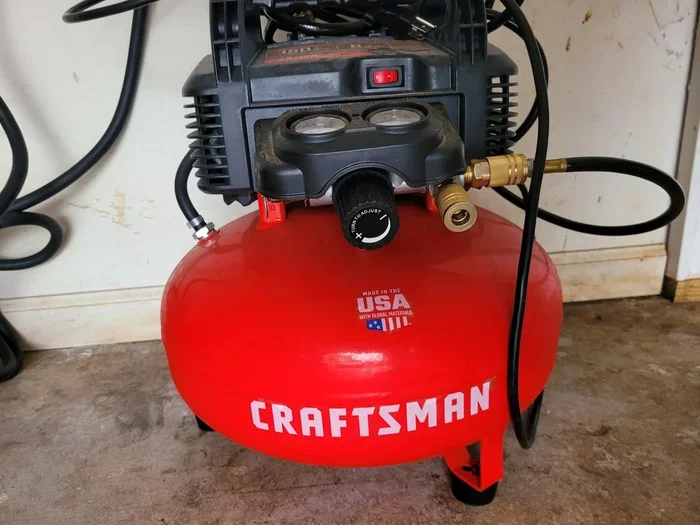
- Portable Piston Compressors: $300 to $1,500. These are great for home use, small garages, and light-duty tasks.
- Stationary Piston Compressors: $1,000 to $5,000. Better for workshops and medium-duty applications.
- Rotary Screw Compressors: $3,000 to $15,000+. These are the workhorses of industrial settings.
- Centrifugal Compressors: $10,000 to $50,000+. These are large-scale units used in manufacturing and oil refineries.
Keep in mind that these are just base prices. The air compressor replacement cost goes up when you add features like larger compressor tanks, higher PSI pressure ratings, or energy-efficient motors.
What Does the Price Include?
When you buy a new air compressor, the price typically includes the unit itself and basic components. But several other parts and services can add to the total:
- The compressor motor and pump assembly
- The compressor tank or tanks
- A pressure regulator and gauge
- Hoses and fittings
- A starter motor and electrical components
- Delivery and basic setup
Some sellers include free air compressor installation, while others charge separately. Always ask for a full breakdown of costs before you commit. This prevents unexpected bills and helps you compare prices accurately.
Types of Air Compressors and Their Prices
Not all compressors are the same. Each type serves different needs and comes with its own price tag. Let us explore the most common options on the market today.
Piston Compressors (Reciprocating)
Piston compressors are the most affordable option for most users. They use a piston and cylinder to compress air. These machines work well for home garages, small workshops, and light construction. The air compressor replacement cost for a piston model is generally the lowest of all types.
Pros: Lower upfront cost, simple design, easy to maintain, widely available.
Cons: Noisy operation, shorter lifespan, requires more frequent maintenance, lower duty cycle.
If you need a compressor for occasional use, a piston compressor is a smart choice. The compressor repair cost is also lower for these models, which adds to their long-term value.
Rotary Screw Compressors
Rotary screw compressors use two interlocking screws to compress air continuously. They are the go-to choice for businesses that need a steady supply of compressed air. The air compressor replacement cost for a rotary screw unit is higher, but the performance and efficiency justify the investment for many operations.
Pros: Continuous operation, energy efficient, lower noise, longer lifespan, less vibration.
Cons: Higher purchase price, more complex repairs, requires professional maintenance.
For factories, auto shops, and manufacturing plants, a rotary screw compressor pays for itself through energy savings and reliability. The compressed air system runs more efficiently, which reduces electricity bills over time.
Portable and Specialty Compressors
Portable compressors are compact units designed for on-the-go use. They are popular with contractors, painters, and hobbyists. The air compressor replacement cost for a portable unit is usually between $300 and $1,500, depending on the CFM rating and tank size.
Specialty compressors include oil-free compressors, high-pressure compressors, and twin-stack compressors. Each serves a niche purpose and comes with its own pricing. Oil-free models cost a bit more but require less maintenance since you never need to change the oil.
Key Factors That Influence Replacement Cost
Several factors determine the final air compressor replacement cost. Understanding these helps you budget accurately and avoid overpaying.
Compressor Size and Capacity
Size matters a lot when it comes to price. A larger compressor with a bigger compressor tank and higher CFM rating costs more. If you need to run multiple pneumatic tools at once, you need a higher-capacity unit. This drives up the air compressor price significantly.
Here is a quick guide to help you match compressor size to your needs:
- Light-duty tasks: 1-2 HP, 2-4 CFM, 20-30 gallon tank
- Medium-duty tasks: 3-5 HP, 4-10 CFM, 60-80 gallon tank
- Heavy-duty industrial use: 10+ HP, 10+ CFM, 120+ gallon tank
Brand and Manufacturer
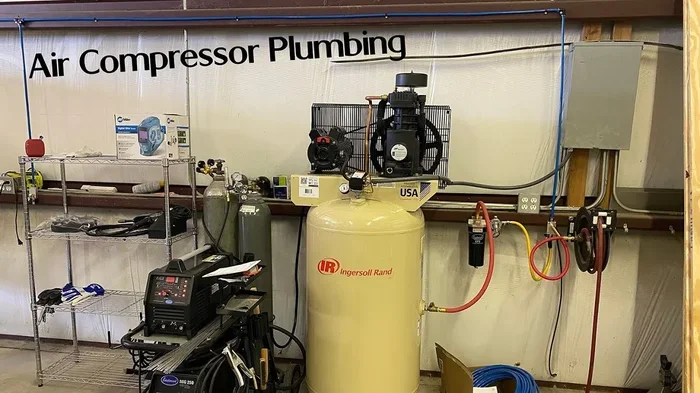
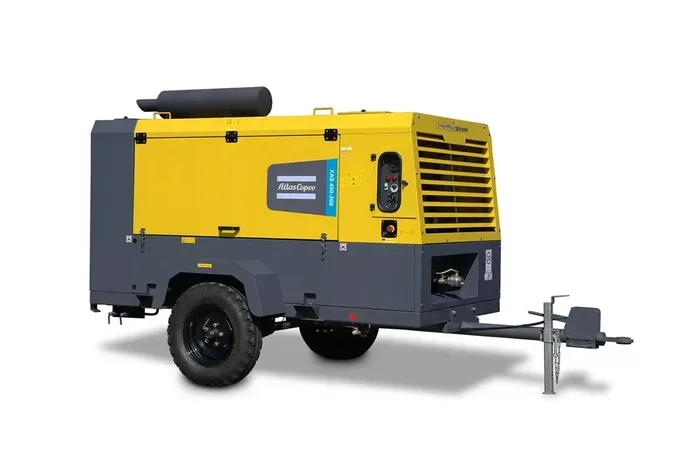
Brand reputation affects the air compressor replacement cost just like any other product. Well-known air compressor brands like Quincy, Atlas Copco, Ingersoll Rand, and California Air Tools command higher prices. But they also offer better quality, longer warranties, and more reliable performance.
Budget brands can save you money upfront. However, they may require more compressor maintenance and have shorter lifespans. Over time, a cheaper unit can end up costing more than a premium one. Consider the total cost of ownership, not just the sticker price.
New vs Refurbished Units
Buying a refurbished compressor can cut the air compressor replacement cost by 30-50%. These units have been inspected, repaired, and tested to meet manufacturer standards. Many come with a limited warranty, which gives you peace of mind.
However, there are risks. A refurbished unit may not last as long as a new one. It may also lack the latest energy-saving features. If you are on a tight budget, a refurbished model is worth considering. Just make sure you buy from a reputable dealer with a solid return policy.
Energy Efficiency Features
Modern compressors come with energy-saving features like variable speed drives and smart controls. These energy efficiency upgrades increase the upfront cost but save money on electricity bills over the life of the machine. For businesses running compressors 8-12 hours a day, the savings can be significant.
An energy-efficient compressor also reduces wear and tear on air compressor parts, which means fewer repairs and a longer lifespan. Think of it as an investment rather than just an expense.
Repair vs Replace: Making the Right Decision
One of the toughest decisions is whether to repair your current compressor or replace it entirely. The air compressor replacement cost can be high, but sometimes repair is the smarter move. Here is how to figure it out.
The 50% Rule
A common rule of thumb in the industry is the 50% rule. If the cost of compressor repair exceeds 50% of the price of a new unit, replacement makes more sense. This is because an older machine will likely need more repairs in the near future.
For example, if a new compressor costs $4,000 and the repair estimate is $2,500, you should probably replace it. Spending $2,500 on a 10-year-old machine that may fail again soon does not make financial sense.
Age of the Compressor
The age of your current unit plays a big role in the decision. Most compressors last 10-15 years with proper compressor maintenance. If your machine is older than 10 years and needs a major repair, replacement is usually the better option.
Newer compressors also have better energy efficiency ratings. Upgrading to a modern unit can cut your electricity costs by 20-30%. Over several years, those savings add up and help offset the air compressor replacement cost.
Frequency of Repairs
How often are you calling the repair technician? If you are repairing your compressor multiple times a year, it is time to replace it. Frequent breakdowns mean the machine is nearing the end of its useful life. Continuing to pour money into repairs is a losing battle.
Keep a log of all repairs and costs. This makes it easy to compare the total repair expenses against the cost of a new unit. The numbers will tell you the right answer.
Downtime and Productivity Loss
For businesses, downtime is costly. Every hour your compressor is down, your operations stall. A new air compressor gets you back up and running quickly. Factor in the cost of lost productivity when weighing repair vs replace. Sometimes the hidden cost of downtime makes replacement the clear winner.
Tips to Save Money on Air Compressor Replacement
Replacing an air compressor does not have to break the bank. With the right strategy, you can lower the air compressor replacement cost without sacrificing quality.
Buy During Off-Season
Compressor prices can fluctuate with demand. Buying during slower months or at the end of a fiscal year can get you a better deal. Many dealers offer discounts and promotions during these periods.
Compare Multiple Quotes
Never settle for the first quote you receive. Get at least three quotes from different suppliers. Compare the air compressor price, delivery fees, and installation costs. This simple step can save you hundreds or even thousands of dollars.
Consider Leasing Options
If you need a compressor for a short-term project, leasing is a smart alternative. Compressor rental cost is much lower than buying a new unit. You avoid the upfront expense and can upgrade to a better model when the lease ends.
Look for Rebates and Incentives
Many energy-efficient compressors qualify for manufacturer rebates and utility company incentives. These can reduce the air compressor replacement cost by $200-$1,000. Check with your local energy provider and the compressor manufacturer before you buy.
Factor in Long-Term Savings
A more expensive compressor with better energy efficiency can save you money over its entire lifespan. Calculate the total cost of ownership, including electricity, maintenance, and parts. The cheapest unit upfront is not always the cheapest over time.
What to Expect During Air Compressor Installation
Once you have chosen your new unit, the next step is air compressor installation. This process adds to the total air compressor replacement cost, but it is essential for safe and efficient operation.
Professional vs DIY Installation
Small portable compressors are often plug-and-play. You can set them up yourself with basic tools. However, larger stationary and industrial units require professional installation. A certified technician ensures the unit is properly connected, leveled, and calibrated.
Professional installation typically costs between $200 and $1,000, depending on the complexity. For industrial compressors, the cost can be higher due to electrical work, piping, and ventilation requirements.
Site Preparation
Before installation, you need to prepare the site. This includes:
- Ensuring adequate ventilation and cooling
- Providing a level and stable foundation
- Installing proper electrical connections
- Setting up air dryers and filters
- Arranging drainage for condensate
Proper site preparation prevents problems down the road. It also extends the life of your new compressor motor and air compressor parts.
Post-Installation Testing
After installation, the technician should run the compressor through a full testing cycle. This checks for proper PSI pressure levels, air leaks, and correct CFM rating output. Make sure you are present for this testing. Ask questions and understand how to operate the unit safely.
Common Mistakes to Avoid When Replacing an Air Compressor
Avoiding common mistakes can save you money and frustration. Here are the biggest pitfalls to watch out for.
- Undersizing the unit: Buying a compressor that is too small leads to poor performance and frequent breakdowns.
- Ignoring energy costs: The cheapest unit often has the highest operating costs. Always factor in electricity usage.
- Skipping the warranty: A good compressor warranty protects you from unexpected repair bills. Do not skip this protection.
- Buying used without inspection: A used compressor may have hidden problems. Always get a professional inspection before buying.
- Forgetting about accessories: Hoses, filters, dryers, and regulators add to the total cost. Budget for these extras.
- Delaying replacement: Waiting too long to replace a failing compressor leads to more downtime and higher repair costs.
How Long Should an Air Compressor Last?
The compressor lifespan depends on the type, usage, and maintenance. A well-maintained piston compressor lasts 10-15 years. A rotary screw compressor can last 15-20 years or more with proper care. Industrial centrifugal compressors can run for 20+ years in the right conditions.
Regular compressor maintenance is the key to a long lifespan. This includes changing filters, checking oil levels, inspecting hoses, and cleaning the compressor tank. Following the manufacturer’s maintenance schedule keeps your machine running smoothly and delays the need for replacement.
How to Choose the Right Air Compressor for Your Needs
Choosing the right compressor is just as important as understanding the air compressor replacement cost. A poorly matched unit leads to frustration, wasted energy, and unnecessary expenses. Here is how to make the right choice.
Match the Compressor to Your Tools
List all the pneumatic tools you plan to use. Check each tool’s CFM rating and PSI pressure requirements. Add up the CFM needs and choose a compressor that exceeds the total. This ensures smooth operation even when running multiple tools at once.
Consider Your Operating Environment
Are you working in a dusty construction site, a clean workshop, or a temperature-controlled factory? The environment affects your compressor choice. Dusty environments need extra filtration. Cold climates may require cold-weather kits. Hot environments need better ventilation.
Think About Future Needs
Buy a compressor that can grow with your needs. If you plan to expand your operations, choose a unit with a higher capacity than you currently need. This avoids the need for another replacement in just a few years.
Expert Insights on Air Compressor Replacement Cost
Industry experts agree that the air compressor replacement cost should be viewed as a long-term investment, not just an expense. A well-chosen compressor improves productivity, reduces energy costs, and minimizes downtime. According to compressed air system consultants, businesses that invest in the right compressed air system see a return on investment within 2-3 years through energy savings alone.
Maintenance professionals also stress the importance of keeping records. Track every repair, every energy bill, and every hour of operation. This data makes it easy to justify replacement costs to decision-makers and ensures you never overspend on a unit that is past its prime.
Final Thoughts on Air Compressor Replacement Cost
The air compressor replacement cost is a significant investment, but it does not have to be overwhelming. By understanding the factors that drive the price, comparing options, and planning your budget carefully, you can find the right compressor at the right price. Whether you need a small portable unit or a large industrial machine, the information in this guide gives you the confidence to make a smart decision.
Remember to weigh repair costs against replacement, consider long-term savings, and never underestimate the value of proper installation and maintenance. A new air compressor can serve you well for many years if you choose wisely and take care of it.
Take action today. Review your current compressor, assess your needs, and start getting quotes. The sooner you make a decision, the sooner you can get back to running your operations smoothly and efficiently.
Frequently Asked Questions
What is the average air compressor replacement cost for a home garage?
For a typical home garage, the air compressor replacement cost ranges from $300 to $1,500. This covers portable and small stationary piston compressors suitable for light-duty tasks like tire inflation, powering nail guns, and running small pneumatic tools.
How much does it cost to install a new air compressor?
Professional installation typically costs between $200 and $1,000 for most residential and small commercial units. Industrial compressors may cost more due to electrical work, piping, and site preparation requirements. Always get a detailed quote before installation begins.
Is it cheaper to repair or replace an air compressor?
Use the 50% rule. If repair costs exceed 50% of a new unit’s price, replacement is usually cheaper in the long run. Also consider the age of the unit, frequency of past repairs, and downtime costs when making your decision.
What factors increase the air compressor replacement cost the most?
The biggest cost drivers are compressor type, size, capacity, brand, and energy efficiency features. Industrial rotary screw compressors cost significantly more than portable piston units. Additional features like variable speed drives and smart controls also add to the price.
Can I buy a refurbished air compressor to save money?
Yes, refurbished compressors can cost 30-50% less than new units. Many come with warranties and have been thoroughly inspected. However, buy only from reputable dealers and verify the unit’s history before purchasing to avoid hidden problems.
How often should I replace my air compressor?
A well-maintained piston compressor lasts 10-15 years, while rotary screw compressors can last 15-20 years or more. Replace your unit when repair costs become frequent, energy bills rise, or the machine can no longer meet your operational needs.
=== CONCLUSION ===
The air compressor replacement cost depends on many factors, but understanding those factors puts you in control. From choosing the right compressor type to comparing quotes and planning for installation, every decision affects the final price. Use the tips and insights in this guide to make a confident, informed choice. Your new compressor will deliver reliable performance and save you money for years to come.