Everything You Need To Know About AC Compressor Replacement
AC compressor replacement is one of the most important repairs you can make for your cooling system. A failing compressor leads to poor cooling, high energy bills, and complete system breakdowns. This guide covers the signs, costs, process, and prevention tips to help you make smart decisions.
Your air conditioning system works hard to keep your home comfortable, especially during the hot summer months. At the center of it all is the AC compressor, a component that often goes unnoticed until something goes wrong. When this critical part fails, your entire cooling system comes to a halt. Understanding a/c compressor replacement can help you act quickly, avoid costly mistakes, and keep your home cool all season long.
This guide walks you through everything you need to know. We will cover the signs that your compressor is failing, what the replacement process looks like, how much it costs, and what you can do to prevent future problems. Whether you are dealing with a broken unit right now or just want to be prepared, this article has you covered.
Let us dive in and break down the world of compressor replacement in simple, practical terms. No jargon, no fluff, just the information you need to make the best decision for your home.
Key Takeaways
- The AC compressor is the heart of your air conditioning system and keeps your home cool.
- Common signs of compressor failure include warm air, strange noises, and frequent cycling.
- Replacement costs typically range from $1,000 to $3,000 depending on the unit size and labor.
- The replacement process involves refrigerant recovery, old unit removal, new installation, and system testing.
- Regular AC maintenance can significantly extend compressor lifespan and prevent unexpected failures.
- Knowing when to replace versus repair saves you money and avoids unnecessary downtime.
- Professional installation is strongly recommended for compressor replacement to ensure safety and warranty coverage.
📑 Table of Contents
- What Does an AC Compressor Do?
- Signs Your AC Compressor Needs Replacement
- AC Compressor Replacement Cost Breakdown
- How the AC Compressor Replacement Process Works
- How to Choose the Right Compressor for Your System
- Preventing Future Compressor Problems
- When to Replace the Entire Unit Instead of Just the Compressor
- Conclusion
What Does an AC Compressor Do?
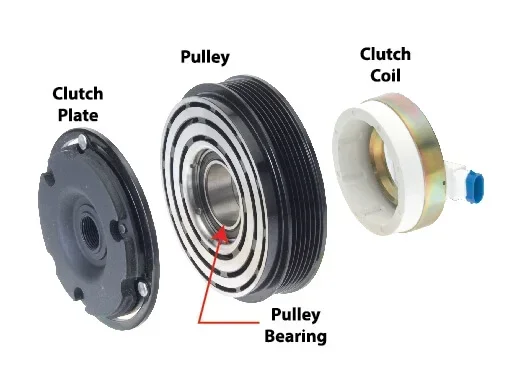
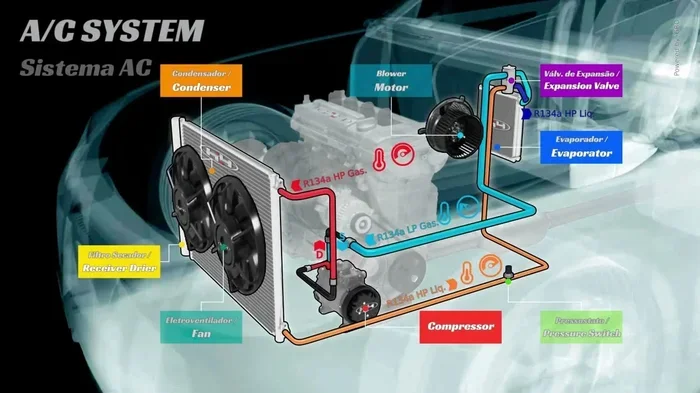
The AC compressor is often called the heart of your air conditioning system. It plays a vital role in the cooling process by circulating refrigerant through the indoor and outdoor units. Without a working compressor, your cooling system cannot produce cold air.
Here is how it works in simple terms:
- The compressor pulls in warm refrigerant gas from inside your home.
- It compresses that gas, raising its temperature and pressure.
- The hot, high-pressure gas moves to the outdoor unit.
- Heat is released outside, and the refrigerant cools down.
- The cooled refrigerant returns indoors to absorb more heat.
This cycle repeats over and over to maintain a comfortable temperature. If any part of this process breaks down, your central air conditioner will struggle to keep up. That is why taking care of your compressor matters so much.
Most compressors last between 12 and 15 years with proper care. However, age, wear, and lack of maintenance can shorten that lifespan. Understanding the common causes of compressor failure can help you spot trouble early.
Common Causes of Compressor Failure
Several factors can lead to a failing compressor. Knowing these causes helps you take preventive action:
- Dirty condenser coils: Dust and debris build up on the outdoor unit, forcing the compressor to work harder.
- Low refrigerant levels: Leaks in the system reduce refrigerant, causing the compressor to overheat.
- Electrical problems: Faulty wiring or power surges can damage the compressor motor over time.
- Blocked suction lines: Obstructions in the refrigerant lines create pressure imbalances that strain the compressor.
- Contaminants: Dirt, moisture, or acids inside the system can corrode internal components.
- Insufficient lubrication: Without proper oil levels, moving parts grind and wear out faster.
Many of these issues are preventable with regular AC maintenance. A professional HVAC technician can catch small problems before they turn into expensive repairs.
Signs Your AC Compressor Needs Replacement
Catching compressor problems early can save you from a complete system breakdown. Here are the most common warning signs to watch for:
1. Warm Air Coming From Vents
This is the most obvious sign. If your air conditioning compressor is not working properly, it cannot cool the refrigerant. As a result, warm air blows through your vents even when the system is running. You might notice this happens gradually at first, then gets worse over time.
2. Strange Noises From the Outdoor Unit
A healthy compressor makes a steady humming sound. If you hear grinding, squealing, or banging noises, something is wrong. These sounds often indicate internal damage or loose components. Ignoring them can lead to a full compressor failure.
3. Frequent On-and-Off Cycling
Your AC should cycle on and off at regular intervals. If the system turns on and off constantly, the compressor may be struggling. This short cycling puts extra stress on the unit and drives up your energy bills.
4. Tripping Circuit Breakers
If your AC repeatedly trips the circuit breaker, the compressor may be drawing too much electricity. This is a serious warning sign. It could mean the motor is overheating or there is an electrical fault inside the unit.
5. Visible Damage or Leaks
Check the outdoor unit for oil stains, refrigerant leaks, or physical damage. Any of these issues can impair compressor performance. A professional inspection can confirm whether the compressor itself is the source of the problem.
6. Age of the Unit
If your AC unit is over 12 years old and the compressor fails, replacement is often the most practical option. Repairing an old compressor may cost nearly as much as installing a new unit. In these cases, compressor replacement makes more financial sense than repeated repairs.
AC Compressor Replacement Cost Breakdown
The cost of a/c compressor replacement varies depending on several factors. Understanding what drives the price helps you budget and avoid surprises.
Factors That Affect Replacement Cost
- Unit size and capacity: Larger systems require more expensive compressors.
- Compressor type: Scroll compressors, reciprocating compressors, and rotary compressors each have different price points.
- Labor costs: Installation complexity and local labor rates play a big role.
- Refrigerant type: Older systems may use refrigerants that are harder to source or more expensive.
- Additional repairs: If other components are damaged, the total cost goes up.
On average, homeowners can expect to pay between $1,000 and $3,000 for a compressor replacement. This includes both the part and professional labor. If the compressor is still under warranty, your out-of-pocket cost may be much lower.
| Component | Estimated Cost Range |
|---|---|
| Compressor Part Only | $400 – $1,200 |
| Labor for Installation | $400 – $1,500 |
| Refrigerant Recharge | $100 – $300 |
| Total Replacement Cost | $1,000 – $3,000 |
Keep in mind that these are average estimates. Your actual cost depends on your specific situation. Always get a detailed quote from a licensed professional before proceeding.
One thing many homeowners overlook is the cost of powering backup cooling during the replacement process. If you rely on a portable generator or backup system while your cooling system is down, that adds to the total expense. Understanding how much a home generator costs can help you plan for these situations.
How the AC Compressor Replacement Process Works
Knowing what happens during a/c compressor replacement helps you feel more comfortable and prepared. The process typically follows these steps:
Step 1: System Inspection and Diagnosis
A professional technician starts by thoroughly inspecting your entire cooling system. They check refrigerant levels, electrical connections, and the condition of surrounding components. This step confirms whether the compressor truly needs replacement or if a simpler repair might fix the problem.
Step 2: Refrigerant Recovery
Before removing the old compressor, the technician must safely recover the refrigerant. This is a regulated process because refrigerants can harm the environment if released improperly. Specialized equipment captures and stores the refrigerant for proper recycling or reclamation.
Step 3: Removing the Old Compressor
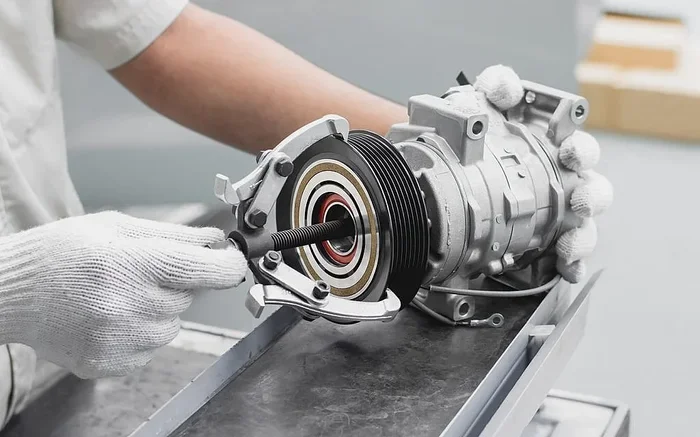
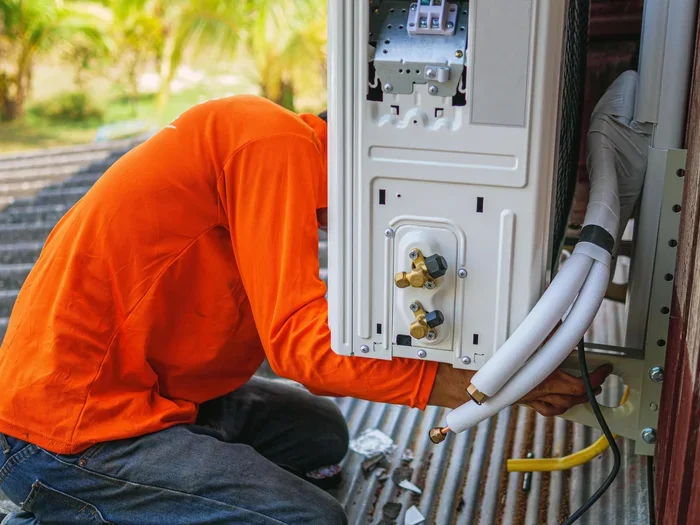
The technician disconnects electrical connections, refrigerant lines, and mounting hardware. The old compressor is carefully removed from the unit. This step requires precision and care to avoid damaging other parts of the system.
Step 4: Installing the New Compressor
The new compressor is mounted in place and connected to the refrigerant lines and electrical system. The technician ensures all connections are secure and properly sealed. Proper installation is critical for long-term performance and efficiency.
Step 5: Evacuation and Recharging
After installation, the system is evacuated to remove any air or moisture from the lines. Then fresh refrigerant is added to the correct charge level. This step requires accuracy because too much or too little refrigerant affects performance.
Step 6: Testing the System
The final step is running the system and checking for proper operation. The technician monitors cooling performance, checks for leaks, and verifies that the compressor is running smoothly. A successful test means your air conditioning compressor is ready to keep your home cool.
Quick Tip: Always hire a licensed and insured professional for compressor replacement. DIY attempts can void warranties, create safety hazards, and lead to costly mistakes.
During hot weather, having no AC for even a day can be uncomfortable. Some homeowners prepare by ensuring their backup power options are ready. If you already have a generator, you may want to check how to start a generator to make sure it runs when you need it most. For those considering a new backup system, how much a generator for a house costs gives you a good baseline for planning.
How to Choose the Right Compressor for Your System
Not all compressors are the same. Choosing the right one for your HVAC system ensures optimal performance and longevity. Here are the key factors to consider:
Match the Compressor to Your Unit
The replacement compressor must match the specifications of your existing air conditioner. This includes the unit’s tonnage, refrigerant type, and electrical requirements. Using the wrong compressor can damage other components and reduce efficiency.
Consider Compressor Type
There are several types of compressors used in residential AC systems:
- Reciprocating compressors: Common in smaller units, reliable, and affordable.
- Scroll compressors: Quieter and more efficient, popular in modern systems.
- Rotary compressors: Compact and smooth-running, often used in ductless systems.
- Scroll-rotary hybrids: Combine the benefits of both designs for high efficiency.
Your technician can recommend the best type based on your unit and cooling needs.
Check Warranty Coverage
Many compressors come with warranties that range from 5 to 10 years. Some manufacturers offer lifetime warranties on specific models. Always verify warranty terms before purchasing a replacement compressor. This can save you significant money if problems arise down the road.
Energy Efficiency Matters
A new compressor can improve your system’s overall energy efficiency. Look for units with high SEER ratings. An efficient air conditioning compressor keeps your home cooler while using less electricity. Over time, this can lead to noticeably lower energy bills.
Preventing Future Compressor Problems
The best way to deal with compressor issues is to prevent them from happening in the first place. Regular maintenance and smart habits go a long way toward protecting your cooling system.
Schedule Annual Professional Maintenance
A yearly tune-up by a professional HVAC technician keeps your system running at peak performance. During a maintenance visit, the technician cleans coils, checks refrigerant levels, inspects electrical connections, and lubricates moving parts. This proactive approach catches small issues before they become big problems.
Keep the Outdoor Unit Clean
The outdoor unit is exposed to dirt, leaves, and debris. Regularly clean the area around the unit and remove any obstructions. Clean condenser coils allow the system to release heat efficiently, reducing the workload on the compressor.
Monitor Refrigerant Levels
Low refrigerant is one of the leading causes of compressor failure. If you notice your system is not cooling as well as it used to, have a technician check for leaks. Maintaining proper refrigerant levels protects the compressor and improves cooling performance.
Use a Surge Protector
Power surges can damage the compressor motor. Installing a surge protector or a whole-house surge suppression system adds a layer of protection. This simple step can extend the life of your air conditioning compressor and other sensitive components.
Change Filters Regularly
Clogged air filters restrict airflow, forcing the system to work harder. Replace your filters every 1 to 3 months during heavy use. Clean filters improve airflow, reduce strain on the compressor, and help maintain good indoor air quality.
Do Not Ignore Warning Signs
If you notice any of the warning signs mentioned earlier, address them promptly. Delaying repairs can turn a small issue into a complete compressor failure. Early action saves money and keeps your home comfortable.
Some homeowners also prepare for extended cooling outages by investing in backup power solutions. Having a reliable power source ensures your home stays cool even during AC repairs or replacements. Learning about how many watts a generator needs to run a house helps you select the right backup system for your needs.
When to Replace the Entire Unit Instead of Just the Compressor
Sometimes a/c compressor replacement is not the best option. Here are situations where replacing the entire unit makes more sense:
- The unit is over 15 years old: Other components are likely worn out too.
- The system uses R-22 refrigerant: This older refrigerant is being phased out and is expensive to recharge.
- Multiple components have failed: Replacing several parts adds up to the cost of a new unit.
- Your energy bills keep rising: An old, inefficient system costs more to run than a new one.
- The compressor failure was caused by internal contamination: Debris may have spread to other parts of the system.
A professional technician can help you evaluate whether replacement or a full unit swap is the smarter investment. They will consider your budget, the age of your system, and long-term energy savings.
If you are exploring alternative cooling solutions or backup options, understanding your choices is important. Some homeowners look into portable or window units for temporary relief. Others research permanent solutions like connecting a generator to the house without a transfer switch for emergency cooling power. Each option has its pros and cons, and a professional can guide you to the best choice for your situation.
Also, if you are curious about how much power your cooling system draws or what fuels your backup options, articles like how much propane a generator uses provide useful context for managing home energy costs during outages.
Conclusion
A/c compressor replacement is a significant investment, but it is often necessary to keep your home comfortable and your cooling system running efficiently. By recognizing the warning signs early, understanding the replacement process, and choosing the right professional for the job, you can navigate this repair with confidence.
Remember that prevention is your best tool. Regular maintenance, clean filters, proper refrigerant levels, and surge protection all contribute to a longer compressor lifespan. When the time comes for replacement, make sure you choose a compressor that matches your system and comes with a solid warranty.
Do not ignore the signs of a failing compressor. The longer you wait, the more damage it can cause to your entire cooling system. Take action at the first sign of trouble, and your air conditioning compressor will reward you with years of reliable performance.
Stay proactive, stay informed, and keep your home cool no matter how hot it gets outside. Your compressor replacement journey starts with the right knowledge, and now you have it.
Frequently Asked Questions
How long does AC compressor replacement take?
Most professional replacements take between 4 and 8 hours, depending on the complexity of the job. If other components need to be replaced at the same time, it may take longer. A licensed technician can give you a more accurate time estimate after inspecting your unit.
Can I replace an AC compressor myself?
It is strongly recommended to hire a professional. Compressor replacement involves handling refrigerant, electrical connections, and specialized tools. DIY attempts can be dangerous, may void your warranty, and often lead to improper installation that causes further problems.
How long does a new AC compressor last?
A new compressor typically lasts between 12 and 15 years. However, its lifespan depends on how well you maintain the system, how often you use the AC, and whether the installation was done correctly. Regular AC maintenance is the key to maximizing its life.
Is compressor replacement covered by warranty?
Many compressors come with a parts warranty that ranges from 5 to 10 years. Some manufacturers offer extended or lifetime warranties. Check your unit’s documentation and contact the manufacturer to confirm your coverage. Professional installation is usually required to keep the warranty valid.
What happens if I delay compressor replacement?
Delaying replacement can cause the compressor to fail completely, leaving you without cooling. It can also damage other components like the condenser fan and refrigerant lines. The longer you wait, the more expensive the repair becomes. Acting quickly saves money and keeps your home comfortable.
How can I lower the cost of compressor replacement?
You can lower costs by checking your warranty coverage, getting multiple quotes from licensed technicians, and scheduling the replacement during the off-season when demand is lower. Some companies also offer financing options that make the upfront cost more manageable.