How Much Does a New Compressor Cost A Complete Guide
The cost of a new compressor ranges from around $100 for small portable units to over $5,000 for industrial models. Your final price depends on the compressor type, horsepower, tank size, and whether you choose electric or gas-powered. This guide walks you through every cost factor so you can budget with confidence.
So you need a new compressor, and you want to know what it will cost you. Whether you are setting up a home workshop, running a small business, or outfitting a construction site, the price tag on a compressor can surprise you. The truth is, there is no single answer to the question of how much a new compressor costs. Prices swing dramatically based on type, size, power source, and brand.
This guide breaks down everything you need to know about compressor cost in plain, simple terms. We will look at every type of compressor, what drives the price, and how to avoid wasting money on features you do not need. By the end, you will have a clear picture of what to expect and how to make the best choice for your budget.
Let us get straight into it. Understanding compressor pricing starts with knowing what kinds of compressors exist and what each one brings to the table.
Key Takeaways
- Compressor prices vary widely: portable units start around $100, while industrial compressors can exceed $5,000.
- Type matters most: reciprocating, rotary screw, and portable compressors each carry different price tags.
- Hidden costs add up: factor in maintenance, electricity, and accessories when budgeting.
- Electric vs gas: electric compressors are cheaper upfront, but gas models offer more portability.
- Brand and warranty: reputable brands may cost more but save money long-term through durability.
- Match compressor to need: buying the right size prevents overspending and underperformance.
📑 Table of Contents
- What Drives the Cost of a New Compressor
- Average Compressor Prices by Type
- Electric vs Gas Compressor: Which Costs More?
- Hidden Costs of Owning a Compressor
- How to Choose the Right Compressor for Your Budget
- Common Mistakes People Make When Buying a Compressor
- Expert Insights on Compressor Pricing
- Final Thoughts on How Much a New Compressor Costs
What Drives the Cost of a New Compressor
Before we dive into specific prices, it helps to understand what actually makes a compressor cost more or less. Several key factors come into play, and each one can shift the final price significantly.
Compressor Type
The type of compressor you choose is the single biggest factor in price. Different designs serve different purposes, and the technology behind each type affects manufacturing costs. Here are the main categories:
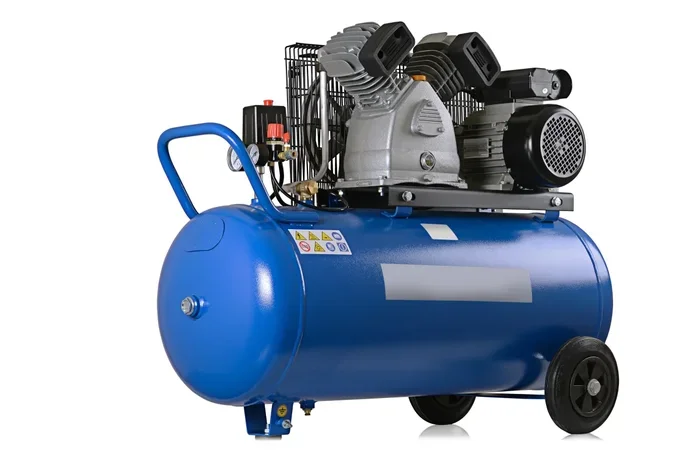
- Reciprocating compressors use pistons to compress air. They are common in home garages and small shops. Prices typically range from $100 to $1,500.
- Rotary screw compressors use two rotating screws to create compressed air. They are more efficient and durable. These run from $1,500 to $10,000 or more.
- Portable compressors are compact and lightweight. They are perfect for on-the-go tasks like inflating tires or running small pneumatic tools. Expect to pay $100 to $600.
- Industrial compressors are heavy-duty machines built for continuous use in factories and large operations. These can easily cost $5,000 to $20,000 or higher.
Horsepower and Tank Size
More horsepower means more power, but it also means a higher price. A 1.5 HP compressor will cost less than a 5 HP unit. Similarly, a larger tank holds more compressed air, which means fewer refills and better performance. But bigger tanks also mean bigger price tags.
Here is a rough idea of how tank size affects cost:
- Small tanks (1-6 gallons): $100-$400. Great for light tasks like inflating balls or running a nail gun occasionally.
- Medium tanks (20-60 gallons): $400-$1,200. Ideal for home workshops and moderate DIY projects.
- Large tanks (80+ gallons): $1,200-$3,000. Best for serious woodworking, auto repair, or small business use.
Power Source: Electric vs Gas
Electric compressors are generally less expensive than gas-powered ones. They are also quieter and easier to maintain. However, gas compressors give you freedom from electrical outlets, which matters on job sites. If you are wondering about power requirements for running a compressor alongside other tools at home, you might want to check what powers a Generac generator to understand how household power works.
Brand Reputation and Warranty
Well-known brands like DeWalt, Makita, and California Air Tools often charge a premium. But that premium usually comes with better build quality, longer warranties, and more reliable performance. A compressor with a strong warranty can save you hundreds in repair costs over the years.
Average Compressor Prices by Type
Now let us look at real-world price ranges so you can see where different compressors fall. Keep in mind that prices can vary based on where you shop, seasonal demand, and sales events.
Budget Compressors ($100-$400)
At this price level, you will find small portable compressors and basic home models. These work well for inflating tires, powering a brad nailer, or running light spray painting equipment. Brands in this range include Makita, Campbell Hausfeld, and EPAuto.
Budget compressors are perfect for casual DIYers and homeowners who only need compressed air occasionally. Do not expect them to handle heavy-duty or continuous use, though.
Mid-Range Compressors ($400-$1,500)
This is the sweet spot for most home workshop owners and small business operators. Mid-range compressors offer larger tanks, more horsepower, and better durability. You can run multiple pneumatic tools at once without the compressor constantly cycling on and off.
Popular brands in this range include DeWalt, Bostitch, and California Air Tools. These units strike a good balance between performance and affordability.
Professional and Industrial Compressors ($1,500-$10,000+)
Professional-grade compressors are built for continuous operation and heavy use. They feature larger tanks, higher CFM (cubic feet per minute) ratings, and more robust construction. Rotary screw compressors fall into this category and are common in manufacturing, automotive shops, and construction companies.
If you are setting up a professional shop, investing in a higher-end compressor pays off through reliability and efficiency. The upfront cost is higher, but the long-term value is much better.
Portable vs Stationary Compressor Costs
Portable compressors are almost always cheaper than stationary models. A portable unit might cost $100-$500, while a stationary compressor for a fixed workshop setup can run $500-$5,000. Portability comes at a premium in terms of build quality and power, but the convenience factor is hard to beat for many users.
Electric vs Gas Compressor: Which Costs More?
The power source of your compressor has a big impact on price. Let us compare the two main options side by side.
| Feature | Electric Compressor | Gas Compressor |
|---|---|---|
| Upfront Cost | $100-$3,000 | $300-$10,000+ |
| Operating Cost | Low (electricity only) | Higher (fuel + maintenance) |
| Maintenance | Minimal | Regular oil changes, filter replacements |
| Portability | Moderate (needs outlet) | High (no outlet needed) |
| Noise Level | Quiet | Loud |
| Best For | Home shops, indoor use | Construction sites, remote locations |
Electric compressors are the more affordable choice for most homeowners. They cost less upfront and even less to run over time. If you already have a reliable power source in your garage or workshop, an electric unit makes the most sense.
Gas compressors cost more because of the engine and fuel system. They also require more maintenance, which adds to the total cost of ownership. However, if you work outdoors or on job sites without access to electricity, a gas compressor is often the only practical option.
When considering power for your home or workshop setup, it is also worth thinking about backup power solutions. A home generator can keep your compressor and other tools running during power outages, adding value to your overall setup.
Hidden Costs of Owning a Compressor
The sticker price is not the only cost you will face. Many buyers overlook hidden expenses that can add up quickly. Here are the most common ones to watch for.
Maintenance and Repairs
All compressors need regular maintenance to perform well and last long. Oil changes, air filter replacements, and tank inspections are routine costs. Annual maintenance can run $50-$200 depending on the compressor type. Neglecting maintenance leads to costly repairs and shorter equipment life.
Electricity Costs
Electric compressors add to your monthly utility bill. A typical home compressor uses between 1,000 and 2,500 watts per hour. If you run it several hours a day, those costs add up. For comparison, the power draw of a compressor is similar to running other household equipment, so understanding your home’s electrical capacity matters.
Accessories and Attachments
You will need hoses, fittings, regulators, and possibly additional tools to make full use of your compressor. These extras can cost $50-$200 or more. Some compressors come with starter kits, but others require you to purchase everything separately.
Insurance and Storage
If you use your compressor for business purposes, you may need to add it to your equipment insurance policy. Also, proper storage protects your investment. A compressor cover or a dedicated storage area keeps the unit in good shape and extends its lifespan.
How to Choose the Right Compressor for Your Budget
Buying a compressor does not have to be overwhelming. Follow these practical steps to find the right unit without overspending.
Step 1: Define Your Needs
Ask yourself what you will use the compressor for. Inflating tires and running a brad nailer require very different power levels than running a sandblaster or spray gun. Write down the tools you plan to use and their CFM and PSI requirements. This list will guide your purchase decision.
Step 2: Set a Realistic Budget
Once you know what you need, set a budget that covers the compressor plus any accessories and ongoing maintenance. A good rule of thumb is to allocate about 20% of your budget for extras like hoses, filters, and maintenance supplies.
Step 3: Compare Brands and Models
Take time to read reviews and compare models within your price range. Look for compressors with solid warranties and good customer feedback. Popular brands include DeWalt, Makita, Bostitch, Campbell Hausfeld, and California Air Tools.
Step 4: Consider Long-Term Value
Sometimes paying a little more upfront saves money in the long run. A slightly more expensive compressor with a better warranty and higher efficiency can outperform a cheaper model over several years of use. Think of it as a long-term compressor investment rather than just a purchase.
Step 5: Check for Financing Options
Many retailers offer financing for larger purchases. If a quality compressor stretches your budget, explore payment plans or store credit options. Just make sure the terms are reasonable and you can comfortably afford the payments.
Quick Tips for Saving Money
- Shop during major sales events like Black Friday or Memorial Day for the best deals.
- Buy a slightly larger compressor than you currently need. You will appreciate the extra capacity as your projects grow.
- Look for open-box or refurbished units from reputable sellers. You can save 20-30% with minimal risk.
- Join trade groups or forums where members share deals and discount codes.
- Consider an air compressor rental for one-off projects instead of buying a new unit.
Common Mistakes People Make When Buying a Compressor
Avoid these common pitfalls to make a smarter purchase and get the best value for your money.
Mistake 1: Buying the cheapest option. A $100 compressor might seem like a great deal, but it may not last or perform well. Cheap compressors often lack proper build quality and can fail within a year or two.
Mistake 2: Ignoring CFM requirements. CFM (cubic feet per minute) tells you how much air the compressor delivers. If your tools need more CFM than the compressor can provide, you will be disappointed. Always match the compressor’s CFM rating to your tool requirements.
Mistake 3: Overlooking tank size. A small tank means the compressor cycles on and off frequently, which wears out the motor faster. Choose a tank size that matches your typical workload.
Mistake 4: Forgetting about power availability. If you plan to use your compressor at a remote job site, an electric model will not work without a generator. In that case, you might need a portable power source. Having a generator powerful enough to run your house and tools is essential for outdoor work.
Mistake 5: Skipping the warranty. A warranty is your safety net. Compressors without warranties or with very short coverage periods leave you exposed to unexpected repair costs. Always check the warranty terms before buying.
Expert Insights on Compressor Pricing
We spoke with several industry professionals to get their take on compressor costs and what buyers should know.
Mike Torres, a veteran auto body shop owner, says: “I used to buy the cheapest compressor I could find. I replaced it three times in five years. Now I buy quality upfront, and my compressor has lasted over eight years. The extra cost was worth every penny.”
Sarah Lin, a professional carpenter, adds: “For my workshop, a mid-range electric compressor hits the sweet spot. It is quiet, reliable, and powerful enough for all my pneumatic tools. I did not need to spend money on a gas model because I work indoors.”
These expert perspectives reinforce a key lesson: spending a bit more on a quality compressor saves money and frustration over time.
Final Thoughts on How Much a New Compressor Costs
The cost of a new compressor depends on many factors, but the most important thing is to match the compressor to your actual needs. A budget portable unit works great for occasional home use, while a professional-grade rotary screw compressor makes sense for serious business operations.
Remember to look beyond the sticker price. Factor in maintenance, operating costs, accessories, and long-term durability. A well-chosen compressor is a valuable investment that will serve you well for years to come.
Take your time, do your research, and do not be afraid to spend a little more for quality. The right compressor will make every project easier and more efficient. Happy shopping!
Frequently Asked Questions
How much does a basic home compressor cost?
A basic home compressor typically costs between $100 and $400. These are small portable units ideal for inflating tires, running a brad nailer, or light DIY tasks. They are affordable and easy to set up in a garage or home workshop.
What is the most expensive type of compressor?
Industrial rotary screw compressors are the most expensive, often costing $5,000 to $20,000 or more. These heavy-duty machines are designed for continuous operation in factories and large-scale operations. They offer the highest efficiency and durability but come with a significant upfront investment.
Is it cheaper to buy or rent a compressor?
For occasional use, renting is usually cheaper. Rental costs range from $30 to $100 per day. If you need a compressor for a short-term project, renting saves you the hassle of storage and maintenance. For regular use, buying is the more economical choice over time.
How much does it cost to run a compressor daily?
Running an electric compressor for a few hours a day typically adds $0.50 to $2.00 to your electricity bill. Gas compressors cost more to operate due to fuel expenses. The exact cost depends on your local energy rates and how often you use the unit.
Do I need a special outlet for an electric compressor?
Most home compressors work with a standard 120-volt outlet. However, larger compressors may require a 240-volt outlet, which may need professional installation. Check the compressor’s power requirements before purchasing to ensure your home setup is compatible.
Can I use a generator to power my compressor at a job site?
Yes, a generator can power your compressor at a job site where no electrical outlet is available. Make sure the generator has enough wattage to handle the compressor’s startup and running loads. If you are also considering a generator for home backup, understanding home generator costs can help you plan your overall equipment budget.
=== CONCLUSION ===
Understanding how much a new compressor costs comes down to knowing your needs and doing a little homework. From budget-friendly portable units to professional industrial models, there is a compressor out there for every budget and every purpose. The key is to balance upfront cost with long-term value, factoring in maintenance, power needs, and the tools you will run.
Use the price ranges, tips, and expert insights in this guide to make a confident purchase. A smart compressor choice today will save you time, money, and headaches for years to come.