How to Use an Air Compressor to Fill a Tire Properly
Filling your tire with an air compressor is simple, fast, and saves you a trip to the gas station. This guide walks you through every step, from checking your current pressure to hitting the right PSI. Whether you use a portable unit at home or a larger compressor in your garage, you will learn the safe and effective way to get your tires road-ready.
There is nothing worse than driving down the road and feeling a soft, squishy tire under your car. Maybe you noticed it during a morning commute, or perhaps a nail on the highway left you losing air fast. Either way, an air compressor can be your best friend in that moment. Using an air compressor to fill a tire is one of the easiest automotive skills you can learn.
You do not need to be a mechanic. You do not need expensive tools. A basic compressor, a few minutes of your time, and this guide are all you need. We will walk you through the entire process, from understanding your tire pressure to safely topping off your tires and keeping your compressor in great shape.
Whether you own a small portable unit for emergencies or a larger garage compressor, the steps are essentially the same. The key is doing it correctly and safely. Overinflated tires are just as dangerous as underinflated ones. So let us get into it and make sure you handle this job like a pro.
Key Takeaways
- Know Your PSI: Always check your vehicle’s recommended tire pressure before you start filling.
- Safety First: Never overinflate. Use a pressure gauge and set limits on your compressor.
- Use the Right Attachments: A compatible hose and nozzle make the job faster and safer.
- Check Pressure Regularly: Tires lose air over time. Make it a monthly habit.
- Maintain Your Compressor: Drain moisture and keep the hose clean for long-lasting performance.
- Cold Tires Matter: Always check and fill tires when they are cool for the most accurate reading.
📑 Table of Contents
Why Proper Tire Inflation Matters
Before we jump into the how-to, let us talk about why this matters. Tire pressure affects everything from fuel economy to safety. A tire that is even slightly low can cause problems you might not notice right away.
Fuel Efficiency and Tire Wear
Underinflated tires create more rolling resistance. That means your engine has to work harder. More work means more fuel burned. Studies show that tires low by just 10 PSI can reduce fuel economy by up to 1.5%. Over time, that adds up at the pump.
Uneven tire wear is another big issue. Soft tires wear out faster on the outer edges of the tread. This means you replace tires sooner than you should. Proper inflation keeps your tread wearing evenly, which extends the life of your tires significantly.
Safety on the Road
An underinflated tire generates more heat. Heat builds up during driving, and that can lead to blowouts. A blowout at highway speed is extremely dangerous. On the other side, overinflated tires have a smaller contact patch. They ride harder and are more vulnerable to punctures from road debris.
The right pressure keeps your handling predictable. Your car steers well, brakes properly, and grips the road in wet conditions. Proper tire inflation is one of the simplest things you can do for safety.
What You Need Before You Start
Gathering your tools before you start makes the process smooth and frustration-free. Here is everything you will need to fill a tire with an air compressor.
Essential Tools and Equipment
- Air compressor: A portable 12V compressor works great for emergencies. A larger home compressor fills tires faster and handles bigger jobs.
- Tire pressure gauge: A digital gauge gives the most accurate reading. Analog gauges work too, but they can be less precise.
- Compressed air hose: Make sure the hose reaches your tires comfortably. Most compressors come with one included.
- Valve core tool (optional): Helpful if you need to add or replace valve stems.
- Vehicle owner manual: This tells you the exact recommended PSI for your specific tires.
Finding Your Recommended PSI
Your vehicle does not use a one-size-fits-all tire pressure. The right PSI depends on the make, model, and tire size. You can find this information in a few places.
Check the driver-side door jamb. There is usually a sticker there with the recommended pressure. You can also look in your owner manual. Some vehicles list different pressures for front and rear tires, so make sure you check both sides.
Never use the number printed on the tire sidewall. That number is the maximum pressure the tire can handle, not the recommended pressure for your vehicle. Using the wrong number can lead to overinflation, which is just as risky as underinflation.
Step-by-Step Guide to Filling Your Tire
Now for the part you have been waiting for. Here is the complete process to use an air compressor to fill a tire properly. Follow these steps in order for the best results.
Step 1: Check Current Tire Pressure
Before you add any air, find out what your tire pressure currently is. Remove the valve cap from the tire stem. Press your pressure gauge firmly onto the valve. Read the number and write it down.
Do this for all four tires. You may find that some need more air than others. This is normal, especially if you drive a lot or have been dealing with temperature changes.
Step 2: Park Your Vehicle Safely
Move your car to a flat, stable surface. Turn off the engine and engage the parking brake. If you are using a portable compressor, make sure it is plugged into a powered outlet or connected to a portable power source.
If you plan to use a generator to power your compressor during a power outage or while camping, make sure you know how to start a generator properly first. Always place the generator outdoors in a well-ventilated area to avoid carbon monoxide buildup.
Step 3: Connect the Compressor Hose
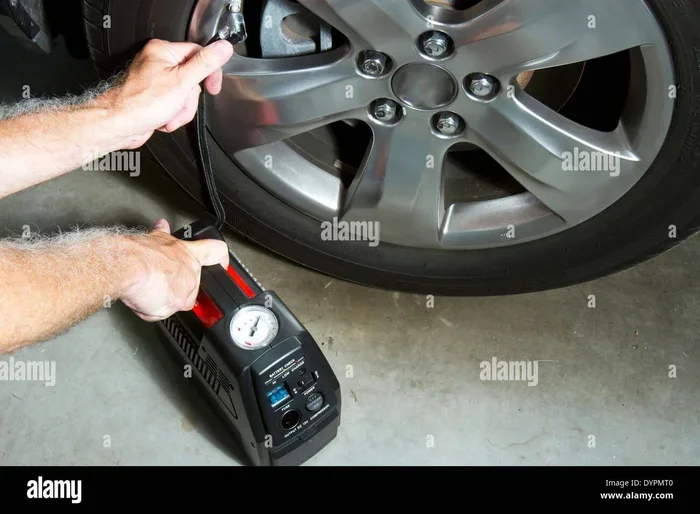
Plug the air hose into the compressor outlet. Then attach the nozzle to the tire valve stem. You should hear a slight click when it seats properly. If air is escaping around the nozzle, press it on more firmly or check for debris on the valve stem.
Most compressors have a quick-connect fitting that makes this step easy. Just push it on until it locks into place.
Step 4: Turn On the Compressor
Power on the compressor and let it build pressure. Listen for the motor running. Watch the pressure gauge on the compressor itself if it has one. You want to add air steadily and not rush the process.
If you are using a generator to power the compressor, check that the generator can handle the load. The wattage matters here. You can learn more about how many watt generator do I need to make sure your setup is powerful enough for the job.
Step 5: Monitor the Pressure as You Fill
This is the most important step. Keep your hand on the pressure gauge or watch the readings closely. Add air in short bursts. Check the pressure after each burst.
Stop filling as soon as you reach the recommended PSI. It is better to add a little at a time than to overinflate. Remember, you can always add more air, but you cannot easily remove it.
Step 6: Disconnect and Replace the Valve Cap
Once you hit the right pressure, turn off the compressor. Disconnect the hose from the valve stem carefully. You may hear a small hiss of air, and that is normal. Replace the valve cap right away to keep dirt and moisture out.
Do a final check with your gauge to confirm the pressure is correct. Now repeat the process for any other tires that need air.
Common Mistakes People Make When Filling Tires
Even a simple task like filling a tire can go wrong if you are not careful. Here are the most common mistakes and how to avoid them.
Overinflating the Tire
This is the number one mistake people make. They get excited and keep adding air past the recommended PSI. Overinflated tires feel rock hard and give you a harsh ride. More importantly, they reduce your traction and increase the risk of a blowout.
Always set a mental limit before you start. If your compressor does not have an automatic shutoff, pay extra attention to the gauge.
Filling Tires While They Are Hot
Tire pressure rises when tires are warm. If you just drove five miles and then try to fill your tires, you will get a falsely high reading. The air inside is already expanded from heat.
Wait at least 30 minutes after driving before you check and fill. The best time to check tire pressure is in the morning before you drive anywhere. This gives you the most accurate baseline.
Ignoring the Compressor Duty Cycle
Not all compressors are built for continuous use. The duty cycle tells you how long the compressor can run before it needs to cool down. Running a compressor past its duty cycle can overheat the motor and shorten its lifespan.
For most home compressors, the duty cycle is around 50%. That means if you run it for 5 minutes, let it rest for 5 minutes. Portable 12V compressors are usually designed for shorter bursts, which is perfect for tire inflation.
Choosing the Right Air Compressor for Tire Filling
Not all compressors are created equal when it comes to filling tires. Here is a quick look at your options.
| Type | Best For | Pros | Cons |
|---|---|---|---|
| Potable 12V Compressor | Emergency tire fills on the road | Compact, easy to store, plugs into cigarette lighter | Slower fill rate, limited tank size |
| Small Home Compressor | Regular tire maintenance at home | Faster fill, more durable, higher PSI capacity | Takes up garage space, heavier |
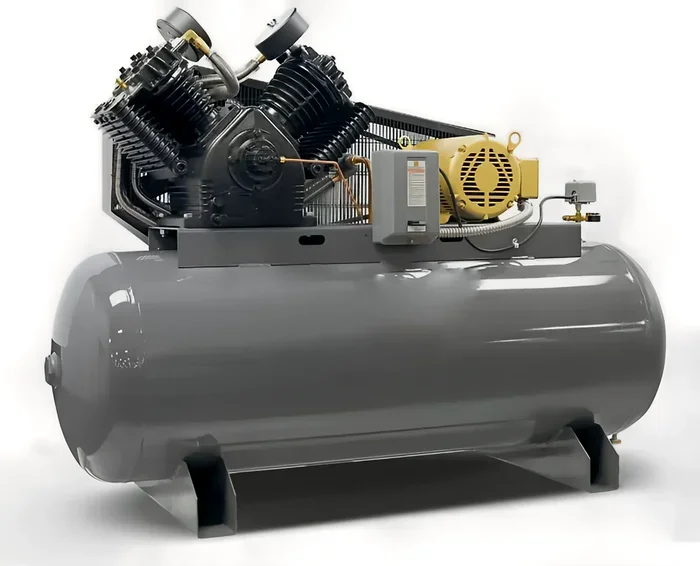
| Large Stationary Compressor | Filling multiple tires or large vehicles (SUVs, trucks) | Powerful, fast, handles heavy-duty jobs | Expensive, bulky, needs dedicated space |
For most homeowners, a small to medium compressor is the sweet spot. It handles tire fills quickly and can double as a tool for inflating sports equipment, air mattresses, and more. If you live in an area prone to power outages, consider how your compressor setup works with a backup generator. You might want to understand how to connect a generator to your house without transfer switch for emergency power scenarios.
Expert Tips for Getting the Best Results
Here are some pro tips that will make your tire-filling experience smoother and safer.
Keep a Tire Pressure Gauge in Your Glove Box
Do not rely only on the compressor’s built-in gauge. Those gauges can be inaccurate. A standalone digital gauge costs under $15 and gives you reliable readings every time. Check your tires at least once a month, even if nothing feels wrong.
Understand Cold Weather Effects
Air pressure drops in cold weather. For every 10-degree drop in temperature, your tire pressure can decrease by about 1 PSI. If you live in a cold climate, check your tires more frequently during winter months.
Know How Your Compressor Works
Understanding the basics of your equipment helps you use it better. If you are curious about how compressors actually produce pressurized air, learning how does a generator work can give you a helpful foundation on powered mechanical systems. Both generators and compressors convert energy into usable output, and knowing the principles helps you troubleshoot issues faster.
Keep Your Compressor Maintained
Drain the moisture trap after every use. Check hoses for cracks or leaks. Store the compressor in a clean, dry place. A well-maintained compressor lasts for years and performs better every time you use it.
Use the Right Power Source
If you are running your compressor off a generator, make sure the generator is properly sized. An underpowered generator may struggle to keep the compressor running at full capacity. For home installations, you might also explore how much is a home generator if you want a permanent backup solution for powering tools and compressors during outages.
Key Takeaways
- Check your recommended PSI in your owner manual or on the driver-side door jamb before you start.
- Always measure cold tire pressure for the most accurate reading.
- Add air in short bursts and monitor the gauge constantly to avoid overinflation.
- Use the right attachments and make sure the hose nozzle seats properly on the valve stem.
- Maintain your compressor by draining moisture and inspecting hoses regularly.
- Know your compressor’s duty cycle and never run it continuously beyond its rated time.
- Check all four tires even if only one feels low. Pressure can vary from tire to tire.
Conclusion
Using an air compressor to fill a tire is one of the simplest and most useful skills you can have. It takes just a few minutes, requires minimal tools, and keeps you safe on the road. Once you do it a couple of times, it becomes second nature.
Remember the key points: know your PSI, check pressure when tires are cold, add air slowly, and never overinflate. Keep your compressor well-maintained and store it properly. These small habits make a big difference over time.
Your tires are the only part of your car that touches the road. Treating them right starts with keeping them properly inflated. Grab your compressor, check those tires, and enjoy the peace of mind that comes with knowing your vehicle is road-ready.
Frequently Asked Questions
Can I use any air compressor to fill my car tires?
Most air compressors can fill car tires, but the speed and efficiency vary. A portable 12V compressor works well for emergencies, while a larger home compressor fills tires faster and more comfortably. Just make sure your compressor can reach at least 35 PSI, which covers most passenger vehicles.
How do I know when to stop adding air to my tire?
Stop adding air as soon as your pressure gauge matches the recommended PSI listed on your driver-side door jamb. Overinflating is just as dangerous as underinflating. Always check the pressure in short bursts rather than filling continuously.
Is it safe to fill tires using a generator-powered compressor?
Yes, it is safe as long as you follow proper generator safety practices. Place the generator outdoors in a ventilated area, ensure it is properly grounded, and confirm it can handle the compressor’s power draw. If you are new to using generators, review how to start a generator safely before connecting your tools.
How often should I check my tire pressure?
You should check your tire pressure at least once a month. Temperature changes, slow leaks, and normal air loss all affect pressure over time. A quick monthly check can prevent uneven wear, improve fuel economy, and keep you safe on the road.
What should I do if I accidentally overinflate my tire?
If you overinflate, do not drive on the tire at high speeds. Release a small amount of air by pressing the valve stem core with a small tool or the back of your pressure gauge. Recheck the pressure until it matches the recommended PSI. Driving on significantly overinflated tires reduces traction and ride comfort.
Can I fill tires with an air compressor at a gas station?
Yes, most gas stations have coin-operated air compressors you can use. The process is the same as at home: check your current pressure, add air in short bursts, and monitor the gauge. Just remember that station compressors can be noisy and less precise, so bring your own pressure gauge for the most accurate reading.