Can a Hard Start Kit Damage Your Compressor System
A hard start kit is designed to help your compressor motor kick on smoothly, but when installed incorrectly or used on the wrong system, it can cause serious damage. Understanding how compressor startup works and what goes wrong is the first step toward protecting your HVAC compressor from costly repairs or premature failure. This guide breaks down everything you need to know.
Have you ever heard a loud bang or grinding noise when your air conditioner kicks on? That sound might be your compressor struggling to start. A hard start kit is often the go-to fix for this problem. But here is the big question: can a hard start kit damage your compressor system?
The short answer is yes, it can if things go wrong. But in most cases, a properly installed hard start kit actually protects your compressor. It gives the motor a boost during compressor startup and takes the pressure off the electrical components. Let us dive deep into how this works, what can go wrong, and how to keep your system safe.
If you are dealing with a hard starting compressor, you are not alone. This is one of the most common issues homeowners and technicians face, especially in hot climates where AC units work overtime. Understanding the ins and outs of hard start kits can save you hundreds of dollars in compressor repair cost and a lot of headaches down the road.
Key Takeaways
- Hard start kits help, not hurt: When installed correctly, a hard start kit reduces stress on your compressor motor during startup.
- Wrong installation is the real danger: Incorrect wiring or mismatched kits can cause voltage spikes, overheating, and winding damage.
- Watch for warning signs: Clicking sounds, long startup times, and frequent tripping all point to potential compressor problems.
- Not every compressor needs one: Newer units with low refrigerant pressure may not benefit from a hard start kit at all.
- Regular maintenance matters: Routine compressor maintenance keeps your system running smoothly and extends its lifespan.
- Call a pro when unsure: A licensed HVAC technician can properly diagnose whether your system needs a hard start kit or a different fix.
📑 Table of Contents
- What Is a Hard Start Kit and How Does It Work?
- Can a Hard Start Kit Damage Your Compressor?
- Signs Your Compressor May Be Damaged by a Hard Start Kit
- How to Install a Hard Start Kit Safely
- Hard Start Kit vs. Soft Starter: What Is the Difference?
- Expert Tips to Protect Your Compressor
- Common Mistakes People Make with Hard Start Kits
- When to Call a Professional
- Final Thoughts
What Is a Hard Start Kit and How Does It Work?
A hard start kit is a small electrical device that helps your compressor motor start up quickly and smoothly. Think of it like a push to get a swing moving. Once the swing is going, you do not need to push anymore. The hard start kit gives your compressor that initial push and then steps aside.
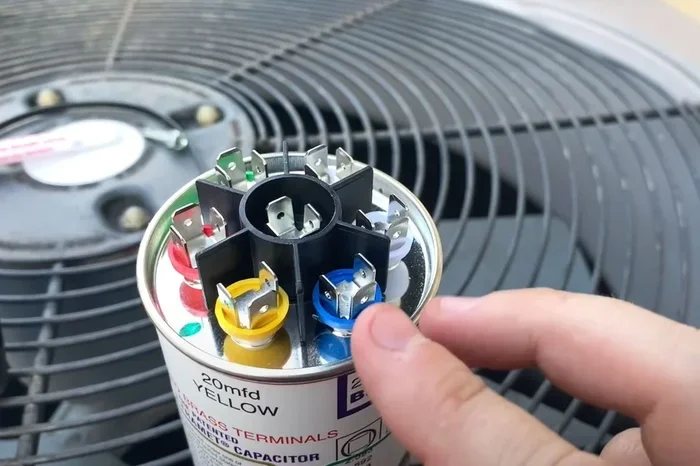
Most hard start kits contain a start capacitor and a compressor relay. The capacitor stores electrical energy and releases it in a burst to boost the motor. The relay controls when that energy flows. Together, they make compressor startup faster and smoother.
Who Needs a Hard Start Kit?
Not every compressor needs a hard start kit. Here are some common situations where one helps:
- Long refrigerant line sets: When the distance between the indoor and outdoor unit is large, the compressor works harder to start.
- Low refrigerant charge: A system with low refrigerant pressure puts extra strain on the motor during startup.
- Single-phase compressors: These are common in residential HVAC systems and often benefit from a hard start kit.
- Older units: Compressors that have been running for 10+ years may lose efficiency and struggle to start.
- High ambient temperatures: When it is extremely hot outside, the compressor has a tougher time kicking on.
Before you install a hard start kit, it is important to understand your system. Check your unit’s manual or consult a professional. If you are also dealing with generator-powered setups, learning how to start a generator properly can help ensure your compressor gets clean, stable power during startup.
Can a Hard Start Kit Damage Your Compressor?
Now for the big question. The truth is, a hard start kit can damage a compressor, but usually only under certain conditions. Let us look at the specific ways this can happen.
1. Incorrect Wiring
The most common cause of damage is wrong wiring. If the start capacitor or relay is connected incorrectly, it can send the wrong voltage to the compressor motor. This can create a voltage spike that damages the compressor winding over time. In some cases, a single wiring mistake can fry the motor entirely.
Always follow the manufacturer’s wiring diagram. If you are not confident about electrical work, hire a licensed technician. A small mistake during compressor troubleshooting can lead to a big repair bill.
2. Mismatched Kit and Compressor
Not all hard start kits are the same. A kit designed for a small window unit will not work the same way as one for a large central air system. Using the wrong kit can cause the compressor motor to draw too much current or too little. Both scenarios lead to problems.
Too much current causes overheating. Too little current means the compressor struggles to start and keeps trying over and over. This repeated effort wears out the motor windings and shortens the compressor lifespan.
3. Running the Kit Continuously
A hard start kit is meant to work for a few seconds during startup, not continuously. If the relay fails to disconnect after startup, the capacitor stays in the circuit. This causes the compressor to overheat. Over time, overheating degrades the insulation on the windings and leads to compressor failure.
Think of it like leaving your car running in park with the gas pedal pressed to the floor. It works for a moment, but it will destroy the engine if you keep it up.
4. Adding a Kit to a Compressor That Does Not Need One
Sometimes, installing a hard start kit on a compressor that does not need it can actually cause harm. Modern compressors with proper refrigerant pressure and good electrical connections start up just fine on their own. Adding a kit introduces extra components that can fail and create new problems.
This is why proper compressor troubleshooting is so important before you add any aftermarket parts. If your system is working well, leave it alone.
Signs Your Compressor May Be Damaged by a Hard Start Kit
How do you know if your hard start kit is causing problems? Here are the warning signs to watch for:
- Unusual clicking or buzzing sounds: If you hear clicking that lasts more than a few seconds, the relay may be stuck.
- Long startup times: A healthy compressor should start within 3 to 5 seconds. If it takes longer, something is wrong.
- Frequent tripping of the breaker: A voltage spike from a faulty kit can trip your electrical breaker repeatedly.
- Overheating of the outdoor unit: If the compressor area feels excessively hot to the touch, the kit may be causing continuous current draw.
- Burning smell: This is a serious sign. Shut off the unit immediately and call a professional.
- Reduced cooling performance: If your AC is not cooling as well as it used to, the compressor may be struggling.
Catching these signs early can prevent a full compressor replacement, which is one of the most expensive HVAC repairs you can face.
How to Install a Hard Start Kit Safely
If you have determined that your compressor needs a hard start kit, proper installation is everything. Here is a step-by-step guide to doing it right.
Step 1: Turn Off Power
Before you touch anything, shut off the power to the outdoor unit at the breaker. Compressor safety comes first. Never work on a live electrical system.
Step 2: Identify the Correct Terminals
Locate the compressor terminals. They are usually labeled S (start), R (run), and C (common). Refer to your unit’s wiring diagram to confirm. Using the wrong terminals is one of the fastest ways to damage your compressor motor.
Step 3: Mount the Kit
Attach the hard start kit to the compressor using the provided brackets. Make sure it is mounted away from hot surfaces and moving parts. Good airflow around the kit helps it last longer.
Step 4: Wire According to the Diagram
Follow the wiring diagram that comes with the kit exactly. Double-check every connection before restoring power. A single loose wire can cause a short circuit or voltage spike.
Step 5: Test the System
Restore power and turn on the unit. Listen for a clean, quick startup. The compressor should kick on within a few seconds. If you hear prolonged clicking or grinding, turn the unit off and recheck your wiring.
If you are using a generator to power your system during testing or in an off-grid setup, make sure you know how to start a generator properly to avoid power surges that could stress the compressor during startup.
Hard Start Kit vs. Soft Starter: What Is the Difference?
People often confuse hard start kits with soft starters. They are not the same thing, and understanding the difference helps you choose the right solution for your compressor system.
| Feature | Hard Start Kit | Soft Starter |
|---|---|---|
| How It Works | Provides a burst of energy during startup | Gradually increases voltage to the motor |
| Duration of Use | Seconds during startup only | Ramps up over several seconds |
| Cost | $20 to $60 | $100 to $400+ |
| Complexity | Simple installation | More complex wiring |
| Best For | Older units, long line sets | High-powered commercial systems |
| Risk of Damage | Low if installed correctly | Very low when properly sized |
For most residential HVAC systems, a hard start kit is the more affordable and practical choice. Soft starters are better suited for large commercial compressors that need a gentler, more controlled startup.
Expert Tips to Protect Your Compressor
Whether you use a hard start kit or not, these tips will help you get the most life out of your compressor system:
- Check refrigerant levels regularly: Low refrigerant pressure is one of the biggest enemies of compressor health. Have a professional check your charge at least once a year.
- Clean the coils: Dirty condenser coils make the compressor work harder. Clean them every spring before the cooling season starts.
- Use a surge protector: Electrical surges can damage compressor windings. A good surge protector adds an extra layer of compressor protection.
- Do not short-cycle your AC: Turning your system on and off rapidly puts enormous stress on the motor. Let the system run in longer cycles.
- Schedule annual maintenance: A professional tune-up catches small problems before they become big ones. This is the best compressor maintenance habit you can build.
- Replace old capacitors: Start and run capacitors wear out over time. Replacing them proactively prevents compressor failure.
These simple habits go a long way. They keep your HVAC compressor running efficiently and can add years to its lifespan.
Common Mistakes People Make with Hard Start Kits
Even with good intentions, homeowners and DIYers make mistakes that can damage their compressors. Here are the most common ones:
Mistake 1: Buying the Cheapest Kit Available
Price matters when it comes to electrical components. A cheap hard start kit may have a weak relay or a low-quality capacitor that fails quickly. When it fails, it can send unstable current to your compressor motor and cause damage.
Invest in a reputable brand. Look for kits that are UL listed or ETL certified. These have been tested for safety and reliability.
Mistake 2: Ignoring the Wiring Diagram
Every compressor and every kit is different. Using a generic wiring approach instead of following the specific diagram for your unit is a recipe for disaster. Always read the instructions carefully.
Mistake 3: Forgetting to Disconnect the Old Kit
If you are replacing an old hard start kit, make sure you fully disconnect the old one before installing the new one. Leaving old wiring in place can create electrical conflicts that stress the compressor system.
Mistake 4: Not Testing After Installation
Once the kit is installed, do not just walk away. Run the unit and observe the startup. Listen for unusual sounds. Check that the compressor reaches full cooling capacity within a few minutes. Compressor troubleshooting after any electrical work is essential.
When to Call a Professional
There is no shame in calling a professional. In fact, it is often the smartest thing you can do. Here are situations where you should definitely get expert help:
- You are unsure about any part of the wiring process.
- Your compressor has already shown signs of damage, such as overheating or unusual noises.
- You have tried a hard start kit and the problem persists.
- Your unit is still under warranty, and DIY work might void it.
- You need help with compressor troubleshooting or diagnosing the root cause of hard starting.
A licensed HVAC technician has the tools, training, and experience to diagnose and fix compressor issues safely. They can also recommend whether a hard start kit is the right solution or if your compressor needs a different type of repair.
Remember, replacing a compressor can cost anywhere from $1,000 to $3,000 or more. Spending a little on professional help upfront can save you thousands in the long run.
Final Thoughts
So, can a hard start kit damage your compressor system? Yes, but only when things go wrong. Incorrect wiring, mismatched components, and continuous operation are the main culprits. When installed correctly and used on a system that actually needs one, a hard start kit does the opposite, it protects your compressor and extends its useful life.
The key is knowledge and care. Understand your system, choose the right kit, follow the wiring diagram, and do not be afraid to call a professional when you need help. With the right approach, your compressor system will keep running smoothly for years to come.
Take the time to learn about your unit. Check your refrigerant levels, inspect your wiring, and stay proactive about maintenance. These small efforts add up to big savings and a comfortable home all year long.
Frequently Asked Questions
Can a hard start kit cause a compressor to overheat?
Yes, if the relay fails to disconnect after startup, the capacitor stays in the circuit and causes continuous current draw. This leads to overheating, which can degrade the compressor windings and eventually cause compressor failure. Always test the system after installation to make sure the kit disengages properly.
How long does a hard start kit last?
A quality hard start kit typically lasts between 5 and 10 years, but this depends on the brand, usage, and environmental conditions. Exposure to extreme heat or moisture can shorten its lifespan. Regular compressor maintenance helps ensure both the kit and the compressor stay in good shape.
Is it safe to install a hard start kit yourself?
If you have basic electrical knowledge and are comfortable working with low-voltage systems, it can be safe. However, mistakes in wiring can cause voltage spikes and permanent damage to the compressor motor. When in doubt, hire a licensed HVAC technician to handle the installation.
Will a hard start kit fix a compressor that is already failing?
No, a hard start kit cannot repair an already damaged compressor. It is a preventive tool that reduces startup stress. If your compressor is showing signs of failure such as grinding noises, frequent tripping, or poor cooling, the kit will not solve the underlying problem. You will likely need compressor repair or a full replacement.
Do all air conditioners need a hard start kit?
No, not all units need one. Newer, well-maintained systems with proper refrigerant pressure and short line sets usually start up without any help. Hard start kits are most beneficial for older units, single-phase compressors, and systems with long refrigerant lines or low charge.
What is the difference between a start capacitor and a run capacitor in a hard start kit?
A start capacitor provides a burst of energy to get the compressor motor spinning during compressor startup. It disconnects once the motor reaches a certain speed. A run capacitor, on the other hand, stays in the circuit continuously to maintain efficient motor operation. Most basic hard start kits only include a start capacitor and a relay.
=== CONCLUSION ===
A hard start kit is a simple yet powerful tool that can make a real difference in how your compressor system performs. When installed correctly, it reduces stress, protects your compressor motor, and helps your unit start up smoothly every single time. But when installed incorrectly or used on a system that does not need it, it can lead to overheating, voltage spikes, and even compressor failure.
The best approach is to understand your system, choose the right kit, and follow proper installation procedures. And when you are unsure, always reach out to a professional. Your HVAC compressor is a significant investment, and taking the right steps to protect it pays off for years to come.