How Much Is a Fridge Compressor and What Affects the Price
The cost of a fridge compressor typically ranges from $100 to $500 for the part alone, with total replacement costs hitting $400 to $1,200 when you factor in labor. Several key factors like compressor type, refrigerator brand, and repair vs. replace decisions directly impact the final price. Understanding these variables helps you make a smart, budget-friendly choice for your home.
Key Takeaways
- Compressor part costs vary widely: Expect to pay between $100 and $500 depending on the type and brand.
- Labor adds significant cost: Professional installation typically runs $200 to $700 on top of the part price.
- Brand and model matter: Premium brands like Samsung and LG often have pricier compressors than budget options.
- Repair vs. replace is a big decision: Sometimes a new fridge is more cost-effective than a compressor replacement.
- DIY is possible for some: Experienced homeowners can save on labor by handling the swap themselves.
- Warranty coverage helps: Many compressors come with warranties that can offset the cost entirely.
📑 Table of Contents
- How Much Is a Fridge Compressor? A Complete Price Guide
- How Much Does a Fridge Compressor Cost?
- What Factors Affect the Price of a Fridge Compressor?
- How Does a Compressor Actually Work?
- Repair vs. Replace: Is a Compressor Replacement Worth It?
- Common Signs Your Fridge Compressor Is Failing
- Can You Replace a Fridge Compressor Yourself?
- Tips to Extend Your Compressor Lifespan
- How Does Compressor Cost Compare to Other Home Appliance Repairs?
- How to Save Money on Compressor Replacement
- Expert Insights on Compressor Pricing
- Key Takeaways
- Conclusion
How Much Is a Fridge Compressor? A Complete Price Guide
So you have been hearing strange noises from your kitchen, or maybe your fridge is not cooling like it used to. The first thing that probably crosses your mind is the cost. How much is a fridge compressor, really? The answer is not as simple as a single number, but I am here to break it all down for you.
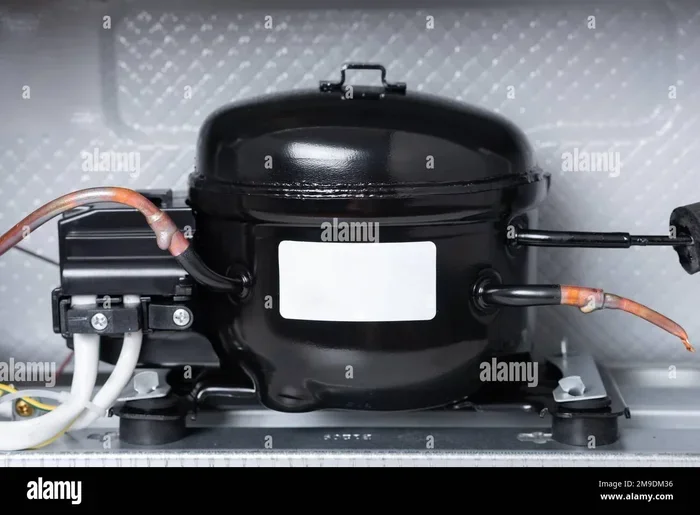
A fridge compressor is the heart of your refrigeration system. It pumps refrigerant through the coils and keeps your food cold. When it fails, the whole appliance stops working properly. The good news is that replacing a compressor is often more affordable than buying a brand new refrigerator. In this guide, I will walk you through the actual costs, what drives those costs, and how to decide if a repair makes sense for your situation.
Whether you have a basic bottom-freezer model or a sleek French door fridge, the compressor price can vary quite a bit. Let us dig into the details so you know exactly what to expect.
What Does a Fridge Compressor Do?
Before we talk about cost, it helps to understand the role of your compressor. Think of it as the engine of your refrigerator. It compresses the refrigerant gas and pushes it through the system. This process removes heat from inside the fridge and releases it outside. Without a working compressor, your food would spoil within hours.
The compressor runs continuously throughout the day. It cycles on and off to maintain the right temperature. Over time, all this hard work can wear it out. That is when you start facing repair bills.
How Much Does a Fridge Compressor Cost?
The price of a fridge compressor depends on several factors. Let us look at the breakdown so you have a clear picture.
Compressor Part Cost
On its own, a replacement compressor usually costs between $100 and $500. The wide range comes down to the type of compressor and the brand of your refrigerator. Here is a rough idea of what you might pay:
- Basic compressors: $100 to $200 for standard models
- Mid-range compressors: $200 to $350 for most household fridges
- Premium or specialty compressors: $350 to $500 for high-end or smart refrigerators
Budget brands and older models tend to use simpler compressors that cost less. Meanwhile, newer energy-efficient models often have more advanced compressors with a higher price tag.
Labor Costs for Compressor Replacement
Labor is where the bill can really climb. Hiring a professional appliance technician typically costs between $200 and $700 for the job. The exact amount depends on your location, the complexity of the repair, and the technician’s hourly rate.
Some technicians charge a flat fee for compressor replacement, while others bill by the hour. Always ask for an estimate before committing. You want to avoid surprises when the bill arrives.
Total Replacement Cost
When you combine the part and labor, the total cost to replace a fridge compressor usually falls between $400 and $1,200. For most homeowners, the average sits around $500 to $700. This is still much cheaper than purchasing a new refrigerator, which can easily cost $800 to $2,000 or more.
What Factors Affect the Price of a Fridge Compressor?
Not all compressor replacements cost the same. Several factors come into play when determining the final price. Understanding these can help you budget and make informed decisions.
Compressor Type
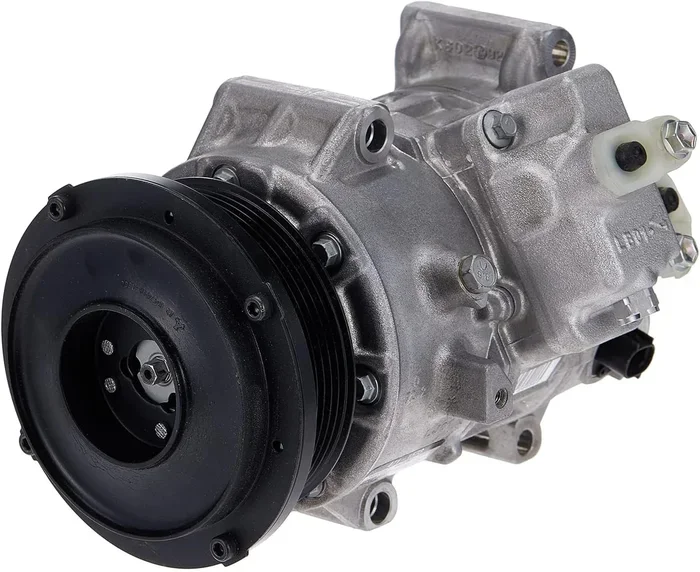
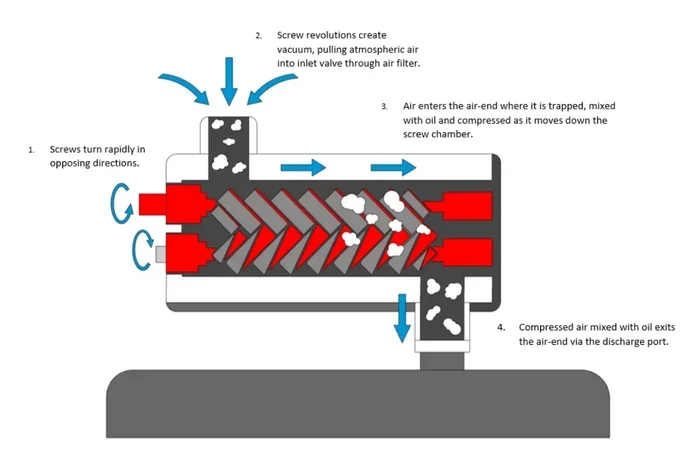
There are different types of compressors used in refrigerators. The most common ones are reciprocating compressors and rotary compressors. Reciprocating compressors use a piston mechanism and are found in most standard homes. They tend to be more affordable. Rotary compressors are quieter and more compact, often used in premium models. They come at a higher price point.
Some modern fridges also use inverter compressors. These adjust their speed based on cooling demand, which saves energy. The inverter compressor price is higher, but the energy savings over time can offset the initial cost.
Refrigerator Brand and Model
Brand plays a big role in compressor pricing. Popular brands like Samsung, LG, Whirlpool, and GE each have their own supply chains and pricing structures. Here is a quick comparison:
- Budget brands: Compressors are widely available and less expensive
- Mid-range brands: Parts are moderately priced and easy to find
- Premium brands: Compressors cost more and may require special ordering
If you have a less common or imported model, the compressor might be harder to find. Scarcity drives up the price. Always check part availability before committing to a repair.
Age of the Refrigerator
Older refrigerators often have compressors that are no longer in production. Finding a compatible replacement can be challenging and expensive. In some cases, the cost of an older compressor rivals the price of a new energy-efficient fridge. This is an important factor to consider when deciding between repair and replacement.
Warranty and Coverage
If your refrigerator is still under warranty, the compressor replacement might be completely covered. Most compressors come with a manufacturer warranty of one to five years. Some premium brands offer extended warranties of up to ten years. Check your warranty documentation before scheduling any repair.
Home warranty plans and appliance insurance can also help cover the cost. These plans typically cost $200 to $500 per year but can save you hundreds on major repairs.
How Does a Compressor Actually Work?
Understanding the basics of compressor operation helps you appreciate why it is such a critical component. The compressor works similarly to other mechanical systems in your home, including systems like how a generator works in that both convert energy into mechanical motion to power essential functions.
Here is a simple breakdown of the process:
- The compressor draws in low-pressure refrigerant gas from the evaporator coils
- It compresses the gas, raising its pressure and temperature
- The hot, high-pressure gas moves to the condenser coils outside the fridge
- Heat releases into the surrounding air, and the gas becomes a liquid
- The liquid refrigerant flows back through the evaporator, cooling your fridge
- The cycle repeats continuously to maintain the right temperature
This cycle is what keeps your food fresh and your drinks cold. When the compressor fails, the entire process stops. Food spoils, and the fridge becomes nothing more than an insulated box.
Repair vs. Replace: Is a Compressor Replacement Worth It?
This is the big question most homeowners face. A compressor replacement costs a few hundred dollars on average, but a new fridge can run well over a thousand. So how do you decide?
When Repair Makes Sense
A compressor replacement is usually worth it if:
- Your refrigerator is less than 8 years old
- The rest of the fridge is in good condition
- The compressor failure is the only major issue
- You have a warranty or insurance that covers part of the cost
- The total repair cost is less than half the price of a new fridge
If all of these conditions apply, repairing your compressor is the smarter financial move. You get to keep a working appliance and save hundreds of dollars.
When Replacement Is the Better Choice
Consider replacing the entire fridge if:
- Your refrigerator is 10 years old or older
- Multiple components are failing at the same time
- The repair cost exceeds 50 percent of a new fridge price
- Your current model is energy inefficient and driving up your power bills
- You want to upgrade to a newer, more feature-rich model
Sometimes the smartest move is to cut your losses and invest in a new appliance. New refrigerators are far more energy-efficient than models from 10 or 15 years ago. You could save $50 to $100 per year on electricity alone.
Cost Comparison at a Glance
Here is a side-by-side look at the numbers:
- Compressor repair: $400 to $1,200 total
- New refrigerator: $800 to $2,500+ total
- Energy savings with a new fridge: $50 to $100 per year
The math favors repair in most cases, especially for newer fridges. But always weigh the full picture before making your decision.
Common Signs Your Fridge Compressor Is Failing
Catching compressor problems early can save you money and prevent food spoilage. Watch for these warning signs:
- Warm food: The fridge is not maintaining a cold temperature
- Loud clicking or humming: Unusual sounds from the back of the unit
- Frequent cycling: The compressor turns on and off more than usual
- Ice buildup: Excess frost in the freezer compartment
- Higher energy bills: The compressor struggles and draws more power
- Water leaks: Moisture pooling around the base of the fridge
If you notice any of these issues, act quickly. A failing compressor can damage other components if left unchecked. Early intervention often means a simpler and cheaper repair.
Can You Replace a Fridge Compressor Yourself?
Some handy homeowners wonder if they can tackle a compressor replacement on their own. The short answer is: it is possible, but not recommended for most people.
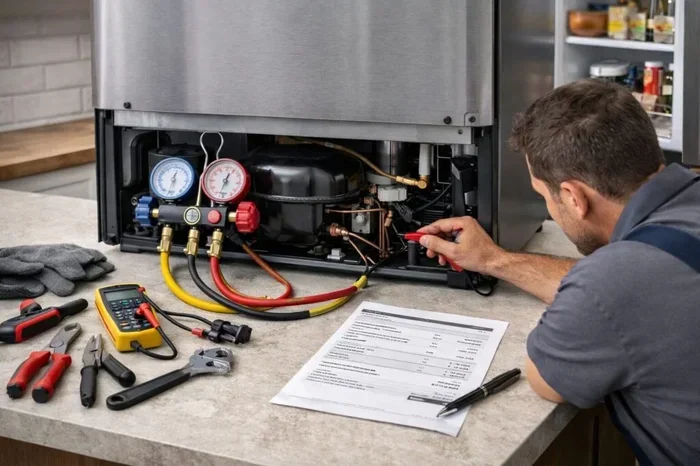
Compressor replacement involves handling refrigerant, which requires proper certification in many regions. You also need specialized tools like a refrigerant recovery machine and a vacuum pump. The process is technical and mistakes can be costly or even dangerous.
However, if you have experience with appliance repair and hold the proper certifications, you can save significantly on labor costs. The compressor part itself is the same price whether you hire a pro or do it yourself. The savings come entirely from skipping the labor charge.
For most people, hiring a licensed technician is the safest and most practical route. Look for certified appliance repair professionals in your area and ask for references.
Tips to Extend Your Compressor Lifespan
Prevention is always better than repair. Here are some simple steps to keep your compressor running strong for years:
- Clean the condenser coils: Dust buildup forces the compressor to work harder. Clean them every six months.
- Check the door seals: Worn gaskets let cold air escape, making the compressor run longer.
- Do not overfill the fridge: Proper air circulation reduces strain on the compressor.
- Keep the fridge away from heat sources: Place it away from ovens, dishwashers, and direct sunlight.
- Set the temperature correctly: Keep the fridge at 37°F and the freezer at 0°F for optimal efficiency.
- Don’t leave the door open: Every second the door stays open, the compressor has to work overtime.
These small habits add up over time. A well-maintained compressor can last 10 to 15 years or more. Neglect, on the other hand, can shorten its lifespan significantly.
How Does Compressor Cost Compare to Other Home Appliance Repairs?
To put things in perspective, let us compare fridge compressor costs to other common home appliance repairs. When you look at the bigger picture, a compressor repair is often one of the more affordable major appliance fixes you can face.
For context, some homeowners also look at the cost of whole-home backup systems like how much a home generator costs when thinking about protecting their household investments. The takeaway is similar: understanding the full cost picture helps you make smarter decisions.
Similarly, just as people evaluate how many watts they need for a generator to match their power needs, evaluating your fridge’s compressor needs helps you match the right solution to your budget and situation.
Here is a quick comparison of common appliance repair costs:
- Fridge compressor replacement: $400 to $1,200
- Washing machine motor: $300 to $600
- Dishwasher pump: $200 to $500
- Oven heating element: $100 to $300
- HVAC compressor: $1,000 to $2,500
As you can see, a fridge compressor repair sits in the middle of the range. It is a significant expense, but far from the most costly home appliance repair you could face.
How to Save Money on Compressor Replacement
Nobody wants to overspend on a fridge repair. Here are some practical tips to keep costs down:
- Get multiple quotes: Call at least three repair services and compare their estimates
- Check warranty coverage first: You might not need to pay anything out of pocket
- Buy the part yourself: Some technicians will install a part you purchase separately
- Look for refurbished compressors: These can cost 30 to 50 percent less than new ones
- Schedule off-season repairs: Technicians may offer lower rates in slower months
- Ask about payment plans: Many repair companies offer financing options
Every dollar you save on the repair is a dollar you can put toward something else. Smart shopping and proactive planning make a real difference.
Expert Insights on Compressor Pricing
Industry professionals consistently point to a few key factors that drive compressor costs. First, the type of refrigerant used matters. Older models use R-134a or R-22, while newer ones use more environmentally friendly options. The transition to newer refrigerants has affected pricing for replacement parts.
Second, the complexity of the installation plays a role. Some compressors are easier to access than others. Built-in refrigerators and panel-ready models often require more disassembly, which increases labor time and cost.
Finally, regional labor rates vary significantly. A technician in a major city will charge more than one in a rural area. Always factor in your local market when budgeting for the repair.
Key Takeaways
- Part costs range from $100 to $500: The compressor itself varies based on type and brand.
- Labor adds $200 to $700: Professional installation is the safest option for most homeowners.
- Total replacement runs $400 to $1,200: This is usually cheaper than buying a new fridge.
- Brand, age, and model affect price: Premium and older models cost more to repair.
- Warranty can cover the cost: Always check your coverage before scheduling repairs.
- DIY is risky: Refrigerant handling requires certification and specialized tools.
- Maintenance extends lifespan: Simple care habits keep your compressor running longer.
Conclusion
So, how much is a fridge compressor? The answer ranges from a few hundred dollars for the part alone to over a thousand dollars with labor included. The good news is that a compressor replacement is often the most cost-effective solution when your fridge stops cooling properly.
By understanding the factors that drive the price, you can budget with confidence and avoid surprises. Whether you choose to repair or replace, the knowledge you have gained from this guide puts you in a strong position to make the best decision for your home and your wallet.
Remember to maintain your refrigerator regularly, watch for early warning signs, and always get multiple quotes before committing to a repair. A little preparation goes a long way in keeping your fridge running smoothly for years to come.
Frequently Asked Questions
How long does a fridge compressor last?
Most fridge compressors last between 10 and 15 years with proper maintenance. Some well-cared-for units can go 20 years or more. Regular cleaning of condenser coils and proper temperature settings help extend the lifespan significantly.
Is it worth replacing a fridge compressor?
Yes, if your refrigerator is less than 8 years old and the rest of the unit is in good shape. The repair cost of $400 to $1,200 is typically much lower than buying a new fridge. However, if the fridge is old and has other issues, replacement may be the better choice.
Can a fridge run without a compressor?
No, a fridge cannot function without a working compressor. The compressor is responsible for circulating refrigerant and maintaining the cold temperature. Without it, food will spoil quickly and the appliance becomes useless.
How do I know if my fridge compressor is bad?
Common signs include warm food, loud clicking or humming noises, frequent on-and-off cycling, ice buildup in the freezer, and higher-than-normal energy bills. If you notice any of these symptoms, contact a technician for a diagnostic check as soon as possible.
How much does it cost to fix a fridge compressor at home?
The total cost to fix a fridge compressor at home typically ranges from $400 to $1,200, including both the part and professional labor. The exact price depends on your fridge brand, the compressor type, and your local labor rates. Always ask for a detailed estimate before approving any repair work.
Are fridge compressors covered under warranty?
Many manufacturers cover compressors under warranty for one to five years, and some premium brands offer up to ten years of coverage. Check your warranty documentation or contact the manufacturer directly to confirm what is included. Home warranty plans and appliance insurance may also provide additional coverage.