The Ultimate Guide to Choosing a Large Portable Generator
A large portable generator gives you reliable backup power for your home, RV, or job site. This guide breaks down everything you need to know about wattage, fuel types, runtime, and safety. You will learn how to pick the right size, avoid common mistakes, and keep your generator running strong for years.
Key Takeaways
- Right-sizing matters: Choosing the correct wattage prevents overload and saves fuel.
- Fuel type affects everything: Propane, diesel, and gasoline each have unique pros and cons for your large portable generator.
- Runtime and portability go hand in hand: A bigger tank means longer run time but more weight to manage.
- Safety first: Always follow carbon monoxide and electrical safety guidelines when using any generator.
- Maintenance keeps it running: Regular oil changes and fuel treatment extend the life of your unit significantly.
- Know your power needs: Calculate your appliance wattage before buying to avoid under- or over-sizing.
📑 Table of Contents
- What Is a Large Portable Generator and Why Do You Need One?
- Key Features to Look For in a Large Portable Generator
- Top Uses for a Large Portable Generator
- How to Size the Right Large Portable Generator for Your Needs
- Maintenance Tips to Keep Your Large Portable Generator Running
- Common Mistakes to Avoid When Buying a Large Portable Generator
- Expert Insights on Choosing the Best Large Portable Generator
- Conclusion
What Is a Large Portable Generator and Why Do You Need One?
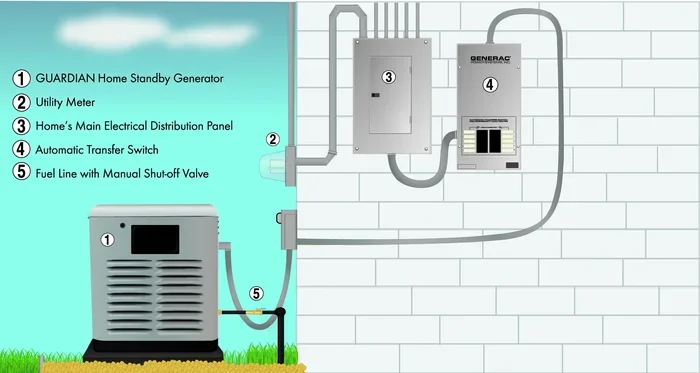
A large portable generator is a powerful, movable power station that delivers electricity where you need it. Unlike standby generators, these units sit outside and connect to your home or equipment through extension cords or a transfer switch. They typically range from 3,000 to 10,000 watts or more, making them ideal for heavy-duty tasks.
People buy large portable generators for many reasons. Some need backup power during storms. Others need electricity on construction sites or while camping in an RV. No matter your reason, a good generator keeps your lights on and your appliances running when the grid fails.
What makes a generator “large”? It comes down to output. A small portable unit might handle a few lights and a fridge. A large portable generator can run your furnace, refrigerator, power tools, and more all at once. That kind of power gives you real independence from the electrical grid.
Who Benefits Most From a Large Portable Generator?
Homeowners in areas with frequent outages benefit a lot. So do RV owners who need portable power solutions for off-grid travel. Contractors rely on them daily at job sites. Even outdoor event organizers use big portable units to run sound systems and lights.
Key Features to Look For in a Large Portable Generator
Not all generators are built the same. When shopping for a large portable generator, certain features make a big difference in performance and convenience.
Wattage and Power Output
Wattage is the most important number to understand. It tells you how much electricity the generator can produce at one time. Generator wattage comes in two forms: starting wattage and running wattage. Starting wattage is the burst of power needed to kick on motor-driven appliances like air conditioners or refrigerators.
Running wattage is the steady power needed to keep those appliances going. A good rule is to add up all the devices you want to run and then add a 20 percent buffer. This prevents overloading and keeps your large portable generator working safely.
Fuel Type and Efficiency
Fuel choice affects runtime, cost, and convenience. Most large portable generators run on gasoline, propane, or diesel. Gasoline is easy to find but has a shorter shelf life. Propane burns cleaner and stores longer. Diesel offers the best fuel efficiency for heavy use.
Some dual-fuel models let you switch between gasoline and propane. This gives you flexibility. You can use gasoline for quick jobs and propane for longer outages. Fuel consumption rates vary widely, so check the specs before you buy.
Runtime and Tank Size
Runtime tells you how long the generator runs on a full tank at a given load. A large portable generator with a bigger tank naturally runs longer. Look for models that offer 10 to 16 hours at half load for the best balance of power and endurance.
Keep in mind that running at full load drains fuel much faster. If you plan to use the generator overnight during a blackout, choose a model with a large tank or a fuel-efficient engine. Storing fuel properly also matters for safety and longevity.
Noise Level and Portability
Big generators can be loud. If you plan to use it near your home or in a campground, noise matters. Many modern large portable generators come with sound-dampening enclosures that keep decibel levels reasonable.
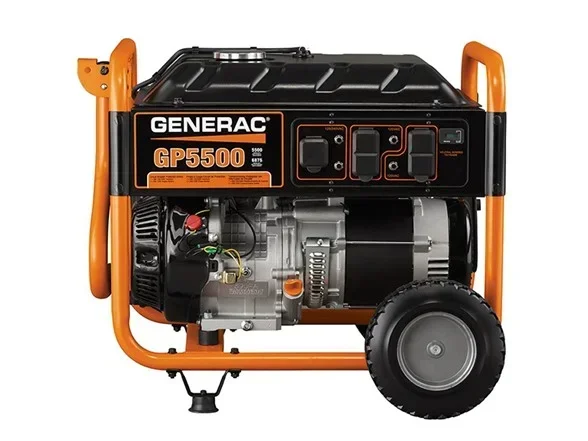
Portability does not just mean size. Look for models with wheels and a sturdy handle. A unit that weighs 200 pounds or more needs good mobility features. You do not want to struggle moving it around your yard or loading it into a truck.
Safety Features
A quality generator includes built-in safety systems. Look for generator safety features like low-oil shutoff, overload protection, and ground fault circuit interrupters. These protect both the machine and the people using it.
Carbon monoxide is a real danger with any gasoline-powered generator. Always place your unit outside and away from windows. A large portable generator with a CO detection sensor adds an extra layer of protection for your family.
Top Uses for a Large Portable Generator
The versatility of a large portable generator is one of its biggest selling points. Here are the most common ways people put this equipment to work.
Home Backup Power
When the power goes out, a large generator keeps your essential appliances running. You can power lights, the refrigerator, sump pump, and even the furnace. Home generators like these make sure your family stays comfortable and safe during extended outages.
To connect a generator to your home, you need either a transfer switch or an interlock kit. This prevents backfeeding electricity into the grid, which is dangerous for utility workers. Setting up your generator safely is a critical step that every homeowner should understand before an emergency hits.
RV and Camping Power
RV enthusiasts love the freedom a large portable generator provides. It powers air conditioning, microwaves, and charging stations while you boondock away from campgrounds. Quiet inverter models are especially popular among campers who want power without disturbing the peace.
Construction and Job Site Power
Contractors need reliable electricity on remote job sites. A big portable generator runs saws, compressors, welders, and lighting rigs. The durability of these machines makes them a staple in the construction industry. Many models are built with rugged frames and heavy-duty wheels to handle rough terrain.
Outdoor Events and Emergency Preparedness
Festivals, fairs, and outdoor markets often rely on portable generators for lighting and sound. Having a large portable generator on hand also makes sense for emergency preparedness. Stock up on fuel, keep maintenance schedules current, and you will be ready when disaster strikes.
How to Size the Right Large Portable Generator for Your Needs
Sizing is the step most people get wrong. Too small, and the generator overloads. Too big, and you waste money on fuel and cost.
Calculate Your Power Needs
Start by listing every appliance or tool you want to run. Find the starting and running watts for each one. Add the starting watts of the most demanding appliance to the running watts of everything else. This gives you your peak wattage requirement.
For example, a refrigerator might need 2,200 watts to start and 700 watts to run. A furnace blower might need 1,000 watts to start and 600 watts to run. Add those together with a few lights and a phone charger, and you might need a large portable generator in the 5,000 to 7,000 watt range.
Match the Generator to Your Load
Once you know your total wattage, pick a generator that exceeds it by at least 20 percent. This buffer protects the engine and prevents tripped breakers. Sizing guides can help you match specific appliances to the right generator capacity.
Consider your future needs too. If you plan to add a well pump or a second air conditioner, buy a generator that can handle the extra load now. Upgrading later costs more than buying the right size the first time.
Maintenance Tips to Keep Your Large Portable Generator Running
A generator is only as good as its maintenance schedule. Regular care extends the life of your unit and keeps it running reliably when you need it most.
Oil Changes and Filter Replacement
Change the oil after the first 20 hours of use, then every 100 hours or so after that. Use the oil type recommended by the manufacturer. A clean oil filter keeps debris out of the engine and prevents premature wear.
Fuel Management
Stale fuel causes more generator problems than anything else. Gasoline degrades in as little as 30 days. Use fuel stabilizer if you plan to store the generator for more than a few weeks. Fuel storage guidelines recommend draining the tank for long-term storage.
Regular Exercise Runs
Run your generator for 15 to 20 minutes once a month, even if you do not need it. This keeps the engine lubricated and the battery charged. It also lets you spot small problems before they become big ones.
Spark Plug and Air Filter Care
Check the spark plug every few months. Clean or replace it if you see corrosion. The air filter should be cleaned or swapped out at least twice a year, more often if you use the generator in dusty environments.
Common Mistakes to Avoid When Buying a Large Portable Generator
Even experienced buyers make errors. Avoid these pitfalls to get the most value from your purchase.
Ignoring Total Harmonic Distortion
THD measures the cleanliness of the electrical output. Low THD (below 3 percent) is safe for sensitive electronics like laptops and TVs. High THD can damage them over time. Always check the THD rating before buying a large portable generator for electronics use.
Underestimating Fuel Needs
Many people buy a generator and forget to account for fuel costs and storage. Propane and gasoline need proper containers and a safe storage area. Plan your fuel supply before an emergency, not during one.
Skipping the Transfer Switch
Plugging a generator directly into a wall outlet is dangerous and illegal in many areas. A transfer switch ensures safe, legal power delivery to your home. It also makes connecting appliances much easier.
Buying Based on Price Alone
The cheapest model is rarely the best value. Look at build quality, warranty length, customer reviews, and after-sales support. A slightly more expensive large portable generator often lasts twice as long and performs better.
Expert Insights on Choosing the Best Large Portable Generator
Industry professionals agree that the best generator is the one that matches your specific needs. Do not chase the highest wattage if you only need basic backup. Do not buy the cheapest model if you plan to use it daily on a job site.
Look for reputable portable generator brands with strong warranty coverage and accessible customer service. Brands like Generac, Honda, and Westinghouse have earned trust through years of reliable performance. Read real user reviews and watch video walkthroughs before making your final decision.
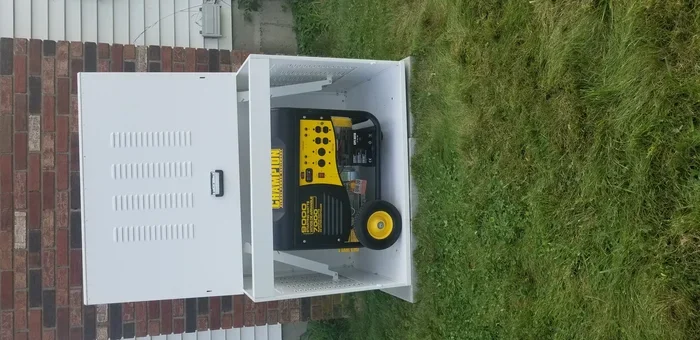
Consider where you will store the generator. It needs dry, ventilated space. If you live in a humid climate, a generator cover or storage shed protects the unit from corrosion and extends its lifespan.
Finally, think about your long-term goals. If you want a generator that can grow with your power needs, invest in a model with parallel capability. This lets you connect two units for double the output. It is a smart way to future-proof your portable power solutions.
Conclusion
Choosing the right large portable generator comes down to understanding your power needs, comparing features, and avoiding common buying mistakes. From wattage calculations to fuel type decisions, every detail matters. A well-chosen generator gives you peace of mind, backup power, and the freedom to run equipment anywhere.
Take your time, do your research, and invest in a unit that will serve you well for years. With the right large portable generator, you are always prepared for whatever comes next. Keep this guide handy, share it with friends, and make a confident power choice today.
Frequently Asked Questions
What can a large portable generator power?
A large portable generator can run essential home appliances like refrigerators, furnaces, sump pumps, and lights. It can also power construction tools, RV air conditioners, and outdoor event equipment. The exact load depends on the generator’s wattage rating.
How long does a large portable generator last?
With proper maintenance, a quality large portable generator can last 10,000 to 20,000 hours or more. Regular oil changes, fuel treatment, and exercise runs all contribute to a longer lifespan.
Is it safe to run a large portable generator indoors?
No. Generators produce carbon monoxide, which is deadly in enclosed spaces. Always run your unit outside, at least 20 feet from your home, with exhaust pointing away from windows and doors.
What is the difference between a portable generator and an inverter generator?
A standard large portable generator produces raw AC power and is best for heavy-duty tools and appliances. An inverter generator converts power to DC and back to clean AC, making it safer for sensitive electronics. Inverter models are usually quieter and more fuel-efficient.
How much does a large portable generator cost?
Prices range from about $500 for smaller units to $3,000 or more for high-output models. Your budget depends on the wattage, fuel type, and features you need. Investing a bit more upfront often saves money on fuel and repairs over time.
Can I connect a large portable generator directly to my home’s electrical panel?
You should never plug a generator directly into a wall outlet. Use a transfer switch or interlock kit installed by a licensed electrician. This prevents backfeeding and keeps your home and the utility grid safe.