5500 Generator Buying Guide Everything You Need to Know
A 5500 generator is a versatile portable generator that delivers reliable power for homes, camping trips, and job sites. This 5500 generator buying guide covers everything from wattage and fuel types to price comparisons and maintenance tips. You will learn how to pick the right unit, avoid common mistakes, and get the best value for your money.
A 5500 generator hits a sweet spot that makes it one of the most popular choices for homeowners and outdoor enthusiasts alike. Whether you need backup power during a storm or a reliable energy source for a camping trip, this size generator delivers serious value. In this guide, we will walk you through everything you need to know about buying a 5500 generator.
We will cover what a 5500 generator can power, how much it costs, which fuel type is best, and how to avoid common buying mistakes. By the end, you will feel confident making the right choice for your situation. Let us dive in.
Key Takeaways
- Versatile Power Output: A 5500 generator offers a sweet spot between portability and enough wattage to run essential home appliances or power tools.
- Multiple Fuel Options: You can choose from gasoline, propane, or dual-fuel models depending on your needs and budget.
- Price Range Varies: Expect to pay between $500 and $1500 depending on brand, features, and fuel type.
- Maintenance Matters: Regular oil changes, fuel stabilizer use, and spark plug checks keep your generator running smoothly for years.
- Safety First: Always operate your generator outdoors and follow all manufacturer guidelines to prevent carbon monoxide risks.
- Match Wattage to Your Needs: Calculate your total power needs before buying to avoid overloading or underperforming.
📑 Table of Contents
- What Is a 5500 Generator?
- What Can a 5500 Generator Power?
- Types of 5500 Generators
- 5500 Generator Price and Value
- How to Choose the Right 5500 Generator
- Maintenance Tips for Your 5500 Generator
- Common Mistakes to Avoid When Buying a 5500 Generator
- Expert Insights: Getting the Most Out of Your 5500 Generator
- Final Thoughts
What Is a 5500 Generator?
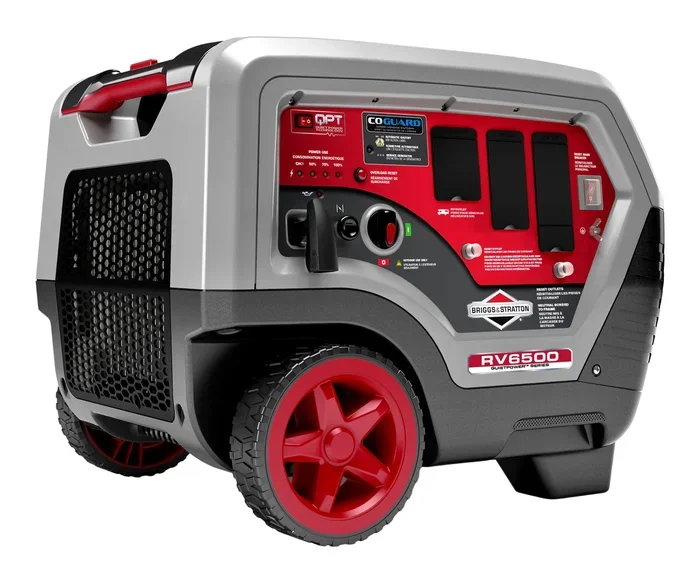
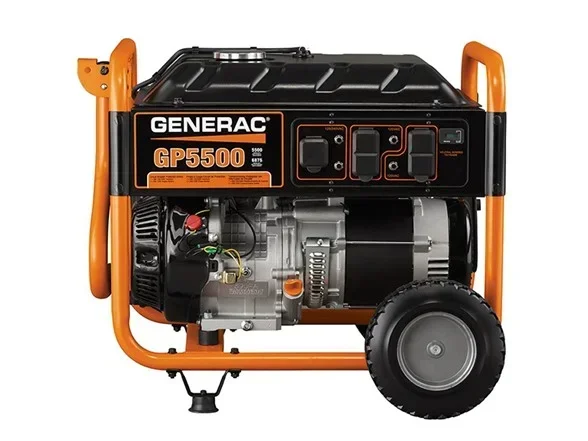
A 5500 generator is a portable power unit that produces approximately 5500 watts of electricity. This output level makes it perfect for running multiple household appliances at once or powering heavy-duty tools on a work site. Most models weigh between 50 and 80 pounds, which means you can move them around fairly easily.
The term “5500 generator” usually refers to the starting wattage. Running wattage is typically lower, around 4500 to 5000 watts. This difference matters because some appliances need a burst of power to start up. Understanding this distinction helps you choose the right unit for your needs.
How Does a 5500 Generator Work?
Inside a 5500 generator, a small engine burns fuel to spin an alternator. The alternator converts mechanical energy into electrical energy. This process produces the electricity that powers your devices and appliances.
Most modern units use a four-stroke engine, which is quieter and more fuel-efficient than older two-stroke models. The engine runs at a steady speed, usually 3600 RPM, to produce clean and stable power. This is important for sensitive electronics like laptops and televisions.
What Can a 5500 Generator Power?
One of the first questions people ask is what a 5500 generator can actually run. The answer depends on which appliances you want to power at the same time. Here is a quick breakdown:
- Refrigerator: A standard fridge uses about 700 to 1200 watts to run and up to 2200 watts to start.
- Window Air Conditioner: A mid-size unit draws around 1000 to 1500 watts while running.
- Microwave: Most microwaves need 1000 to 1200 watts.
- Lights: LED bulbs use very little, about 10 to 15 watts each.
- Phone Chargers and Laptops: These use 50 to 100 watts each.
- Small Power Tools: Drills and saws typically need 1000 to 1500 watts.
If you add up the running watts of a fridge, a microwave, a few lights, and a phone charger, you will land around 3000 to 3500 watts. That leaves plenty of room on a 5500 generator. However, always check the starting wattage of motor-driven appliances. A 5500 generator can handle a refrigerator and a window AC unit running together, but you may need to cycle them on and off to avoid overloading.
For those wondering about whole-house coverage, a 5500 generator is not meant to power an entire home. It works best for essential circuits. If you want to learn more about running a generator to your house safely, check out our guide on How To Run Generator To House.
Types of 5500 Generators
Not all 5500 generators are the same. They come in different fuel types and configurations. Choosing the right type depends on your budget, how long you need power, and what you plan to run.
Gasoline 5500 Generators
Gasoline models are the most common type you will find at hardware stores. They are easy to start, widely available, and generally the most affordable option. A gasoline 5500 generator is a great choice for occasional use like camping or backup power during short outages.
The downside is that gasoline has a shorter shelf life. You should not leave gas sitting in the tank for more than 30 days without a fuel stabilizer. If you want tips on fuel storage, read our article on How Long Can You Leave Gas In A Generator.
Propane 5500 Generators
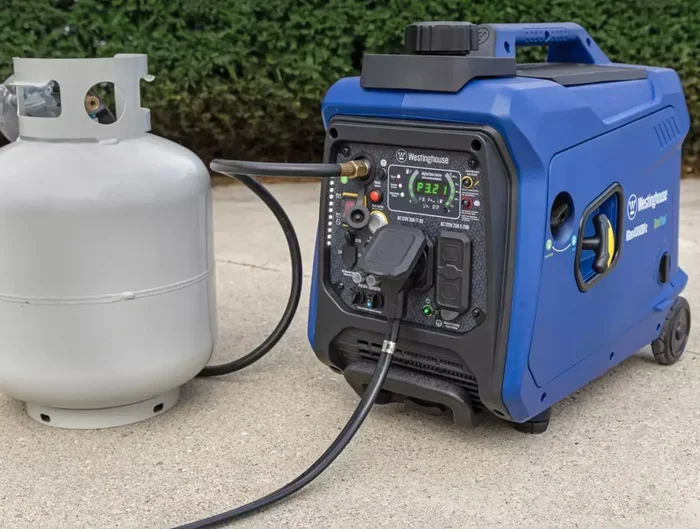
Propane models offer longer fuel shelf life and cleaner burning. They are a popular choice for people who need backup power for several days. Propane is also widely available at most gas stations and hardware stores.
One thing to keep in mind is that propane has a lower energy density than gasoline. This means a propane 5500 generator may use more fuel to produce the same amount of power. To understand fuel consumption better, take a look at our breakdown on How Much Propane Does A 20Kw Generator Use Per Hour.
Dual-Fuel 5500 Generators
Dual-fuel models let you switch between gasoline and propane. This gives you flexibility and lets you choose the fuel that is most available or affordable at the time. Dual-fuel 5500 generators are becoming increasingly popular because they offer the best of both worlds.
They tend to cost a bit more than single-fuel models, but the added versatility is well worth it for many users. If you are considering a dual-fuel unit, make sure to compare the runtime on each fuel type before buying.
5500 Generator Price and Value
Price is always a big factor when shopping for a generator. A 5500 generator price can range from around $500 for a basic gasoline model to over $1500 for a premium dual-fuel unit. Here is what you can expect at different price points:
- Budget Models ($400-$700): These are basic gasoline units from lesser-known brands. They get the job done but may lack advanced features like electric start or low-oil shutoff.
- Mid-Range Models ($700-$1100): This is the sweet spot for most buyers. You get reliable brands like Honda, Westinghouse, or Champion with good build quality and useful features.
- Premium Models ($1100-$1500+): These units offer dual-fuel capability, longer runtime, quieter operation, and better warranty coverage.
When evaluating price, think about what you will use the generator for. If you only need it a few times a year for camping, a budget model works fine. But if you plan to use it as a home backup power source, investing in a mid-range or premium model makes more sense.
For those interested in home backup options, you might also want to explore what powers a Generac home generator by visiting our detailed guide at What Powers A Generac Home Generator.
How Long Does a 5500 Generator Last?
The lifespan of a 5500 generator depends on how well you maintain it. A well-cared-for unit can last anywhere from 10 to 20 years. The engine hours matter too. Most generators are rated for about 2000 to 3000 hours before major maintenance is needed.
If you run your generator 100 hours per year, that means it could last 20 to 30 years. Regular oil changes, clean air filters, and fresh fuel are the simplest ways to extend your generator’s life. For more information on generator longevity, check out our article on How Long Does A Whole House Generator Last.
How to Choose the Right 5500 Generator
With so many options on the market, choosing the right 5500 generator can feel overwhelming. Here are the key factors to consider before you buy.
Step 1: Calculate Your Power Needs
Make a list of everything you want to run at the same time. Add up the running watts and note the starting watts for any motor-driven appliances. Choose a generator whose rated wattage exceeds your total running watts with some buffer.
Step 2: Decide on Fuel Type
Think about how often you will use the generator and where you will store it. If you want long fuel shelf life, go with propane or a dual-fuel model. If you want the lowest upfront cost, a gasoline model is the way to go.
Step 3: Check the Runtime
Runtime tells you how long the generator can run on a single tank of fuel. Most 5500 generators offer 8 to 12 hours at 50% load. Longer runtime means fewer refueling breaks, which is especially important during power outages.
Step 4: Look for Key Features
Here are features that make a real difference in usability and safety:
- Electric Start: No more pulling cords. Just push a button and go.
- Low-Oil Shutoff: This feature automatically turns off the engine when oil levels drop, preventing damage.
- Parallel Capability: Some models let you pair two generators for more power output.
- Multiple Outlets: Look for a mix of 120V and 240V outlets to cover different appliances.
- Fuel Gauge: A built-in gauge helps you monitor fuel levels without guessing.
Step 5: Read Reviews and Compare Brands
Before making a final decision, read user reviews and compare brands. Look for reliability ratings, noise levels, and customer service experiences. Trusted brands in this category include Honda, Westinghouse, Champion, and Generac.
Maintenance Tips for Your 5500 Generator
Keeping your 5500 generator in good shape does not take much effort. A little regular maintenance goes a long way toward preventing breakdowns and extending the life of your unit.
Oil Changes
Change the oil after the first 20 hours of use, then every 100 hours or at least once per season. Use the oil type recommended by the manufacturer. Fresh oil keeps the engine running smoothly and prevents wear.
Air Filter Maintenance
Check the air filter every few uses. Clean it with a soft brush or replace it if it looks dirty. A clogged air filter reduces engine performance and increases fuel consumption.
Spark Plug Care
Inspect the spark plug every 100 hours of use. Clean any carbon buildup with a wire brush. Replace the spark plug if the electrode is worn or damaged. A healthy spark plug ensures easy starting and efficient operation.
Fuel Storage
Always store fuel in a properly sealed container in a cool, well-ventilated area. Add fuel stabilizer if you plan to store the generator for more than 30 days. Stale fuel is one of the most common reasons generators fail to start after sitting unused for a while.
Run the Generator Regularly
Even if you do not need power, start your generator and let it run for 15 to 20 minutes every month. This keeps the engine lubricated and prevents stale fuel from clogging the carburetor. It also ensures the generator is ready to go when you need it most.
Common Mistakes to Avoid When Buying a 5500 Generator
Many buyers make avoidable mistakes when shopping for a generator. Here are the most common ones and how to steer clear of them.
Mistake 1: Ignoring Starting Wattage. Some people only look at running watts and forget about the surge wattage needed to start appliances. Always check both numbers before buying.
Mistake 2: Buying the Cheapest Model. Ultra-budget generators may save money upfront but often lack reliability, safety features, and good customer support. Spending a little more upfront saves money and frustration in the long run.
Mistake 3: Overlooking Noise Levels. Generators can be loud. If you plan to use it near your home or while camping, look for models with noise ratings under 70 decibels. Quieter models make the experience much more pleasant for everyone.
Mistake 4: Skipping the Warranty. A good warranty gives you peace of mind. Look for at least a 3-year warranty on the frame and a 1-year warranty on parts and labor. Brands like Honda often offer excellent warranty coverage.
Mistake 5: Not Planning for Ventilation. A generator must always be operated outdoors in a well-ventilated area. Never use it indoors or in a garage, even with the doors open. Carbon monoxide is a silent and deadly danger.
Expert Insights: Getting the Most Out of Your 5500 Generator
Experienced users and professionals share a few tips that can make a big difference in how you use and maintain your generator.
First, invest in a quality transfer switch if you plan to use the generator for home backup. A transfer switch lets you safely connect the generator to your home’s electrical panel without backfeeding power into the grid. This protects your appliances and the utility workers who service the lines.
Second, consider getting a generator cover or storage shed. Protecting your unit from rain, sun, and dust keeps it in better condition and extends its lifespan. A simple cover can prevent rust and corrosion on the engine and outlets.
Third, keep a maintenance log. Write down every oil change, filter replacement, and spark plug check. This habit helps you stay on top of maintenance and makes it easier to troubleshoot issues if something goes wrong.
Finally, always read the owner’s manual thoroughly before operating your generator. Each model has specific requirements and safety guidelines. Taking 20 minutes to read the manual can prevent costly mistakes and keep you safe.
Final Thoughts
A 5500 generator is a smart investment for anyone who needs reliable, portable power. Whether you are preparing for storm season, planning a camping trip, or powering tools at a job site, this size generator delivers the perfect balance of output and portability. By understanding your power needs, choosing the right fuel type, and staying on top of maintenance, you can enjoy years of dependable service from your unit.
Take your time comparing models, read real user reviews, and do not be afraid to spend a little extra for quality and reliability. The right 5500 generator will give you peace of mind whenever the power goes out or when you are off the grid. Happy shopping, and stay powered up.
Frequently Asked Questions
What appliances can a 5500 generator run?
A 5500 generator can comfortably run a refrigerator, microwave, lights, phone chargers, and a window air conditioner at the same time. It is ideal for essential household circuits during a power outage. Just make sure to account for starting wattage on motor-driven appliances.
How much does a 5500 generator cost?
You can find a 5500 generator anywhere from $400 to $1500 depending on the brand, fuel type, and features. Mid-range models around $700 to $1100 offer the best balance of quality and value for most users.
Can a 5500 generator power a whole house?
A 5500 generator is not powerful enough to run an entire home. It works best for essential circuits like the fridge, lights, and a few outlets. For whole-house coverage, you would need a larger standby generator unit.
What is the difference between starting and running wattage?
Starting wattage is the extra power needed to kick-start motor-driven appliances like refrigerators and air conditioners. Running wattage is the continuous power needed to keep those appliances running. A 5500 generator typically refers to the starting wattage, with running wattage around 4500 to 5000 watts.
How often should I change the oil in my 5500 generator?
Change the oil after the first 20 hours of use, then every 100 hours or at least once per season. Always use the oil type recommended by the manufacturer for best engine performance and longevity.
Is it safe to run a 5500 generator indoors?
No, never run a generator indoors or in an enclosed space. Generators produce carbon monoxide, which is odorless and extremely dangerous. Always operate your generator outdoors in a well-ventilated area at least 20 feet away from your home.