The Best Generator Fuel Types for Home and Backup Power
Choosing the right generator fuel is one of the most important decisions you can make for home backup power. Propane, gasoline, diesel, and natural gas each offer unique benefits for different needs and budgets. This guide breaks down every fuel type so you can pick the best option for your home and stay prepared during outages.
Power outages can happen without warning. Storms, grid failures, and equipment issues can leave your home in the dark for hours or even days. Having a backup generator is one of the smartest investments you can make. But a generator is only as good as the fuel you put in it. Generator fuel choice affects everything from runtime to cost to environmental impact.
Not all fuels are created equal. Some burn cleaner. Some last longer in storage. Some are cheaper to buy but harder to keep on hand. In this guide, we will walk you through every major generator fuel type for home and backup power. By the end, you will know exactly which fuel fits your situation best.
Whether you own a small portable unit or a whole-house standby system, understanding your fuel options puts you in control. Let us break it all down so you can make a confident, informed decision.
Key Takeaways
- Propane is the most versatile fuel: It stores indefinitely and burns clean, making it ideal for long-term backup power.
- Gasoline is the most common choice: It is easy to find and works well for portable generators, but it has a short shelf life.
- Diesel offers the best efficiency: Diesel generators last longer and use less fuel per hour compared to other types.
- Natural gas is the cleanest option: It connects directly to your home supply, so you never run out during extended outages.
- Fuel storage matters a lot: Proper storage extends fuel life and keeps your generator ready when you need it most.
- Your choice depends on your needs: Consider cost, availability, storage, and runtime before deciding on a fuel type.
📑 Table of Contents
Why Generator Fuel Choice Matters
You might think all fuels work the same way. They do not. The fuel you choose shapes your generator experience in big ways. It affects how long you can run your system, how much maintenance you need, and what you pay over time.
Here are the key factors that make generator fuel selection so important:
- Runtime: Different fuels burn at different rates. Some give you more hours per gallon. This matters a lot during long outages.
- Shelf life: Gasoline goes bad in just a few months. Propane can sit in a tank for years. Your storage situation should guide your choice.
- Availability: During emergencies, gas stations may run dry. Propane and natural gas are often easier to keep stocked.
- Cost: Fuel prices vary widely. Some options cost more upfront but save money over time.
- Environmental impact: Cleaner fuels produce fewer emissions. This matters if you care about your carbon footprint.
- Maintenance:Some fuels leave residue that builds up in your engine. Cleaner fuels mean less maintenance over the life of your generator.
When you take all of these factors into account, the right fuel choice becomes clear. It is not just about what is cheapest today. It is about what works best for your home, your budget, and your lifestyle.
Propane Generator Fuel
Why Propane Is a Top Choice for Home Backup
Propane is one of the most popular choices for home backup generators. It offers a great balance of convenience, storage life, and clean burning. Many homeowners choose propane because it solves several common fuel problems at once.
One of the biggest advantages of propane is its long shelf life. Unlike gasoline, propane does not degrade over time. You can store it in tanks for years and it will still work perfectly when you need it. This makes propane an excellent choice for emergency preparedness.
Propane also burns very clean compared to gasoline and diesel. This means less buildup inside your engine. You will spend less time on maintenance and more time with reliable power. Clean burning generator fuel like propane extends the life of your machine too.
How Much Propane Does a Generator Use?
The amount of propane your generator burns depends on the load and the size of the unit. A typical 20kW generator running at full load can use about 3 to 4 gallons of propane per hour. At partial load, that number drops significantly.
If you want detailed numbers for a specific setup, you can check out our guide on how much propane a generator uses per hour. That article breaks down exact consumption rates for different load levels.
Pros and Cons of Propane
- Pros: Long shelf life, clean burning, widely available, easy to store, works well in cold weather
- Cons: Lower energy density than gasoline, requires tank storage space, higher fuel cost per BTU
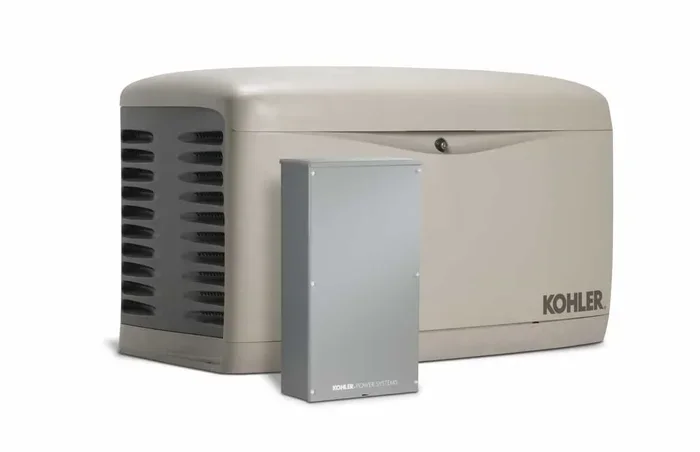
Propane is a strong option for homeowners who want reliability without the hassle of frequent fuel replacement. It is especially good for whole-house standby generators that need to run for extended periods.
Gasoline Generator Fuel
The Most Common and Accessible Fuel
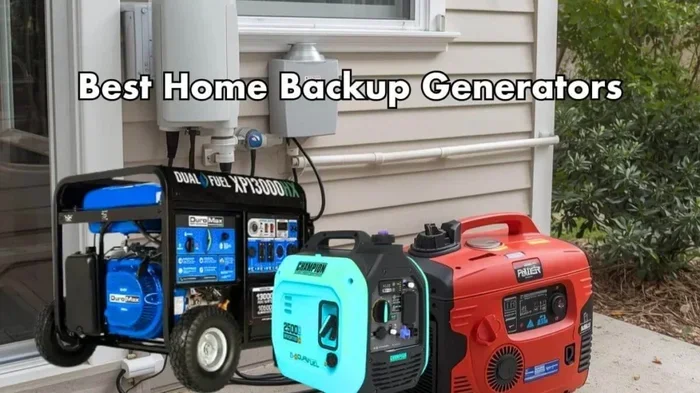
Gasoline is the most widely used generator fuel in the world. It powers the majority of portable generators on the market. The reason is simple: gasoline is easy to find and most people already know how to handle it.
Gasoline generators tend to be affordable and widely available at hardware stores. If you need quick backup power for a few essential appliances, a gasoline generator can get the job done. The generator fuel is also relatively easy to transport in approved containers.
The Shelf Life Problem
Here is the biggest issue with gasoline. It does not last long in storage. Pure gasoline starts to degrade within 30 to 90 days. After that, it can gum up your carburetor and cause starting problems. This makes gasoline a poor choice if you want a generator that sits ready for months at a time.
You can extend gasoline shelf life by adding a fuel stabilizer. Stabilized gasoline can last 6 to 12 months. But even with stabilizer, gasoline requires more ongoing maintenance than other fuel options.
Many people also wonder about storing gas near their homes. Generator fuel safety is important. Always store gasoline in approved containers in a well-ventilated area away from heat sources.
Pros and Cons of Gasoline
- Pros: Easy to find, affordable upfront, works with most portable generators, familiar to most users
- Cons: Short shelf life, requires stabilizers for storage, more maintenance, flammable storage concerns
Gasoline works best for people who use their generators frequently and can refill often. If you only need backup power for short outages, gasoline is a solid choice.
Diesel Generator Fuel
The Efficient Workhorse
Diesel has long been the fuel of choice for heavy-duty and industrial generators. It offers excellent energy density, meaning it delivers more power per gallon than gasoline or propane. If efficiency matters to you, diesel is hard to beat.
Diesel generators are known for their durability. They are built to run for long hours under heavy loads. The fuel itself lubricates the engine components, which reduces wear and tear over time. This means a diesel generator can last many years with proper care.
When Diesel Makes the Most Sense
Diesel is ideal for homeowners who need long runtime and high power output. It is also a good choice if you live in an area where gasoline is hard to come by during emergencies. Diesel fuel has a longer shelf life than gasoline, typically lasting 6 to 12 months with proper storage.
One downside is the upfront cost. Diesel generators tend to be more expensive than gasoline models. The fuel itself can also cost more per gallon in some regions. But the efficiency gains often offset the higher price over time.
Pros and Cons of Diesel
- Pros: Excellent fuel efficiency, long engine life, good shelf life, high power output, low maintenance
- Cons: Higher upfront cost, louder operation, heavier units, fuel can be harder to find in emergencies
If you are planning for a whole-house backup system and want maximum runtime per gallon, diesel deserves serious consideration.
Natural Gas and Alternative Fuels
Natural Gas: The Set-It-and-Forget-It Option
Natural gas is a fantastic option for home backup power. It connects directly to your existing gas line, which means you never have to worry about running out. As long as your home has gas service, your generator has fuel.
Natural gas burns cleaner than both gasoline and diesel. It produces fewer harmful emissions, which is better for the environment and for your neighborhood air quality. Many homeowners love that natural gas is a clean burning generator fuel that requires minimal storage.
The main limitation is availability. Not all homes have natural gas service. If you live in a rural area, propane might be your best alternative. But for homes connected to the grid gas supply, natural gas is incredibly convenient.
Other Alternative Fuels to Consider
The generator fuel market is evolving. New options are emerging that offer even more flexibility:
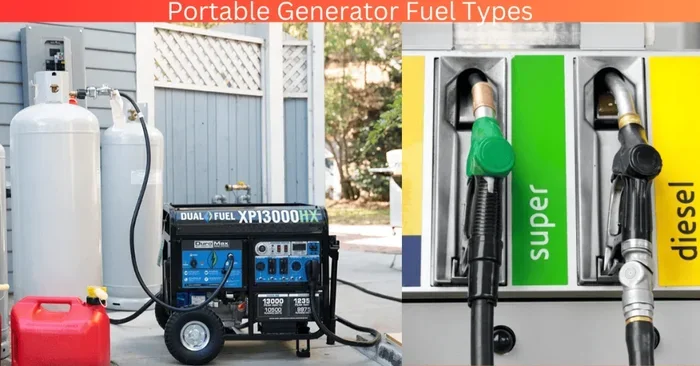
- Dual-fuel generators: These can run on both propane and gasoline. They give you flexibility to use whichever fuel is available.
- Tri-fuel generators: These add natural gas to the mix. You get three fuel options in one machine.
- Biofuels and ethanol blends: Some newer generators can run on renewable fuel blends. These options are still niche but growing.
When you are exploring alternative generator fuels, always check your generator manual first. Not all machines are compatible with every fuel type. Using the wrong fuel can damage your engine and void your warranty.
Fuel Storage and Safety Best Practices
How to Store Generator Fuel Safely
Proper fuel storage is just as important as choosing the right fuel type. Bad storage can ruin your fuel, damage your generator, and create safety hazards. Follow these guidelines to keep your fuel ready and your home safe.
Always use approved containers for fuel storage. Gasoline should go in UL-rated or OSHA-approved cans. Propane should be stored in certified tanks upright and away from living spaces. Diesel can be stored in bulk drums but should be kept in a cool, dry place.
Label every container clearly with the fuel type and the date it was stored. This prevents confusion and helps you rotate your stock. Old fuel should be properly disposed of or treated with stabilizer before use.
How Long Can You Store Generator Fuel?
Storage life varies by fuel type:
- Gasoline: 3 to 6 months without stabilizer, 6 to 12 months with stabilizer
- Propane: Indefinite when stored properly in sealed tanks
- Diesel: 6 to 12 months with proper storage and biocide treatment
- Natural gas: Not stored, it flows directly from the supply line
For more tips on keeping gas fresh in your generator, check out our article on how long you can leave gas in a generator. It covers practical storage timelines and best practices in detail.
Common Fuel Storage Mistakes to Avoid
- Storing fuel in unapproved containers or plastic jugs
- Keeping fuel containers near heat sources or in direct sunlight
- Ignoring fuel expiration dates and using old, degraded fuel
- Storing too much fuel in a small, poorly ventilated space
- Mixing different fuel types in the same container
Avoiding these mistakes keeps your fuel fresh and your generator running smoothly. A little planning goes a long way toward reliable backup power.
How to Choose the Right Generator Fuel for Your Home
Match Your Fuel to Your Needs
Choosing the right generator fuel comes down to understanding your specific situation. There is no single best fuel for everyone. The right choice depends on your home setup, your power needs, and your local conditions.
Here are some questions to ask yourself before deciding:
- How long do outages typically last in your area?
- Do you have access to natural gas lines?
- How much storage space do you have for fuel tanks?
- What is your budget for fuel and generator purchase?
- How much maintenance are you willing to do?
- Do you need power for the whole house or just essential circuits?
Your answers to these questions will point you toward the right fuel type. For example, if you live in an area with frequent long outages and no natural gas, propane is a strong choice. If you only need short-term backup power, gasoline might be all you need.
Comparing Fuel Costs and Efficiency
Cost is a major factor in choosing generator fuel. Here is a general comparison of what you can expect:
- Gasoline: Lowest upfront generator cost, moderate fuel cost, highest maintenance
- Propane: Moderate generator cost, moderate fuel cost, low maintenance
- Diesel: Higher generator cost, moderate fuel cost, lowest maintenance
- Natural gas: Moderate generator cost, lowest fuel cost, very low maintenance
Keep in mind that fuel prices change over time and vary by region. These comparisons give you a general idea of what to expect. Always check local fuel prices before making a final decision.
If you are planning to power essential home systems like heating and refrigeration, you may want to learn more about what size generator you need to run a furnace and refrigerator. The right generator size pairs perfectly with your chosen fuel for maximum efficiency.
Final Thoughts on Generator Fuel
Choosing the right generator fuel is one of the most important steps in preparing your home for power outages. Each fuel type has its strengths and weaknesses. Propane offers long shelf life and clean burning. Gasoline is accessible and affordable. Diesel delivers unmatched efficiency. Natural gas provides endless supply from your home line.
The best fuel for you depends on your home, your budget, and your backup power goals. Consider all the factors we discussed and choose the option that fits your life best. The most important thing is to have a plan and a ready-to-go generator when the power goes out.
Take the time to understand your fuel options now. When an outage hits, you will be glad you did. Your family will stay comfortable and safe no matter how long the lights are out.
Frequently Asked Questions
What is the best generator fuel for home backup power?
Propane is often considered the best overall fuel for home backup. It has an indefinite shelf life, burns clean, and works well with both portable and standby generators. However, the best fuel for your home depends on your specific needs, budget, and available fuel sources.
How long can gasoline sit in a generator before it goes bad?
Gasoline can start to degrade within 30 to 90 days. Without a fuel stabilizer, it may cause starting problems and engine issues. Adding a quality stabilizer can extend gasoline shelf life to 6 to 12 months. Always use fresh fuel for best generator performance.
Can I use propane and gasoline in the same generator?
Only if you have a dual-fuel or tri-fuel generator. Standard generators are designed for one fuel type. Using the wrong fuel can damage the engine. Always check your generator manual before adding fuel.
Is diesel or propane better for a whole-house generator?
It depends on your situation. Diesel offers better fuel efficiency and longer engine life. Propane burns cleaner and has a longer shelf life. Both are excellent choices for whole-house backup. Consider your local fuel costs and storage options when deciding.
How much fuel should I store for emergency backup?
A good rule of thumb is to store enough fuel for 72 hours of continuous generator operation. For a typical home, this means 15 to 20 gallons of gasoline or several 20-pound propane tanks. Always store fuel safely and rotate your stock regularly.
What fuel is the safest to store at home?
Propane is the safest fuel to store at home for long periods. It does not degrade, it is stored in sealed tanks, and it has a lower fire risk than gasoline when handled properly. Always follow local regulations for fuel storage and keep containers in well-ventilated areas away from living spaces.