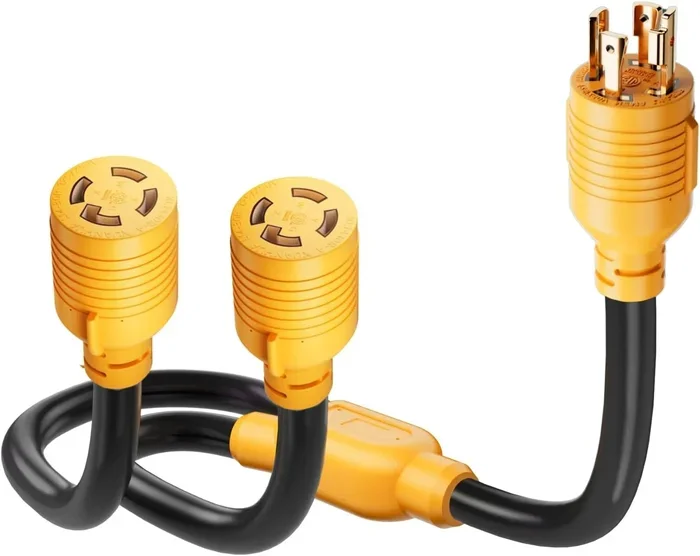
How to Choose the Best 30amp Generator Cord for Your Needs
A 30amp generator cord is essential for safely powering your home or tools during outages. Choosing the right cord ensures efficient power delivery, prevents electrical hazards, and extends the life of your generator. This guide covers types, features, sizing, safety, and common mistakes to help you make the best choice.
A 30amp generator cord is one of the most important pieces of equipment you can own when you need backup power. Whether you are preparing for storm season, running tools on a job site, or keeping your essentials running during an outage, the right cord makes all the difference. A poor choice can lead to power loss, overheating, or even electrical fires.
In this guide, we walk you through everything you need to know about selecting the best 30amp generator cord for your setup. We cover types, features, sizing, safety tips, and common mistakes so you can power up with confidence. Let us dive in.
Key Takeaways
- Match the cord to your generator’s output: A 30amp generator cord must match your generator’s voltage and wattage to work safely.
- Gauge and length matter: Thicker cords (lower gauge) and shorter lengths deliver power more efficiently with less voltage drop.
- Weatherproof cords are a must: Outdoor use requires cords rated for moisture, UV exposure, and temperature extremes.
- Safety features prevent disasters: Look for surge protection, grounded plugs, and weather-resistant covers.
- Avoid common mistakes: Never daisy-chain cords, ignore wattage limits, or use indoor cords outdoors.
- Know your generator type: Portable and standby generators have different cord requirements and outlet configurations.
- Check local codes: Always verify local electrical codes before setting up your generator cord connection.
📑 Table of Contents
Understanding 30amp Generator Cords
A 30amp generator cord is a heavy-duty electrical cable designed to connect your generator to your home, appliances, or tools. It handles up to 30 amps of current, which is enough to power most essential household circuits or heavy-duty equipment. These cords come in different shapes, sizes, and configurations to match various generators and needs.
The most common type is the NEMA L14-30 plug, which features four prongs and handles both 120V and 240V connections. You will also encounter NEMA TT-30 plugs, which are standard on many portable generators. Understanding the difference matters because using the wrong plug type can be dangerous and will not work at all.
If you are new to generators, think of the cord as the bridge between your generator and your power needs. A weak or mismatched bridge fails under pressure. The same applies to your generator power cord. Always match the cord rating to your generator’s output rating.
Why Cord Quality Matters
Not all cords are created equal. A cheap 30amp generator cord may seem like a good deal at the store, but it can overheat under load. Poor-quality copper, thin insulation, and flimsy plugs all compromise safety. Investing in a high-quality cord protects your equipment and your family.
Look for cords with thick copper conductors, heavy-duty rubber or vinyl jackets, and secure plug connections. These features ensure reliable power delivery and long-lasting performance. A good cord should also be flexible enough to handle without kinking or tangling.
Types of 30amp Generator Cords
Not all 30amp generator cords are the same. Different types serve different purposes, and choosing the right one depends on how you plan to use your generator. Here are the most common types you will encounter.
Generator-to-Home Cords
These cords connect your generator directly to your home’s electrical panel. They are also called generator inlet cords. They typically feature a NEMA L14-30 plug on one end and a flush-mount inlet on the other. This setup allows you to power your entire house or select circuits through a transfer switch.
If you want to learn more about safely connecting your generator to your home, check out our guide on how to run a generator to your house for detailed steps and safety tips.
Portable Generator Cords
Portable generators often use NEMA TT-30 plugs. These cords are designed for lighter-duty use, such as powering camping equipment, RV appliances, or small tools. They are shorter and more compact than home connection cords, making them easy to transport.
While they handle 30 amps, they are typically rated for 120V only. Do not confuse these with the L14-30 cords, which handle 240V. Using the wrong cord type can damage your generator and connected devices.
Extension Cords for Generators
Extension cords let you place your generator farther away from your home or work area. They are useful for powering specific tools or appliances outdoors. Look for cords rated for outdoor use with thick gauges and weather-resistant jackets.
For a deeper look at generator sizing and what your generator can power, see our article on what size generator to run furnace and refrigerator. It covers wattage requirements for common household appliances.
Key Features to Look For
When shopping for a 30amp generator cord, several features stand out. Here is what you should prioritize to get the best value and safety.
Wire Gauge
Wire gauge determines how much current a cord can safely carry. For a 30amp generator cord, you want at least 10 AWG (American Wire Gauge). Thicker wire means less resistance and better performance over longer distances. Here is a quick reference:
- 10 AWG: Ideal for 30 amps at up to 50 feet
- 8 AWG: Best for 30 amps over 50 to 100 feet
- 6 AWG: Recommended for runs over 100 feet
Using a thinner gauge than recommended causes voltage drop and overheating. This is one of the most common mistakes people make when buying generator cords.
Cord Length
Longer cords are convenient, but they also cause more voltage drop. For a 30amp generator cord, keep the length as short as practical while still reaching your destination. If you must use a longer cord, step up the gauge size to compensate.
Weather Resistance
If you use your generator outdoors, your cord needs to handle the elements. Look for cords with weather-resistant jackets, UV protection, and moisture seals. A weatherproof generator cord prevents short circuits and extends the life of the cable.
Plug and Connector Quality
The plug end of your cord takes the most abuse. Choose cords with heavy-duty, molded plugs that resist corrosion and impact. Gold-plated or nickel-plated contacts offer better conductivity and durability than cheap zinc alloy connectors.
Surge Protection
Some 30amp generator cords come with built-in surge protection. This is especially useful when powering sensitive electronics like computers or TVs. Surge protection absorbs voltage spikes that can damage your devices. It is a small added cost that provides big peace of mind.
How to Match Your Cord to Your Generator
Matching your cord to your generator is simple but critical. Start by checking your generator’s output rating on the label or in the manual. Look for the voltage (120V or 240V) and the amperage (usually 30A). Then select a cord that matches or exceeds these ratings.
Next, check the plug type. Most 30-amp generators use either a NEMA L14-30 or NEMA TT-30 plug. Make sure your cord has the matching connector on both ends. Using an adapter is possible but adds another point of potential failure.
If you are unsure about your generator’s requirements, the guide on what powers a Generac home generator can help clarify common generator wattage and cord specifications.
Matching Chart
Here is a simple chart to help you match your generator to the right cord type:
- 30A / 120V Generator: Use a NEMA TT-30 cord with 10 AWG wire
- 30A / 240V Generator: Use a NEMA L14-30 cord with 10 AWG wire
- 30A / 120/240V Generator: Use a NEMA L14-30 cord with 10 AWG wire for full versatility
Always double-check your generator’s specifications before purchasing. A mismatch can lead to poor performance or dangerous overheating.
Safety Tips for Using Generator Cords
Safety should always come first when working with generator cords. A 30amp generator cord carries significant electrical current, and mistakes can have serious consequences. Follow these safety tips every time you use your generator.
Never Daisy-Chain Cords
Never plug one extension cord into another. Daisy-chaining increases resistance, causes overheating, and creates a fire hazard. If you need more length, buy a single cord that is long enough. This is a rule that cannot be overstated.
Keep Cords Dry
Water and electricity are a deadly combination. Always keep your generator power cord elevated off wet ground. Use cord covers or hang the cord on a cord reel to keep it dry during rainy conditions.
Inspect Before Every Use
Before each use, inspect your cord for cuts, frays, exposed wires, or damaged plugs. Even a small crack in the insulation can cause a shock or short circuit. Replace any damaged cord immediately. Do not try to tape over damaged areas and keep using them.
Use a Transfer Switch
For home backup power, always use a transfer switch with your generator cord. A transfer switch prevents backfeeding, which can electrocute utility workers and damage your generator. It also ensures a clean, safe power connection to your home’s electrical system.
Store Cords Properly
When not in use, store your cords coiled loosely in a dry, cool place. Avoid leaving them in direct sunlight or in damp areas. Proper storage prevents insulation breakdown and extends the life of your cord.
If you want to learn more about generator maintenance and longevity, our article on how long you can leave gas in a generator covers fuel storage tips that complement safe cord usage.
Common Mistakes to Avoid
Even experienced generator users make mistakes with their cords. Here are the most common errors and how to avoid them.
Buying the Wrong Gauge
The most common mistake is buying a cord with too thin a wire gauge. A 12 AWG cord might seem fine, but it cannot safely handle 30 amps over any real distance. This causes the cord to heat up, which damages the insulation and creates a fire risk. Always go with 10 AWG or thicker for a 30amp generator cord.
Ignoring Voltage Drop
Voltage drop occurs when a cord is too long or too thin for the current it carries. Signs of voltage drop include dimming lights, sluggish tools, and generators that run hotter than normal. To avoid this, keep cord runs short and use adequate gauge sizes.
Using Indoor Cords Outdoors
Indoor cords lack the insulation and weather resistance needed for outdoor use. They degrade quickly when exposed to sun, rain, and temperature changes. Always use cords rated for outdoor applications when powering your generator outside.
Overloading the Cord
Every cord has a maximum amperage rating. Exceeding that rating by plugging in too many devices causes overheating. Add up the wattage of all connected devices and make sure it stays within the cord’s capacity. A 30amp generator cord at 120V can handle up to 3,600 watts safely.
Skipping the Ground Connection
Never use a cord without a proper ground connection. The ground pin protects you from electrical shock. If your cord has a three-prong plug but your outlet is ungrounded, do not use it until you fix the grounding issue.
Best Practices for Long-Term Cord Care
Your 30amp generator cord is an investment. Taking care of it ensures it lasts for years and performs safely every time you need it.
Clean Your Cords Regularly
Dirt, grease, and debris can damage cord insulation over time. Wipe down your cords after each use and store them clean and dry. This simple habit prevents corrosion and extends the life of the cable.
Check for Wear and Tear
Even with proper storage, cords wear out over time. Inspect the entire length of the cord regularly, including the plug ends. Replace any cord that shows signs of cracking, stiffening, or discoloration in the jacket.
Label Your Cords
If you have multiple cords for different generators or purposes, label them clearly. This prevents confusion and ensures you always use the right cord for the right job. A simple piece of tape with the cord’s rating and length goes a long way.
For more generator-related tips and tools, visit our Generator Miami resources page for local advice and equipment guides.
Final Thoughts
Choosing the right 30amp generator cord does not have to be complicated. Focus on matching the cord to your generator’s output, using the correct gauge, and prioritizing safety features. A quality cord delivers reliable power delivery every time you need it.
Remember to inspect your cords regularly, store them properly, and never take shortcuts with safety. Your generator is only as good as the connection between it and your devices. A well-chosen 30amp generator cord ensures that connection is safe, efficient, and long-lasting.
Take the time to evaluate your power needs, compare your options, and invest in a cord that will serve you well for years. Whether you are preparing for the next storm or powering your job site daily, the right cord gives you peace of mind and reliable performance.
Frequently Asked Questions
What is the best length for a 30amp generator cord?
The best length depends on your setup, but 25 to 50 feet is ideal for most home uses. Longer cords cause voltage drop, so keep runs under 100 feet and use a thicker gauge if you need more length. Always measure the distance between your generator and the point of use before buying.
Can I use a 30amp generator cord indoors?
Yes, but only if the cord is rated for indoor use and you have proper ventilation. Generators produce carbon monoxide, so never run a generator indoors regardless of the cord you use. Always operate your generator in a well-ventilated outdoor area.
What is the difference between a NEMA L14-30 and NEMA TT-30 cord?
A NEMA L14-30 cord handles both 120V and 240V connections, making it more versatile for home backup power. A NEMA TT-30 cord is rated for 120V only and is commonly used on portable generators and RVs. Always match the plug type to your generator’s output.
How do I know if my 30amp generator cord is overloaded?
Signs of overload include the cord feeling hot to the touch, flickering lights, and the generator shutting down unexpectedly. Check the total wattage of all connected devices and make sure it stays within the cord’s rated capacity of 3,600 watts at 120V.
Is a surge protector necessary for a generator cord?
A surge protector is not strictly necessary but highly recommended, especially when powering sensitive electronics. It protects your devices from voltage spikes that can occur during generator startup or power fluctuations. It is a small investment that can save expensive equipment.
Can I run a 30amp generator cord through a window or wall?
You should never run a generator cord through a window or wall opening without proper protection. Sharp edges can cut the insulation, and enclosed spaces cause heat buildup. Use a cord cover or pass-through kit designed for generator cords to keep the cable safe from damage.
=== CONCLUSION ===
Choosing the best 30amp generator cord comes down to understanding your power needs, matching the right gauge and length, and prioritizing safety. A well-selected cord delivers reliable power delivery for your home, tools, or appliances when you need it most. Follow the tips in this guide, avoid common mistakes, and invest in quality gear that will serve you for years.
Take action today. Review your generator’s specifications, measure your cord run distance, and pick the perfect 30amp generator cord from your local hardware store or online retailer. Your future self will thank you when the power goes out and everything just works.