3500 Watt Inverter Generator Buyers Guide for Beginners
A 3500 watt inverter generator is a powerful yet portable solution for clean, reliable electricity during outages, camping trips, and outdoor events. This buyers guide breaks down everything beginners need to know, from understanding wattage and fuel efficiency to choosing the right model for your needs. You will learn how inverter technology delivers safe power for sensitive electronics and why this size hits the sweet spot between portability and performance.
Key Takeaways
- Clean Power Output: Inverter generators produce a stable sine wave that safely powers laptops, phones, and TVs without damaging sensitive electronics.
- Fuel Efficiency Matters: A 3500 watt unit typically runs 8 to 12 hours on a single tank, making it ideal for extended use.
- Portability Is a Key Advantage: Most models in this range weigh between 50 and 70 pounds, making them easy to transport.
- Parallel Capability Adds Flexibility: Many 3500 watt units can pair with another generator to double your power output.
- Noise Levels Are Surprisingly Low: Inverter technology keeps decibel levels between 50 and 65 dB, which is quieter than traditional generators.
- Right-Sizing Your Generator: A 3500 watt unit fits most essential household needs during a power outage, from refrigerators to lights.
📑 Table of Contents
- Why a 3500 Watt Inverter Generator Is Perfect for Beginners
- Understanding 3500 Watt Inverter Generator Basics
- Key Features to Look For in a 3500 Watt Inverter Generator
- What Can a 3500 Watt Inverter Generator Power?
- Inverter Technology: Why It Matters
- Top Brands and Models to Consider
- Maintenance Tips for Long Generator Life
- Common Mistakes Beginners Make
- How to Choose the Right 3500 Watt Inverter Generator for You
- Final Thoughts
Why a 3500 Watt Inverter Generator Is Perfect for Beginners
Power outages happen when you least expect them. Storms knock down lines. Equipment fails. And suddenly, you are sitting in the dark with a dead phone and a spoiling fridge. A 3500 watt inverter generator solves all of that and more. It gives you reliable electricity without the bulk and noise of older generator models.
If you are new to portable power, this guide will walk you through everything. We cover what a 3500 watt unit can run, how to pick the right model, and what features really matter. By the end, you will feel confident making a smart purchase. Let us get started.
Inverter technology is the big difference-maker. Traditional generators produce raw, unstable power that can harm sensitive devices. Inverter generators clean up that power into a smooth, steady flow. This means you can safely plug in your laptop, TV, and phone charger without worry. That alone makes them a top choice for beginners.
Understanding 3500 Watt Inverter Generator Basics
What Does 3500 Watts Actually Mean?
Wattage tells you how much power a generator can produce. A 3500 watt inverter generator delivers up to 3500 watts of starting power and around 3000 watts of running power. The starting wattage handles the initial surge when you turn on an appliance. The running wattage keeps it going steadily.
Here is a simple way to think about it. A refrigerator needs about 1200 to 1500 watts to run. A window AC unit pulls around 1500 watts. A microwave uses roughly 1000 watts. Add a few lights and phone chargers, and you are still within the 3500 watt limit. This makes a 3500 unit perfect for handling essentials during an outage.
Running Watts vs Surge Watts
Every generator lists two numbers. Running watts are the continuous power output. Surge watts are the extra burst for a few seconds. Most household motors need that surge to start up. A 3500 watt inverter generator gives you enough headroom to handle multiple devices at once.
Quick tip: always add up the wattage of everything you plan to run. Then add a 20 percent buffer. This prevents overloading and keeps your generator running safely.
Key Features to Look For in a 3500 Watt Inverter Generator
Not all generators are created equal. Some models pack extra features that make a real difference in daily use. Here are the most important things to check before buying.
Fuel Type and Efficiency
Most 3500 watt inverter generators run on gasoline. Some models offer dual fuel capability, letting you switch between gasoline and propane. Propane burns cleaner and stores longer, which is great for emergency stockpiling. If you are curious about fuel consumption rates, check out our guide on how much propane does a 20kw generator use per hour for a deeper look at fuel efficiency across different generator sizes.
Fuel efficiency is a huge factor. Inverter generators use eco mode to adjust engine speed based on the load. This means less fuel burned and longer runtime. A full tank on a 3500 watt unit can last anywhere from 8 to 14 hours depending on the load and fuel type.
Noise Level and Decibel Rating
One of the biggest complaints about generators is noise. Traditional open-frame generators can hit 75 dB or louder. That is like a busy street. A 3500 watt inverter generator typically runs between 50 and 65 dB. That is closer to a normal conversation. This makes it much more pleasant for camping, tailgating, or running overnight during an outage.
Look for models with sound-dampening enclosures and quiet exhaust systems. The difference in noise levels between brands can be significant, so always check the decibel rating before you buy.
Portability and Weight
A portable generator should be easy to move. Most 3500 watt units weigh between 50 and 75 pounds. They come with built-in handles and often folding wheels for rolling transport. If you plan to use it for camping or RV trips, look for lighter models around 50 pounds.
Quick tip: check the dimensions too. A compact unit fits better in a truck bed or storage closet. Some models are surprisingly small for their power output, so do not assume bigger wattage means bigger size.
Outlets and Connectivity
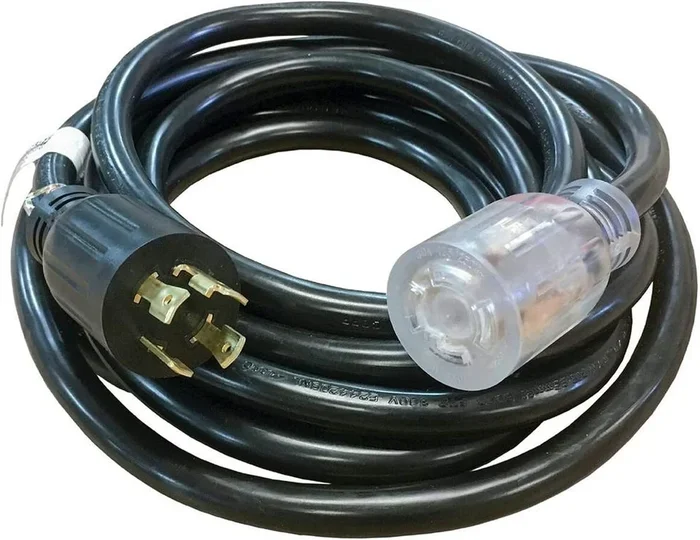
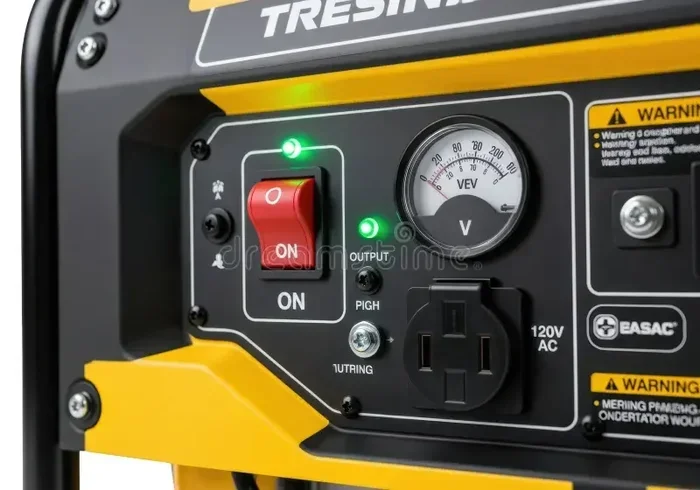
The number and type of outlets matter more than people think. A good 3500 watt inverter generator should have at least one 120V 30A outlet, a few 120V 20A household outlets, and a USB port. The 30A outlet is important because it lets you connect the generator directly to your home panel using a transfer switch.
If you want to learn more about safely connecting a generator to your home, read our article on how to run generator to house for step-by-step guidance on safe installation.
What Can a 3500 Watt Inverter Generator Power?
This is one of the first questions beginners ask. The answer depends on what you plug in and how many things you run at once. Here is a practical breakdown.
A 3500 watt inverter generator can comfortably handle these essentials during a power outage:
- Refrigerator: 1200 to 1500 watts running
- Sump pump: 1300 to 1500 watts starting
- Lights (4 to 6 bulbs): 200 to 400 watts total
- Phone and laptop chargers: 50 to 100 watts combined
- TV: 100 to 200 watts
- Window fan: 100 to 200 watts
Add these up and you are using around 2500 to 3000 watts. That leaves a comfortable buffer for starting surges. You will not be able to run a central air conditioner on 3500 watts, but you can run a window unit alongside a fridge and lights.
For a more detailed look at sizing your generator for specific household appliances, check out our guide on what size generator to run furnace and refrigerator. It helps you match the right wattage to your exact needs.
What a 3500 Watt Unit Cannot Power
It is equally important to know the limits. A 3500 watt generator will struggle with these high-draw appliances:
- Central air conditioning units: typically need 5000 watts or more
- Electric water heaters: draw 3000 to 4500 watts
- Electric ovens or ranges: need 2000 to 5000 watts
- Well pumps with high head pressure: can exceed 3500 watts
Trying to power these appliances will trip the generator’s breaker or damage the unit. Always check the wattage of each device before plugging it in.
Inverter Technology: Why It Matters
Inverter generators work differently from conventional generators. A conventional generator runs the engine at a constant 3600 RPM to produce 60 Hz power. If the load changes, the frequency fluctuates. This creates dirty power that can damage electronics.
An inverter generator does three things. First, it produces AC power like a conventional unit. Second, it converts that AC power to DC. Third, it inverts the DC back into clean AC power. The result is a pure sine wave output that is as stable as the power from your wall outlet.
This matters for several reasons:
- Safe for laptops and phones: No risk of voltage spikes damaging your devices
- Cleaner for medical equipment: CPAP machines and oxygen concentrators need stable power
- Better for tools: Sensitive electronics in modern power tools run more efficiently
- Reduced total harmonic distortion: Clean power means less heat and longer device life
If you want to explore other generator-related tools and resources, visit our Generator Miami section for additional guides and tips.
Top Brands and Models to Consider
The market for 3500 watt inverter generators is competitive. Several brands stand out for reliability, value, and features. Here are some names to research.
Honda EU3000iS
Honda is a gold standard in the inverter generator world. The EU3000iS delivers clean, quiet power with excellent fuel economy. It weighs about 47 pounds and runs remarkably quietly. The downside is price. Honda units cost more than most competitors, but they also last longer.
Champion 3500-Watt Dual Fuel
Champion offers strong value for the price. Their dual fuel models let you run on gasoline or propane. They include electric start, remote start, and multiple outlets. Runtime is solid at around 9 hours on gasoline. This is a great option for beginners who want features without a premium price tag.
Westinghouse iGen3500
Westinghouse builds reliable inverter generators with a strong feature set. The iGen3500 includes a wireless remote start, eco mode, and a large fuel tank for extended runtime. It is one of the most popular choices for first-time buyers because it balances price and performance well.
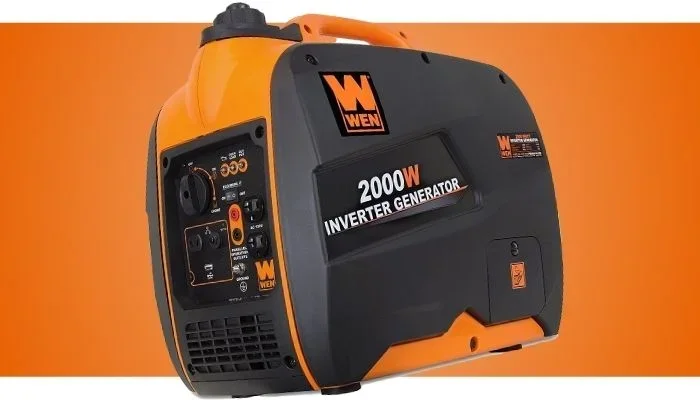
WEN 56380i
WEN offers a budget-friendly option that does not skimp on essential features. The 56380i includes parallel capability, meaning you can pair it with another WEN unit to double your output. It also features a low-oil shutdown for engine protection. This is ideal for someone who wants to test the waters without a big investment.
Briggs and Stratton 3500-Watt Inverter
Briggs and Stratton brings decades of engine experience to their inverter line. Their 3500 watt models are durable and easy to maintain. They also offer excellent customer support and a wide network of service centers across the country.
Maintenance Tips for Long Generator Life
A 3500 watt inverter generator will last for years with proper care. Maintenance is simple and does not require expert skills. Follow these basic steps to keep your unit running strong.
Change the oil regularly. Most manufacturers recommend an oil change after the first 20 hours of use, then every 100 hours after that. Use the oil type specified in the owner manual.
Check the air filter monthly. A dirty air filter reduces engine performance and fuel efficiency. Clean it with soap and water or replace it if it is heavily clogged.
Use fresh fuel. Gasoline degrades within 30 days. If you store your generator for long periods, use a fuel stabilizer. This prevents gum buildup in the carburetor and ensures easy starting.
Now, regarding fuel storage, you might wonder how long you can actually leave gas sitting in the tank. Our article on how long can you leave gas in a generator covers this topic in detail and offers practical storage tips.
Run the generator monthly. Even if you do not need it, start it up for 15 minutes once a month. This keeps the engine lubricated and prevents fuel system issues. It also ensures the generator is ready when you actually need it.
Store it properly. Keep the generator in a dry, ventilated area. Never run it indoors or in enclosed spaces. Carbon monoxide is a serious and silent danger. Always operate the unit outdoors at least 20 feet from your home, with the exhaust pointing away from windows and doors.
Common Mistakes Beginners Make
Avoiding common errors saves money, time, and frustration. Here are mistakes new buyers frequently make.
- Underestimating wattage needs: Always add up everything you plan to run. Do not guess.
- Overloading the generator: Plugging in too many devices at once trips the breaker and can damage the unit.
- Ignoring the oil level: Running a generator with low oil causes engine damage. Check before every use.
- Using old fuel: Stale fuel causes starting problems and poor performance. Use fresh gasoline and add stabilizer.
- Running the generator indoors: This is extremely dangerous. Carbon monoxide poisoning can happen in minutes.
- Skipping the break-in period: New generators need a light-load break-in period for the engine to seat properly.
By knowing these pitfalls ahead of time, you set yourself up for a smooth and safe experience with your new generator.
How to Choose the Right 3500 Watt Inverter Generator for You
With so many options available, narrowing down your choice comes down to a few personal factors. Ask yourself these questions before you buy.
What will you use it for? If you need backup power for a home during outages, prioritize runtime and outlet options. If you want it for camping, prioritize weight and noise level. For job sites, look for rugged construction and durable wheels.
What is your budget? Prices for 3500 watt inverter generators range from around 500 to 2000 dollars. Set a realistic budget based on how often you will use the unit and what features matter most to you.
Do you need parallel capability? This feature lets you connect two compatible generators to double your power output. It is a great option if you think your power needs might grow over time.
How important is noise? If you plan to use the generator near neighbors or in campgrounds, prioritize models rated below 60 dB.
What warranty does the brand offer? A solid warranty reflects manufacturer confidence. Look for at least a 3-year warranty with accessible customer support.
Final Thoughts
A 3500 watt inverter generator is one of the smartest investments you can make for home backup power, outdoor adventures, or job site needs. It delivers clean, reliable electricity in a package that is quiet, portable, and fuel-efficient. Whether you are preparing for the next storm or planning a weekend camping trip, the right inverter generator keeps your essential devices running without interruption.
Take the time to compare models, read reviews, and understand your power needs. The right 3500 watt unit will serve you well for many years. Start with the basics covered in this guide, and you will be well on your way to choosing a generator that fits your life perfectly.
Remember to maintain your unit properly, follow all safety guidelines, and never hesitate to consult the owner manual for specific instructions. A little knowledge goes a long way toward getting the most from your investment.
Frequently Asked Questions
What appliances can a 3500 watt inverter generator run?
A 3500 watt inverter generator can run a refrigerator, lights, phone chargers, a TV, a sump pump, and a window fan all at the same time. It handles most household essentials during a power outage. However, it cannot power central air conditioning or electric ovens, which require more wattage.
Is a 3500 watt inverter generator loud?
No, inverter generators are significantly quieter than traditional models. Most 3500 watt units run between 50 and 65 decibels. That is about as loud as a normal conversation or a quiet restaurant. This makes them suitable for camping, neighborhoods, and overnight use.
How long can a 3500 watt inverter generator run on one tank of gas?
Runtime varies by model and load, but most 3500 watt units run 8 to 14 hours on a full tank. Eco mode extends runtime by adjusting the engine speed to match the electrical demand. Lighter loads mean longer runtime, while heavy loads drain the tank faster.
Can I connect two 3500 watt generators together?
Yes, many models offer parallel capability, which lets you connect two compatible units to double your power output. This is useful if your power needs grow or if you need extra capacity for tools and appliances. Check that both units are parallel-compatible before purchasing.
Do I need a transfer switch to use a generator at home?
A transfer switch is strongly recommended for safe home backup power. It connects the generator directly to your home’s electrical panel and prevents backfeeding into the grid, which is dangerous for utility workers. You can learn more about safe setup in our guide on how to run a generator to your house.
What is the difference between an inverter generator and a conventional generator?
A conventional generator produces raw AC power with fluctuating voltage and frequency. An inverter generator converts AC to DC and then back to clean AC power, delivering a stable sine wave. This makes inverter generators safer for sensitive electronics like laptops, phones, and medical devices. They are also lighter, quieter, and more fuel-efficient.