The Best Propane Generator for Home Backup Power Guide
Finding the right propane generator for home backup keeps your family safe when the power goes out. Propane generators offer clean fuel, long shelf life, and reliable runtime. This guide walks you through the best models, how to pick the right size, and simple maintenance tips. You will learn everything you need to choose a backup power system that works for your home.
Power outages can strike without warning. Storms, grid failures, or equipment malfunctions can leave your home in the dark for hours or even days. A propane generator for home backup solves this problem quickly and reliably.
Unlike gasoline units, propane generators burn cleaner and store fuel safely for long periods. You do not have to worry about fuel going bad before your next emergency. This makes propane a smart choice for homeowners who want dependable backup power year-round.
In this guide, we break down the best propane generators on the market, explain how to choose the right size, and share practical tips for setup and care. By the end, you will feel confident picking the perfect unit for your home.
Key Takeaways
- Propane generators burn cleaner: They produce fewer emissions than gasoline units, making them safer for indoor-adjacent placement.
- Longer fuel shelf life: Propane does not degrade like gasoline, so your fuel stays ready for months or even years.
- Right-sizing matters: Matching your generator wattage to your essential loads prevents overload and saves fuel.
- Installation is straightforward: Most home backup propane generators connect easily with an automatic transfer switch.
- Maintenance is simple: Regular oil changes, filter checks, and exercise cycles keep your unit running smoothly.
- Propane costs are stable: Fuel prices tend to be more predictable than gasoline or diesel over time.
📑 Table of Contents
- Why Propane Generators Are Great for Home Backup
- Top Propane Generators for Home Backup Power
- How to Choose the Right Size Propane Generator
- Propane Generator Installation and Setup
- Propane Generator Maintenance Tips
- Propane vs Gasoline Generators: Which Is Better?
- Common Mistakes to Avoid with Propane Generators
- How Long Does a Propane Generator Last?
- Final Thoughts on Choosing the Best Propane Generator for Home Backup
Why Propane Generators Are Great for Home Backup
Propane generators have several clear advantages over other fuel types. Let us look at why homeowners are choosing them more and more.
Cleaner Burning Fuel
Propane produces fewer harmful emissions than gasoline or diesel. This means less carbon monoxide buildup and a smaller environmental footprint. If you live in an area with strict air quality rules, a propane unit often meets them more easily.
Fuel That Lasts
Gasoline can go bad in just a few months. Propane, on the other hand, stays usable for years when stored properly. You can fill your tank and forget about it until you need it. This is a huge advantage for emergency preparedness.
Easy Fuel Access
Propane is widely available across the United States. You can buy it at most hardware stores, gas stations, or from local propane suppliers. Many homeowners already have a propane tank for their grill or heating system, which makes adding a generator even easier.
Quieter Operation
Many modern propane generators run quieter than their gasoline counterparts. This matters if you live in a suburban neighborhood or have close neighbors. A quiet unit keeps everyone comfortable during a power outage.
Top Propane Generators for Home Backup Power
Not all generators are created equal. Some are built for portability, while others are designed to power your entire house. Here are some of the best options for home backup.
Portable Propane Generators
Portable propane generators are affordable and easy to move around. They typically range from 2,000 to 7,500 watts. These units work well for running essentials like refrigerators, lights, and a few electronics.
A portable unit is a great choice if you only need to cover a few key appliances during an outage. They are also ideal for camping trips or job sites. Look for models with multiple fuel outlets and easy start features.
Standby Propane Generators
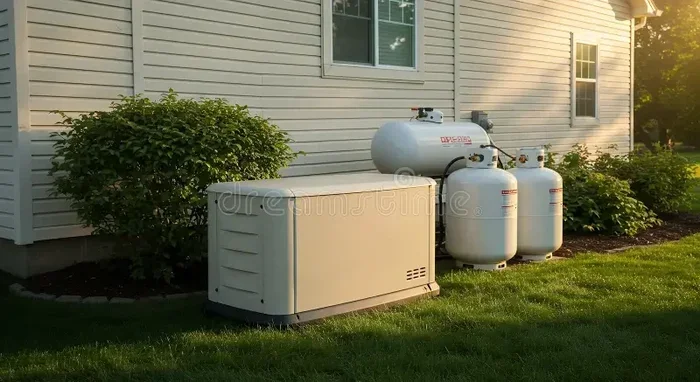
Standby generators are the heavy-duty option for whole-home protection. They connect directly to your propane line and kick on automatically when power is lost. These units typically range from 7,000 to 20,000 watts or more.
A standby propane generator for home backup keeps your furnace, refrigerator, sump pump, and electronics running without any effort on your part. They are the gold standard for homeowners who want zero downtime during outages.
When shopping for a standby unit, check the what a Generac home generator powers to understand which loads different models can handle.
Dual-Fuel Generators
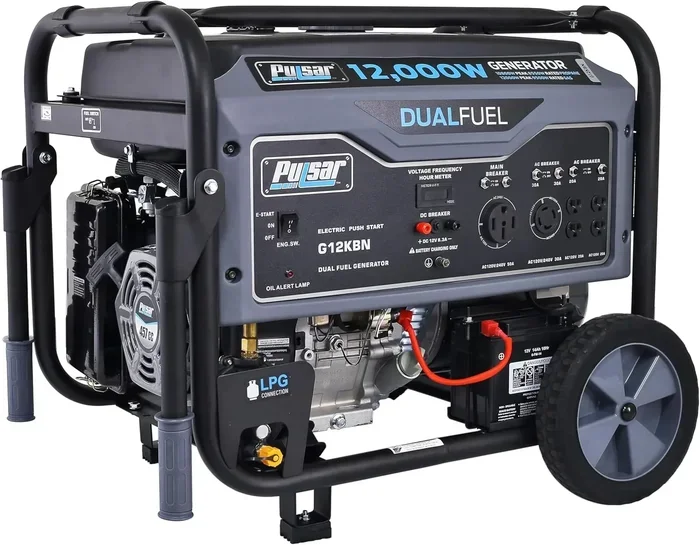
Dual-fuel generators let you switch between propane and gasoline. This gives you flexibility when one fuel source is hard to find. Many homeowners love the backup option of having two fuel types in one machine.
These units often cost a bit more than single-fuel models, but the versatility is worth it. You get the clean burn of propane with the quick-start convenience of gasoline.
How to Choose the Right Size Propane Generator
Choosing the wrong size generator is a common mistake. Too small, and you will overload the unit. Too large, and you waste money on fuel and capacity you do not need.
Calculate Your Essential Load
Start by listing the appliances you want to run during an outage. A typical home needs power for:
- Refrigerator (700 watts starting, 150 running)
- Lights (100 to 300 watts per room)
- Sump pump (1,300 watts starting, 800 running)
- Furnace blower (600 watts)
- Phone and laptop chargers (100 to 200 watts total)
- Microwave (1,000 to 1,500 watts)
Add up the running watts and note the highest starting wattage. This tells you the minimum generator size you need.
Match Generator Size to Your Home
The size of your home matters too. A small apartment needs far less power than a 2,000-square-foot house with a full kitchen and multiple bathrooms.
For a quick reference, check out this guide on how much a generator for a 2000 sq ft house costs to understand what size fits your square footage and budget.
Consider the Generator Runtime
Runtime tells you how long a generator can run on a full tank at a given load. A larger propane tank means longer runtime. For home backup, aim for at least 24 hours of continuous runtime at 50% load.
If you want to understand fuel consumption better, you can read about how much propane a 20kw generator uses per hour to estimate your fuel needs during extended outages.
Propane Generator Installation and Setup
Installing a propane generator correctly is key to safe and reliable operation. Whether you choose a portable or standby unit, proper setup makes all the difference.
Portable Generator Setup
Place your portable generator outside, at least 20 feet from your home. Never run it in a garage or near windows. Carbon monoxide is a silent killer, and proper placement saves lives.
Use heavy-duty extension cords rated for outdoor use. Connect your appliances one at a time to avoid overloading the generator. Keep the unit on a dry, level surface during operation.
Standby Generator Setup
Standby generators require professional installation in most cases. A licensed electrician will connect the unit to your home’s electrical panel and install an automatic transfer switch.
The transfer switch is the brain of the system. It detects power loss, starts the generator, and routes power to your home’s circuits. Without it, you cannot safely connect a generator to your home wiring.
Your propane line will need a dedicated gas valve for the generator. A professional can install this quickly and ensure it meets local building codes.
Safety First
Always follow the manufacturer’s instructions. Install carbon monoxide detectors near sleeping areas and test them regularly. Keep a fire extinguisher nearby, and never refuel a generator while it is running.
Propane Generator Maintenance Tips
A well-maintained generator starts when you need it most. Regular maintenance takes only a few minutes and can extend your unit’s life by years.
Regular Oil Changes
Change the oil every 100 hours of use or at least once per season. Use the oil type recommended by the manufacturer. Fresh oil keeps the engine running smoothly and prevents premature wear.
Air Filter and Spark Plug
Check the air filter monthly during heavy use. A dirty filter reduces performance and increases fuel consumption. Replace it when it looks dirty or clogged.
Inspect the spark plug every few months. A worn spark plug causes hard starts and rough running. Clean it with a wire brush or replace it if the electrode is damaged.
Exercise Your Generator
Run your generator for 15 to 20 minutes once a month, even when you do not need it. This keeps the engine lubricated and the battery charged. It also lets you spot small problems before they become big ones.
Propane Tank Inspection
Check your propane tank for leaks using a soapy water solution. Bubbles forming on the connection mean you have a leak and need to fix it immediately. Never use an open flame to check for leaks.
Store your propane tank upright and in a well-ventilated area. Keep it away from heat sources and direct sunlight.
Propane vs Gasoline Generators: Which Is Better?
Both propane and gasoline generators have pros and cons. Here is a quick comparison to help you decide.
| Feature | Propane Generator | Gasoline Generator |
|---|---|---|
| Fuel Shelf Life | Indefinite | 3 to 6 months |
| Emissions | Lower | Higher |
| Fuel Cost | Stable pricing | Price fluctuates |
| Availability | Widely available | Widely available |
| Runtime per Tank | Longer | Shorter |
| Cold Weather Start | Good | Very good |
| Portability | Moderate to heavy | Light to moderate |
For most homeowners looking for reliable home backup power, propane is the better choice. The long fuel shelf life and clean burn make it ideal for emergency situations where you might not use the generator for months at a time.
Gasoline generators are still a solid option if you need a lightweight, portable unit for short-term use. But for serious home backup, propane wins in almost every category.
If you are curious about running a generator directly to your house, check out our guide on how to run a generator to your house for step-by-step instructions.
Common Mistakes to Avoid with Propane Generators
Even the best generator can cause problems if you make avoidable mistakes. Here are some pitfalls to watch out for.
- Undersizing the generator: This is the number one mistake. A too-small generator will trip its breaker or fail to start your furnace and refrigerator.
- Running the generator indoors: Carbon monoxide is deadly. Always operate your propane generator outside with plenty of ventilation.
- Ignoring fuel lines: Check propane connections regularly. A loose fitting can waste fuel or create a safety hazard.
- Skipping maintenance: A generator that sits unused for months without exercise will often fail to start when you need it most.
- Overloading circuits: Plug in only essential appliances. Running too many devices at once can damage both the generator and your home’s electrical system.
How Long Does a Propane Generator Last?
A well-maintained propane generator can last 20 to 30 years or more. Standby units often outlast portable ones because they are built with heavier components and run on a dedicated fuel line.
If you want to know more about generator lifespan, you can read about how long a whole house generator lasts to understand the factors that affect longevity.
Regular maintenance, proper storage, and sensible use all contribute to a longer generator life. Treat your unit well, and it will treat you well in return.
Final Thoughts on Choosing the Best Propane Generator for Home Backup
A propane generator for home backup is one of the smartest investments a homeowner can make. Power outages are not a matter of if, but when. Having a reliable backup power system gives you peace of mind and keeps your family comfortable no matter what happens.
Choose the right size, install it properly, and maintain it regularly. Whether you go with a portable unit for essentials or a standby generator for whole-home coverage, propane is a clean, efficient, and reliable fuel source.
Start by assessing your power needs, compare models, and pick the unit that fits your budget and your home. The best time to prepare for a power outage is before it happens.
Frequently Asked Questions
What size propane generator do I need for a house?
For a typical home, a 7,000 to 12,000-watt portable generator covers essentials. For whole-house coverage, a 20,000-watt standby generator is usually sufficient. Calculate your essential loads first to find the right size.
Can a propane generator run a central air conditioner?
Yes, but you need a large enough unit. Central AC units require 2,000 to 5,000 watts to start and 1,500 to 3,000 watts to run. A 7,500-watt generator or larger should handle this comfortably.
How long will a 500-gallon propane tank run a standby generator?
A 500-gallon tank can power a standby generator for several days to over a week, depending on your load. At 50% capacity, most households can expect about 5 to 7 days of continuous runtime.
Is propane safer than gasoline for home backup?
Yes, propane is generally safer. It has a lower flammability rating than gasoline and does not pool or spill easily. Propane also has a much longer shelf life, so it stays ready for emergencies.
Do propane generators cost more than gasoline generators?
Standby propane generators tend to cost more upfront, but fuel costs are often lower and more stable. Portable propane units are comparable in price to gasoline models of similar wattage.
How do I connect a propane generator to my home?
Portable units use extension cords. Standby units require a professional installation with an automatic transfer switch and a dedicated propane gas line. Always follow local electrical and building codes.