Best RV Generator for Every Adventure on the Road
Choosing the best RV generator means balancing power output, fuel type, noise level, and portability. Whether you boondock off-grid or camp at full-hookup sites, the right generator keeps your RV appliances running smoothly. This guide breaks down everything you need to know to make a confident choice.
There is nothing quite like hitting the open road in your RV. The freedom, the scenery, the adventure — it all feels incredible. But here is the thing most people do not think about until they are parked at a remote campsite with dead batteries and a fridge that will not stay cold.
A reliable best rv generator changes everything. It gives you the power to run your lights, microwave, air conditioner, and other essential appliances no matter where you park. Whether you prefer boondocking in the mountains or staying at a full-hookup campground, having the right generator makes your trip more comfortable and stress-free.
But with so many options on the market, picking the right one can feel overwhelming. That is exactly why we put together this guide. We will walk you through everything you need to know about choosing the best rv generator for your setup, your budget, and your adventure style. By the end, you will feel confident making the right choice.
Key Takeaways
- Match wattage to your needs: A 2000–4000 watt generator covers most basic RV setups, while larger rigs may need 5000+ watts.
- Inverter generators are quieter and safer: They produce clean power that protects sensitive electronics in your RV.
- Fuel choice matters: Propane, gasoline, and diesel each offer different runtimes, costs, and convenience levels.
- Noise level is critical for campground etiquette: Look for generators rated under 60 decibels for a peaceful camping experience.
- Regular maintenance extends generator life: Simple steps like oil changes and fuel stabilization keep your unit running for years.
- Portability counts: A lightweight, compact design makes it easier to store and move your generator around campgrounds.
- Consider dual-fuel options: They give you flexibility to switch between fuel types depending on availability and cost.
📑 Table of Contents
Why Every RVer Needs a Generator
Your RV comes with a built-in electrical system, but it has limits. The house batteries can power small things like lights and fans for a while. But once you want to run bigger appliances like the air conditioner, microwave, or electric water heater, you need an external power source. That is where a generator comes in.
Think of a generator as your RV power supply on wheels. It turns fuel into electricity so you can use all the comforts of home even when you are far from a power pedestal. Here are some of the main reasons every RVer should consider one:
- Off-grid independence: You can camp in remote areas without hookups and still enjoy modern conveniences.
- Appliance support: Keep your fridge running, charge your devices, and power up small kitchen appliances.
- Climate control: Run your rooftop air conditioner on hot summer days without worrying about battery drain.
- Emergency backup: If your RV’s main electrical system fails, a generator keeps things running until you get help.
- Extended trips: Longer trips drain batteries faster. A generator ensures you stay powered up for days or even weeks.
The right generator for camping is not just a luxury. For many RVers, it is a necessity. Even if you mostly stay at campgrounds with electric hookups, having a backup generator gives you peace of mind and flexibility.
How to Choose the Best RV Generator
Not all generators are created equal. Some are built for heavy-duty construction sites. Others are designed specifically for recreational vehicles. Understanding what to look for helps you narrow down your options and find the best rv generator for your specific needs.
Match the Wattage to Your RV
The first thing to figure out is how much power you actually need. Every appliance in your RV draws a certain number of watts. Add them up, and that tells you the minimum wattage your generator should handle.
Here is a simple breakdown of common RV appliances and their approximate power needs:
- Lights (all): 100–300 watts
- Microwave: 1000–1500 watts
- Air conditioner (13,500 BTU): 1500–2000 watts to start
- Refrigerator (on electric): 600–800 watts
- Phone/laptop charging: 50–100 watts each
- Television: 100–200 watts
A basic portable generator rated at 2000 to 3000 watts handles most small to medium RVs just fine. Larger rigs with multiple air conditioners or electric heaters may need a 5000-watt or larger unit. If you are unsure about your power needs, you can also check what size generator to run furnace and refrigerator to get a better idea of your total load.
Consider the Fuel Type
Generators run on different fuels, and each has its pros and cons. Your choice affects runtime, cost, storage, and convenience.
- Gasoline: The most common and widely available fuel. Easy to find at any gas station. However, gasoline has a shorter shelf life and can be less fuel-efficient.
- Propane: Burns cleaner and stores longer than gasoline. Many RVers prefer propane because it is already on board most RVs. If you want to understand fuel consumption better, check how much propane does a 20kw generator use per hour for a rough estimate.
- Diesel: Very fuel-efficient and great for long trips. Diesel generators tend to last longer but are heavier and louder.
- Dual-fuel: Lets you switch between gasoline and propane. Great for flexibility and convenience.
For most RVers, a propane generator or a dual-fuel generator makes the most sense. You already carry propane on your RV, and it burns cleaner than gasoline. But if you prefer simplicity, a gasoline-powered unit works just as well for shorter trips.
Think About Noise Level
Nobody wants to be “that neighbor” at the campground. A loud generator can ruin the peaceful atmosphere for everyone around you. Most campgrounds have noise rules, and being considerate goes a long way.
Look for generators that operate at or below 60 decibels. Inverter generators are especially good at this because they adjust engine speed based on the power demand. This means they run quieter and use less fuel compared to conventional generators. A quiet generator lets you enjoy your trip without disturbing others or scaring away wildlife.
Portability and Size
Space is precious in an RV. Your generator should be compact enough to store easily and light enough to move around. Many RVers prefer units that weigh under 50 pounds with built-in handles or wheels for transport. A mini generator can be a great option if you only need to power a few essentials and want to keep things simple and lightweight.
Top RV Generator Types Compared
When shopping for the best rv generator, you will encounter three main types. Each has its own strengths and ideal use cases. Understanding the differences helps you make a smarter buying decision.
Inverter Generators
Inverter generators are the top choice for most RV owners. They produce what is called “clean power,” which means the electrical output is smooth and stable. This is important because sensitive electronics like laptops, phones, and RV control boards can get damaged by “dirty” power from conventional generators.
Inverter generators are also significantly quieter and more fuel-efficient. They adjust their engine speed to match the load, so they are not running at full blast when you only need a little power. The trade-off is that they tend to cost more than conventional models.
Conventional Generators
Conventional generators are the traditional type you see at hardware stores and construction sites. They are powerful, durable, and often more affordable than inverters. However, they run at a constant engine speed regardless of the load, which means they are louder and less fuel-efficient.
If you need high wattage at a lower price and noise is not a major concern, a conventional generator can work well. Just be aware that the power output is not as clean for sensitive electronics.
Solar Generators
Solar generators are a newer option that is gaining popularity among RVers. They use solar panels to charge a battery bank, which then powers your RV appliances. They are completely silent and produce zero emissions.
The downside is that solar generators depend on sunlight. On cloudy days or during short winter days, they may not produce enough power. They also take longer to recharge and typically have lower overall capacity compared to fuel-powered generators. They work best as a supplement to a fuel generator rather than a complete replacement.
Top Picks for the Best RV Generators
After reviewing dozens of models and hearing from experienced RVers, here are some of the top-performing generators that stand out in different categories.
Best Overall: Honda EU2200i
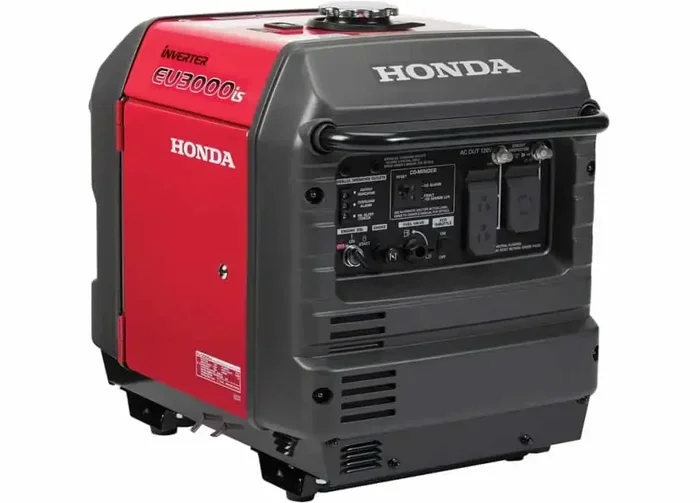
The Honda EU2200i is widely considered the gold standard for RV generators. It is an inverter model that runs at just 48 to 57 decibels, making it one of the quietest options available. It produces 2200 watts of clean power, which is perfect for most small to medium RVs.
Honda is known for reliability, and this unit lives up to that reputation. It has excellent fuel efficiency and can run for up to 8.1 hours on a single tank. The only downside is the price — it is on the higher end. But for many RVers, the quality and durability are worth every penny.
Best Budget: WEN 56200i
If you are looking for an affordable option that still delivers solid performance, the WEN 56200i is a great choice. It produces 2000 watts of power and features inverter technology for clean, safe electricity. It weighs just 48 pounds and includes a handy parallel port for connecting a second unit if you need more power.
The WEN 56200i operates at around 51 decibels, which is reasonably quiet for a campground setting. It is an excellent entry-level generator for new RVers who want reliable power without breaking the bank.
Best for Large RVs: Champion 3400-Watt Dual Fuel
Larger RVs with multiple air conditioners and more electrical demands need more power. The Champion 3400-watt dual fuel generator delivers up to 4500 watts starting power, which is enough to handle bigger setups. It runs on either gasoline or propane, giving you fuel flexibility.
It features a economy mode that extends runtime and reduces fuel consumption. At around 58 decibels, it is reasonably quiet for its size and output. This is a strong choice for full-time RVers or those with larger motorhomes.
Best for Off-Grid Adventures: Jackery Explorer 1000 Pro
For the RVer who wants silence and zero emissions, the Jackery Explorer 1000 Pro is a portable power station that works well for lighter loads. It can power lights, a fridge, a microwave, and charge multiple devices. It recharges via solar panels or wall outlets and is completely silent.
It is not a traditional fuel generator, but it serves many of the same purposes for shorter trips or as a backup. If you mostly boondock and keep your power usage moderate, this is an excellent option to explore.
Generator Maintenance Tips for RVers
Buying a generator is only half the battle. Keeping it in good shape ensures it starts every time you need it and lasts for many camping seasons. Maintenance is simpler than most people think, and a little effort goes a long way.
Change the Oil Regularly
Just like your RV’s engine, your generator needs regular oil changes. Most manufacturers recommend changing the oil after the first 20 hours of use and then every 100 hours after that. Use the oil type specified in your owner’s manual. Keeping up with oil changes prevents engine wear and keeps your generator running smoothly.
Store Fuel Properly
Fuel storage is something many RVers overlook. Gasoline degrades over time and can cause starting problems if it sits in the tank too long. If you do not plan to use your generator for more than 30 days, add a fuel stabilizer to the tank. You should also check how long you can leave gas in a generator to avoid issues with stale fuel.
Keep the Air Filter Clean
A dirty air filter restricts airflow and makes your generator work harder. Check the air filter before each camping trip and clean or replace it as needed. This simple step improves performance and fuel efficiency.
Run the Generator Monthly
Even if you are not using your RV often, start the generator at least once a month and let it run for 15 to 20 minutes. This keeps the engine lubricated, prevents fuel system issues, and ensures it is ready to go when you need it most.
Inspect Spark Plugs
Spark plugs wear out over time and can cause hard starts or rough running. Check them every few months and replace them if they look worn or fouled. New spark plugs are inexpensive and can make a big difference in performance.
Common Mistakes to Avoid
Even experienced RVers sometimes make mistakes when it comes to generators. Avoiding these common errors can save you money, frustration, and potentially dangerous situations.
- Buying the wrong size: Undersizing your generator leads to overloads and shutdowns. Oversizing wastes money and fuel. Always calculate your total power needs before buying.
- Ignoring the runtime: Some generators run for only a few hours on a tank. If you plan to use it overnight, make sure the runtime meets your needs.
- Running a generator indoors: This is extremely dangerous. Generators produce carbon monoxide, which is odorless and deadly. Always run your generator outside, at least 20 feet from your RV and any open windows.
- Skipping maintenance: Neglecting oil changes, air filters, and spark plugs leads to poor performance and premature failure.
- Overloading the generator: Plugging in too many high-wattage appliances at once can trip the breaker or damage the generator. Prioritize what you need and stagger your usage.
- Ignoring fuel quality: Using old or contaminated fuel causes starting problems and can damage the engine. Always use fresh fuel and add stabilizer for storage.
These mistakes are easy to avoid with a little planning and awareness. Taking the time to set up and maintain your generator properly pays off in reliability and longevity.
Final Thoughts
Finding the best rv generator comes down to understanding your power needs, your budget, and your camping style. Whether you choose a quiet inverter generator for peaceful campground stays or a dual-fuel unit for maximum flexibility, the right generator makes every trip more enjoyable and comfortable.
Remember to match the wattage to your RV’s needs, consider the fuel type that works best for your setup, and prioritize noise level if you frequently camp in shared spaces. Regular maintenance keeps your generator running reliably trip after trip.
A good generator is an investment in your freedom on the road. It lets you explore remote locations, stay comfortable in extreme weather, and keep all your essential appliances running. Take your time, do your research, and choose a unit that fits your lifestyle. Your future self — parked at a beautiful campsite with everything running smoothly — will thank you.
Start planning your next adventure with confidence, knowing you have the right best rv generator by your side. Happy travels and happy camping!
Frequently Asked Questions
What size generator do I need for my RV?
It depends on what appliances you want to run. A 2000 to 3000 watt generator handles most basic RV setups with lights, a fridge, and a microwave. If you need to run multiple air conditioners or high-draw appliances, look for a 5000-watt or larger unit. Always add up the starting and running watts of your appliances before deciding.
Can I run my RV generator while driving?
Yes, you can run a generator while driving, but you need to follow safety guidelines. Make sure the exhaust is directed away from your RV and any vents. Never run a generator inside an enclosed space due to carbon monoxide risks. Always check your RV manufacturer’s guidelines and local regulations before operating a generator while in motion.
How long can I run an RV generator continuously?
Most RV generators can run continuously for 8 to 12 hours on a full tank of fuel, depending on the model and load. Some larger units can run even longer. To extend runtime, use economy mode if your generator has one, and avoid running at full load when you only need partial power.
Are inverter generators better for RVs than conventional generators?
Yes, inverter generators are generally better for RVs. They produce cleaner power that is safe for sensitive electronics like laptops, phones, and RV control boards. They are also quieter and more fuel-efficient than conventional generators, which makes them ideal for campground use where noise can be a concern.
What fuel is best for an RV generator?
Propane and gasoline are the most common fuel choices for RV generators. Propane burns cleaner and has a longer shelf life, making it a popular choice among RVers who already carry propane on board. Gasoline is widely available and easy to use. Dual-fuel generators offer the flexibility of both options in one unit.
How do I maintain my RV generator?
Basic maintenance includes regular oil changes, cleaning or replacing the air filter, inspecting spark plugs, and using fuel stabilizer for long-term storage. Run the generator at least once a month for 15 to 20 minutes even if you are not using it frequently. Following the manufacturer’s maintenance schedule keeps your generator reliable and extends its lifespan significantly.