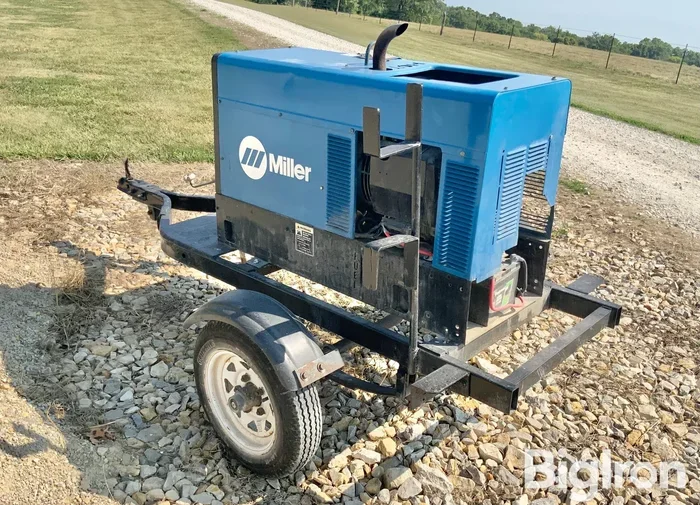
Welder Generator for Sale Find Your Perfect Match Today
A welder generator for sale combines welding power and portable energy in one machine. Whether you need a portable welder generator for fieldwork or a heavy-duty diesel welder generator for your shop, this guide covers everything. We break down sizes, features, pricing, and top models so you can make a smart buy.
A welder generator for sale is one of the most versatile tools you can own. It combines a welding machine and a power generator into a single unit. That means you get the ability to weld metal and run power tools, lights, and equipment all from one machine.
Whether you work on construction sites, in fabrication shops, or out of a truck bed, a portable welder generator makes your job easier. You do not need separate units taking up space and weight. Everything comes together in one compact package.
But picking the right one takes some thought. There are fuel types to consider, output ratings to match, and brands to compare. This guide walks you through every detail. By the end, you will know exactly which welder generator fits your needs and budget.
Key Takeaways
- Welder generators combine welding and power output: They give you welding capability plus usable electrical power for tools and lights.
- Diesel, gas, and inverter models exist: Each fuel type suits different needs, from fieldwork to indoor shop use.
- Size matters for welding amperage: Match your welder generator output to your welding process and material thickness.
- Top brands include Miller, Lincoln, Hobart: These manufacturers build reliable welding generator combos trusted by pros.
- Price ranges from $500 to $5000+: Your budget depends on power output, fuel type, and brand reputation.
- Regular maintenance extends lifespan: Oil changes, filter swaps, and proper storage keep your machine running strong.
- Safety features are critical: Look for thermal protection, voltage regulation, and stable arc performance.
📑 Table of Contents
- What Is a Welder Generator?
- Types of Welder Generators for Sale
- How to Choose the Right Welder Generator
- Welder Generator Pricing Guide
- Top Brands and Models to Consider
- Tips for Maintaining Your Welder Generator
- Common Mistakes When Buying a Welder Generator
- Expert Insights on Welder Generators
- Conclusion
What Is a Welder Generator?
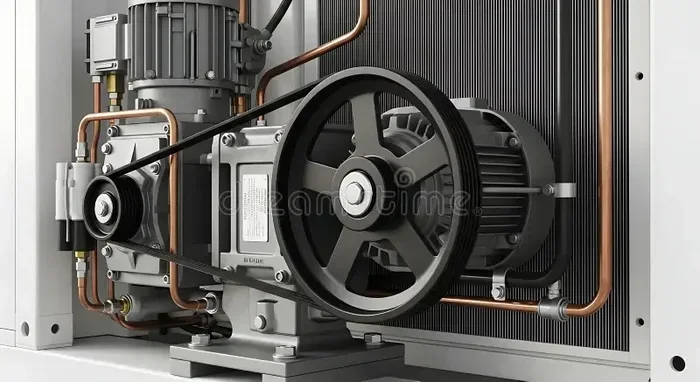
A welder generator is a machine that produces electrical power for welding and general use. It runs on fuel like gasoline, diesel, or propane. Inside, an engine drives an alternator and a welding power source at the same time.
Think of it as two tools in one box. You get a generator that can power lights, chargers, and air compressors. You also get a welding machine that runs stick, MIG, TIG, or flux-core processes.
How Does It Work?
The engine burns fuel to create mechanical energy. That energy drives two systems. The first system generates AC or DC electricity for general power needs. The second system produces the specific electrical output needed for an electric arc.
When you strike an arc, the machine channels most of its power to the welding circuit. When you are not welding, that power goes back to the generator output. This dual function is what makes a generator welding machine so practical.
Who Needs a Welder Generator?
Several groups benefit greatly from owning a welder generator for sale:
- Contractors who need mobile welding and power on job sites
- Farmers who weld equipment far from the shop
- Military and emergency service welders who work in the field
- Tradespeople who need a backup power source and welding ability
- Hobbyists and DIY enthusiasts who want a compact welding setup
If any of these describe you, a generator welding machine is worth serious consideration.
Types of Welder Generators for Sale
Not all welder generators are the same. Different fuel types, designs, and technologies suit different buyers. Let us break down the main categories.
Diesel Welder Generators
Diesel models are the workhorses of the welding world. They deliver high power output and excellent fuel efficiency. A diesel welder generator runs longer on a tank of fuel than gas models.
These machines handle heavy-duty welding tasks easily. They thrive in tough environments like construction sites and oil fields. Many pros prefer diesel for its durability and lower fuel costs over time.
Gasoline Welder Generators
Gas models are lighter and more affordable upfront. They work well for lighter welding tasks and general power needs. A gasoline mini generator with welding capability is great for hobbyists.
However, gasoline burns faster than diesel. These units also tend to have shorter run times. They suit light-duty work rather than heavy industrial applications.
Inverter Welder Generators
Inverter technology has changed the game. An inverter welder generator uses advanced electronics to produce a cleaner, more stable power output. This means smoother arcs and less spatter.
These units are also more fuel efficient because the engine can adjust its speed to match the load. Inverter models tend to be quieter too. They are perfect for indoor work or noise-sensitive areas.
Propane Welder Generators
Propane models offer a clean-burning alternative. They produce fewer emissions than gasoline or diesel. This makes them a solid choice for indoor or enclosed spaces.
Propane is also easy to store safely. The trade-off is slightly lower power output compared to diesel units. But for many users, the clean burn and safety benefits are worth it.
How to Choose the Right Welder Generator
Choosing the right welder generator for sale depends on several factors. Let us walk through the most important ones.
Match the Output to Your Welding Needs
Your welding process determines the power output you need. Here is a quick breakdown:
- Light hobby welding: 5,000 to 10,000 watts generator output with 30 to 120 amps welding current
- Moderate shop work: 10,000 to 18,000 watts with 120 to 200 amps welding current
- Heavy industrial welding: 18,000 to 35,000+ watts with 200 to 400 amps welding current
If you want to compare this against a standard household setup, you can check what size generator to run furnace and refrigerator for a baseline understanding of power needs.
Consider Portability
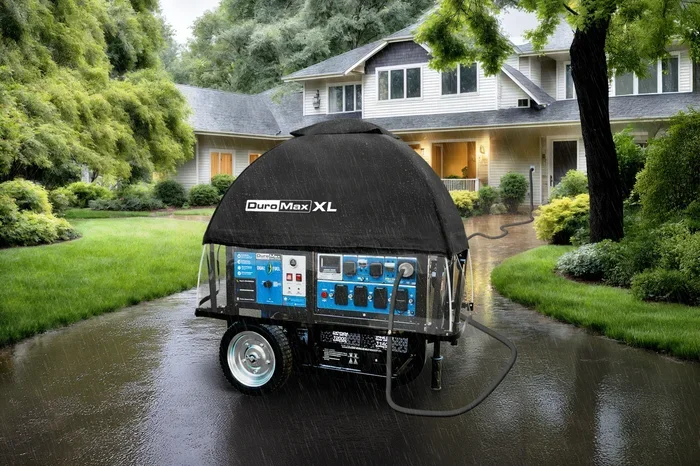
How often do you need to move the unit? If you work in the field, look for a portable welder generator with a built-in handle and wheels. Look for models under 200 pounds for easy transport.
Shop-bound units can be larger and heavier. They often deliver more power but are not meant to move around often.
Fuel Type and Runtime
Your fuel choice affects runtime, cost, and portability. Diesel offers the longest runtime. Gasoline is easy to find at any gas station. Propane burns clean. Inverter models use fuel the most efficiently.
Consider how long you need to weld without refueling. For all-day jobs, diesel or large-capacity gas tanks work best.
Check Safety Features
A quality welder generator includes built-in safety protections. Look for these features:
- Thermal overload protection to prevent overheating
- Voltage regulation for stable output
- Low oil shutdown to protect the engine
- Circuit breakers for overload protection
- Arc stability controls for consistent welding
Do not skip safety. These features protect both you and your equipment.
Welder Generator Pricing Guide
The price of a welder generator for sale varies widely. Here is a general pricing breakdown to set your expectations.
Budget Models: $500 to $1,200
These are small gas or propane units. They handle light hobby welding and basic power needs. Build quality may be basic, but they work for beginners and occasional users.
Mid-Range Models: $1,200 to $3,000
This is where most buyers land. You get solid performance, reliable brands, and good features. A mid-range generator welding machine handles moderate welding tasks and provides dependable general power.
Many professionals find their workhorse in this price range. It balances cost and capability well.
Premium Models: $3,000 to $6,000+
Top-tier units deliver heavy-duty welding power and maximum durability. Brands like Miller, Lincoln Electric, and Hobart dominate this space. These industrial welder generator units are built for daily hard use over many years.
You also get better fuel efficiency, quieter operation, and advanced inverter technology.
Pricing Comparison Table
| Price Range | Fuel Type | Wattage Output | Best For |
|---|---|---|---|
| $500 – $1,200 | Gas / Propane | 3,000 – 8,000W | Hobbyists, light duty |
| $1,200 – $3,000 | Gas / Diesel | 8,000 – 18,000W | Pros, moderate shop work |
| $3,000 – $6,000+ | Diesel / Inverter | 18,000 – 35,000W+ | Industrial, heavy-duty use |
Top Brands and Models to Consider
Not all welder generator brands are created equal. Some have decades of welding expertise behind them. Here are the top manufacturers worth your attention.
Miller Electric
Miller is a legend in the welding industry. Their welder generators are known for reliability and excellent arc performance. Models like the Miller Big Blue series are popular for heavy-duty field work.
You can learn more about how long a whole house generator lasts to understand how durable power units are built to last in demanding conditions.
Lincoln Electric
Lincoln builds professional-grade welding equipment. Their Power MIG and generator combos are well-regarded. These units deliver consistent output and hold up well under tough conditions.
Hobart
Hobart is a strong choice for mid-range buyers. Their units balance price and performance effectively. Hobart welder generators are known for being user-friendly and durable.
Multiquip and Baldor
These brands offer solid budget-friendly options. They are great for hobbyists and light commercial use. Build quality is respectable, though they may not match premium brands for longevity.
How to Read Welder Generator Reviews
When you browse welder generator reviews, focus on these factors:
- Real-world runtime tests, not just marketing claims
- Arc stability feedback from actual welders
- Noise level comparisons
- Fuel consumption under load
- Build quality and durability over months of use
Ignore reviews that only mention unboxing or price. Focus on long-term usage feedback instead.
Tips for Maintaining Your Welder Generator
A well-maintained welder generator lasts many years. Neglect leads to breakdowns and costly repairs. Here is how to keep your machine in top shape.
Regular Oil Changes
Change the engine oil every 100 to 200 hours of use, or at least once per season. Use the oil weight recommended by the manufacturer. Fresh oil reduces engine wear and keeps things running smoothly.
Air and Fuel Filter Replacement
Clogged filters starve your engine of clean air and fuel. Replace air filters every 50 to 100 hours. Replace fuel filters at least once a year. This is one of the easiest ways to prevent problems.
Proper Storage
When not in use, store your welder generator in a dry, cool location. Moisture causes rust and electrical issues. If you store it for long periods, use a fuel stabilizer to prevent fuel degradation.
Also, never leave stale gas sitting in the tank for months. It breaks down and can clog your fuel system. If you are unsure about fuel storage practices, research how long you can leave gas in a generator safely.
Spark Plug Inspection
Check spark plugs every few months. Replace them if they are fouled or worn. New spark plugs ensure easy starting and efficient combustion.
Welding Electrode and Tips Care
Keep your welding contacts clean. Replace worn tips and electrodes regularly. This protects the welding circuit and ensures a stable arc.
Quick Maintenance Tips
- Run your unit under load monthly to keep things lubricated
- Check battery terminals for corrosion regularly
- Tighten all bolts and connections periodically
- Keep a maintenance log to track service intervals
- Never skip the break-in period oil changes for new units
Common Mistakes When Buying a Welder Generator
Many buyers make avoidable mistakes when shopping for a welder generator for sale. Here are the biggest ones to watch out for.
- Ignoring welding amperage needs: A unit that cannot deliver enough amps will struggle with thicker metals. Always match output to your welding tasks.
- Overlooking generator wattage: You need enough general power for your tools too. Add up your tool wattages before buying.
- Choosing based on price alone: The cheapest option often costs more in the long run. Invest in quality and reliability.
- Forgetting about fuel costs: A cheap gas model might cost more to run daily than a pricier diesel unit. Factor in fuel consumption.
- Skipping safety features: Do not buy a unit without thermal protection and voltage regulation. These features protect your investment and your health.
Expert Insights on Welder Generators
Industry professionals share valuable advice about choosing and using welder generators.
“Always buy for the heaviest job you will realistically do,” says one veteran welder. “It is better to have a machine you rarely max out than one that constantly struggles.“
Another pro recommends inverter technology for anyone welding in varied locations. “Inverter units save fuel, run quieter, and deliver a better arc. The upfront cost pays for itself over time.”
When it comes to setup, experts also suggest understanding how to properly run a generator to your house or work area. Proper cabling and grounding prevent voltage drops and safety hazards.
Conclusion
Finding the perfect welder generator for sale comes down to knowing your needs. Match your welding process to the right amperage output. Choose a fuel type that fits your budget and runtime requirements. Pick a reputable brand with proven reliability.
A portable welder generator opens up a world of possibilities. You can weld anywhere, power your tools, and work independently of fixed electrical setups. Whether you are a hobbyist just starting or a professional tackling heavy steel, there is a generator welding machine out there for you.
Take your time, compare models, read welder generator reviews, and invest in quality. The right machine will serve you reliably for years to come. Your perfect welder generator is waiting, ready to power your next project.
Frequently Asked Questions
How much does a welder generator cost?
Budget models start around $500 for small gas units. Mid-range welder generators cost between $1,200 and $3,000. Heavy-duty industrial units range from $3,000 to $6,000 or more. Your best welder generator price depends on output, fuel type, and brand reputation.
Can a welder generator power my house?
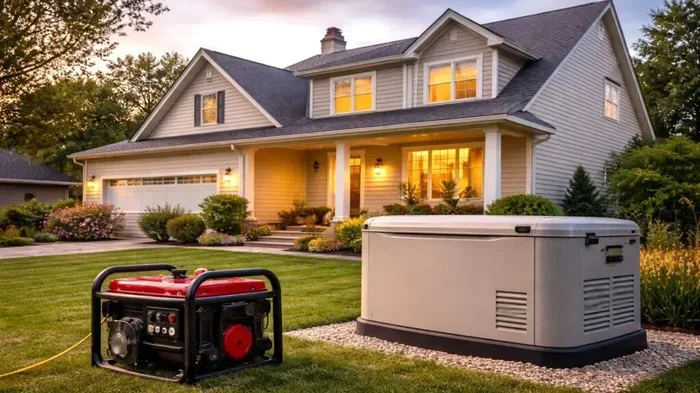
Most welder generators are not designed to power an entire house. However, a large diesel welder generator can run essential circuits like lights, a furnace, and a refrigerator. For whole-house backup, consider a dedicated home generator. You can check what powers a Generac home generator to learn about whole-house options.
What size welder generator do I need for MIG welding?
For MIG welding on light to medium materials, you need a unit with at least 10,000 to 15,000 watts of generator output and 120 to 180 amps of welding current. For heavy steel, aim for 200 amps or more. Always check the welder generator size guide and compare it to your specific welding tasks.
How long does a welder generator last?
With proper maintenance, a quality welder generator lasts 10 to 20 years or more. Diesel models tend to last longer due to their robust build. Regular oil changes, filter replacements, and proper storage are key. You can learn more about generator lifespan and maintenance from how long does a whole house generator last.
Is a diesel or gas welder generator better?
Diesel units are better for heavy-duty and long-run applications. They offer better fuel efficiency and durability. Gas models are lighter and cheaper upfront, making them ideal for hobbyists and light use. Choose diesel for professional work and gas for occasional or budget-friendly welding.
Can I weld and run tools at the same time?
Yes, most welder generators support simultaneous welding and general power output. However, running both at full capacity may require a larger unit. Check the total wattage rating and make sure it covers your welding amps plus your tool power needs. An inverter welder generator handles this most efficiently.