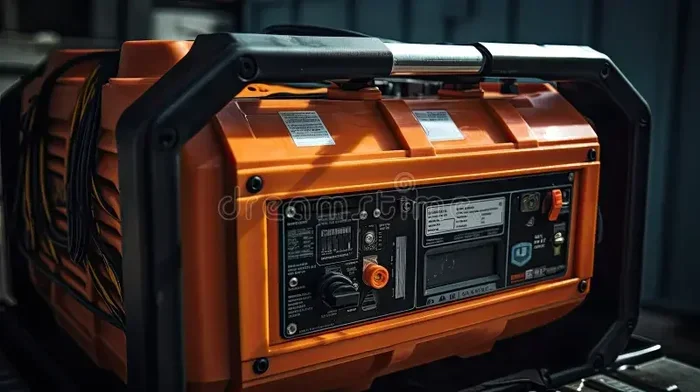
Westinghouse Generator Battery Your Complete Buying Guide
The Westinghouse generator battery is a reliable power solution for homes, RVs, and outdoor adventures. This guide walks you through everything from battery types and capacity to maintenance tips and buying decisions. You will learn how to pick the right battery, avoid common mistakes, and extend your generator’s lifespan with proper care.
A Westinghouse generator battery can make all the difference when the lights go out. Whether you need backup power for your home or a reliable source for camping trips, choosing the right battery is essential. But with so many options on the market, it is easy to feel overwhelmed.
This guide breaks everything down in simple terms. You will learn about battery types, key features to look for, and how to avoid costly mistakes. By the end, you will feel confident making the best choice for your power needs.
Westinghouse has built a strong reputation in the generator world. Their batteries are known for durability, efficiency, and user-friendly design. Let us dive into what makes a Westinghouse generator battery a smart investment for your home.
Key Takeaways
- Choose the Right Battery Type: Lithium-ion and AGM batteries each have unique benefits for different generator setups.
- Capacity Matters: Match your battery capacity to your power needs to avoid running out during outages.
- Maintenance Extends Life: Regular charging, cleaning, and storage practices can double your battery’s lifespan.
- Safety First: Always follow manufacturer guidelines for installation and use to prevent hazards.
- Compare Before Buying: Weigh cost, runtime, and features across models to get the best value.
- Consider Whole-House Needs: A strong battery setup can keep essential appliances running during power outages.
📑 Table of Contents
- Understanding Westinghouse Generator Battery Basics
- Types of Westinghouse Generator Batteries
- How to Choose the Right Battery for Your Generator
- Installing Your Westinghouse Generator Battery
- Maintaining Your Generator Battery for Long Life
- Common Mistakes to Avoid When Buying a Generator Battery
- How Long Does a Westinghouse Generator Battery Last?
- Comparing Westinghouse Battery Options
- Final Thoughts
Understanding Westinghouse Generator Battery Basics
Before you buy, it helps to understand the basics. A generator battery stores energy and delivers it when you need it most. Think of it as the fuel tank for your generator’s electrical system. Without a healthy battery, your generator cannot start or run properly.
Most Westinghouse generators use one of two battery types. The first is the AGM battery, which stands for absorbed glass mat. These are sealed, maintenance-free, and great for standby generators. The second type is the lithium-ion battery, which is lighter, lasts longer, and charges faster.
How Does a Generator Battery Work?
The battery provides the initial spark to start your generator. Once the engine is running, the generator takes over and powers your devices. Some advanced models also include a battery charger that keeps the battery topped off while the generator runs.
Battery capacity is measured in amp-hours (Ah). A higher amp-hour rating means longer runtime. For example, a 35Ah battery will last longer than a 20Ah battery under the same load. This is a key factor when choosing a battery powered generator for your home.
Types of Westinghouse Generator Batteries
Not all batteries are created equal. Westinghouse offers several options to fit different needs and budgets. Let us look at the most common types.
AGM Batteries
AGM batteries are the workhorses of the generator world. They are sealed, so you never need to add water. They handle temperature changes well and last for many years with proper care. Most Westinghouse standby generators come with AGM batteries as standard.
These batteries are affordable and reliable. If you want a low-maintenance option for home backup, an AGM battery is a great choice. They also perform well in cold weather, which matters during winter outages.
Lithium-Ion Batteries
Lithium-ion batteries are the newer option, and they are gaining popularity fast. They are lighter than AGM batteries, which makes them ideal for portable setups. They also hold a charge longer when not in use, so you do not have to worry about them draining over time.
The downside is cost. Lithium-ion batteries are more expensive upfront. However, they last longer and charge faster, which can save you money over time. If you need a portable power station for camping or tailgating, lithium-ion is the way to go.
Lead-Acid Batteries
Some older Westinghouse models use traditional lead-acid batteries. These are affordable but heavier and require more maintenance. You need to check the water levels and keep them clean. They also have a shorter lifespan compared to AGM and lithium-ion options.
How to Choose the Right Battery for Your Generator
Picking the right battery comes down to a few key factors. Let us walk through what matters most.
Match Battery Capacity to Your Power Needs
Think about what you want to power during an outage. A refrigerator, a few lights, and a phone charger need less power than a full house. Write down the devices you need and add up their wattage. This helps you choose a battery with the right battery capacity for your situation.
For a small setup, a 20Ah to 35Ah battery works well. For a larger home, you may need 50Ah or more. Always check your generator’s manual for the recommended battery size.
Consider Your Climate
Where you live matters. Cold climates demand batteries that perform well in low temperatures. AGM batteries handle the cold better than lithium-ion in some cases. Hot climates can shorten battery life, so look for models with heat-resistant builds.
Check Compatibility
Not every battery fits every generator. Westinghouse designs batteries to work with specific models. Before you buy, check your generator model number and confirm the battery type it uses. Using the wrong battery can damage your unit and void your generator warranty.
Budget vs. Long-Term Value
Cheaper batteries save money upfront but may need replacing sooner. Lithium-ion batteries cost more but often last two to three times longer. Think of it as an investment. A quality home battery storage solution pays off over time through fewer replacements and better performance.
Installing Your Westinghouse Generator Battery
Installation is easier than you might think. Most Westinghouse batteries come with clear instructions. Still, a few tips can make the process smoother and safer.
Step-by-Step Installation
First, make sure your generator is turned off and cooled down. Locate the battery compartment, which is usually on the side or back of the unit. Remove the old battery carefully, noting the positive and negative terminals. Connect the new battery in the same order, positive first, then negative.
Once connected, check that the terminals are tight and free of corrosion. Turn on the generator and verify that the battery charges properly. If you are unsure about any step, consult a professional. Safety always comes first.
Common Installation Mistakes
One of the biggest mistakes is connecting the terminals in the wrong order. This can damage the generator’s electrical system. Another mistake is skipping the corrosion check. Over time, terminals can build up white or greenish residue, which blocks the connection.
Also, never install a battery in a poorly ventilated area. Batteries release gases during charging, and proper airflow prevents buildup. If you are setting up a whole house generator system, consider having a licensed electrician handle the installation.
Maintaining Your Generator Battery for Long Life
Proper maintenance keeps your battery running strong for years. Neglecting your battery is the fastest way to shorten its lifespan. A little effort goes a long way.
Regular Charging
Even when not in use, batteries slowly lose charge. Keep your battery topped off by charging it every few months. This is especially important if you live in a cold climate, where cold temperatures drain charge faster.
If your generator has a built-in battery charger, let it do the work. If not, use a compatible external charger. Never let the battery sit completely dead for long periods, as this can cause permanent damage.
Cleaning and Inspection
Check your battery terminals every month. Clean any corrosion with a baking soda and water solution. Wipe the battery case with a damp cloth to remove dirt and debris. Inspect the cables for fraying or damage and replace them if needed.
Proper Storage
If you store your generator for the off-season, remove the battery and store it in a cool, dry place. A fully charged battery stores best. Check the charge level every two months and top off if needed. This simple habit prevents the battery from sulfating, which kills battery cells.
Common Mistakes to Avoid When Buying a Generator Battery
Many people make avoidable mistakes when shopping for a battery. Here are the ones to watch out for.
Mistake 1: Ignoring Cold Cranking Amps (CCA). CCA measures how well a battery starts in cold weather. A battery with low CCA may struggle to start your generator on a chilly morning. Always check the CCA rating before buying.
Mistake 2: Choosing Price Over Quality. The cheapest battery is not always the best deal. Low-quality batteries fail faster and may not provide the surge wattage your generator needs. Invest in a reliable brand like Westinghouse for peace of mind.
Mistake 3: Overlooking Warranty Coverage. A good warranty protects you if something goes wrong. Westinghouse batteries often come with solid warranty coverage. Always check the terms before you purchase.
Mistake 4: Not Checking Runtime Needs. Some batteries are designed for short bursts, while others provide long, steady power. If you need backup during extended outages, choose a battery with higher capacity and longer generator runtime.
Mistake 5: Skipping the Manual. Your generator manual contains specific battery recommendations. Ignoring it can lead to compatibility issues and poor performance. Always follow the manufacturer’s guidelines.
How Long Does a Westinghouse Generator Battery Last?
The lifespan of a Westinghouse generator battery depends on several factors. Battery type, usage patterns, and maintenance all play a role. On average, AGM batteries last three to five years, while lithium-ion batteries can last five to eight years or more.
Usage matters too. A battery that starts your generator regularly will wear out faster than one that sits idle. However, batteries that are never used also degrade over time. The key is balanced use and proper maintenance.
If you want to learn more about how long generators last overall, check out our guide on how long a whole house generator lasts. It covers everything from batteries to engine life and gives you a complete picture of generator longevity.
For those wondering about running a generator to power their entire home, our article on how to run a generator to house offers practical tips on setup and battery integration.
Comparing Westinghouse Battery Options
| Feature | AGM Battery | Lithium-Ion Battery | Lead-Acid Battery |
|---|---|---|---|
| Weight | Medium | Light | Heavy |
| Lifespan | 3-5 years | 5-8+ years | 2-4 years |
| Maintenance | None | None | Regular |
| Cost | Moderate | Higher | Low |
| Cold Weather Performance | Good | Fair | Poor |
| Charge Speed | Moderate | Fast | Slow |
As you can see, each battery type has its strengths. AGM batteries offer a nice balance of cost and performance. Lithium-ion batteries are the premium choice for those who want the best. Lead-acid batteries work for budget setups but require more upkeep.
If you are curious about what size generator you need to run essential appliances like a furnace and refrigerator, our guide on what size generator to run furnace and refrigerator can help you plan your power setup more effectively.
Final Thoughts
Choosing the right Westinghouse generator battery does not have to be complicated. Understand your power needs, pick the right battery type, and maintain it properly. A good battery keeps your lights on, your food cold, and your devices charged when the grid goes down.
Take your time when shopping. Compare options, read reviews, and do not rush the decision. A well-chosen battery gives you years of reliable service and peace of mind. Whether you need a compact setup for an RV or a powerful system for your home, Westinghouse has options that deliver.
Start with the basics, follow our maintenance tips, and your generator battery will serve you well for many years to come. Power outages do not last forever, but a great battery setup ensures you are always ready.
Frequently Asked Questions
What type of battery does a Westinghouse generator use?
Most Westinghouse generators use AGM (absorbed glass mat) batteries as standard. Some portable and inverter models use lithium-ion batteries. Always check your specific model’s manual to confirm the correct battery type before purchasing a replacement.
How long does a Westinghouse generator battery last?
With proper care, AGM batteries typically last three to five years, while lithium-ion batteries can last five to eight years or more. Usage frequency, charging habits, and storage conditions all affect battery lifespan significantly.
Can I replace my generator battery myself?
Yes, most Westinghouse generator batteries are designed for easy user replacement. The process involves disconnecting the old battery, connecting the new one in the correct order, and verifying the charge. If you are uncomfortable with electrical connections, consult a professional.
How do I know when my generator battery needs replacing?
Signs include slow engine cranking, difficulty starting the generator, or a battery that won’t hold a charge. If your generator is more than four years old and showing these symptoms, it is likely time for a new battery.
Does cold weather affect generator battery performance?
Yes, cold weather reduces battery capacity and makes starting harder. AGM batteries perform better in cold conditions than lithium-ion options. If you live in a cold climate, consider a battery with a higher cold cranking amp (CCA) rating.
How often should I charge my generator battery if I do not use it often?
Charge your battery every two to three months, even if the generator is not in use. Batteries slowly self-discharge over time, and letting them sit fully dead can cause permanent damage. A smart battery charger with a float mode is ideal for infrequent use.