Full House Generator Tips for Total Home Backup Power
A full house generator keeps your entire home running during power outages, from lights and refrigerators to HVAC systems. Choosing the right size, fuel type, and installation setup makes all the difference in staying comfortable and safe. This guide covers everything you need to know about selecting, installing, and maintaining your full house generator for years of dependable backup power.
Nothing ruins a relaxed evening like the lights flickering off and the silence that follows. A full house generator changes all that. It stands ready to keep every corner of your home powered when the grid goes down. Whether it is a summer storm or a winter ice event, you stay warm, safe, and comfortable.
But picking the right home backup power system is not as simple as grabbing the first unit you see. Size, fuel type, installation, and maintenance all play a role. This guide walks you through everything you need to know. By the end, you will feel confident choosing and managing your own full house generator.
Key Takeaways
- Right-sizing your generator: Match the wattage to your home’s actual needs to avoid overspending or underpowering.
- Fuel choice matters: Propane and natural gas each offer distinct advantages for runtime, cost, and availability.
- Professional installation is key: A proper setup with an automatic transfer switch ensures seamless power switching.
- Regular maintenance extends lifespan: Simple tasks like oil changes and filter replacements keep your generator running strong.
- Avoid common mistakes: Overloading, skipping maintenance, and ignoring local codes can cause costly problems.
- Plan for your climate: Extreme weather affects both generator performance and fuel consumption.
📑 Table of Contents
- Why Every Home Needs a Full House Generator
- Choosing the Right Size Full House Generator
- Installation and Setup Essentials
- Fuel Types and Runtime Considerations
- Maintenance Tips for Long-Lasting Performance
- Common Mistakes to Avoid with Your Full House Generator
- Quick Tips for Getting the Most from Your Generator
- Final Thoughts on Full House Generator Ownership
Why Every Home Needs a Full House Generator
Power outages are more common than most people think. Storms, equipment failures, and even wildlife can knock out electricity for hours or days. A full house generator acts as your insurance policy against these disruptions.
Beyond convenience, there are real safety concerns. Without power, your sump pump stops working, your food spoils, and your heating or cooling shuts off. In extreme temperatures, this becomes a health risk. A standby generator keeps essential systems running no matter what.
What a Full House Generator Actually Does
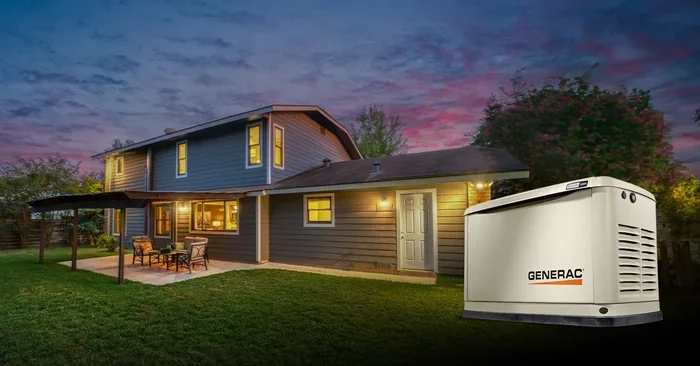
A whole house generator powers everything in your home. That includes lights, kitchen appliances, entertainment systems, and climate control. Unlike a portable unit that only handles a few devices, a permanent generator ties directly into your electrical panel. It kicks on automatically within seconds of an outage.
The automatic transfer switch is the brain behind this process. It detects power loss, signals the generator to start, and routes electricity throughout your home. When grid power returns, the switch shifts back seamlessly. You barely notice anything happened.
Choosing the Right Size Full House Generator
Sizing is the most important decision you will make. Too small and the generator overloads. Too big and you waste money on fuel and equipment. Finding the sweet spot saves you money and keeps your home powered reliably.
Start by listing the essential circuits you want to run. Most homeowners prioritize the furnace, refrigerator, lights, and well pump. A professional electrician can perform a load calculation to determine your exact needs. You can also use our guide on what size generator will run a whole house to estimate your requirements.
Understanding Wattage Requirements
Every appliance draws a certain amount of power. Measured in watts, these numbers add up quickly. A typical home needs between 5,000 and 7,500 watts for essential loads. For full coverage including air conditioning and electric water heaters, you may need 15,000 to 22,000 watts.
Keep in mind that some devices need extra power to start up. This is called surge wattage. Your generator capacity must handle both running watts and starting watts. Always add a buffer of 20 to 25 percent above your calculated total.
Common Sizing Mistakes
- Guessing instead of calculating: Always do a proper load analysis before purchasing.
- Forgetting well pumps and sump pumps: These draw significant power and are easy to overlook.
- Ignoring climate needs: Heating and cooling systems are among the largest power draws in any home.
- Buying based on price alone: A cheaper unit that cannot handle your load will leave you in the dark.
Installation and Setup Essentials
Proper generator installation is non-negotiable. A poorly installed unit wastes fuel, risks damage, and can even endanger your family. Always hire a licensed professional for the setup.
The generator sits outside your home on a concrete pad. It connects to your electrical panel through the automatic transfer switch. The exhaust vents away from windows and doors to prevent carbon monoxide buildup. Local building codes dictate specific placement and clearance requirements, so check with your municipality before starting.
The Role of the Transfer Switch
The automatic transfer switch is the most critical component of your setup. It monitors utility power and detects any interruption. Within seconds, it starts the generator and transfers your home’s load. When utility power returns, it shuts down the generator and reconnects to the grid.
This seamless process means you never have to manually start the generator during an outage. The whole thing happens automatically. You can even be asleep and not know the power went out until morning.
For more details on connecting your generator to your home’s electrical system, check out our guide on how to run generator to house.
Fuel Types and Runtime Considerations
Generators run on different fuels, and each has pros and cons. Your choice affects runtime, operating cost, and how often you need to refuel. Understanding these differences helps you pick the best option for your home.
| Fuel Type | Pros | Cons |
|---|---|---|
| Natural Gas | Unlimited supply, clean burning, lower cost per hour | Requires gas line connection, may not work during pipe freezes |
| Propane | Long shelf life, works in cold weather, portable tanks | Needs tank refills, higher fuel cost per BTU |
| Diesel | High efficiency, long runtime, durable | Louder, more expensive fuel, harder to find |
Propane vs Natural Gas for Home Generators
Propane and natural gas are the two most popular choices for residential backup generators. Propane stores well and works reliably in freezing temperatures. It is a great option for homes without a natural gas line. However, you need to monitor tank levels and schedule refills.
Natural gas connects directly to your utility line. You never run out as long as the gas company keeps the line pressurized. It also burns cleaner and costs less per unit of energy. The downside is that natural gas lines can freeze during extreme cold, potentially cutting off supply.
Fuel consumption varies by load and generator size. If you are curious about specific usage rates, our article on how much propane does a 20kw generator use per hour breaks down real numbers for a common home generator size.
Maximizing Runtime During Outages
Most home backup power systems can run continuously for 24 to 48 hours on a full tank or tank. To extend runtime, reduce your electrical load where possible. Turn off non-essential circuits and avoid running multiple high-draw appliances at the same time.
Keeping your fuel supply full before storms is a smart habit. For propane users, having a backup tank on hand provides extra peace of mind. Natural gas users benefit from knowing their utility provider’s emergency response procedures.
Maintenance Tips for Long-Lasting Performance
A full house generator is a major investment. Like any major appliance, it needs regular care to perform reliably. Neglecting maintenance leads to breakdowns at the worst possible moments.
Most manufacturers recommend a maintenance schedule based on runtime hours or seasonal intervals. A yearly inspection by a qualified technician covers the essentials. Between professional visits, there are several tasks you can handle yourself.
DIY Maintenance Checklist
- Check oil levels monthly: Low oil causes engine damage. Keep extra oil on hand for top-ups.
- Inspect air filters: Dirty filters reduce efficiency and strain the engine. Replace them every 6 to 12 months.
- Test the battery: The starting battery should hold a full charge. Replace it every 2 to 3 years.
- Run the generator monthly: A 15-minute test run keeps the engine lubricated and the system fresh.
- Check fuel lines and connections: Look for cracks, leaks, or corrosion around propane or gas lines.
- Clear debris from the unit: Keep vegetation and objects away from the generator for proper airflow.
How Long Does a Whole House Generator Last?
With proper care, a full house generator lasts between 25 and 30 years or more. Runtime hours matter more than calendar years. A generator that runs 100 hours per year will last significantly longer than one that runs 300 hours per year.
For more information on generator longevity, you can read our detailed piece on how long does a whole house generator last. It covers the factors that influence lifespan and how to get the most out of your unit.
Common Mistakes to Avoid with Your Full House Generator
Even the best generator causes problems when owners make avoidable errors. Learning from other people’s mistakes saves you time, money, and frustration.
Mistake 1: Ignoring Local Codes and Permits
Every municipality has rules about generator placement, noise levels, and electrical connections. Skipping permits or ignoring codes can result in fines or forced removal. Always check with your local building department before installation.
Mistake 2: Overloading the Generator
Running too many appliances at once trips the generator’s breaker. This shuts everything down and can damage the unit. Spread out high-draw appliances and never exceed the rated wattage.
Mistake 3: Skipping Regular Exercise Runs
Generators that sit unused for months develop stale fuel, dead batteries, and corroded connections. Monthly test runs keep everything in working order. Think of it like starting your car regularly to keep the battery charged.
Mistake 4: Using the Wrong Extension Cords
If you do use cords to connect devices, make sure they are rated for outdoor use and heavy-duty applications. Lightweight indoor cords overheat and create fire hazards. Always match cord gauge to the wattage of the devices you are powering.
Quick Tips for Getting the Most from Your Generator
- Install a carbon monoxide detector near the generator and in sleeping areas.
- Keep a log of maintenance and test runs to track performance over time.
- Stock up on fuel and filters before storm season begins.
- Label your essential circuits so you know exactly what is connected to the generator.
- Consider a surge protector for sensitive electronics like computers and TVs.
- Know your fuel delivery timeline so you can order refills before you run low.
For homeowners wondering about specific electrical loads, our article on what size generator to run furnace and refrigerator provides detailed guidance on sizing for common household appliances.
Final Thoughts on Full House Generator Ownership
A full house generator is one of the most valuable investments you can make for your home. It provides peace of mind, protects your property, and keeps your family safe during outages. From choosing the right size to staying on top of maintenance, every step matters.
Start by assessing your power needs honestly. Then pick a fuel type that fits your budget and local availability. Work with a licensed professional for installation and follow through on regular maintenance. These simple steps ensure your generator is ready whenever you need it most.
The next time a storm rolls in or the power grid falters, you will not have to worry. Your full house generator has you covered. And that feeling of reliability is worth every bit of effort you put into getting it right.
Frequently Asked Questions
How much does a full house generator cost to install?
Installation costs typically range from $4,000 to $15,000 depending on the unit size and fuel type. Larger generators and natural gas connections tend to cost more. Always get quotes from at least three licensed installers in your area.
Can I install a full house generator myself?
While some homeowners attempt DIY installation, it is strongly recommended to hire a licensed professional. Incorrect electrical connections or improper venting can create serious safety hazards. Most manufacturers also require professional installation to maintain the warranty.
How often should I run my full house generator?
You should run your generator for 15 to 30 minutes once a month. This exercise run keeps the engine lubricated and the battery charged. It also helps you catch any issues before a real emergency strikes.
What is the difference between a standby generator and a portable generator?
A standby generator is a permanent unit that connects directly to your home’s electrical system and turns on automatically. A portable generator is temporary, requires manual setup, and can only power a few devices at a time. For whole-home coverage, a standby unit is the clear choice.
How much fuel does a full house generator use per hour?
Fuel consumption depends on the load and generator size. A 20kW propane generator uses roughly 3 to 4 gallons per hour at full load. Natural gas units consume significantly more volume but cost less per unit of energy. Check our fuel consumption guide for detailed numbers.
Do full house generators work in extreme cold weather?
Yes, but cold weather requires extra preparation. Propane generators handle freezing temperatures well. Natural gas units may need heat tape on lines during extreme cold. Keeping your generator in a covered, ventilated enclosure protects it from snow and ice while maintaining airflow.