10000 Watt Generator The Ultimate Home Power Guide
A 10000 watt generator is one of the most versatile power solutions for homeowners. It can keep your essential appliances running during outages and handle heavy-duty tasks on job sites. This guide covers everything from sizing and fuel types to safety tips and top models, so you can make a confident choice.
Key Takeaways
- Power Range: A 10000 watt generator delivers enough electricity to run most essential home appliances and tools simultaneously.
- Fuel Flexibility: These generators come in gasoline, propane, diesel, and dual-fuel options to suit different needs.
- Sizing Matters: Matching your generator’s wattage to your actual power needs prevents overload and saves fuel.
- Safety First: Proper placement, grounding, and carbon monoxide awareness are non-negotiable for safe operation.
- Maintenance Extends Life: Regular oil changes, filter replacements, and load testing keep your generator running smoothly for years.
- Cost vs. Value: Investing in the right 10000 watt generator now can save thousands in spoiled food, comfort, and convenience during outages.
📑 Table of Contents
- What Is a 10000 Watt Generator and Why Do You Need One?
- Types of 10000 Watt Generators
- What Can a 10000 Watt Generator Power?
- How to Choose the Right 10000 Watt Generator
- Generator Sizing: Finding Your Perfect Match
- Safety Tips for Operating a 10000 Watt Generator
- Maintenance Tips to Keep Your Generator Running Strong
- Cost Breakdown: What Does a 10000 Watt Generator Cost?
- Common Mistakes People Make With 10000 Watt Generators
- Final Thoughts on the 10000 Watt Generator
What Is a 10000 Watt Generator and Why Do You Need One?
A 10000 watt generator is a portable or standby power unit that produces up to 10,000 watts of electrical output. That is enough to run your refrigerator, lights, furnace fan, sump pump, and a few smaller devices all at once. Think of it as a reliable backup brain for your home when the grid goes down.
Power outages are more common than most people realize. Storms, grid failures, and even planned shutdowns can leave you in the dark for hours or days. A 10kW generator gives you peace of mind because it keeps the essentials running without breaking the bank.
These generators come in different shapes and sizes. Some are portable units you can wheel to a job site. Others are larger portable models that still fit in a truck bed. And then there are standby versions that install outside your home and kick on automatically during an outage. Each type has its own strengths, which we will explore below.
How Many Watts Is 10000 Watts Really?
Let us break this down in simple terms. A 10000 watt generator produces 10 kilowatts of power. Most homes in the United States use a central air conditioner that draws around 5,000 watts. A refrigerator needs about 700 to 1,200 watts. A furnace blower pulls roughly 400 to 700 watts. Add a few lights, a sump pump, and a microwave, and you are still well within the 10,000-watt range.
The key is understanding the difference between running wattage and surge wattage. Running wattage is the continuous power a device needs. Surge wattage is the extra burst of power some appliances need when they start up. Motors in refrigerators and air conditioners are the biggest culprits for surge demands. A good 10000 watt generator handles both with ease.
Types of 10000 Watt Generators
Not all generators are created equal. Knowing the different types helps you pick the right one for your situation. Here is a closer look at each category.
Portable Generators
Portable 10000 watt generators are the most popular choice for homeowners. They are easy to move, store, and set up. Most run on gasoline, though some models support propane or natural gas. You plug your appliances directly into the generator using heavy-duty extension cords.
Portable units are affordable compared to standby options. A good portable 10kW generator costs anywhere from 800 to 2,500 dollars depending on the brand and features. They are perfect for occasional use, camping trips, and short-term power outages.
Standby Generators
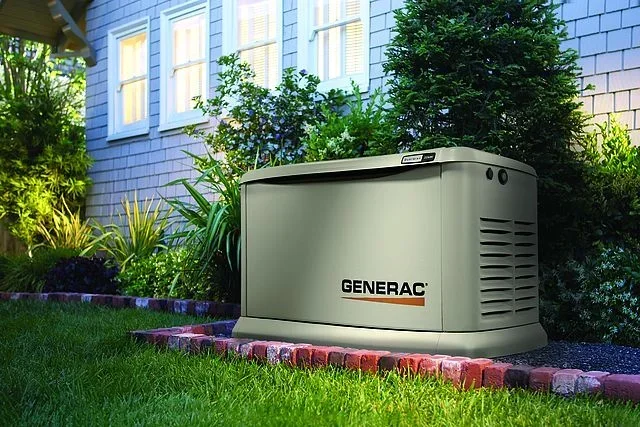
Standby generators are the heavy-duty option. They install permanently outside your home and connect directly to your electrical panel. When the power goes out, the standby unit detects the outage and starts automatically, often within seconds. You do not even need to be home.
A standby 10000 watt generator typically runs on natural gas or propane. Installation costs are higher, usually between 3,000 and 7,000 dollars including setup. But the convenience and automatic operation make them a top choice for homeowners in storm-prone areas. To learn more about how generators connect to your home, check out our guide on how to run a generator to house.
Dual-Fuel and Tri-Fuel Models
Dual-fuel generators let you switch between gasoline and propane. Tri-fuel models add natural gas to the mix. This flexibility is a big advantage because you are never stuck without fuel during a long outage. If you live in an area prone to extended power disruptions, a dual-fuel 10000 watt generator gives you options.
What Can a 10000 Watt Generator Power?
This is the question most homeowners ask first. The answer depends on which appliances you need to run at the same time. Let us look at a practical breakdown.
Essential Home Appliances
During a typical power outage, most families want to keep these essentials going:
- Refrigerator: 700 to 1,200 watts running, 1,200 to 2,200 watts starting
- Lights (4-6 rooms): 300 to 600 watts total
- Furnace blower: 400 to 700 watts
- Sump pump: 800 to 1,300 watts starting
- Microwave: 1,000 to 1,200 watts
- Phone and laptop charging: 50 to 200 watts total
Add all of those up, and you are looking at around 3,500 to 5,000 watts of running power. A 10000 watt generator handles this comfortably with plenty of room to spare. That leaves headroom for a television, a laptop, or a small space heater.
Tools and Heavy-Duty Equipment
Beyond home essentials, a 10kW generator powers a wide range of tools. Circular saws, air compressors, welders, and pressure washers all run well within the 10,000-watt capacity. Contractors and DIY enthusiasts love the versatility of a 10000 watt generator on job sites where shore power is not available.
What Should You NOT Run on a 10000 Watt Generator?
Here is the honest truth. A single 10000 watt generator cannot power your entire house at full blast. You cannot run central air conditioning, an electric water heater, a clothes dryer, and an oven all at the same time. Those appliances alone could draw 15,000 watts or more. The trick is to prioritize what matters most and cycle heavy loads when possible.
If you are curious about what specific appliances a generator can handle, our article on what size generator to run furnace and refrigerator dives deeper into appliance wattage and sizing.
How to Choose the Right 10000 Watt Generator
Shopping for a generator can feel overwhelming. There are dozens of brands, models, and features to compare. Here is a straightforward guide to help you decide.
Fuel Type and Runtime
Fuel choice affects both runtime and operating cost. Gasoline is the most common fuel for portable 10kW generators. It is widely available and easy to store. However, gasoline has a shorter shelf life than propane, typically around 30 days without stabilizer.
Propane burns cleaner and lasts longer in storage. A dual-fuel generator that runs on both gasoline and propane gives you the best of both worlds. Diesel models are rare at the 10,000-watt level but offer excellent fuel efficiency for heavy use.
Runtime varies by model and load. On a half-load tank, most 10000 watt generators run for 8 to 12 hours. Some high-capacity tanks extend that to 15 or even 20 hours. If you want to know more about fuel consumption specifics, see our article on how much propane does a 20kw generator use per hour for fuel efficiency benchmarks.
Starting Mechanism
Most modern generators use electric start, which is a simple push-button operation. Some portable models still use a recoil pull start, which works fine but can be tough in cold weather. Standby generators start automatically, which is a huge advantage during nighttime outages or when you are away from home.
Noise Level
Generator noise is a real concern, especially in suburban neighborhoods. A standard portable 10000 watt generator produces around 70 to 80 decibels. That is similar to a vacuum cleaner. Inverter generators in this wattage range are quieter, often around 60 to 65 decibels. If noise matters to you, look for models marketed as “quiet” or “inverter” generators.
Outlets and Connectivity
Check the outlet options before you buy. A good 10kW generator should have at least one 240-volt outlet and several 120-volt outlets. USB ports are a nice bonus for charging phones and tablets directly. Some models also include RV-ready 30-amp and 50-amp outlets, which add versatility.
Generator Sizing: Finding Your Perfect Match
Choosing the right size generator is critical. A unit that is too small will overload and shut down. A unit that is too large wastes fuel and costs more upfront. Here is a simple sizing strategy.
Step 1: List Your Essential Loads
Write down every appliance and device you want to run during an outage. Include the starting wattage for motor-driven appliances. Add up the total.
Step 2: Add a Safety Margin
Always add 10 to 20 percent extra capacity to your total wattage. This buffer prevents overload, reduces strain on the generator engine, and extends its lifespan. A 10000 watt generator gives you plenty of room for a safety margin.
Step 3: Consider Future Needs
Think about what you might need to power in the future. Are you planning to add a hot tub? A workshop with power tools? A home office with multiple computers? Choosing a 10kW generator now gives you flexibility for those possibilities.
Safety Tips for Operating a 10000 Watt Generator
Generators are powerful machines that demand respect. Following safety guidelines protects you, your family, and your home.
Never Operate Indoors
This cannot be stressed enough. A running generator produces carbon monoxide, an invisible and odorless gas that can be fatal within minutes. Always operate your 10000 watt generator outdoors, at least 20 feet away from doors, windows, and vents.
Use Proper Extension Cords
Use heavy-duty, outdoor-rated extension cords rated for the wattage you are drawing. Thin or damaged cords can overheat and cause fires. Never daisy-chain multiple extension cords together.
Ground Your Generator
Proper grounding prevents electrical shock and protects your appliances. Follow the manufacturer’s grounding instructions carefully. Most 10kW generators come with a grounding rod or a grounding bolt that connects to your outlet panel.
Store Fuel Safely
Gasoline is highly flammable. Store fuel in approved containers away from living areas and heat sources. To maximize fuel shelf life, add a fuel stabilizer if you plan to store gasoline for more than two weeks. For more on fuel storage best practices, read our guide on how long can you leave gas in a generator.
Maintenance Tips to Keep Your Generator Running Strong
A 10000 watt generator is an investment. Regular maintenance ensures it starts when you need it most. Here is a simple maintenance schedule to follow.
Before Every Use
- Check the oil level
- Inspect for visible damage or loose connections
- Verify the fuel level and freshness
- Make sure the circuit breaker is off before starting
Every 50 to 100 Hours of Use
- Change the engine oil
- Replace or clean the air filter
- Check the spark plug
- Inspect the fuel lines for cracks or leaks
Seasonal Maintenance
- Run the generator under load for at least 15 minutes monthly
- Add fuel stabilizer if the unit will sit unused for months
- Test the voltage output with a multimeter
- Have a professional inspect the unit annually
Regular maintenance not only extends the life of your generator but also keeps it running efficiently. A well-maintained 10000 watt generator can last 10,000 to 20,000 hours or more before needing major repairs. To understand the long-term value, check out our article on how long does a whole house generator last for lifespan benchmarks.
Cost Breakdown: What Does a 10000 Watt Generator Cost?
Price is always a factor when buying a generator. Here is a realistic cost breakdown for different types of 10kW generators.
- Portable gasoline models: $800 to $2,000
- Dual-fuel portable models: $1,000 to $2,800
- Inverter generators (10kW): $1,500 to $3,500
- Standby generators (10kW): $3,000 to $7,000 installed
Standby generators cost more upfront, but they offer automatic operation and natural gas or propane hookups that eliminate the need for fuel storage. Portable models are budget-friendly and work great for occasional use. The best choice depends on your power needs, budget, and how often you plan to use the unit.
Common Mistakes People Make With 10000 Watt Generators
Avoid these common pitfalls to get the most out of your generator.
- Undersizing: Buying a generator that is too small leads to overload and potential damage to both the generator and your appliances.
- Overloading: Plugging in too many high-wattage devices at once trips the breaker and can harm the engine.
- Neglecting fuel freshness: Old gasoline gumming up the carburetor is one of the most common reasons a generator fails to start.
- Skipping maintenance: A generator that sits unused for months without oil changes or load testing will likely fail when you need it most.
- Ignoring placement: Running a generator too close to the house or in an enclosed space creates serious carbon monoxide risks.
Final Thoughts on the 10000 Watt Generator
A 10000 watt generator strikes the perfect balance between power and practicality. It is large enough to handle your essential home appliances, yet compact enough to store and move with ease. Whether you choose a portable, standby, or dual-fuel model, the key is to match the generator to your actual power needs.
Invest in quality fuel storage, commit to a regular maintenance routine, and always prioritize safety. A well-chosen and well-maintained 10kW generator becomes a reliable partner during storms, outages, and power-hungry projects. The peace of mind it provides is truly worth the investment.
Take the time to evaluate your household’s power needs, compare models, and choose the 10000 watt generator that fits your lifestyle. You will be glad you did the next time the lights go out.
Frequently Asked Questions
Can a 10000 watt generator power a central air conditioner?
It depends on the size of your AC unit. A small central air conditioner (around 5,000 watts) can run on a 10000 watt generator. However, larger central AC units that draw 8,000 watts or more may be too much, especially with the starting surge. Always check your AC unit’s wattage before connecting it.
How long can a 10000 watt generator run on a full tank?
Most 10kW generators run for 8 to 12 hours on a full tank at half load. Some models with larger fuel tanks can extend that to 15 or 20 hours. Runtime depends on the fuel type, load level, and engine efficiency.
Is a 10000 watt generator loud?
Standard portable generators produce around 70 to 80 decibels, similar to a vacuum cleaner. Inverter 10000 watt generators are quieter, usually around 60 to 65 decibels. If noise is a concern, look for inverter models or units marketed as “quiet operation.”
What fuel is best for a 10000 watt generator?
Gasoline is the most common and accessible fuel for portable 10000 watt generators. Propane burns cleaner and stores longer. Dual-fuel models give you flexibility. Choose based on your storage situation and how long you need to run the generator during outages.
Can I connect a 10000 watt generator directly to my home’s electrical panel?
Standby 10kW generators can be wired directly to your electrical panel by a licensed electrician using a transfer switch. Portable generators should never be plugged directly into a wall outlet, as this creates a dangerous backfeed hazard. Always use proper connection methods.
How often should I maintain my 10000 watt generator?
Change the oil every 50 to 100 hours of use or at least once per season. Replace the air filter and check the spark plug on the same schedule. Run the generator under load for at least 15 minutes monthly to keep the engine in good condition. To understand long-term upkeep, check our guide on how long does a whole house generator last.