How to Choose a Generator Transfer Switch for Your Home
A generator transfer switch is the safest and most efficient way to power your home during an outage. This guide walks you through every type, size, and installation detail so you can make a confident choice. Whether you need an automatic or manual option, we cover everything you need to know.
A generator transfer switch is one of the most important pieces of equipment you can install in your home. It connects your backup generator to your electrical system safely and efficiently. Without one, you risk damaging your appliances, violating electrical codes, or even endangering your family.
Whether you just bought a whole house generator or are planning to, understanding how a transfer switch works is essential. This guide breaks down everything you need to know in plain, simple language. By the end, you will feel confident choosing the right transfer switch for your home.
We will cover the different types, how to size one correctly, installation tips, costs, and common mistakes to avoid. Let us dive in and make this easy for you.
Key Takeaways
- Choose the right type: Automatic and manual transfer switches each serve different needs and budgets.
- Match your wattage: Sizing your transfer switch correctly prevents overloads and protects your appliances.
- Installation matters: Always hire a licensed electrician for safe and code-compliant setup.
- Budget wisely: Costs range from $200 to $2,000+ depending on the type and features.
- Avoid common mistakes: Backfeeding and undersizing are the two biggest errors homeowners make.
- Maintenance keeps it running: Regular testing ensures your switch works when you need it most.
📑 Table of Contents
- What Is a Generator Transfer Switch?
- Types of Generator Transfer Switches
- How to Choose the Right Generator Transfer Switch
- Installation Tips and Best Practices
- Generator Transfer Switch Cost and Budget Tips
- Common Mistakes to Avoid
- Generator Transfer Switch Maintenance Made Easy
- Frequently Asked Questions
- Conclusion
What Is a Generator Transfer Switch?
A generator transfer switch is a device that sits between your home’s electrical panel and your backup generator. It safely routes power from the generator into your home during an outage. The switch disconnects your home from the utility grid first, then connects it to the generator. This process is called “transfer,” and it happens automatically or manually depending on the type you choose.
The main job of a transfer switch is to keep your home powered without creating dangerous backfeed conditions. Backfeed happens when electricity flows backward into the utility lines. This can seriously injure or kill utility workers repairing power lines. A proper transfer switch prevents this entirely.
There are two main categories of generator transfer switches: automatic and manual. Each has its own benefits, and the right choice depends on your needs, budget, and how you plan to use your generator.
How Does a Transfer Switch Work?
When the power goes out, the transfer switch detects the loss of utility power. If you have an automatic switch, it signals the generator to start up. Once the generator reaches the correct speed and voltage, the switch transfers your home’s load to the generator. When utility power returns, the switch transfers the load back and shuts the generator down.
With a manual switch, you have to start the generator yourself and physically flip the switch to route power into your home. It is a simple process, but it requires you to be present and alert during an outage.
Types of Generator Transfer Switches
Not all transfer switches are the same. Understanding the different types helps you make a smart decision. Here are the three main options available for homeowners.
Automatic Transfer Switch (ATS)
An automatic transfer switch is the most convenient option. It monitors your utility power 24/7. When it senses an outage, it starts your generator and transfers the load within seconds. You do not need to lift a finger.
Automatic switches are ideal for homeowners who want seamless backup power. They are especially useful for people who travel frequently or have medical equipment that needs constant electricity. The downside is that they cost more than manual switches.
Manual Transfer Switch
A manual transfer switch requires you to start the generator and flip the switch by hand. It is a simple, reliable device that gets the job done. You will need to be home when the power goes out to operate it.
Manual switches are popular among budget-conscious homeowners. They cost less and are easier to install. If you only need backup power for a few essential circuits, a manual switch can work perfectly well.
Load Center Transfer Switch
A load center transfer switch combines the transfer switch and subpanel into one unit. It is a compact solution that saves space in your electrical panel area. These switches are great for homes with limited room near the main panel.
They work with both automatic and manual configurations. Load center switches are a smart choice if you want a clean, organized setup without extra equipment.
How to Choose the Right Generator Transfer Switch
Choosing the right generator transfer switch comes down to a few key factors. Let us walk through each one so you know exactly what to look for.
Step 1: Determine Your Power Needs
Start by listing the appliances and circuits you want to run during an outage. Common essentials include the refrigerator, lights, furnace blower, and a few outlets. Add up the wattage of each item to find your total power need.
Keep in mind that some appliances need extra power to start up. This is called “starting wattage.” A refrigerator, for example, may need 2,200 watts to start but only 700 watts to run. Always check the starting wattage for the most accurate sizing.
Step 2: Match the Switch to Your Generator
Your transfer switch must be compatible with your generator. Check the generator’s output voltage and amperage. Most home generators operate at 240 volts. The switch must match this output exactly.
If you are still shopping for a generator, think about how much power you actually need. A smaller portable generator might work fine for basic needs. But if you want to power your entire home, you will need a larger standby unit and a bigger switch. You can also check out our guide on what size generator to run furnace and refrigerator for helpful sizing tips.
Step 3: Choose Between Automatic and Manual
This decision comes down to convenience versus cost. Automatic switches offer peace of mind but cost more. Manual switches are affordable and simple but require your presence during outages.
Ask yourself: Do I want to be home every time the power goes out? If the answer is no, an automatic switch is the better choice. If you are on a tight budget and do not mind flipping a switch, a manual option works great.
Step 4: Check Your Electrical Panel
Your electrical panel type matters when choosing a transfer switch. Most modern homes use a 200-amp panel. Older homes may have 100-amp or 150-amp panels. The switch must match your panel’s amperage rating.
You will also need to consider the number of circuits you want to connect. A larger switch allows you to power more circuits at once. Talk to a licensed electrician if you are unsure about your panel’s capacity.
Step 5: Consider the Brand and Quality
Not all transfer switches are built the same. Look for well-known brands that offer solid warranties and reliable performance. A quality switch will last for many years with minimal maintenance.
Brands like Generac, Eaton, and Reliance Controls are popular choices among homeowners. They offer a range of options for different budgets and power needs. When in doubt, choose a switch that meets or exceeds your generator’s output.
Installation Tips and Best Practices
Installing a generator transfer switch is not a DIY project. It involves working with your home’s electrical system, which can be dangerous if done incorrectly. Always hire a licensed and experienced electrician for the job.
Where to Install the Switch
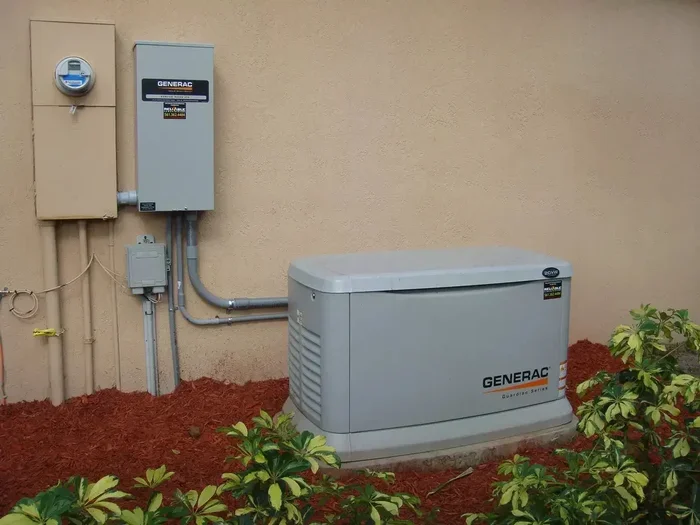
The transfer switch should be installed near your main electrical panel. It needs to be easily accessible so you can operate it during an outage. Most electricians recommend mounting it on an exterior wall close to the panel.
Make sure the location is dry and protected from the elements. If you live in an area prone to flooding, install the switch well above ground level. Proper placement ensures safe and convenient operation for years to come.
Permits and Code Compliance
Most local jurisdictions require a permit for transfer switch installation. The electrical code in your area will dictate specific requirements for the setup. Your electrician should handle all permits and inspections.
Do not skip this step. Working without a permit can cause problems when you sell your home. It can also create safety hazards if the installation does not meet local standards.
Wiring and Connections
The electrician will run a dedicated cable from the transfer switch to the generator. This cable is called the “generator interlock” or “genset cord.” It must be properly sized for the amperage of your system.
All connections must be tight and secure. Loose connections can cause heat buildup, which leads to fires. A professional installer will test every connection before finishing the job.
Testing the System
Once installed, test the entire system before you actually need it. Run the generator and flip the switch to make sure power flows correctly to your home. Test it at least once every few months to keep everything in working order.
Regular testing also helps you catch small problems before they become big issues. If anything feels off during a test run, call your electrician right away. Prevention is always cheaper than repair.
Generator Transfer Switch Cost and Budget Tips
The cost of a generator transfer switch varies quite a bit depending on the type and features. Understanding the price range helps you budget accordingly.
Breakdown of Costs
Manual transfer switches are the most affordable option. They typically cost between $200 and $800 for the unit itself. Automatic switches are more expensive, ranging from $500 to $2,000 or more. Load center switches fall somewhere in between.
Installation costs add to the total. Expect to pay $500 to $1,500 for professional installation, depending on your location and the complexity of the job. The total cost for a complete setup usually falls between $700 and $3,500.
| Switch Type | Unit Cost | Installation Cost | Total Cost |
|---|---|---|---|
| Manual Transfer Switch | $200 – $800 | $500 – $1,000 | $700 – $1,800 |
| Automatic Transfer Switch | $500 – $2,000+ | $500 – $1,500 | $1,000 – $3,500+ |
| Load Center Transfer Switch | $400 – $1,200 | $500 – $1,200 | $900 – $2,400 |
How to Save Money
One of the best ways to save is to choose a manual switch if it meets your needs. Manual switches are simple and cost-effective. You also save by getting multiple quotes from licensed electricians in your area.
Do not cut corners on quality, though. A cheap switch that fails during an outage costs you more in the long run. Invest in a reliable product and professional installation. Think of it as an investment in your home’s safety and comfort.
Common Mistakes to Avoid
Even well-informed homeowners make mistakes when choosing or installing a transfer switch. Here are the most common errors and how to avoid them.
Undersizing the Switch
One of the biggest mistakes is choosing a switch that is too small for your generator. An undersized switch can overheat and fail when you need it most. Always match the switch amperage to your generator’s output.
Ignoring Local Electrical Codes
Every area has its own electrical codes and requirements. Ignoring these can lead to failed inspections, fines, or unsafe conditions. Always work with a licensed electrician who knows your local regulations.
Skipping Regular Maintenance
A transfer switch does not need much maintenance, but you should not ignore it entirely. Test the system regularly and inspect for any signs of wear or damage. A little attention goes a long way toward preventing failures.
Attempting DIY Installation
Working with your home’s electrical system is dangerous. Even experienced DIYers should leave transfer switch installation to the professionals. The risk of electrocution, fire, or code violations is simply not worth it.
Generator Transfer Switch Maintenance Made Easy
Keeping your transfer switch in good shape is simple and takes very little time. A few routine checks can extend its lifespan by many years. Here is what you should do regularly.
First, test the switch every few months. Start your generator and run the transfer switch to make sure it engages properly. Listen for any unusual sounds or smells during the test. If anything seems off, call your electrician for a checkup.
Second, keep the switch clean and free of dust. Use a dry cloth to wipe down the exterior. Do not use water or cleaning chemicals near electrical components. Third, inspect all wiring connections for signs of looseness or corrosion. Tighten any loose connections carefully or have a professional handle it.
Finally, replace any damaged parts immediately. Do not wait for a small issue to turn into a big problem. A well-maintained transfer switch will serve you reliably for decades.
For more information on keeping your backup power system running smoothly, check out our article on how long a whole house generator lasts for helpful maintenance insights.
Frequently Asked Questions
Do I really need a generator transfer switch?
Yes, absolutely. A transfer switch is the safest way to connect a generator to your home. Without one, you risk backfeeding the utility lines, which can be fatal. It also protects your appliances from power surges and ensures your system runs efficiently during an outage.
Can I install a transfer switch myself?
We strongly recommend against DIY installation. Working with your home’s electrical panel is dangerous and requires professional knowledge. A licensed electrician will ensure the installation is safe, code-compliant, and properly sized for your system.
How long does installation take?
Most installations take between 4 and 8 hours, depending on the complexity. A straightforward setup with an existing panel usually takes less time. Your electrician can give you a more accurate estimate during the initial consultation.
What is the difference between a transfer switch and an interlock kit?
An interlock kit is a simpler and cheaper alternative to a transfer switch. It prevents backfeed but does not offer the same level of convenience or circuit control. A transfer switch allows you to manage multiple circuits and transfer power automatically or manually with more precision.
Will a transfer switch work with any generator?
Not all switches work with all generators. You need to match the switch to your generator’s voltage and amperage output. Always check the specifications of both the generator and the switch before purchasing to ensure compatibility.
How often should I test my transfer switch?
Test your transfer switch at least once every three months. Regular testing ensures the system engages properly when you need it most. It also helps you catch small issues before they become expensive problems. If you notice any unusual behavior during testing, contact a licensed electrician right away.
Conclusion
Choosing the right generator transfer switch is one of the smartest decisions you can make for your home. It keeps your family safe, protects your appliances, and ensures you have power when you need it most. Whether you pick an automatic or manual switch, the key is to size it correctly, install it professionally, and maintain it regularly.
Take the time to evaluate your power needs, compare your options, and work with a trusted electrician. The upfront investment pays for itself the first time the power goes out and your home stays running smoothly. Do not wait until an outage catches you off guard. Make the switch today and enjoy peace of mind all year long.
Remember, a good generator transfer switch is the bridge between your backup power and your home. Choose wisely, install it right, and you will never have to worry about darkness during the next storm.