How Much Is a Good Generator in 2025 Find Out Now
A good generator in 2025 can cost anywhere from $500 for a basic portable unit to $15,000+ for a whole house standby system. Your generator cost depends on fuel type, wattage, brand, and installation needs. This guide breaks down every price range so you can find the right generator for your home without overspending.
So you are wondering, how much is a good generator in 2025? Whether you need backup power for a blackout or want to run tools on a job site, picking the right generator can feel overwhelming. There are so many options, prices, and brands out there that it is easy to get lost.
The good news is that this guide breaks it all down for you. We will walk through every price range, explain what you get at each level, and help you avoid common mistakes. By the end, you will know exactly what kind of generator fits your needs and budget. No guesswork. No confusion.
Let us start with the basics. A good generator is one that meets your power needs reliably, lasts for years, and does not break the bank. The price you pay depends on several factors including fuel type, wattage, portability, and whether you need professional generator installation. We will cover all of that and more in this article.
Key Takeaways
- Portable generators range from $500 to $2,500 and are great for temporary power needs.
- Standby generators cost between $2,000 and $15,000+ depending on size and fuel type.
- Whole house generators provide full-home backup but require professional installation.
- Fuel type (propane, natural gas, gasoline) significantly impacts both upfront and running costs.
- Installation and maintenance add to the total generator cost over time.
- Choosing the right generator size prevents wasted money and ensures reliable power.
- Brands like Generac, Kohler, and Honda offer different price points and quality levels.
📑 Table of Contents
- Understanding Generator Types and Their Costs
- How Generator Size Affects Price
- Fuel Types and How They Impact Cost
- Brand Comparison: What You Get for Your Money
- Hidden Costs to Consider When Buying a Generator
- How to Choose the Right Generator for Your Budget
- How Long Does a Generator Last?
- Common Mistakes People Make When Buying a Generator
- Quick Tips for Saving Money on Your Generator Purchase
- Final Thoughts on Generator Costs in 2025
Understanding Generator Types and Their Costs
Not all generators are the same. Different types serve different purposes, and each comes with its own price tag. Let us look at the main categories so you can figure out which one fits your situation best.
Portable Generators
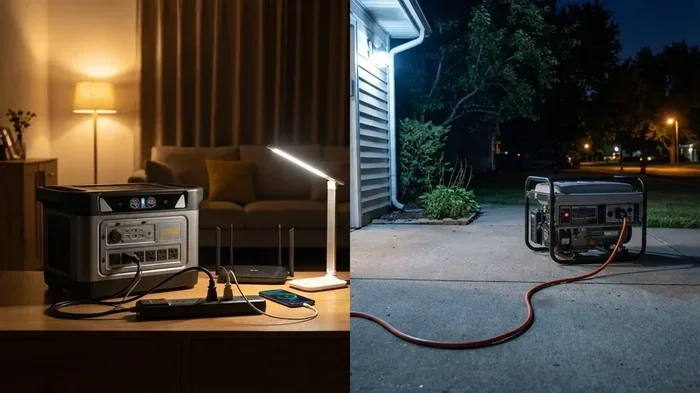
Portable generators are the most affordable option. They are perfect for camping, tailgating, or powering a few essential appliances during an outage. A basic portable generator starts around $500 and can go up to $2,500 for higher-wattage models.
These units run on gasoline or propane. They are easy to move around, but they are not designed to power an entire house. If you just need to keep your fridge running and charge your phone, a portable unit is a solid choice.
Standby Generators
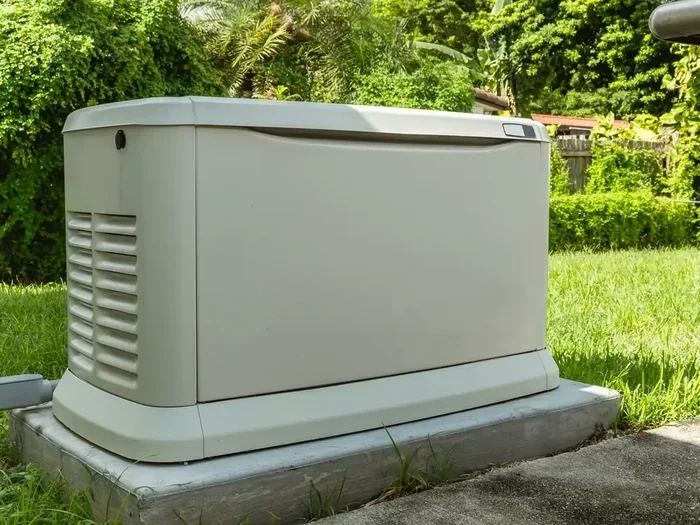
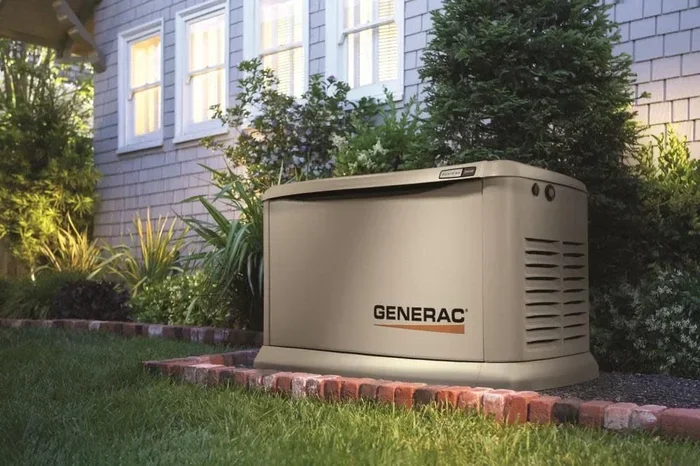
Standby generators are the heavy-duty options. They sit outside your home and kick on automatically when the power goes out. The standby generator cost typically ranges from $2,000 to $15,000 or more. This includes the unit itself plus generator installation fees.
Standby units run on natural gas or propane. They can power your entire home for days if needed. If you live in an area prone to storms or frequent outages, a standby generator is a worthwhile investment.
Inverter Generators
Inverter generators are a step up from basic portables. They produce cleaner power, which is safe for sensitive electronics like laptops and TVs. Prices range from $800 to $4,000. They are quieter and more fuel-efficient than traditional portables, making them a popular choice for people who want reliability without the bulk.
How Generator Size Affects Price
The size of the generator matters a lot when it comes to cost. Size is measured in watts, and the more watts a generator produces, the more it costs. Let us break this down simply.
Small Generators (3,000 to 5,000 Watts)
Small generators cost between $500 and $1,500. They can handle lights, a fridge, a few fans, and basic electronics. These are ideal for small homes, apartments, or as a backup for essential items only. If you are on a tight budget, a small unit is a great starting point.
Medium Generators (5,000 to 10,000 Watts)
Medium-sized generators for house use cost between $1,500 and $5,000. They can run your refrigerator, furnace blower, sump pump, and several other appliances at once. This is the sweet spot for most homeowners who want reliable backup without spending a fortune.
Large Generators (10,000 to 20,000+ Watts)
Large generators start around $5,000 and can go well above $10,000. These units can power your entire home including air conditioning, electric stoves, and multiple circuits. If you want to know what size generator will run a whole house, this is the range you are looking at. They require professional installation and often a natural gas or propane connection.
Fuel Types and How They Impact Cost
The fuel your generator uses affects both the purchase price and the ongoing cost of running it. Here is a quick look at the most common options.
Gasoline
Gasoline is the most common fuel for portable generators. It is widely available and affordable. However, gasoline generators have a shorter shelf life for fuel, and they tend to be less efficient than other options. A natural gas generator or propane unit will often save you money in the long run.
Propane
Propane generators are clean-burning and store fuel indefinitely. The upfront cost is slightly higher than gasoline models, but the fuel is more stable. If you already have a propane tank at home, this is a convenient and cost-effective choice.
Natural Gas
Natural gas is the most popular fuel for standby generators. It connects directly to your home’s gas line, so you never run out of fuel. The natural gas generator price is moderate, and the running cost is low compared to gasoline. Many homeowners prefer this option for its convenience and reliability.
Brand Comparison: What You Get for Your Money
Not all generator brands are created equal. Some are known for durability, others for affordability, and some for cutting-edge technology. Here is a quick comparison of popular brands and what you can expect to pay.
| Brand | Price Range | Best For |
|---|---|---|
| Generac | $800 – $15,000 | Standby and whole house generators |
| Honda | $1,000 – $5,000 | Portable and inverter generators |
| Champion | $500 – $3,000 | Budget-friendly portable options |
| Kohler | $3,000 – $15,000+ | Premium standby generators |
| Westinghouse | $600 – $4,000 | Mid-range portable and standby |
Generac is one of the most recognized names in the industry. If you are wondering about what is the average cost to install a Generac generator, expect to pay between $3,000 and $10,000 depending on the model and your home setup. Honda units tend to cost more upfront but last longer and run quieter. Champion offers great value for budget-conscious buyers.
Kohler is a premium brand known for commercial-grade reliability. Westinghouse fills the middle ground with solid performance at reasonable prices. When choosing a brand, consider not just the upfront generator cost but also long-term maintenance and fuel efficiency.
Hidden Costs to Consider When Buying a Generator
The sticker price is not the whole story. There are several hidden costs that can add up quickly if you are not prepared. Let us talk about what most people overlook.
Installation Costs
Portable generators need no professional installation, but standby units do. Hiring an electrician or a certified installer can cost anywhere from $500 to $3,000. This includes wiring, gas line connections, and ensuring everything meets local codes. Skipping professional installation can void your warranty and create safety hazards.
Fuel and Maintenance
Running a generator costs money in fuel. A standby generator might use propane or natural gas at a rate of a few dollars per hour. Over a long outage, these costs add up. Regular maintenance like oil changes, filter replacements, and annual inspections also add to the total ownership cost. Budget at least $100 to $300 per year for maintenance.
Transfer Switch
A transfer switch is a device that safely connects your generator to your home’s electrical panel. It costs between $200 and $1,500 depending on the type. Some generators come with one included, but many do not. This is an essential accessory that you should factor into your total budget.
How to Choose the Right Generator for Your Budget
Now that you know the costs, how do you actually pick the right one? Here are some practical tips to help you decide.
First, list the essential items you need to power during an outage. A fridge, furnace blower, and a few lights might only need 5,000 to 7,000 watts. That keeps you in the affordable range. Next, decide whether you want a portable unit you can move around or a standby system that powers your whole home automatically.
Think about your local fuel options too. If natural gas is readily available in your area, a standby unit connected to the gas line makes the most sense. If you live in a rural area, propane might be your best bet. And if you only need power occasionally, a portable generator is the most cost-effective choice.
One more tip: do not buy the cheapest option just to save money. A low-quality generator may break down when you need it most. Investing a little more upfront in a reliable brand like Generac or Honda can save you from costly repairs and frustration later.
How Long Does a Generator Last?
The lifespan of a generator depends on its type, usage, and maintenance. A well-maintained standby generator can last 20 to 30 years or more. Portable generators typically last 10 to 15 years with regular care. If you want to know how long does a whole house generator last, the answer is that proper maintenance is the key to maximizing its lifespan.
Regular oil changes, filter replacements, and seasonal testing keep your unit running smoothly. Storing fuel properly and running the generator periodically also prevents issues. A generator that sits unused for months can develop fuel system problems that are expensive to fix.
Common Mistakes People Make When Buying a Generator
Avoid these common pitfalls to save money and frustration.
- Buying too small: Undersizing your generator means it will overload and shut down during a blackout. Always calculate your total power needs before buying.
- Ignoring installation costs: Many people forget to budget for professional setup, which can add thousands to the total cost.
- Choosing fuel based on price alone: The cheapest fuel option is not always the most convenient or efficient for your situation.
- Skipping maintenance: A generator that is not maintained regularly will fail when you need it most.
- Not checking local codes: Some areas require permits or specific safety features for standby generators. Check with your local authorities before purchasing.
Quick Tips for Saving Money on Your Generator Purchase
Here are some practical ways to get the best value for your money.
- Shop during off-season sales. Generator prices often drop in spring and fall when demand is lower.
- Look for bundle deals that include a transfer switch or installation.
- Compare generator cost across multiple retailers both online and in-store.
- Consider a used or refurbished unit if you are on a tight budget.
- Ask about warranty coverage and extended service plans before you buy.
Final Thoughts on Generator Costs in 2025
So, how much is a good generator? The answer really depends on your power needs, budget, and how long you want the unit to last. A solid portable unit can be had for under $1,500, while a whole house standby system might run $10,000 or more. The key is to match the generator to your actual needs rather than buying more than you require.
Take the time to research, compare brands, and factor in all the costs including installation, fuel, and maintenance. A well-chosen generator will keep your home running smoothly during power outages and give you peace of mind for years to come. Whether you opt for a budget-friendly portable or invest in a premium standby system, the right choice is the one that fits your lifestyle and your wallet.
Start by assessing your power needs, set a realistic budget, and do not be afraid to ask for professional advice. With the information in this guide, you are now equipped to make a smart and confident decision. Your home deserves reliable power, and the right generator makes that possible.
Frequently Asked Questions
How much does a good portable generator cost?
A good portable generator typically costs between $500 and $2,500. The price depends on wattage, fuel type, and brand. For most homeowners, a unit in the $1,000 to $1,500 range offers the best value for powering essential appliances during an outage.
What is the average cost to install a standby generator?
Professional installation for a standby generator usually costs between $500 and $3,000. This includes wiring the unit to your home’s electrical panel, connecting the gas line, and ensuring everything meets local safety codes. Some installers bundle the cost with the unit purchase.
Is a whole house generator worth the cost?
Yes, if you live in an area with frequent power outages or have medical equipment that requires constant power. A whole house generator can cost $10,000 to $15,000 installed, but it provides automatic backup and peace of mind that a portable unit simply cannot match.
How much does it cost to run a generator per hour?
Running costs vary based on fuel type and load. A natural gas standby generator might cost $0.50 to $2.00 per hour to run. Propane units tend to be slightly more expensive per hour. Over a long outage, these costs can add up, so it is smart to have extra fuel on hand.
What size generator do I need for a 2000 square foot house?
For a 2,000 square foot home, a generator with 5,000 to 7,500 watts is usually sufficient to run essential circuits. If you want to power everything including air conditioning and electric appliances, you may need a 10,000 to 15,000 watt unit. Check out our guide on how much is a generator for a 2000 sq ft house for more details.
Can I install a generator myself to save money?
You can install a portable generator yourself, but standby generators require professional installation for safety and warranty reasons. Improper wiring can cause backfeed hazards, fire risks, and code violations. Always hire a licensed electrician for standby unit setup.
=== CONCLUSION ===
Understanding how much a good generator costs in 2025 comes down to knowing your power needs and budget. From affordable portables to premium whole house systems, there is a generator for every situation. Consider the fuel type, brand reputation, installation costs, and ongoing maintenance when making your decision. The right generator keeps your home comfortable and safe no matter what. Use the tips and insights in this guide to make a smart purchase that will serve you well for years to come.
Start your search today, compare your options, and find the perfect generator for your home. You will be glad you did when the power goes out and your lights stay on.