How to Choose the Best 30 Kw Generator for Your Needs
Choosing the right 30 kw generator can be a game-changer for your home or business. This guide breaks down everything you need to know, from fuel types and wattage to installation and cost. You will learn how to match a 30 kw generator to your actual power needs, avoid common buying mistakes, and get the most value out of your investment.
A 30 kw generator sits in a sweet spot for many homeowners and small business owners. It is powerful enough to keep essential systems running but not so massive that it eats up your entire budget. Whether you face frequent power outages or just want peace of mind, a 30 kw unit can deliver.
But here is the thing. Not all 30 kw generators are created equal. Some run on diesel, others on propane or natural gas. Some are built for quiet residential neighborhoods, while others are designed for rugged job sites. Picking the right one means understanding your power needs, your fuel options, and your long-term costs.
In this guide, we walk you through everything. From wattage calculations to brand comparisons, from installation tips to maintenance schedules. By the end, you will feel confident choosing the 30 kw generator that fits your life perfectly.
Key Takeaways
- A 30 kw generator is ideal for mid-sized homes and small businesses that need reliable backup power without overspending.
- Diesel, propane, and natural gas are the top fuel options, each with different costs, efficiencies, and maintenance needs.
- Matching wattage to your actual loads prevents oversizing or undersizing, which saves money and avoids power problems.
- Professional installation and regular maintenance extend the life of your generator and keep it running safely.
- Brand reputation, warranty, and noise level are just as important as raw power when choosing a unit.
📑 Table of Contents
- What Is a 30 Kw Generator and Why Does It Matter?
- Fuel Types for a 30 Kw Generator
- How to Size a 30 Kw Generator for Your Home
- Installation and Setup Tips
- Maintenance and Long-Term Care
- Cost Considerations and Budgeting
- Top Brands and What to Look For
- Common Mistakes to Avoid When Buying a 30 Kw Generator
- Expert Tips for Getting the Most From Your 30 Kw Generator
- Final Thoughts
What Is a 30 Kw Generator and Why Does It Matter?
A 30 kw generator produces 30,000 watts of power. That might sound like a lot of numbers, but let us put it in real-world terms. This size generator can comfortably handle a mid-sized home or a small commercial building. Think lights, refrigerators, HVAC systems, and a few tools all running at once.
The reason generator sizing matters so much is simple. Too small, and the unit overloads during peak use. Too big, and you waste fuel and money on a machine that never works hard enough. A 30 kw generator hits a balance that works for most situations.
Understanding Wattage: Running vs. Starting Watts
Every generator has two power ratings. Running watts are the continuous power the unit delivers. Starting watts (also called surge wattage) are the extra burst of power needed to start heavy loads like air conditioners or well pumps.
A 30 kw generator typically offers around 30,000 running watts and a higher surge rating. This means it can handle the initial kick of motor-driven appliances without tripping or stalling. Always check both numbers before buying.
Who Needs a 30 Kw Generator?
Most homeowners with 1,500 to 2,500 square feet find a 30 kw generator sufficient for whole-house backup. Small businesses like offices, restaurants, or retail shops also benefit from this size. It is large enough to keep operations going but small enough to fit in a standard garage or pad.
If you are unsure about your needs, add up the wattage of all the appliances and systems you want to run at the same time. This simple step prevents guesswork and wasted money.
Fuel Types for a 30 Kw Generator
The fuel your generator uses affects everything from operating costs to environmental impact. Each fuel type has strengths and weaknesses. Let us break them down so you can make a smart choice.
Diesel Generators
Diesel is the most common fuel for 30 kw generators in commercial and industrial settings. Diesel engines are known for durability and fuel efficiency. They tend to last longer than gasoline units and handle heavy loads with ease.
However, diesel fuel costs more than propane in many regions. It also requires regular maintenance, including oil changes and filter replacements. If you plan to run your generator for long hours, diesel is a solid option.
Propane Generators
Propane is a popular choice for residential use. It burns clean, which means fewer emissions and less wear on the engine. Many homeowners appreciate that propane stores indefinitely, unlike gasoline which degrades over time.
One thing to keep in mind. Propane has a lower energy density than diesel, so you will use more fuel to produce the same power. If you are curious about fuel consumption, check out our article on how much propane does a 20kw generator use per hour for reference.
Natural Gas Generators
Natural gas generators connect directly to your home’s gas line. This means you never have to refuel manually. The convenience factor is a big draw for many homeowners.
Natural gas burns cleaner than diesel and propane. However, it produces slightly less power per unit of fuel. A 30 kw natural gas generator may consume more fuel volume to match the output of a diesel unit. Installation costs can also be higher if you need a new gas line run.
Comparison Table: Fuel Types at a Glance
| Fuel Type | Efficiency | Cost | Maintenance | Best For |
|---|---|---|---|---|
| Diesel | High | Higher fuel cost | Moderate | Commercial, heavy use |
| Propane | Medium | Moderate fuel cost | Low | Residential, clean burning |
| Natural Gas | Medium-Low | Low fuel cost | Low | Residential, convenience |
How to Size a 30 Kw Generator for Your Home
Sizing is one of the most important steps in the buying process. A 30 kw generator that is too small will struggle under load. One that is too large will waste fuel and cost more upfront.
Step 1: List Your Essential Loads
Start by writing down every appliance and system you want to keep running during an outage. Common essentials include:
- Refrigerator and freezer
- HVAC system (furnace and air conditioner)
- Water heater
- Well pump
- Lights and outlets
- Security system
Step 2: Add Up the Wattage
Check the nameplate on each appliance for its wattage. Add all the running watts together. Then identify the appliance with the highest starting wattage and add that surge number to your total. This gives you the peak load your generator must handle.
For most homes, a 30 kw generator provides enough headroom to cover essentials comfortably. If you also want to run power tools or shop equipment, you may want to consider a larger unit.
Step 3: Consider Future Needs
Think about any changes coming. Are you planning to add a pool? A home office? An electric vehicle charger? Building in a little extra capacity now saves you from upgrading later. A 30 kw generator gives you room for moderate future additions.
Installation and Setup Tips
Proper installation is critical for safety and performance. A 30 kw generator is a powerful machine, and cutting corners during setup can lead to serious problems.
Location Matters
Place your generator on a level, concrete pad away from windows and doors. Exhaust fumes contain carbon monoxide, which is deadly. Local building codes often dictate minimum setback distances from structures. Always check with your local authority before installation.
Automatic Transfer Switch
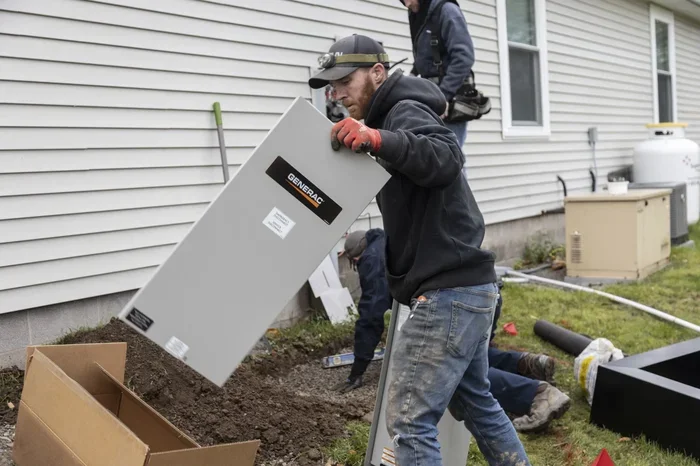
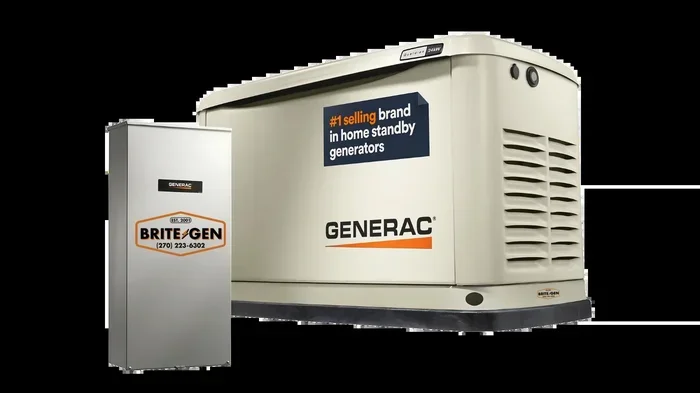
An automatic transfer switch (ATS) is a must-have for any backup generator. It detects a power outage, starts the generator, and switches your home’s load to the generator automatically. You do not need to be home or flip any switches.
Installing an ATS for a 30 kw generator typically costs between $500 and $1,500 depending on your electrical panel and wiring complexity. It is one of the best investments you can make for convenience and safety.
Professional vs. DIY Installation
While some handy homeowners attempt DIY installation, a 30 kw generator generally requires professional setup. The electrical connections, fuel line routing, and code compliance all demand expertise. Hiring a licensed installer protects your warranty and your family’s safety.
If you are new to generator setup, our guide on how to run generator to house provides helpful background information before your installer arrives.
Maintenance and Long-Term Care
A 30 kw generator is a long-term investment. Regular maintenance keeps it running smoothly and extends its lifespan significantly. Most manufacturers recommend a maintenance schedule based on running hours.
Routine Maintenance Tasks
- Oil changes: Every 100 to 250 running hours, depending on the model.
- Air filter replacement: Every 200 to 500 hours.
- Fuel filter replacement: Every 300 to 500 hours.
- Spark plug inspection: Annually or every 200 hours.
- Battery check: Every 6 months to ensure reliable starting.
Exercise Your Generator Regularly
A generator that sits unused for months can develop problems. Fuel can gum up, batteries can drain, and seals can dry out. Most experts recommend running your 30 kw generator under load for at least 30 minutes once a month. This keeps all components in working order.
How Long Does a 30 Kw Generator Last?
With proper maintenance, a quality 30 kw generator can last 20,000 to 30,000 running hours or more. That translates to roughly 20 to 30 years of typical home use. The key factors are fuel quality, regular maintenance, and not running the unit beyond its rated capacity.
For more details on generator lifespan, check out our article on how long does a whole house generator last.
Cost Considerations and Budgeting
The price of a 30 kw generator varies widely based on fuel type, brand, and features. Understanding the full cost picture helps you budget accurately and avoid surprises.
Upfront Costs
A new 30 kw generator typically ranges from $5,000 to $15,000 for the unit alone. Diesel models tend to cost more upfront but offer better fuel economy over time. Propane and natural gas units are often less expensive to purchase but may have higher fuel costs depending on local prices.
Installation Costs
Professional installation adds $2,000 to $5,000 to your total cost. This includes the generator pad, electrical wiring, fuel line setup, and the automatic transfer switch. While it is an added expense, professional installation protects your warranty and ensures safe operation.
Ongoing Operating Costs
Fuel costs are the biggest ongoing expense. A 30 kw generator running at full load can consume several gallons of fuel per hour. Propane usage is roughly 3 to 5 gallons per hour, while diesel consumption is typically 2 to 4 gallons per hour at full load.
Natural gas costs less per unit of energy in many areas but burns at a higher volume. Your actual costs depend on local fuel prices, how often you run the generator, and the load you place on it.
What Powers a 30 Kw Generator?
A common question is exactly what a 30 kw generator can power. The answer depends on your setup, but here is a general idea:
- Central air conditioning (1 unit)
- Electric furnace or heat pump
- Refrigerator and freezer
- Multiple lights and outlets
- Well pump
- Garage door opener
- Internet router and modem
For a detailed breakdown of what a generator can power in a home setting, see our article on what powers a Generac home generator for helpful context on household loads.
Top Brands and What to Look For
Not all generator brands are equal. Some are known for quiet operation, others for raw durability. Here are the qualities that matter most when shopping for a 30 kw generator.
Reputation and Reliability
Look for brands with a proven track record. Generac, Kohler, Cummins, and Briggs & Stratton are well-known names in the 30 kw generator market. Read real user reviews and check consumer reports for reliability ratings.
Warranty Coverage
A strong warranty tells you the manufacturer stands behind its product. Many reputable brands offer 3- to 5-year limited warranties on the generator unit. Some extend coverage on the engine to 5 years or more. Always read the warranty details carefully.
Noise Level
If you live in a neighborhood with close neighbors, noise matters. Modern 30 kw generators come in quiet enclosures that reduce sound levels significantly. Look for units rated below 70 decibels for residential use. This keeps your household and your neighbors happy.
Portability vs. Standby
Some 30 kw generators are portable, while others are permanent standby units. Portable models offer flexibility but require manual setup during an outage. Standby units install permanently and activate automatically. Your choice depends on your needs and budget.
Common Mistakes to Avoid When Buying a 30 Kw Generator
Even informed buyers sometimes make mistakes. Here are the most common ones and how to avoid them.
Oversizing the Generator
Bigger is not always better. An oversized generator runs inefficiently, wastes fuel, and costs more to operate. It also costs more to purchase upfront. Stick to your calculated load needs and choose a unit that matches.
Ignoring Fuel Availability
During a widespread outage, fuel supply can become scarce. If you choose a diesel or propane unit, make sure you have a reliable local fuel source. Natural gas has the advantage of always being available through your utility line.
Skipping the Transfer Switch
Some homeowners try to run a generator through extension cords. This is dangerous and inefficient. A proper transfer switch protects your electrical system and prevents backfeeding, which can endanger utility workers.
Neglecting Maintenance
A generator that sits unused and unmaintained will fail when you need it most. Follow the manufacturer’s maintenance schedule and exercise the unit regularly. Prevention is always cheaper than repair.
Expert Tips for Getting the Most From Your 30 Kw Generator
Here are some practical tips from experienced users and technicians to help you get the best performance from your 30 kw generator.
- Keep a fuel log. Track how much fuel you use per run to predict costs and plan refills.
- Store fuel properly. Use approved containers and add fuel stabilizer if storing for more than 30 days.
- Test under load monthly. Running the generator empty does not fully exercise the system. Use a load bank or connect actual appliances.
- Keep the area clean. Remove debris, snow, and vegetation around the generator to ensure proper airflow.
- Invest in a surge protector. This protects sensitive electronics from voltage spikes when the generator kicks in.
Following these simple habits keeps your 30 kw generator ready for action whenever you need it. A little effort today saves headaches tomorrow.
Final Thoughts
Choosing the right 30 kw generator comes down to understanding your power needs, comparing fuel options, and planning for installation and maintenance. It is not just about buying the biggest machine on the lot. It is about finding the right fit for your home, your budget, and your lifestyle.
Take the time to calculate your loads, compare fuel costs in your area, and talk to a professional installer. These steps ensure you get a generator that performs reliably for years to come. A well-chosen 30 kw generator gives you peace of mind, backup power when you need it, and a solid return on your investment.
Start your search today. Know your needs, compare your options, and make a confident choice. Your future self will thank you the next time the power goes out.
Frequently Asked Questions
What can a 30 kw generator power in a typical home?
A 30 kw generator can power most essential household systems, including central air conditioning, the furnace or heat pump, refrigerator, freezer, lights, and outlets. It is well-suited for homes of 1,500 to 2,500 square feet. You may need to prioritize loads if running everything at once exceeds the unit’s capacity.
How much does a 30 kw generator cost installed?
The total cost of a 30 kw generator with professional installation typically ranges from $7,000 to $20,000. The unit itself costs between $5,000 and $15,000, and installation adds $2,000 to $5,000 depending on electrical setup and fuel line requirements. Natural gas and propane models may cost more to install due to line running.
Is a 30 kw generator loud?
Modern 30 kw generators vary in noise level, but many residential models operate between 60 and 72 decibels. Units with sound-attenuated enclosures run quieter and are better suited for neighborhoods. Always check the decibel rating before purchasing if noise is a concern in your area.
How often should I maintain my 30 kw generator?
You should exercise your generator under load for at least 30 minutes once a month. Oil changes are recommended every 100 to 250 running hours. Air and fuel filters should be replaced every 200 to 500 hours. Annual inspections by a qualified technician help catch potential issues early.
What fuel is best for a 30 kw generator?
The best fuel depends on your situation. Diesel offers the best efficiency and longevity for heavy use. Propane burns clean and stores indefinitely. Natural gas provides the most convenience with a direct utility connection. Consider your local fuel costs, availability, and how often you plan to run the generator when choosing.
Can I install a 30 kw generator myself?
While it is technically possible, professional installation is strongly recommended for a 30 kw generator. The electrical connections, fuel line setup, and transfer switch installation require code-compliant work. DIY installation can void the warranty and create safety hazards. Always hire a licensed and experienced installer.