Why a 240v Inverter Generator Is Perfect for Your Home
A 240v inverter generator delivers clean, stable power for your entire home with remarkable fuel efficiency and quiet operation. Unlike traditional generators, inverter technology produces a clean sine wave that safely powers sensitive electronics like laptops and medical devices. This guide covers everything you need to know about choosing, using, and maintaining a 240v inverter generator for dependable home backup power.
Power outages can strike without warning. Storms, equipment failures, and grid overloads leave thousands of households in the dark every year. When the lights go out, you need a reliable source of electricity fast. A 240v inverter generator has become one of the best solutions for homeowners who want dependable backup power without the noise, bulk, and hassle of older generator models.
Unlike conventional generators that produce raw, unstable electricity, a 240v inverter generator uses advanced inverter technology to deliver clean, steady power. This means you can safely run laptops, TVs, medical equipment, and other sensitive electronics without worrying about voltage spikes. Whether you need emergency home backup or a portable power source for camping and job sites, this type of generator offers a winning combination of performance, efficiency, and convenience.
In this guide, we will walk you through everything you need to know about 240v inverter generators. We will cover how they work, what makes them different from standard generators, key features to look for, and practical tips for getting the most out of your unit. By the end, you will have a clear picture of why a 240v inverter generator might be the smartest investment you make for your home.
Key Takeaways
- Clean Power Output: Inverter generators produce a smooth sine wave that protects sensitive electronics from damage.
- Fuel Efficiency: These units adjust engine speed to match demand, saving fuel and reducing operating costs.
- Quiet Operation: Most 240v inverter generators run below 60 decibels, making them neighbor-friendly.
- Portable and Lightweight: Compared to traditional generators, inverter models are easier to move and store.
- Versatile Power: A 240v inverter generator can handle everything from household appliances to power tools.
- Easy Maintenance: Simple upkeep keeps your generator running reliably for years.
📑 Table of Contents
- What Is a 240v Inverter Generator?
- How Does Inverter Generator Technology Work?
- Key Benefits of a 240v Inverter Generator
- What to Look for When Buying a 240v Inverter Generator
- Common Uses for a 240v Inverter Generator
- Maintenance Tips for Your 240v Inverter Generator
- 240v Inverter Generator vs. Conventional Generator: A Comparison
- Final Thoughts on Choosing a 240v Inverter Generator
What Is a 240v Inverter Generator?
A 240v inverter generator is a portable or portable-friendly power unit that converts mechanical energy into clean alternating current (AC) electricity at 240 volts. The “inverter” part refers to the electronic process that converts raw AC power into DC power and then back into smooth AC power. This three-step process removes electrical distortion and produces a clean sine wave that mirrors the power from your wall outlets.
Traditional generators run their engines at a constant speed, usually 3600 RPM, to produce 60 Hz power. But engine speed fluctuations cause voltage and frequency variations, known as “harmonic distortion.” This dirty power can damage computers, refrigerators with digital controls, and other modern appliances. A 240v inverter generator solves this problem by adjusting engine speed based on the electrical load. When demand is low, the engine slows down. When you plug in more devices, it speeds up. This variable speed technology is the key advantage.
The 240v output is especially important for households in North America, where many large appliances and HVAC systems operate on 240-volt circuits. A standard 120v generator cannot power these devices, which makes a 240v inverter generator essential for whole-home coverage during an outage.
How Does Inverter Generator Technology Work?
The Three-Stage Power Process
Understanding how a 240v inverter generator works helps you appreciate why it outperforms traditional models. The process happens in three clear stages:
- Alternator Produces Raw AC Power: The engine spins an alternator that generates high-frequency alternating current. This raw power is not yet suitable for sensitive electronics.
- Rectifier Converts AC to DC: A built-in rectifier converts the raw AC power into direct current (DC). This step removes much of the electrical noise and distortion.
- Inverter Converts DC Back to Clean AC: The inverter module takes the DC power and reconstructs it into a smooth, stable AC waveform at exactly 60 Hz and 120/240 volts. The result is clean electricity that is safe for all your devices.
Why Clean Power Matters
Dirty power from conventional generators can cause serious problems. Microprocessors in modern appliances are sensitive to voltage fluctuations. A 240v inverter generator delivers total harmonic distortion (THD) levels below 3%, which is the same quality of power you get from your utility company. This protects your investment in electronics and keeps your household running safely.
If you have ever wondered how to run a generator to your house safely, the answer starts with clean power output. Inverter generators make this process simpler because their stable voltage reduces the risk of damaging your home’s electrical system or connected appliances.
Key Benefits of a 240v Inverter Generator
Fuel Efficiency and Extended Run Time
One of the biggest advantages of a 240v inverter generator is fuel efficiency. Because the engine adjusts its speed to match the electrical load, it consumes only the fuel needed at any given moment. A conventional generator that is rated at 5000 watts might burn fuel at full rate even if you are only powering a few lights. An inverter generator throttles down automatically, saving fuel and extending run time.
Many users report 20 to 40 percent better fuel economy compared to similarly sized conventional generators. Over time, these savings add up significantly, especially if you use your generator frequently during storm season or for regular backup power testing.
Quiet Operation
Noise is one of the most common complaints about generators. Traditional models can produce 70 to 80 decibels, which is as loud as a vacuum cleaner or busy traffic. A modern 240v inverter generator typically operates between 50 and 65 decibels, which is comparable to a normal conversation. Some premium models even dip below 50 decibels at low loads.
This quiet performance makes inverter generators ideal for residential neighborhoods, RV camping, and outdoor events. You can run your generator overnight without disturbing sleeping family members or neighbors. The low noise design also makes it more pleasant to use in enclosed or semi-enclosed spaces with proper ventilation.
Portability and Compact Design
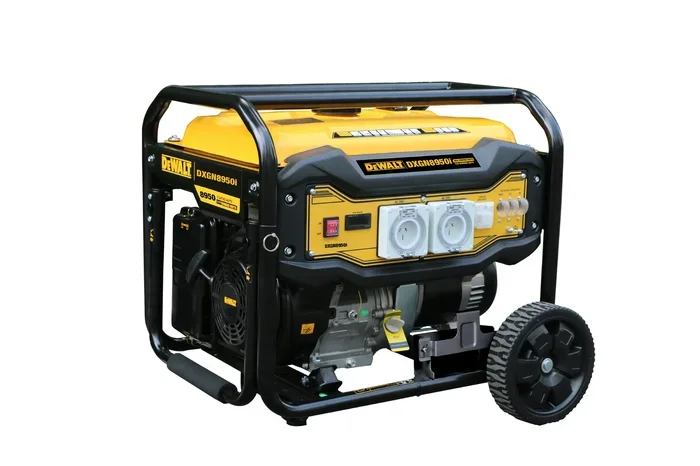
Most 240v inverter generators weigh between 40 and 80 pounds, making them significantly lighter than conventional generators of the same wattage. Many models feature fold-down handles, wheels, and compact footprints that fit easily in a garage, closet, or truck bed.
This portability is a huge advantage if you need to move the generator between locations or store it in tight spaces. If you have ever struggled with what size generator to run furnace and refrigerator, you know that finding a unit that is both powerful and portable is a challenge. Inverter generators solve this problem by delivering strong performance in a lightweight package.
Parallel Capability
Many 240v inverter generator models offer parallel capability, which lets you connect two identical units to double your power output. This is a smart option if you occasionally need more wattage but do not want to invest in a larger, heavier single unit. With parallel kits, you can go from 3000 watts to 6000 watts or more, depending on the model.
This flexibility means you buy a generator that fits your everyday needs and can scale up when required. It is a cost-effective approach to home backup power that avoids overbuying a massive unit you rarely use at full capacity.
What to Look for When Buying a 240v Inverter Generator
Wattage Capacity
The first thing to determine is how much power you actually need. Make a list of the essential items you want to run during an outage. A typical household might need to power a refrigerator (700 watts), a few lights (200 watts), a furnace blower (300 watts), and a sump pump (800 watts). Add up the running wattage and factor in surge wattage for devices with motors that draw extra power at startup.
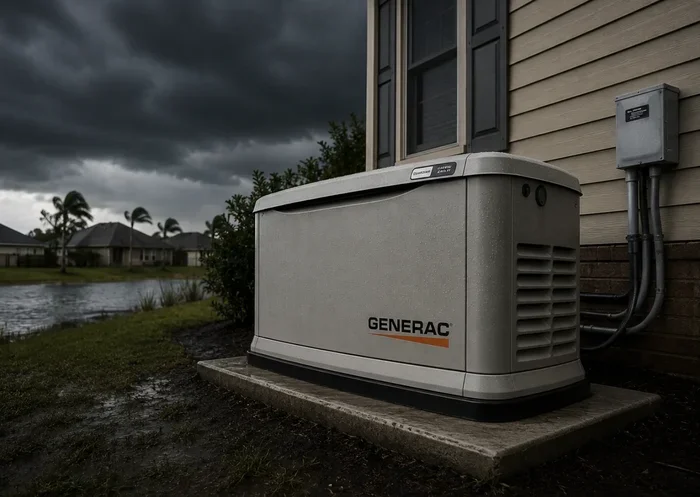
A 240v inverter generator in the 4000 to 7000 watt range covers most homes. If you need to run what powers a Generac home generator can also give you a useful benchmark for household power needs. Always choose a unit with a little extra capacity to avoid overloading the generator.
Runtime and Fuel Tank Size
Runtime is measured in hours at a specific load level, usually 25 or 50 percent. A larger fuel tank means longer runtime between refills. For emergency backup power, look for a generator that can run at least 8 to 12 hours at 50 percent load. This covers a full night or a typical workday without needing to refuel.
Some models feature eco-mode switches that further optimize fuel consumption by adjusting engine speed based on the connected load. This feature is especially useful for extended outages when fuel conservation matters.
Noise Level Ratings
Check the decibel rating at both no-load and full-load conditions. A generator rated at 52 dBA at 25 percent load and 60 dBA at 50 percent load is considered quiet by industry standards. For comparison, a normal conversation is about 60 dBA, and anything above 70 dBA starts to feel intrusive.
If you live in a neighborhood with noise ordinances or close neighbors, prioritize a model with the lowest possible dBA rating. The quiet operation of a 240v inverter generator is one of its most appreciated features.
Outlet Options and Versatility
Look for a generator that offers a variety of outlet types. You want at least one 240v outlet for large appliances, multiple 120v standard outlets for everyday devices, and ideally a USB port for charging phones and tablets. Some models also include a 12v DC outlet for car-style accessories.
The more versatile the outlet selection, the easier it is to power everything you need without adapters or extension cords. A well-designed 240v inverter generator should make it simple to connect and run multiple devices simultaneously.
Portability Features
Check for ergonomic handles, wheel kits, and a manageable weight. If you plan to store the generator in a basement or garage, compact dimensions matter. Some models include folding handles that tuck away neatly, saving space.
If you also want to use your generator for outdoor activities like camping or tailgating, prioritize lightweight models under 60 pounds. The portability of a modern 240v inverter generator makes it practical for multiple use cases beyond just home backup.
Common Uses for a 240v Inverter Generator
Home Backup Power During Outages
The most popular use for a 240v inverter generator is providing emergency backup power during outages. A power loss can last anywhere from a few hours to several days, especially after severe weather events. Having a reliable generator means you can keep your refrigerator running, maintain heat or air conditioning, charge devices, and preserve food safety.
To get started with home backup, you need a transfer switch or interlock kit installed by a licensed electrician. This ensures safe operation and prevents backfeeding into the utility grid, which is dangerous for line workers. Once installed, switching to generator power becomes a simple process.
Recreational and Outdoor Activities
240v inverter generators are increasingly popular for RV trips, tailgating, and backyard gatherings. Their quiet operation and clean power make them perfect for powering outdoor kitchens, speakers, lights, and camping equipment. The compact size means you can easily transport the generator to remote locations without a trailer.
If you are an RVer, you know that finding a quiet, reliable power source is essential for comfortable camping. A 240v inverter generator provides the same quality of power you would get at a campground hookup, but with the freedom to camp anywhere.
Job Sites and Workshops
Contractors and DIY enthusiasts benefit from the portability and clean power of inverter generators. Power tools, compressors, and job site lighting all run safely on the stable output of a 240v inverter generator. The lightweight design means you can move it around a work site without straining your back.
If you want to learn more about how long does a whole house generator last, keep in mind that inverter generators are built for longevity with proper maintenance. Their variable-speed engines experience less wear than conventional generators that run at full speed all the time.
Maintenance Tips for Your 240v Inverter Generator
Keeping your 240v inverter generator in top shape ensures reliable performance when you need it most. Follow these simple maintenance steps:
- Change the Oil Regularly: Check the oil level before each use and change it every 100 hours of operation or at least once per season. Fresh oil keeps the engine running smoothly and extends its lifespan.
- Inspect the Air Filter: A dirty air filter restricts airflow and reduces engine performance. Clean or replace the air filter every 50 to 100 hours, depending on usage conditions.
- Use Fresh Fuel: Stale fuel causes starting problems and can damage the carburetor. Use fuel stabilizer if you plan to store the generator for more than 30 days.
- Run the Generator Monthly: Even if you do not need backup power, start the generator once a month and let it run for 15 to 20 minutes. This keeps the engine lubricated and prevents fuel system issues.
- Check Spark Plugs: Inspect the spark plug annually and replace it if you notice wear or carbon buildup. A healthy spark plug ensures reliable starting.
- Store Properly: Keep the generator in a dry, ventilated area. Cover it with a generator-specific cover to protect it from dust and moisture.
Regular maintenance is the best way to ensure your generator lasts for many years. Most 240v inverter generator manufacturers recommend the same basic upkeep routine as any small engine equipment. The good news is that inverter generators tend to require less maintenance than conventional models because the variable-speed engine experiences less mechanical stress.
240v Inverter Generator vs. Conventional Generator: A Comparison
| Feature | 240v Inverter Generator | Conventional Generator |
|---|---|---|
| Power Quality | Clean sine wave, low THD | Dirty power, high THD |
| Fuel Efficiency | High, adjusts to load | Lower, runs at constant speed |
| Noise Level | 50 to 65 dBA | 70 to 80 dBA |
| Portability | Lightweight, compact | Heavy, bulky |
| Price | Higher upfront cost | Lower upfront cost |
| Parallel Capability | Available on most models | Rarely available |
| Suitable for Electronics | Yes, safe for all devices | Risky for sensitive electronics |
| Run Time at 50% Load | 8 to 12+ hours | 6 to 10 hours |
While a 240v inverter generator costs more upfront than a conventional generator, the long-term benefits often justify the investment. Better fuel economy, lower maintenance costs, and the ability to safely power modern electronics make inverter models the smarter choice for most homeowners.
If you are deciding between options, consider how often you will use the generator and what you need to power. For occasional use during mild outages, a smaller inverter model may be sufficient. For whole-home coverage during extended blackouts, a larger 240v unit or a standby generator might be more appropriate. Either way, the clean power and efficiency of inverter technology set it apart from older generator designs.
Final Thoughts on Choosing a 240v Inverter Generator
A 240v inverter generator is more than just a backup power machine. It is a smart investment in your home’s resilience and your family’s comfort. Whether you face frequent storms, live in an area with an unreliable electrical grid, or simply want the peace of mind that comes with having reliable backup power, an inverter generator delivers real value.
The combination of clean power, fuel efficiency, quiet operation, and portability makes a 240v inverter generator the best choice for modern households. You get safe, stable electricity for everything from refrigerators and furnaces to laptops and medical devices. And with proper maintenance, your generator will serve you reliably for many years to come.
Take the time to assess your power needs, compare models, and choose a unit that fits your budget and lifestyle. The right 240v inverter generator will keep your home running smoothly, no matter what the weather brings. Start your search today and enjoy the confidence that comes with knowing you are prepared for any power outage.
Frequently Asked Questions
What can a 240v inverter generator power in a home?
A 240v inverter generator can run most household essentials, including refrigerators, furnaces, sump pumps, lights, and electronics. The exact load depends on the generator’s wattage rating. Always add up the running and surge wattage of your devices before connecting them to ensure you stay within the generator’s capacity.
How is a 240v inverter generator different from a regular generator?
The key difference is power quality. A 240v inverter generator uses inverter technology to produce a clean sine wave with low total harmonic distortion. Regular generators produce raw, unstable power that can damage sensitive electronics. Inverter models are also quieter, more fuel-efficient, and more portable than conventional units.
Is a 240v inverter generator loud?
No. Most 240v inverter generators operate between 50 and 65 decibels, which is comparable to a normal conversation. This is significantly quieter than conventional generators, which typically run at 70 to 80 decibels. The low noise level makes inverter generators ideal for residential use and outdoor activities.
Can I connect a 240v inverter generator directly to my home’s electrical panel?
You should never connect a generator directly to your home’s panel without a proper transfer switch or interlock kit. This prevents backfeeding, which is dangerous for utility workers. If you need help with installation, consult a licensed electrician to ensure safe and code-compliant setup.
How long does a 240v inverter generator last?
With proper maintenance, a 240v inverter generator can last 10 to 15 years or more. The variable-speed engine experiences less wear than a conventional generator that runs at full speed continuously. Regular oil changes, air filter cleaning, and using fresh fuel all contribute to a longer lifespan.
What fuel type do 240v inverter generators use?
Most 240v inverter generators run on regular gasoline, though some models offer dual-fuel capability with propane or natural gas. Gasoline is the most common and widely available fuel type. Always use fresh fuel and add stabilizer if you plan to store the generator for extended periods.