Best 220 Volt Generator for Home and Backup Power Needs
A 220 volt generator is the best choice for powering your entire home during outages or for running heavy-duty appliances. This guide covers the top 220V generators, how to size them correctly, fuel types, installation tips, and maintenance essentials. Whether you need a portable unit or a whole-house standby system, you will find everything you need here.
Key Takeaways
- 220V generators deliver more power: They handle heavy appliances like HVAC systems and electric stoves with ease.
- Sizing matters: Choosing the right wattage prevents overloads and saves money.
- Fuel choice affects cost and runtime: Propane, natural gas, and gasoline each have pros and cons.
- Safety first: Always install a transfer switch and follow local electrical codes.
- Regular maintenance extends lifespan: Simple upkeep keeps your generator running for years.
- Standby vs portable: Each type serves different needs and budgets.
📑 Table of Contents
What Is a 220 Volt Generator and Why Do You Need One?
A 220 volt generator produces electrical power at 220 volts. This is the standard voltage used by most large home appliances. Think of your electric dryer, oven, air conditioner, and water heater. These devices need 220V to run properly.
Most homes in the United States use 110V for standard outlets. But big appliances need double that power. A 220V generator fills this gap. It keeps your essential systems running when the grid goes down.
Power outages are more common than many people think. Storms, equipment failures, and grid overloads can knock out electricity for hours or even days. A reliable generator gives you peace of mind. It keeps your family safe and comfortable no matter what.
Beyond emergencies, some people use generators for work. Construction sites, RV parks, and remote locations all benefit from 220V power. The right generator makes any job easier and more efficient.
Understanding 220V Power
Let us break this down simply. Standard home outlets in the U.S. provide 120V power. This works fine for lights, phones, and small electronics. But a 220 volt generator delivers double that voltage. This means it can handle much heavier loads.
Here is a quick comparison:
- 120V outlets: Power small devices, lights, and electronics.
- 220V outlets: Power large appliances like ovens, AC units, and dryers.
- 240V outlets: Similar to 220V. Some regions use this designation.
The difference between 220V and 240V is small. Most people use these terms interchangeably. Both refer to high-voltage power for heavy-duty appliances.
When You Need 220V Power at Home
Not every home needs a 220V generator. But certain situations make them essential. Here are the most common reasons homeowners invest in one:
- Frequent power outages: If you live in an area with storms or unreliable power, a backup generator is a smart move.
- Electric HVAC systems: Central air and heating run on 220V. Without power, your home becomes uncomfortable fast.
- Electric cooking appliances: Ovens, cooktops, and large refrigerators need 220V to operate.
- Well pumps: Rural homes often rely on electric well pumps for water.
- Home offices: Powering servers, monitors, and equipment during outages.
If any of these sound familiar, a 220 volt generator is worth serious consideration.
Top 220 Volt Generators for Home Use
The market offers many options. Choosing the right one depends on your power needs, budget, and preferences. Let us explore the main types.
Portable 220V Generators
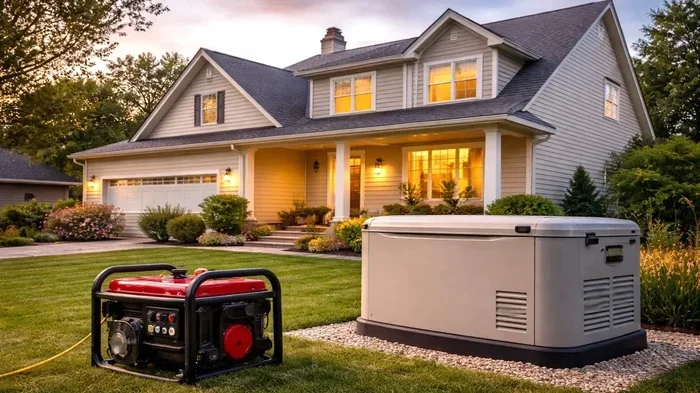
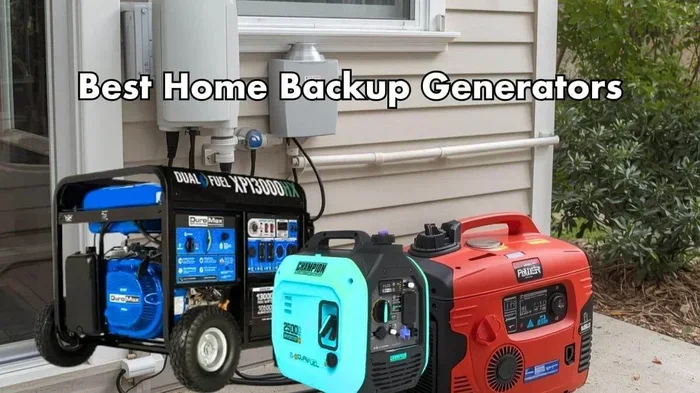
Portable generators are versatile and affordable. They run on gasoline or propane. You can wheel them wherever you need power. They work great for camping, job sites, and temporary backup.
Most portable units range from 3000 to 8000 watts. They can power several appliances at once. However, they require manual setup. You need to run extension cords and monitor fuel levels.
One thing to watch: generator wattage matters a lot. Always check the running and surge wattage before buying. A unit with low wattage will struggle with heavy loads.
Standby 220V Generators
Standby generators are the heavy hitters. They install permanently outside your home. When power goes out, they turn on automatically. No manual setup needed.
These units typically run on natural gas or propane. They connect directly to your home’s electrical panel. A automatic transfer switch detects power loss and starts the generator within seconds.
Standby generators range from 7,000 to 20,000+ watts. They can power your entire house. The downside? Higher upfront cost and professional installation.
Inverter Generators for Clean Power
Inverter generators are a newer option. They produce clean, stable power. This makes them safe for sensitive electronics like laptops and TVs. They are also quieter than traditional generators.
Many inverter models now offer 220V output. They are perfect for homeowners who want reliable backup without the noise. Check out what a 220 volt generator with inverter technology can do for your home.
Fuel Type Comparison
Different generators use different fuels. Each has its own advantages. Here is a quick look:
- Gasoline: Widely available and affordable. Good for portable units.
- Propane: Clean burning and stores well long-term. Great for standby systems. You can learn more about how much propane a generator uses per hour to plan your fuel budget.
- Natural Gas: Connects to your home’s gas line. Unlimited runtime during outages.
- Diesel: Durable and fuel-efficient. Common for large commercial units.
Your fuel choice affects runtime, cost, and maintenance. Pick the one that fits your lifestyle.
How to Choose the Right 220 Volt Generator
Buying a generator is a big decision. You want to get it right the first time. Here is what you need to know.
Sizing Your Generator Correctly
Generator sizing is the most important step. A unit that is too small will overload. A unit that is too big wastes money. Here is how to find the right size.
Start by listing the appliances you want to power. Check each one for its wattage. Add up the total. Then add a 20% buffer for safety. This gives you the minimum wattage you need.
For example, if your essential appliances total 8,000 watts, aim for a 10,000-watt generator. This extra headroom prevents overloads and extends the generator’s life.
If you are unsure about your power needs, consider what a what size generator to run furnace and refrigerator guide recommends. These two appliances alone can draw 5,000 to 7,000 watts combined.
Key Features to Look For
Not all generators are created equal. Here are the features that matter most:
- Automatic start: Standby generators should start on their own during outages.
- Fuel gauge: Lets you monitor fuel levels at a glance.
- Low oil shutoff: Protects the engine from damage.
- Parallel capability: Lets you connect two portable units for more power.
- Quiet operation: Look for decibel ratings under 60 dB for residential use.
- Multiple outlet types: Includes both 120V and 220V outlets for flexibility.
Budget Considerations
Portable 220V generators cost between $500 and $2,000. Standby systems run from $3,000 to $15,000 installed. The price depends on wattage, fuel type, and brand.
Think of it as an investment. A good generator pays for itself the first time it keeps your food cold and your home comfortable during an outage. Also consider the cost of fuel over time. Generator runtime varies by model and load.
Installation and Safety Tips
Installing a 220V generator requires care and attention to safety. Improper setup can cause fires, carbon monoxide poisoning, or electrical damage.
Setting Up Your Generator
For portable generators, place them outside at least 20 feet from your home. Never run a generator indoors or in a garage. Carbon monoxide is a silent killer. The exhaust contains this deadly gas.
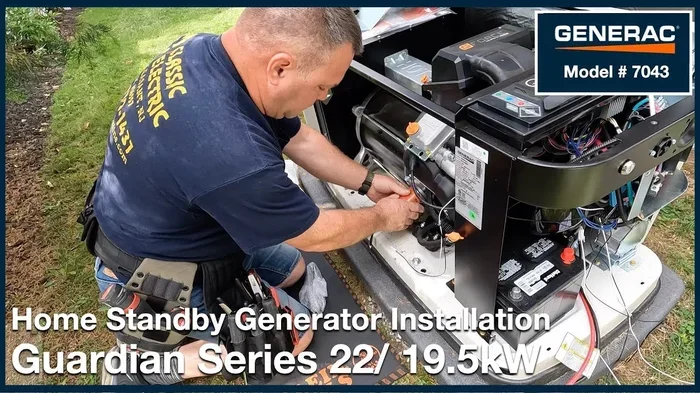
For standby generators, hire a licensed electrician. They will install the unit, connect it to your gas line, and set up the transfer switch. The transfer switch is critical. It prevents backfeed, which can endanger utility workers.
Want to learn more about safely connecting a generator to your home? Check out our guide on how to run a generator to house for step-by-step instructions.
Safety Precautions
Follow these safety rules every time you use your generator:
- Never backfeed into wall outlets. This is extremely dangerous for you and your neighbors.
- Use a carbon monoxide detector. Place it near your generator and sleeping areas.
- Keep the generator dry. Operate it on a dry surface under a canopy.
- Let it cool before refueling. Hot engine parts can ignite gasoline.
- Store fuel safely. Use approved containers and keep them away from living areas.
Safety should always come first. A generator is a powerful machine that demands respect.
Maintaining Your 220 Volt Generator
Regular maintenance keeps your generator running smoothly. A well-maintained unit lasts much longer and performs better when you need it most.
Routine Maintenance Checklist
Follow this simple checklist to keep your generator in top shape:
- Check oil levels: Before every use. Change oil after the first 20 hours and every 100 hours after that.
- Inspect air filters: Clean or replace them monthly during heavy use.
- Test the battery: Standby generators have batteries that need periodic charging.
- Run the generator monthly: Even when you do not need it. This keeps the engine fresh and ready.
- Check fuel lines and connections: Look for leaks or cracks regularly.
- Keep the unit clean: Remove debris and dust from the exterior and vents.
With proper care, a quality generator can last 10 to 30 years. The lifespan depends on usage, fuel type, and maintenance habits. To get a sense of long-term value, learn about how long a whole house generator lasts and what factors affect its durability.
Common Generator Problems and Fixes
Even well-maintained generators can have issues. Here are the most common ones:
- Generator won’t start: Check the fuel valve, choke position, and spark plug.
- Low power output: The unit may be overloaded. Reduce the load and try again.
- Strange noises: Loose parts or engine issues. Inspect and tighten as needed.
- Fuel leaks: Check the fuel line and connections. Replace worn parts immediately.
Most problems have simple solutions. Regular maintenance prevents many issues before they start.
Expert Tips for Getting the Most from Your Generator
Here are some pro tips that make a real difference:
- Label your circuits: Know which breaker controls which appliance. This makes load management easier.
- Invest in a surge protector: Protect your electronics from power spikes.
- Keep a fuel supply on hand: Store enough gasoline or propane for at least 48 hours of runtime.
- Consider a dual-fuel model: These units run on both gasoline and propane. You get flexibility and backup fuel options.
- Read the manual: Every generator is different. The manufacturer’s guide has specific instructions for your model.
These small steps add up. They help you get the best performance and longest life from your 220 volt generator.
Conclusion
A 220 volt generator is one of the best investments you can make for your home. It keeps your essential appliances running during outages. It provides reliable power for heavy-duty equipment. And it gives you peace of mind no matter what weather or grid issues come your way.
Choose the right size, pick the fuel type that suits your needs, and follow safety guidelines. Maintain your unit regularly, and it will serve you for many years. Whether you opt for a portable model or a whole-house standby system, the key is preparation.
Take the time to research your options. Compare models, read reviews, and ask questions. The right generator transforms how you handle power outages. You will be glad you made the investment when the lights go out and your home stays powered on.
Frequently Asked Questions
What appliances can a 220 volt generator power?
A 220V generator can run large appliances like air conditioners, electric ovens, clothes dryers, water heaters, and well pumps. The exact appliances depend on the generator’s wattage. Always check the wattage requirements of each appliance before connecting it to your generator.
How do I know what size 220V generator I need?
Add up the wattage of all the appliances you want to run at the same time. Then add a 20% safety buffer. This total gives you the minimum generator size you need. For most homes, a 7,000 to 10,000-watt unit covers essential loads comfortably.
Can I install a standby generator myself?
It is strongly recommended to hire a licensed electrician for standby generator installation. They handle electrical connections, gas line hookups, and transfer switch setup correctly. Improper installation can void warranties and create serious safety hazards.
How long can a 220 volt generator run continuously?
Runtime depends on fuel type and tank size. Portable gasoline generators typically run 8 to 12 hours on a full tank. Standby propane or natural gas units can run for days as long as fuel is available. Check the manufacturer’s specs for exact runtime numbers.
Is a 220V generator safe for electronics like laptops and TVs?
Yes, if the generator produces clean power. Inverter generators are the best choice for sensitive electronics. They regulate voltage and reduce harmonic distortion. Traditional generators may damage sensitive devices if the power output is unstable.
What is the difference between 220V and 240V generators?
The difference is very small and often negligible. Some regions label high-voltage power as 220V while others use 240V. Both terms refer to the same type of electrical power used for heavy-duty home appliances. Most generators labeled as 220V or 240V are interchangeable.