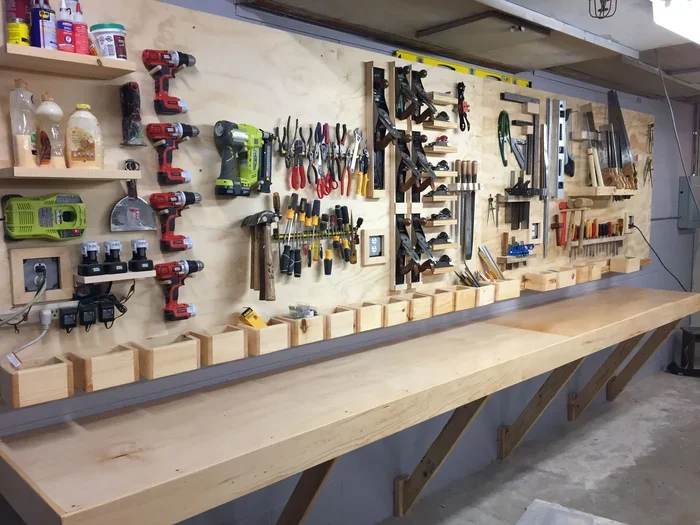
What Are Power Tools Your Complete Guide To Getting Started
Power tools are motorized devices that help you complete tasks faster and easier than hand tools alone. Whether you are a DIY beginner or a weekend warrior, understanding power tools is the first step to tackling projects with confidence. This guide covers everything from basic types and how they work to safety tips and maintenance advice.
So you have been hearing about power tools everywhere and wondering what all the fuss is about. Maybe you want to build a shelf, fix something around the house, or start a new hobby. Either way, power tools can make your life a whole lot easier. In this guide, we will walk you through everything you need to know to get started.
Power tools are devices that use an external power source, like electricity or batteries, to perform tasks that would be hard or time-consuming with manual hand tools. Think of a power drill versus a regular hand drill. The difference in speed and effort is huge. This guide will break down the types, uses, and safety basics so you can feel confident walking into any hardware store.
Key Takeaways
- Power tools save time and effort: They use electric or battery power to do the heavy lifting for you.
- There are many types to choose from: Drills, saws, sanders, and compressors are just the beginning.
- Safety comes first: Always wear protective gear and follow manufacturer guidelines.
- Battery-powered options are growing in popularity: Cordless power tools offer flexibility and convenience.
- Maintenance keeps tools running longer: Regular cleaning, oiling, and battery care make a big difference.
- Start small and build your collection: You do not need every tool at once to get started.
📑 Table of Contents
What Are Power Tools and Why Do They Matter?
At their core, power tools are machines that amplify human effort. They use an electric motor, battery, or compressed air to do the work for you. This means you can cut, drill, sand, and shape materials much faster than you could with a manual tool.
Here is why power tools matter for both beginners and pros:
- Speed: Tasks that take hours by hand can be done in minutes.
- Precision: Many power tools come with adjustable settings for accurate cuts and measurements.
- Versatility: A single tool can handle multiple jobs with the right attachment.
- Reduced fatigue: The tool does the hard work, so you stay less tired.
- Better results: Achieving a professional finish is much easier with the right electric tools.
Power Tools vs. Hand Tools
Hand tools like hammers, screwdrivers, and wrenches rely entirely on your muscle. Power tools add a motor or battery to boost your output. You do not need to replace your hand tools, but power tools fill the gaps where speed and force matter most.
For example, driving 50 screws into a piece of wood by hand will take forever. An impact driver can do the same job in minutes. That is the real value of power tools.
Types of Power Tools You Should Know
The world of power tools is vast, but it helps to group them by category. Here are the main types you will encounter.
Drilling and Driving Tools
Drills and drivers are the most common power tools for beginners. A power drill bores holes, while an impact driver drives screws with more torque. Many starter kits include both.
- Cordless drills: Run on rechargeable batteries and are very portable.
- Hammer drills: Combine drilling with a hammering action for masonry work.
- Impact drivers: Deliver high torque for tough screws and bolts.
Cutting Tools
Cutting power tools make quick work of wood, metal, and plastic. These include circular saws, jigsaws, and reciprocating saws. Each one serves a different purpose.
- Circular saw: Great for straight cuts in large boards.
- Jigsaw: Ideal for curved or intricate cuts.
- Reciprocating saw: Good for demolition and rough cuts.
Sanding and Grinding Tools
Sanders smooth surfaces before painting or finishing. Angle grinders cut and polish metal. These power tools are essential for any woodworking or metalworking project.
- Orbital sander: Creates a smooth, even finish on wood surfaces.
- Belt sander: Removes material quickly for shaping and leveling.
- Angle grinder: Cuts, grinds, and polishes metal and stone.
Pneumatic and Compressed Air Tools
Some power tools run on compressed air instead of electricity. These are called pneumatic tools. An air compressor powers them, and they are very popular in garages and workshops.
If you are curious about what you can do with an air compressor at home, the options are surprisingly wide. From inflating tires to powering nail guns and paint sprayers, pneumatic tools are a great addition to any toolkit. You can learn more about air compressor uses at home to see what fits your needs.
Measuring and Layout Tools
Not all power tools do the cutting or driving. Some help you measure and mark accurately. Laser levels and digital calipers fall into this category. They are small but incredibly useful for precise work.
How Power Tools Work
Understanding how power tools work helps you use them better and troubleshoot problems. Most power tools share a few basic components.
The Power Source
Power tools get their energy from one of three sources:
- Electric cord: Plugged into a wall outlet for continuous power.
- Battery: Rechargeable lithium-ion batteries power cordless power tools.
- Compressed air: An air compressor supplies pressurized air to pneumatic tools.
The Motor and Mechanism
Inside every power tool is a motor that converts electrical or pneumatic energy into mechanical motion. That motion is then transferred to a blade, drill bit, or sanding pad. The gear ratio and torque determine how much force the tool delivers.
For example, a higher torque setting on a drill means it can handle tougher materials without stalling. Understanding these basics helps you choose the right tool battery and power level for each job.
Choosing the Right Power Tools for Beginners
Starting out can feel overwhelming with all the options available. Here is a simple approach to picking your first set of power tools.
Start with the Essentials
You do not need a full workshop on day one. Focus on these core power tools to handle most basic projects:
- A cordless drill for drilling holes and driving screws.
- A circular saw for cutting wood and plywood.
- A random orbital sander for smoothing surfaces.
- A tape measure and level for accurate layout.
- A utility knife and claw hammer for basic tasks.
Corded vs. Cordless: Which Is Better?
This is one of the most common questions among beginners. Here is a quick comparison:
| Feature | Corded | Cordless |
|---|---|---|
| Power Source | Wall outlet | Rechargeable battery |
| Mobility | Limited by cord length | Very portable |
| Power Consistency | Constant power | Depends on battery charge |
| Maintenance | Low | Battery care required |
| Best For | Heavy, continuous use | Light to medium tasks |
For beginners, a good set of cordless power tools is usually the best choice. They are convenient and easy to store. Just make sure you have spare tool batteries on hand.
Consider Your Projects
Think about the kinds of projects you want to tackle. If you are building furniture, you will need different power tools than someone who just wants to hang pictures. Match your tool collection to your actual needs so you do not waste money on things you will never use.
Safety Tips Every Power Tool User Should Follow
Power tools are incredibly useful, but they can also be dangerous if you are not careful. Safety should always come first.
Wear the Right Protection
Always wear safety glasses when operating power tools. Ear protection is a must for loud tools like saws and grinders. Gloves can protect your hands, but avoid loose clothing that could get caught in moving parts.
Read the Manual
Every power tool comes with a manual for a reason. Read it before you use the tool. It will tell you the correct settings, safety warnings, and maintenance steps specific to that model.
Keep Your Workspace Clean
A cluttered workspace leads to accidents. Clear away debris, ensure good lighting, and keep cords out of walkways. A clean shop is a safe shop.
Never Disable Safety Features
Those blade guards, safety switches, and lock-off buttons exist for a reason. Removing or bypassing them puts you at serious risk of injury. Always use power tools with all safety features intact.
Maintaining Your Power Tools for Longevity
Your power tools are an investment. Proper maintenance keeps them running smoothly and extends their lifespan significantly.
Clean After Every Use
Dust, debris, and sawdust can build up inside your tools and cause them to overheat. Wipe down power tools after each use and blow out any dust from vents and moving parts.
Keep Batteries Healthy
If you use cordless power tools, take care of the batteries. Do not leave them fully drained for long periods. Store them in a cool, dry place and charge them before they hit zero.
Lubricate Moving Parts
Some power tools need regular lubrication to run smoothly. For example, if you have an air compressor, you will need to check the oil level periodically. Using the right compressor oil keeps the internal parts running without excessive wear. You can find more details about this in our guide on what kind of oil a compressor takes.
Store Tools Properly
Do not just toss your power tools into a pile. Use a toolbox, wall rack, or case to keep them organized and protected from moisture and damage.
Know When to Replace
Even with great care, power tools wear out over time. If a tool starts making unusual noises, loses power, or overheats frequently, it may be time for a replacement. Do not risk safety by using a damaged tool.
Building Your Power Tool Collection Over Time
You do not need to buy everything at once. Start with the essentials and expand as your skills and projects grow. Many beginners find that a starter kit with a drill, driver, and a few basic attachments covers most of what they need.
As you gain experience, you can add specialty tools like a miter saw, table saw, or nail gun. Each new addition opens up more project possibilities and makes your work faster and more enjoyable.
The beauty of power tools is that they grow with you. What you start with today will serve as the foundation for years of DIY projects and home repairs.
Quick Tips for New Power Tool Users
- Practice on scrap material before working on your actual project.
- Keep all power tools away from children and pets.
- Charge or plug in your tools before you start a project.
- Organize your power tool accessories so they are easy to find.
- Join online communities to learn tips and tricks from experienced users.
Conclusion
Power tools are one of the best investments you can make for your home, workshop, or hobby. They save time, reduce effort, and help you achieve professional-quality results. From basic drills and saws to pneumatic tools powered by an air compressor, there is a power tool for nearly every task imaginable.
Start with the essentials, prioritize safety, and maintain your tools properly. As your confidence grows, you can expand your collection and tackle bigger, more exciting projects. The world of power tools is wide open, and there has never been a better time to get started.
Grab your tool battery, put on your safety glasses, and dive in. You will be amazed at what you can accomplish with the right power tools and a little bit of know-how.
Frequently Asked Questions
What are power tools used for?
Power tools are used for cutting, drilling, sanding, driving, grinding, and shaping materials like wood, metal, and plastic. They make DIY projects and construction tasks faster and easier than hand tools alone.
What is the difference between corded and cordless power tools?
Corded power tools plug into a wall outlet and provide constant power. Cordless power tools run on rechargeable batteries and offer more portability. Both have their advantages depending on the task.
Are power tools safe for beginners?
Yes, power tools are safe for beginners as long as you follow the manufacturer’s instructions, wear proper protection, and start with simpler tools. Always read the manual and practice on scrap material first.
What should I look for when buying my first power tool?
Look for a comfortable grip, adjustable settings, good battery life if cordless, and a reputable brand. Consider what projects you want to do and choose power tools that match those needs.
How do I maintain my power tools?
Clean them after every use, keep batteries charged and stored properly, lubricate moving parts, and store tools in a dry place. Regular maintenance keeps your power tools running smoothly for years.
Can I use an air compressor with different types of tools?
Yes, an air compressor can power a variety of pneumatic tools like nail guns, impact wrenches, and paint sprayers. Just make sure the compressor’s pressure and airflow match the tool’s requirements. You can learn more about choosing the right air compressor size for your needs.