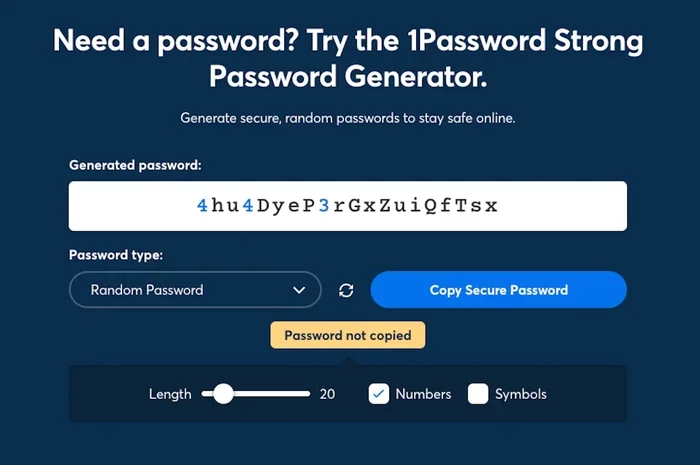
Google Password Generator for Creating Strong Passwords
The Google Password Generator helps you create strong, random passwords right inside your browser. It works seamlessly with Google Chrome and your Google account, making it easy to generate, save, and auto-fill secure login credentials. Using a password generator Google built into your browser saves time and boosts your online security.
This is a comprehensive guide about password generator google.
Key Takeaways
- Built-In Tool: Google Chrome has a password generator tool built right in that creates strong passwords automatically.
- Easy to Use: You can generate, save, and auto-fill passwords without installing extra software.
- Strong Security: The tool creates complex, random passwords that are hard for hackers to crack.
- Free to Use: There is no cost to use the Google password generator feature.
- Syncs Across Devices: Saved passwords sync through your Google account to all your devices.
- Works with Two-Factor Authentication: Pair your generated passwords with 2FA for even better protection.
[FEATURED_IMAGE_PLACEHOLDER]
What Is the Google Password Generator?
The Google Password Generator is a free tool built into the Google Chrome browser. It creates random, strong passwords whenever you sign up for a new website or app. You do not need to download anything extra. The tool is already there waiting for you.
When you create a new account online, Chrome can suggest a secure password for you. It fills in the password field with a long, complex string of characters. You can accept it, save it, and move on with your day. It really is that simple.
Many people struggle with creating passwords. They either use weak ones like “password123” or reuse the same password everywhere. Both habits put your accounts at risk. The Google password generator solves this problem instantly.
The passwords it creates follow modern security standards. They include uppercase letters, lowercase letters, numbers, and symbols. This mix makes the passwords very hard to guess or crack. You get strong password complexity without any effort on your part.
How Does It Work Behind the Scenes?
When Chrome detects a password field on a webpage, it checks whether you want it to suggest a password. If you have the feature turned on, Chrome generates a random string of characters. The length and complexity can vary based on the site’s requirements.
The tool uses a secure random number generator. This means the passwords are truly unpredictable. Hackers cannot guess the pattern because there is no pattern. Each password is unique and fresh.
Once you accept the suggested password, Chrome can save it to your Google account. From that point on, Chrome will auto-fill that password whenever you visit the site again. This saves you from having to remember dozens of complex passwords.
Why Should You Use a Password Generator?
Using a password generator is one of the best things you can do for your online safety. Most people underestimate how risky weak passwords really are. A strong password is your first line of defense against cyber threats.
Here is a simple truth: hackers use automated tools to guess passwords. They can try millions of combinations in seconds. A short or common password will fall in moments. A long, random password made by a password generator can take centuries to crack.
Another big problem is password reuse. When you use the same password on multiple sites, one breach can expose all your accounts. A password generator helps you create unique passwords for every single site. You never have to remember them because Chrome saves and fills them for you.
The Risks of Not Using a Password Generator
Without a password generator, people tend to fall into bad habits. They use birthdays, pet names, or simple sequences. These are exactly the types of passwords hackers love. They are easy to guess, especially if the hacker knows anything about you.
Some people write their passwords on sticky notes or in notebooks. Others store them in plain text files on their computers. Both approaches are risky. A password manager with a built-in generator keeps everything encrypted and safe.
The Google password generator removes all these risks. You do not need to think about it. You do not need to write anything down. Chrome handles the heavy lifting for you.
How to Access the Google Password Generator in Chrome
Using the Google Password Generator is straightforward. You do not need to be a tech expert. Here is how to get started step by step.
Step 1: Open Chrome Settings
Click the three dots in the top-right corner of Chrome. Select “Settings” from the dropdown menu. Scroll down to the “Autofill” section and click on “Password Manager.”
Step 2: Turn On Password Generation
In the Password Manager settings, look for the option to offer to save passwords. Make sure this is turned on. Chrome will now automatically suggest strong passwords when you create new accounts.
Step 3: Generate a Password
When you land on a sign-up page, click on the password field. Chrome will show a suggestion icon. Click on it, and Chrome will generate a random password for you. You can accept it right away.
Step 4: Save and Sync
After you accept the password, Chrome will ask if you want to save it. Click “Save.” The password will sync to your Google account. You can now access it from any device where you are signed into Chrome.
Quick Tip: If the suggested password does not meet a site’s requirements, Chrome will adjust it automatically. For example, if a site requires at least 12 characters, Chrome will generate a password that meets that length.
Features of the Google Password Generator
The Google Password Generator comes packed with useful features. These make it one of the most convenient tools for managing your login credentials. Let us look at what makes it stand out.
Auto-Fill Capability
Once a password is saved, Chrome auto-fills it for you. You do not need to type it out every time. This is especially helpful on mobile devices where typing long passwords is tedious. Just tap the password field, and Chrome offers the saved password.
Password Strength Checker
Chrome also checks the strength of your passwords. If you create a weak password manually, Chrome will warn you. It will suggest switching to a stronger one. This feature helps you maintain good password security habits over time.
Cross-Device Syncing
Because passwords are tied to your Google account, they sync across all your devices. Whether you use a laptop, tablet, or phone, your saved passwords are available everywhere. You never have to worry about forgetting a password on a new device.
Security Checkup
Google offers a Security Checkup tool that reviews your saved passwords. It flags any passwords that have been exposed in known data breaches. It also alerts you if you reuse passwords across multiple sites. This helps you stay ahead of potential threats.
Google Password Generator vs. Third-Party Password Managers
There are many password managers available on the market. Some people wonder whether they should use the Google Password Generator or a dedicated third-party tool. Let us compare the two approaches.
| Feature | Google Password Generator | Third-Party Password Managers |
|---|---|---|
| Cost | Free with Chrome | Free tier available; premium plans cost money |
| Ease of Use | Built right into Chrome | Requires installing an extension or app |
| Cross-Browser Support | Chrome only | Works across multiple browsers |
| Auto-Fill | Yes, on Chrome and Android | Yes, on most browsers and devices |
| Extra Features | Basic password saving and syncing | Secure notes, sharing, dark web monitoring |
| Setup Required | None | Account creation and setup needed |
The Google Password Generator is perfect for casual users who want a simple, no-fuss solution. You already have it if you use Chrome. There is nothing to install, nothing to pay, and nothing to configure.
Third-party password managers offer more advanced features. They work across different browsers and operating systems. If you use Firefox, Safari, or Edge, a dedicated password manager might be a better fit. But for most everyday users, the built-in Google tool is more than enough.
Best Practices for Using the Google Password Generator
To get the most out of the Google Password Generator, follow these simple best practices. They will help you stay safe and get the best results.
1. Always Use Unique Passwords
Never reuse a password across different websites. If one site gets hacked, your other accounts stay safe. The Google Password Generator makes this easy by creating a new, unique password every time.
2. Enable Two-Factor Authentication
Even the strongest password benefits from two-factor authentication (2FA). This adds a second layer of protection. Even if someone gets your password, they still cannot access your account without the second factor.
3. Review Saved Passwords Regularly
Take a few minutes every few months to review your saved passwords. Check the Security Checkup tool for any compromised credentials. Replace weak or reused passwords with newly generated ones.
4. Keep Your Google Account Secure
Since your saved passwords sync through your Google account, protecting that account is essential. Use a strong passphrase for your Google account and enable 2FA. This keeps all your saved passwords safe.
5. Update Chrome Regularly
Google releases updates for Chrome that include security improvements. Keeping your browser up to date ensures you always have the latest password generation features and protections.
6. Use Long Passwords When Allowed
When a site allows long passwords, take advantage of that. Longer passwords are harder to crack. The Google Password Generator can create passwords that are 16 characters or longer, which provides excellent protection.
Common Mistakes People Make with Password Generators
Even with a great tool like the Google Password Generator, people sometimes make mistakes. Knowing what to avoid can save you a lot of trouble.
Skipping the Save Step
Some people generate a password but forget to save it. If you do not save it, you will not be able to auto-fill it later. Always click “Save” when Chrome prompts you.
Ignoring Password Warnings
If Chrome warns you about a weak or compromised password, do not ignore it. Take a moment to generate a new one. Ignoring warnings is one of the fastest ways to put your accounts at risk.
Relying Only on the Generator
A password generator is a powerful tool, but it is not a complete security solution. You should also use antivirus software, keep your devices updated, and be cautious about phishing emails. Layered security is the best approach.
Final Thoughts on the Google Password Generator
The Google Password Generator is a simple yet powerful tool for anyone who values online security. It removes the friction of creating and remembering complex passwords. You get strong passwords without any extra cost or effort.
Whether you are setting up a new email account, shopping online, or signing up for a social media platform, the Google Password Generator has your back. It works silently in the background, making your digital life safer and easier.
If you have not used it yet, now is the perfect time to start. Open Chrome, go to a sign-up page, and let the tool create a secure password for you. Once you experience how easy it is, you will wonder how you ever managed without it.
Take control of your password security today. The Google Password Generator is free, built into the browser you already use, and ready to protect your accounts with just one click.
FAQs
Is the Google Password Generator free to use?
Yes, the Google Password Generator is completely free. It is built into the Google Chrome browser and requires no extra downloads or subscriptions. You can generate and save as many passwords as you need at no cost.
Can I use the Google Password Generator on my phone?
Yes, it works on both desktop and mobile versions of Chrome. When you save a password on your phone, it syncs to your Google account. You can then auto-fill it on any other device where you are signed in.
Is it safe to save passwords in Google Chrome?
Google uses encryption to protect your saved passwords. Your credentials are stored securely and synced through your Google account. For added safety, make sure your Google account has a strong password and two-factor authentication enabled.
Can I change the length of the generated password?
Chrome automatically adjusts the password length based on the website’s requirements. If a site requires a minimum of 12 characters, Chrome will generate a password that meets that requirement. You can also manually adjust the password after it is generated.
Does the Google Password Generator work on browsers other than Chrome?
The built-in password generator is specifically designed for Google Chrome. Other browsers like Firefox and Safari have their own password tools. If you want a cross-browser solution, you may need to use a third-party password manager.
What should I do if my Google account password gets compromised?
If your Google account password is compromised, change it immediately. Go to your Google Security settings and run a Security Checkup. Review your saved passwords and replace any that may have been exposed. Enable two-factor authentication if you have not already.
Frequently Asked Questions
What is password generator google?
password generator google is an important topic with many practical applications.