Generator Quiet Box The Ultimate Guide to Silent Power
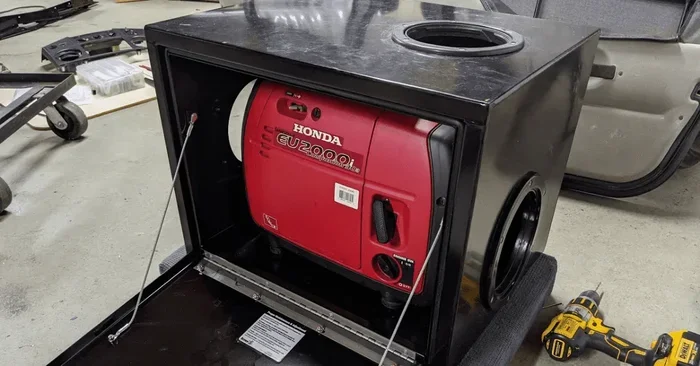
A generator quiet box is one of the best ways to reduce generator noise and enjoy peaceful backup power at home. This guide covers everything from DIY soundproof enclosures to commercial options. You will learn how to build, buy, and maintain a generator sound barrier that fits your needs and budget.
This is a comprehensive guide about generator quiet box.
Key Takeaways
- Noise reduction matters: A generator quiet box can lower noise levels by 10 to 20 decibels, making your generator much more neighbor-friendly.
- Several options exist: You can choose between DIY plywood enclosures, commercial soundproof boxes, or portable generators with built-in quiet technology.
- Ventilation is critical: A generator sound enclosure must allow proper airflow to prevent overheating and carbon monoxide buildup.
- Materials make a difference: Using mass-loaded vinyl, acoustic foam, and rubber insulation greatly improves your generator noise reduction results.
- Maintenance keeps it effective: Regular checks on seals, vents, and padding ensure your generator quiet box continues to perform over time.
- Legal rules apply: Many areas have noise ordinances that make a silent power generator enclosure not just nice but necessary.
[FEATURED_IMAGE_PLACEHOLDER]
What Is a Generator Quiet Box and Why Do You Need One
A generator quiet box is an enclosure built around a generator to lower the noise it produces. Generators are loud. Most portable units run between 70 and 100 decibels. That is about as loud as a vacuum cleaner or a busy street. A good generator sound enclosure can bring that down to a much more comfortable level.
People need generator noise reduction for many reasons. If you live in an apartment or a close neighborhood, loud noise complaints are a real problem. Some neighborhoods have strict noise rules. Others simply want peace during a storm when the generator runs for hours. A generator quiet box solves all of these problems without sacrificing power output.
Beyond noise, these enclosures also protect your generator from weather. Rain, snow, and dust can damage internal parts over time. A well-built generator sound barrier acts like a shield. It keeps your unit running longer and safer. That alone makes it worth the effort to build or buy one.
How Loud Is Your Generator Before a Quiet Box
Understanding Decibel Levels
Before you build a generator quiet box, you need to know how loud your unit actually is. Different generators produce different noise levels. Here is a simple breakdown:
- Quiet generators (50-60 dB): These are modern inverter models. They sound like a whisper or soft conversation.
- Average generators (70-80 dB): Most conventional portable generators fall here. Think of a lawn mower or busy traffic.
- Loud generators (80-100 dB): Older or large standby units often reach these levels. That is like a jackhammer or motorcycle.
Each 10-decibel increase sounds roughly twice as loud to human ears. So going from 90 dB to 70 dB feels like a huge change. A proper generator soundproof enclosure targets exactly this kind of reduction.
Measuring Your Generator Noise
You can measure noise with a simple decibel meter app on your phone. Hold the phone about three feet from the generator. Take readings from different angles. This gives you a baseline. After you add a generator quiet box, measure again. Compare the results to see how much improvement you achieved.
Quick tip: Take measurements at night when background noise is low. You will get a more accurate reading of how your neighbors actually perceive the sound.
Best Materials for Building a Generator Quiet Box
Core Soundproofing Materials
The materials you choose make or break your generator noise reduction project. Here are the most effective options:
- Mass-loaded vinyl (MLV): This dense material blocks sound very well. It wraps easily around plywood panels. MLV is one of the top choices for any generator sound barrier.
- Acoustic foam: Open-cell foam absorbs mid and high frequencies. It works well as an inner lining inside your enclosure.
- Plywood sheets (3/4 inch): Thick plywood provides mass. It forms the main structure of most generator soundproof enclosures.
- Rubber isolation pads: These sit under the generator. They stop vibrations from transferring to the floor and nearby surfaces.
- Fiberglass insulation: Dense fiberglass batts absorb sound inside the box. Place them between double plywood walls for extra effect.
What to Avoid
Not all materials help. Thin cardboard does nothing against low-frequency rumble. Foam that is too soft just flattens and loses shape. Avoid sealing the box completely airtight. Generators need air to breathe, and blocking all vents creates a dangerous carbon monoxide risk. Always keep your silent power generator properly ventilated.
Step-by-Step Guide to Building a DIY Generator Quiet Box
Planning Your Build
Start by measuring your generator. Add at least four inches of space on every side. This allows airflow and room for padding. Sketch a simple plan. Decide whether you want a permanent setup or a portable frame you can move around. Your generator quiet box design should match how you actually use the unit.
Also check local rules. Some areas restrict permanent structures near the house. A freestanding frame often avoids these issues. Make sure your plan fits both your generator and your local codes.
Building the Frame
- Cut plywood panels: Use your measurements to cut four sides, a top, and a bottom. Leave the front open or use a hinged door for easy access.
- Assemble the frame: Screw the panels together. Use wood screws and wood glue for a strong bond. Reinforce corners with metal brackets.
- Add mass-loaded vinyl: Wrap the outside of each panel with MLV. Attach it with adhesive or staples. This layer does the heavy lifting for generator noise reduction.
- Line the inside with acoustic foam: Cut foam pieces to fit the interior walls. Glue them in place. This absorbs reflections inside the box.
- Install rubber pads: Place vibration-isolating pads on the bottom. Set the generator on top of them. This stops rumbling from shaking the floor.
Ventilation Design
Your generator sound enclosure must have proper airflow. Cut intake vents on the side away from the generator exhaust. Add exhaust vents near the top. Cover all openings with sound baffling material. This lets air flow through while trapping noise. A well-ventilated generator quiet box keeps the engine cool and safe.
Quick tip: Install a small battery-powered fan inside if the box sits far from a wall outlet. This helps pull heat out during long runs.
Commercial Generator Quiet Boxes vs DIY Enclosures
Comparing Your Options
You can buy a ready-made generator sound barrier or build one yourself. Both have pros and cons. Here is a quick comparison:
- Cost: DIY enclosures usually cost less. A basic build might run $100 to $300. Commercial generator soundproof enclosures range from $400 to over $2,000 depending on size and brand.
- Custom fit: A DIY box fits your exact generator shape. Commercial options come in standard sizes. You may need to choose a larger unit than necessary.
- Noise reduction: A well-built DIY box matches commercial products. It all depends on materials and sealing. Some commercial units use advanced acoustic tech that is hard to copy at home.
- Portability: DIY frames can be lightweight and portable. Many commercial boxes are heavy and meant for stationary use.
- Time: A DIY project takes a weekend. A commercial purchase takes a few days to ship and set up.
Which Option Is Right for You
Choose a commercial generator quiet box if you want a plug-and-play solution. These work well for standby units and large standby generators. Choose a DIY build if you have basic woodworking skills and want a custom fit. DIY also works great for portable inverter generators that need occasional sound reduction.
Expert insight: Many people start with a simple plywood and MLV box. They upgrade later if they need more generator noise reduction. Starting simple saves money and teaches you what your setup actually needs.
Installing and Maintaining Your Generator Sound Enclosure
Placement Tips
Where you put your generator quiet box matters. Keep it at least five feet from any wall. This prevents sound from bouncing back into your home. Place it on a flat, hard surface. Grass and dirt absorb vibrations unevenly and can cause the box to wobble. A concrete pad or compacted gravel base works best.
Also keep the box away from windows. Sound travels through glass easily. Position the exhaust vent so it points away from neighboring houses. These small steps boost your silent power generator effectiveness significantly.
Regular Maintenance
A generator sound barrier needs care to keep working. Check these items every few months:
- Seals and gaskets: Look for cracks or gaps. Replace worn weatherstripping right away. Air leaks let noise escape.
- Vent filters: Clean or replace any mesh screens. Clogged vents reduce airflow and can cause overheating.
- Padding and foam: Acoustic foam breaks down over time. Swap it out when it looks compressed or discolored.
- Structural integrity: Tighten screws and check for wood rot. A sturdy generator quiet box lasts for years with basic upkeep.
Quick tip: After any major storm, inspect the box for damage. Debris can shift the structure or crack panels. Fixing small problems early prevents bigger ones later.
Safety Considerations for Generator Sound Enclosures
Ventilation and Carbon Monoxide
Safety always comes first. Never seal a generator soundproof enclosure completely. Generators produce carbon monoxide. Without fresh air, deadly gas builds up fast. Always include intake and exhaust openings. Point exhaust pipes away from windows and doors. Test the area with a CO detector before running the generator inside any enclosed space.
Also never run a generator indoors or in a closed garage. Even with a generator quiet box nearby, indoor use is extremely dangerous. Place the unit outside only, with proper clearance on all sides.
Electrical Safety
Keep all electrical connections dry. Your generator noise reduction box may be outdoors, so use weatherproof outlets and covers. Never run extension cords through puddles or wet grass. Use heavy-duty cords rated for the generator output. Ground the unit properly according to the manufacturer instructions.
Expert insight: A good generator sound barrier also includes a small fire extinguisher nearby. Generators run hot, and fuel spills happen. Being prepared is always smarter than being sorry.
Frequently Asked Questions About Generator Quiet Boxes
How much noise reduction can a generator quiet box really provide?
A well-built generator quiet box typically reduces noise by 10 to 20 decibels. That makes a generator that sounds like a lawn mower more like a quiet conversation. The exact reduction depends on materials used, how well the box is sealed, and the original noise level of your unit. Using mass-loaded vinyl and acoustic foam together gives the best generator noise reduction results.
Can I use a generator quiet box for a standby generator?
Yes, you can use a generator sound enclosure for standby units. However, standby generators are larger and produce more heat. You need a bigger box with extra ventilation. Commercial generator soundproof enclosures designed for standby units work best because they account for heat dissipation and exhaust routing. Always follow the manufacturer guidelines for clearance and airflow.
What is the cheapest way to reduce generator noise?
The cheapest method is a DIY plywood box lined with mass-loaded vinyl and acoustic foam. Adding rubber isolation pads under the generator also helps. This basic generator quiet box can cost under $200 in materials. Another budget-friendly tip is placing the generator far from your house. Distance alone reduces perceived noise noticeably. Combining distance with a simple enclosure gives you silent power generator benefits without spending much.
Are there portable generator quiet boxes available to buy?
Yes, several brands sell portable generator sound barriers. These are lightweight frames covered in sound-absorbing material. They fit around small to mid-size inverter generators. Look for ones with easy-open doors for maintenance access. A generator sound enclosure like this is great for camping, outdoor events, or anyone who needs generator noise reduction on the go.
Do generator quiet boxes affect generator performance?
If built correctly, a generator quiet box does not affect performance. The key is proper ventilation. A sealed box restricts airflow and can cause overheating or power loss. Always leave enough intake and exhaust space. A well-designed generator sound barrier lowers noise while keeping the engine running at full capacity without strain.
How often should I replace the soundproofing materials in my generator quiet box?
Acoustic foam and padding usually need replacement every 2 to 3 years depending on exposure to weather and heat. Mass-loaded vinyl lasts much longer, often 5 to 7 years. Check your generator soundproof enclosure annually. Replace any materials that look compressed, torn, or water-damaged. Fresh padding restores your generator noise reduction to like-new levels.
Conclusion
A generator quiet box is a smart, practical upgrade for anyone who relies on backup power. Whether you build it yourself or buy a commercial model, the benefits are clear. Lower noise, better neighbor relations, weather protection, and quieter peace of mind during outages. A good generator sound enclosure turns a noisy machine into a silent power generator that you can run without worry.
Take your time planning the build. Choose quality materials like mass-loaded vinyl and acoustic foam. Always prioritize ventilation and safety. Maintain your generator sound barrier regularly so it keeps performing for years. With the right approach, your generator will run strong and surprisingly quiet. Now you have everything you need to make it happen.
Frequently Asked Questions
What is generator quiet box?
generator quiet box is an important topic with many practical applications.