Generac House Generator Powering Your Home With Confidence
A Generac house generator delivers reliable backup power when your grid goes down. This guide covers everything from choosing the right generator size to understanding installation costs and maintenance needs. You will walk away knowing exactly how to keep your home powered no matter what.
Power outages are more than just an inconvenience. They can shut down your heating system, spoil food in the refrigerator, and leave your family sitting in the dark. A Generac house generator solves all of that. It keeps your home running smoothly no matter what happens to the power grid.
Generac is one of the most trusted names in the backup power world. Their whole house generators are built to kick in automatically when the lights go out. Whether you live in a small suburban home or a larger property, there is a Generac system that fits your needs.
In this guide, we will walk through everything you need to know. From picking the right generator size to understanding installation costs and keeping your system running strong for years. Let us get started.
Key Takeaways
- Right-Sizing Matters: Choosing the correct generator size ensures you cover essential circuits without wasting fuel or money.
- Cost Transparency: The average cost of a Generac whole house system ranges from a few thousand dollars to over ten thousand, depending on your setup.
- Professional Installation Is Key: A licensed technician ensures safe wiring, proper gas connections, and code compliance.
- Regular Maintenance Extends Life: A well-maintained standby generator can last 20 to 30 years or more.
- Fuel Choice Affects Runtime: Natural gas and propane each offer distinct advantages for home backup power.
- Automatic Transfer Switches Simplify Everything: These devices switch your home to generator power seamlessly during outages.
📑 Table of Contents
- What Is a Generac House Generator?
- How to Choose the Right Size Generac Generator
- Generac Generator Cost: What to Expect
- Installation: What the Process Looks Like
- Maintenance Tips for Long-Lasting Performance
- Fuel Options: Natural Gas vs Propane
- Common Mistakes to Avoid
- Why Choose Generac for Home Backup Power?
- Final Thoughts
What Is a Generac House Generator?
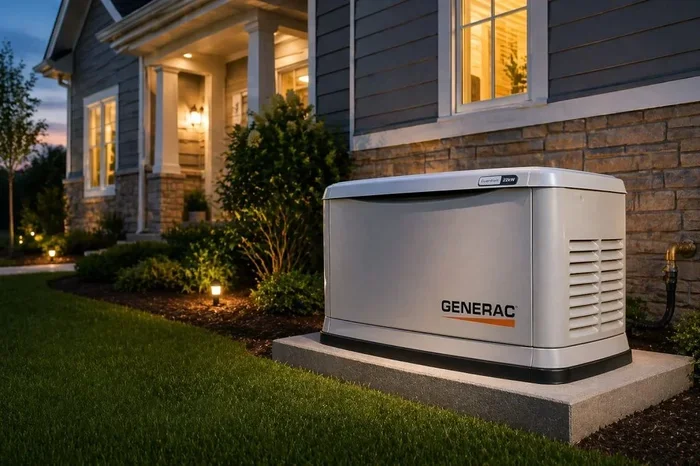
A Generac house generator is a permanent backup power system installed outside your home. Unlike a portable generator, it connects directly to your electrical panel. When the main power goes down, it turns on automatically within seconds.
These generators run on either natural gas or propane. Some models can even switch between both fuels. The most popular sizes for homes range from 12 kilowatts to 24 kilowatts. This is enough to power your essentials like the furnace, refrigerator, lights, and a few outlets.
How Does It Work?
Here is how simple it is. A Generac standby generator sits outside your home on a concrete pad. It connects to your home’s gas line and electrical panel. An automatic transfer switch monitors the power supply. When the grid fails, the transfer switch detects the outage and signals the generator to start. Within about ten seconds, your home is back on power.
When utility power returns, the transfer switch switches back automatically. The generator runs for a few minutes to cool down and then shuts off. You do not need to lift a finger. Everything happens by itself.
How to Choose the Right Size Generac Generator
One of the biggest mistakes homeowners make is buying a generator that is too small or too large. Picking the correct generator size is critical for both performance and value.
Calculate Your Power Needs
Start by listing the essential appliances and systems you want to keep running during an outage. Here are common items and their approximate wattage:
- Refrigerator: 600 to 800 watts
- Sump Pump: 1,000 to 1,500 watts
- Furnace Blower: 500 to 700 watts
- Lights (10 fixtures): 500 to 1,000 watts
- Window AC Unit: 1,500 to 2,000 watts
- Well Pump: 2,000 to 3,000 watts
Add up the total watts and then multiply by 1.25 for a safety buffer. This gives you your minimum generator capacity. For most homes, a 16 to 22 kilowatt unit handles the essentials comfortably.
You can also check out our guide on what size generator will run a whole house for more detailed sizing help.
Small, Medium, or Large?
Here is a quick breakdown of Generac generator sizes and what they cover:
- 12 to 14 kW: Basic essentials like lights, refrigerator, and furnace. Great for smaller homes.
- 16 to 20 kW: The sweet spot for most homes. Covers essentials plus a few extra circuits.
- 22 to 24 kW: Whole home coverage including central air and multiple appliances.
Your choice depends on your home size, your electrical needs, and your budget. A professional installer can help you evaluate the right fit.
Generac Generator Cost: What to Expect
The average cost of a Generac whole house generator varies widely. Several factors influence the final price. Understanding these costs helps you budget properly and avoid surprises.
Unit Price Breakdown
The generator unit itself typically costs between 2,000 and 10,000 dollars. Smaller 12 kW models sit at the lower end. Larger 24 kW systems with advanced features cost more at the top end. Keep in mind that this is just the equipment price.
Installation Costs
Generator installation adds another layer of expense. A licensed technician needs to handle the gas line connection, electrical wiring, and permit inspections. Installation costs typically range from 3,000 to 7,000 dollars depending on your location and the complexity of the setup.
You can read more about what is the average cost to install a Generac generator to get a clearer picture of what installation involves.
Total Investment
For most homeowners, the total investment falls between 5,000 and 15,000 dollars. This includes the unit, installation, and any necessary permits. While it is a significant upfront cost, the peace of mind and protection it provides is well worth it.
For a general overview of Generac pricing, you can also visit our page on what is the average cost of a Generac generator.
| Generator Size | Unit Cost (Approx.) | Installation Cost (Approx.) | Total Cost (Approx.) |
|---|---|---|---|
| 12 kW | $2,000 – $3,500 | $3,000 – $5,000 | $5,000 – $8,500 |
| 16 kW | $3,500 – $5,500 | $3,500 – $6,000 | $7,000 – $11,500 |
| 20 kW | $5,000 – $7,500 | $4,000 – $7,000 | $9,000 – $14,500 |
| 24 kW | $7,000 – $10,000 | $5,000 – $7,000 | $12,000 – $17,000 |
Installation: What the Process Looks Like
Installing a Generac house generator is not a DIY project. It requires professional expertise to ensure safety and code compliance. Here is what you can expect during the process.
Step 1: Site Assessment
A technician visits your home to evaluate the best location for the unit. They check your gas line capacity, electrical panel, and local building codes. This assessment helps determine if any upgrades are needed before installation.
Step 2: Equipment Preparation
Once you approve the quote, the team orders the generator and any additional materials. This might include a new gas line, an upgraded electrical panel, or a concrete pad for the unit.
Step 3: Installation Day
Installation typically takes one to two days. The crew places the generator on the pad, connects the gas line, and wires the transfer switch. They also perform a full test to make sure everything works correctly.
After installation, you will receive a permit and inspection certificate. This proves your system meets local safety standards. You are now ready for reliable home backup power whenever you need it.
How to Run Generator to House Safely
Proper setup is essential for safe operation. The automatic transfer switch is the brain of the system. It ensures your generator never backfeeds power into the grid, which could endanger utility workers. The switch also manages which circuits receive power during an outage.
For a detailed walkthrough on the setup process, check out our guide on how to run generator to house safely and effectively.
Maintenance Tips for Long-Lasting Performance
A Generac house generator is a durable machine built to last. But like any equipment, it needs regular care to perform at its best. Neglecting maintenance can shorten its lifespan and lead to costly repairs.
Annual Maintenance Checklist
Here are the key maintenance tasks you should perform or schedule each year:
- Oil Change: Change the oil and filter according to the manufacturer’s schedule. Most Generac units need this every 100 to 200 hours of runtime.
- Air Filter Inspection: Check the air filter for dirt and debris. Replace it if it looks clogged. A clean filter keeps the engine running efficiently.
- Spark Plug Check: Inspect the spark plug for wear. Replace it if the electrode is damaged or fouled.
- Battery Test: The generator’s battery powers the startup system. Test it regularly and replace it every two to three years.
- Fuel System Inspection: Check the gas line and connections for leaks. Ensure the fuel valve operates smoothly.
- Exercise the Generator: Run the generator under load for about 30 minutes each month. This keeps the engine lubricated and the battery charged.
How Long Does a Whole House Generator Last?
With proper maintenance, a Generac whole house generator can last 20 to 30 years or more. The engine and alternator are designed for heavy-duty, long-term use. Many homeowners report getting 15,000 to 20,000 hours of runtime out of their unit over its lifetime.
You can learn more about generator lifespan in our article on how long does a whole house generator last.
Quick Maintenance Tips
- Keep the area around the generator clear of debris and vegetation.
- Store fuel properly if your unit runs on propane or gasoline.
- Keep a maintenance log to track all service dates and repairs.
- Schedule professional inspections at least once a year.
- Run the generator monthly to prevent stale fuel issues.
Fuel Options: Natural Gas vs Propane
Generac generators support two main fuel types. Each has its own advantages depending on your situation and preferences.
Natural Gas
Natural gas is the most popular fuel for whole house generators. It connects directly to your home’s existing gas line. You never need to worry about refueling. Natural gas burns clean and produces fewer emissions than propane.
The downside is that during a widespread disaster, the gas supply might get interrupted. Natural gas also requires a steady pressure supply, which some older homes may not have.
Propane
Propane offers excellent energy density and long shelf life. You store it in tanks on your property, so you are not dependent on a utility connection. Propane is a great choice if you live in an area prone to extended outages or natural disasters.
The trade-off is that you need to monitor tank levels and arrange refills. Propane also burns hotter, which can mean slightly more maintenance over time.
Dual-Fuel Models
Some Generac models support both natural gas and propane. These dual-fuel generators give you flexibility. You can use whichever fuel is most convenient or available. This is an excellent option for homeowners who want maximum reliability.
Common Mistakes to Avoid
Even the best generator can cause problems if you make avoidable mistakes. Here are the most common errors homeowners make with their Generac house generator setup.
Undersizing the Generator
Many people buy the cheapest or smallest unit they can find. This often leads to overloaded circuits and inability to power essential systems. Always calculate your needs carefully before making a purchase.
Skipping the Transfer Switch
An automatic transfer switch is not optional. It protects your home and your utility workers. Skipping this component is dangerous and often violates electrical codes.
Ignoring Routine Maintenance
It is easy to forget about your generator when the power is working fine. But skipping oil changes, filter replacements, and exercise cycles leads to poor performance when you need the unit most.
Improper Placement
Your generator needs proper clearance for ventilation and safety. Placing it too close to windows, doors, or vents can allow carbon monoxide to enter your home. Always follow manufacturer guidelines for placement distances.
Why Choose Generac for Home Backup Power?
Generac has been a leader in the power generation industry for decades. Their house generators are trusted by homeowners and installers alike. Here is why Generac stands out from the competition.
- Reliability: Generac engines are built for continuous, heavy-duty use. They start automatically and run dependably every time.
- Smart Features: Many models include Wi-Fi connectivity, mobile app monitoring, and automatic load management. You can check your generator’s status from anywhere.
- Wide Range of Sizes: From compact 12 kW units to powerful 24 kW systems, Generac has options for every home size and budget.
- Strong Warranty Support: Generac offers comprehensive warranties and a network of authorized service providers nationwide.
- Fuel Efficiency: Generac engines are designed to maximize fuel efficiency, which saves you money on gas or propane over time.
The brand’s reputation for quality and durability makes it a top choice for homeowners looking for dependable emergency power. When a storm hits or the grid goes down, you want a system you can trust. Generac delivers that confidence.
Final Thoughts
A Generac house generator is one of the smartest investments you can make for your home. It protects your family, preserves your comfort, and prevents costly damage from power outages. Whether you need a basic 12 kW unit for essentials or a powerful 24 kW system for whole home coverage, Generac has a solution that works.
Take the time to choose the right size, budget for professional installation, and commit to regular maintenance. These steps ensure your generator is ready whenever you need it most. Power outages do not have to disrupt your life. With the right Generac system, your home stays running no matter what.
Start your research today. Talk to a local installer, get a quote, and take the first step toward reliable home backup power. Your future self will thank you the next time the lights go out.
Frequently Asked Questions
How much does a Generac house generator cost in total?
The total cost of a Generac house generator typically ranges from 5,000 to 15,000 dollars. This includes the unit price and professional installation. Smaller 12 kW models cost less, while larger 24 kW systems run higher.
How long does it take to install a Generac generator?
Most installations are completed in one to two days. The timeline depends on your home’s gas line setup, electrical panel condition, and local permit requirements. A licensed technician handles everything from start to finish.
Can I install a Generac generator myself?
No, professional installation is required for safety and code compliance. Improper wiring or gas connections can be extremely dangerous. Always hire a licensed technician who specializes in generator installation.
What size Generac generator do I need for a 2000 square foot house?
For a 2000 square foot home, a 16 to 20 kW unit typically covers all essential circuits. You can find more specific guidance in our article on how much a generator costs for a 2000 square foot house.
How often should I run my Generac generator?
You should exercise your generator for about 30 minutes each month. This keeps the engine lubricated and the battery charged. Regular exercise also helps you identify any issues before a real outage occurs.
What fuel does a Generac whole house generator use?
Most Generac whole house generators run on natural gas or propane. Some models support both fuels. Natural gas connects to your home’s existing gas line, while propane is stored in tanks on your property.
=== CONCLUSION ===
A Generac house generator brings reliable, automatic backup power to your home when you need it most. From selecting the right generator size to understanding installation costs and keeping up with routine maintenance, this guide has covered the essentials. The upfront investment pays for itself many times over in comfort, safety, and peace of mind.
Take action today. Research your options, talk to a local installer, and get your home prepared for the next power outage. A Generac system gives you the confidence to weather any storm.