Car Ac Compressor Clutch Not Engaging Troubleshooting Tips
Your car ac compressor clutch not engaging can turn a comfortable drive into a sweltering nightmare. This guide walks you through the most common causes, from low refrigerant to faulty wiring, and gives you clear troubleshooting steps you can do yourself. Learn how to diagnose the problem, save money on repairs, and get your car air conditioning blowing cold air again quickly.
There’s nothing worse than turning on your car air conditioning on a hot day and getting nothing but warm air. If your ac compressor clutch not engaging, the whole system shuts down. The compressor is the heart of your car ac system. Without it, refrigerant doesn’t circulate, and your cabin stays hot.
Here’s the good news. Most causes of a non-engaging clutch are simple to diagnose and fix. You don’t need to be a master mechanic. With a few basic tools and some patience, you can identify the problem and often repair it yourself. This guide covers every common reason your ac compressor clutch won’t engage. We’ll walk through troubleshooting steps, explain what each part does, and give you practical tips to avoid future problems.
Whether you’re a DIY enthusiast or just trying to understand what your mechanic is talking about, this article has you covered. Let’s dive into the world of compressor clutch engagement and get your car cooling again.
Key Takeaways
- Low refrigerant is the #1 culprit: Most ac compressor clutch not engaging issues stem from low refrigerant levels triggering a safety switch.
- Electrical problems are common: A bad clutch coil, blown fuse, or faulty wiring can prevent the clutch from engaging even when refrigerant is fine.
- You can troubleshoot at home: Simple tools like a multimeter and a pressure gauge can help you pinpoint the issue without visiting a mechanic.
- Don’t ignore warning signs: Strange noises, warm air, or a clutch that clicks but won’t spin all signal deeper problems that worsen over time.
- Regular maintenance prevents failure: Checking refrigerant levels, inspecting the serpentine belt, and cleaning connections can extend clutch life significantly.
- Know when to call a pro: Internal compressor damage or sealed system leaks require professional diagnosis and specialized equipment.
📑 Table of Contents
- Understanding How the AC Compressor Clutch Works
- Common Reasons Your AC Compressor Clutch Won’t Engage
- Step-by-Step Troubleshooting Guide
- Quick Tips and Common Mistakes to Avoid
- When to Call a Professional Mechanic
- Preventing AC Compressor Clutch Problems
- Understanding the Cost of Repairs
- Conclusion
Understanding How the AC Compressor Clutch Works
Before you troubleshoot, it helps to understand what you’re dealing with. The ac compressor clutch is a small but vital component. It connects the engine’s power to the compressor pump. When you turn on your car ac, the clutch engages and spins the compressor. When you turn it off, the clutch disengages and the compressor stops.
The Electromagnetic Clutch Mechanism
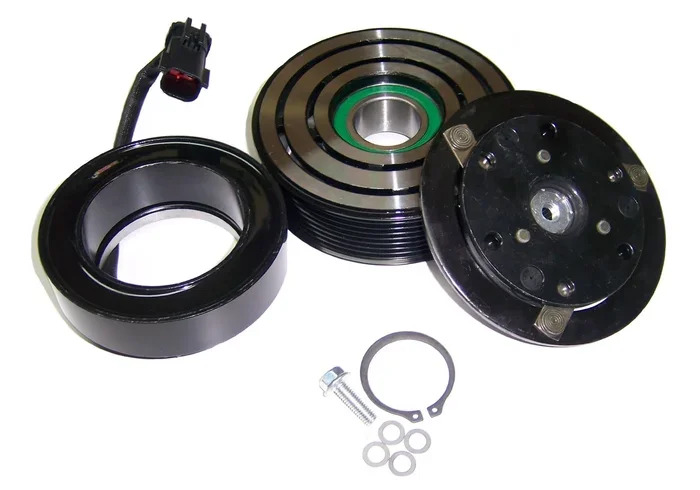
Most cars use an electromagnetic clutch. Here’s how it works simply. When you flip the ac switch inside your car, a signal goes to the compressor clutch relay. That relay sends power to the clutch coil. The coil creates a magnetic field. That magnetic field pulls the clutch plate against the compressor pulley. Now the pulley and the compressor turn together. When you turn off the ac, the coil loses power. A spring pushes the plate away. The pulley spins freely and the compressor stops.
It’s an elegant system. But like anything mechanical and electrical, things can go wrong. The clutch might not engage at all. It might engage and then disengage. Or it might make a grinding noise when it tries to engage. Each symptom points to a different possible cause.
Key Components in the Clutch Circuit
Several parts work together for proper compressor clutch engagement:
- Clutch coil: The electromagnetic coil that creates the magnetic pull.
- Clutch plate and pulley: The spinning parts that transfer engine power.
- Compressor clutch relay: The electrical switch that sends power to the coil.
- AC pressure switches: Low and high pressure sensors that protect the system.
- AC fuse and wiring: The electrical pathway that connects everything.
- Serpentine belt: The belt that drives the pulley.
When any one of these parts fails, your ac compressor clutch not engaging problem begins. Now let’s look at the most common causes.
Common Reasons Your AC Compressor Clutch Won’t Engage
Diagnosing the exact cause saves time and money. Below are the most frequent reasons a car ac compressor clutch not engaging happens. We’ll go from the easiest to check to the more complex issues.
Low Refrigerant Level
This is the number one reason. Your car ac system has a low-pressure switch. When refrigerant drops too low, that switch disables the clutch circuit. It’s a safety feature. Running the compressor without enough refrigerant can cause internal damage. So the system shuts down to protect itself.
If your refrigerant level is low, you likely have a leak. Common leak points include:
- Schrader valve cores
- Condenser connections
- Evaporator seams
- Compressor shaft seal
- Expansion valve fittings
Simply adding refrigerant without finding the leak is a temporary fix. The problem will come back. Always check for leaks when refrigerant is low.
Faulty Compressor Clutch Relay
The compressor clutch relay controls power to the clutch coil. When this relay fails, the clutch gets no electrical signal. The compressor might hum but won’t spin. Relay failure can happen from heat damage, worn contacts, or electrical surges.
You can test a relay fairly easily. Swap it with a similar relay in your fuse box. If the clutch engages after the swap, you found your problem. Relays are cheap and easy to replace.
Blown AC Fuse or Bad Wiring
A blown ac compressor fuse breaks the circuit entirely. No power reaches the clutch coil. Check your owner’s manual for the fuse box location and the specific fuse for the ac compressor clutch. A blown fuse often means an underlying electrical issue. Replacing the fuse without fixing the root cause just leads to another blown fuse.
Wiring problems are also common. Corroded connectors, frayed wires, or a bad ground can prevent the clutch from engaging. Over time, heat and vibration loosen connections. A simple visual inspection of the wiring harness near the compressor can reveal obvious damage.
Failed Clutch Coil
The clutch coil is the electromagnet that pulls the clutch plate. When the coil burns out, the magnetic field disappears. No pull means no engagement. You can test the coil with a multimeter. Check for resistance across the coil terminals. If you read open or zero resistance, the coil is dead and needs replacement.
Coil failure often happens from age, moisture, or overheating. Sometimes a failing coil works intermittently. You might notice the clutch engages occasionally but not consistently. That’s a strong sign of a coil on its way out.
AC Pressure Switch Malfunction
Your ac system has two pressure switches. The low-pressure switch prevents operation when refrigerant is too low. The high-pressure switch prevents operation when pressure is too high. Both switches can fail in the “open” position, which blocks clutch engagement.
A faulty pressure switch might give false readings. The system has enough refrigerant, but the switch thinks it doesn’t. Or the switch might be stuck open due to a wiring issue. Testing pressure switches requires a manifold gauge set and some knowledge of your specific system.
Serpentine Belt Problems
The serpentine belt drives the compressor pulley. If the belt is worn, cracked, or loose, the pulley might not spin properly. In some cases, the clutch engages but the belt can’t transfer the torque. You’ll hear a squealing or grinding noise. A broken belt means the compressor can’t turn at all, clutch or not.
Inspect your belt regularly. Most serpentine belts last between 60,000 and 100,000 miles. But heat, tensioner wear, and contamination can shorten that life significantly.
Internal Compressor Damage
Sometimes the problem isn’t in the clutch circuit. The compressor itself might be seized or internally damaged. If the compressor is locked up, the clutch might engage but the pulley won’t spin because the compressor is stuck. This usually requires full compressor replacement. Internal damage often results from neglected maintenance, metal debris in the system, or prolonged operation with low refrigerant.
Step-by-Step Troubleshooting Guide
Now let’s get practical. Here’s how to troubleshoot your ac compressor clutch not engaging step by step. Work through these checks in order. Each step narrows down the cause.
Step 1: Check the Refrigerant Level
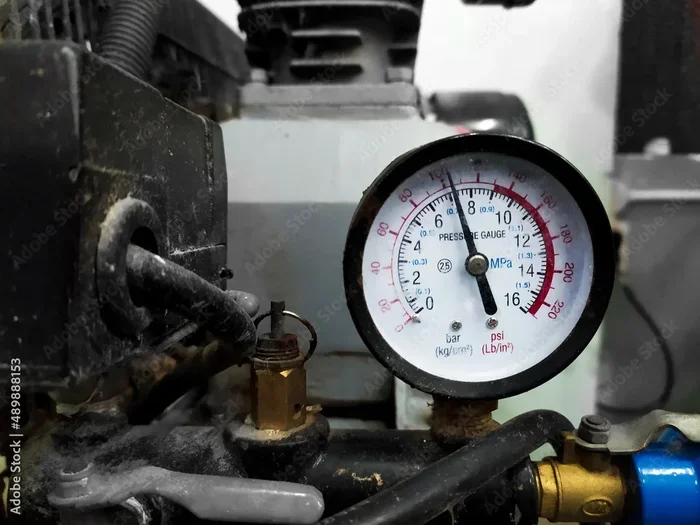
Start with the ac pressure gauge set. Connect it to the low-side service port. Check the pressure reading against specifications for your vehicle. Low pressure means low refrigerant. If pressure is low, do not just recharge. Find and fix the leak first. Adding refrigerant to a leaking system wastes money and masks the real problem.
Quick tip: If you don’t have gauges, many auto parts stores will check your ac system pressure for free. Take advantage of this before buying tools.
Step 2: Inspect the AC Fuse
Locate the ac compressor fuse in your fuse box. Check the fuse visually or test it with a multimeter. A blown fuse is an easy fix. Replace it with the correct amperage. If the new fuse blows immediately, you have a short circuit that needs further investigation.
Step 3: Test the Compressor Clutch Relay
Find the compressor clutch relay in the fuse box. Listen for a click when you turn on the ac. No click could mean a bad relay. Try swapping it with a similar relay. If the clutch engages after the swap, replace the relay. This is one of the easiest and cheapest fixes available.
Step 4: Check for Power at the Clutch Coil
With the ac switched on, use a multimeter or test light at the clutch connector. You should see battery voltage when the ac is on. No power means the problem is upstream. Check the relay, pressure switches, and wiring. Power present means the clutch coil itself might be faulty.
Step 5: Test the Clutch Coil Resistance
Disconnect the clutch connector. Set your multimeter to ohms. Measure resistance across the coil terminals. Most coils read between 3 and 5 ohms. Open or shorted readings mean a dead coil. Replace the clutch assembly or the entire compressor depending on the design.
Step 6: Check the Serpentine Belt and Pulley
Visually inspect the serpentine belt for cracks, glazing, or fraying. Check the belt tensioner for proper tension. Spin the compressor pulley by hand. It should rotate freely when the clutch is disengaged. If it’s hard to turn or won’t spin, the compressor might be seized internally.
Step 7: Examine the Pressure Switches
Check the low pressure switch and high pressure switch. Use a multimeter to test for continuity. With the ac off and system at rest, the low-pressure switch should show continuity. If it doesn’t, the switch might be faulty. Bypassing the switch temporarily can confirm whether it’s the problem. But only do this briefly for testing. Never run the system this way permanently.
Quick Tips and Common Mistakes to Avoid
Quick Tips for Faster Diagnosis
- Always start simple: Check the fuse and relay before diving into complex tests.
- Use a scan tool: Many modern vehicles store ac system fault codes that point directly to the problem.
- Check for voltage drops: A voltage drop across a connector can cause enough resistance to prevent clutch engagement.
- Listen carefully: A clicking sound when you turn on the ac means the relay is working but the clutch isn’t engaging. No sound at all points to a relay or wiring issue.
- Check the cabin filter: A clogged cabin filter reduces airflow and can cause the evaporator to freeze, triggering low-pressure protection.
Common Mistakes People Make
- Recharging refrigerant without finding leaks: This is the most common mistake. The refrigerant escapes again within days or weeks.
- Jumping the clutch coil directly: Some people bypass the circuit to test the clutch. This can work but be careful. If the compressor is seized, jumping the coil can damage the engine.
- Ignoring the pressure switches: Many people replace the clutch coil when the real problem is a faulty pressure switch.
- Using the wrong refrigerant: Mixing R-134a and R-1234yf or using the wrong type can damage the system and the clutch.
- Neglecting the serpentine belt: A worn belt causes clutch slippage and premature wear on the compressor.
When to Call a Professional Mechanic
DIY troubleshooting covers a lot of ground. But some situations need a professional’s expertise. If you’ve gone through the steps above and the clutch still won’t engage, it’s time to call in the pros. Here are the situations where professional help is the smart move.
Sealed system leaks require specialized leak detection equipment. UV dye, electronic leak detectors, and nitrogen pressure testing are tools most homeowners don’t have. A certified car ac repair shop has them.
Internal compressor failure is another situation that demands professional service. If the compressor is seized or has internal damage, you need a full compressor replacement. This involves evacuating the old refrigerant, removing the compressor, installing the new one, flushing the system, and recharging with fresh refrigerant. It’s a job that requires certification in many regions due to refrigerant handling regulations.
Electrical issues deep in the wiring harness can be frustrating to track down. Intermittent shorts, corroded ground points, and complex multiplexing systems in modern vehicles require diagnostic tools and experience that go beyond basic troubleshooting.
Expert insight from certified HVAC technicians: “The most overlooked cause of clutch non-engagement is a bad ground connection. Always check the ground wire from the compressor to the chassis. A corroded or loose ground can cause all the symptoms we’ve discussed, and it’s the simplest fix,” says Mark Thompson, a certified automotive ac specialist with over 20 years of experience.
Preventing AC Compressor Clutch Problems
Prevention is always better than repair. Regular maintenance keeps your ac compressor clutch healthy and extends the life of your entire car air conditioning system. Here’s how to stay ahead of problems.
Regular Maintenance Checklist
- Inspect refrigerant levels annually: A gradual refrigerant loss is normal over time. Topping off during routine service prevents the low-pressure switch from triggering.
- Check the serpentine belt every oil change: Look for cracks, glazing, and proper tension. Replace the belt at the first sign of wear.
- Clean the compressor connector: Corrosion on the clutch connector can cause intermittent engagement. A quick cleaning with electrical contact cleaner solves this.
- Run your AC in winter: This keeps the seals lubricated and prevents them from drying out. It also keeps the system pressurized, which reduces refrigerant loss.
- Replace cabin filters on schedule: A clean cabin filter ensures proper airflow and prevents evaporator freezing.
How Often Should You Service Your AC System?
Most manufacturers recommend a full car ac service every two years. This includes checking refrigerant levels, inspecting for leaks, and testing all electrical components. If you live in a hot climate or use your ac heavily, consider annual service. Prevention costs a fraction of what a compressor replacement costs.
Understanding the Cost of Repairs
Cost varies widely depending on the cause. A blown fuse costs a few dollars and five minutes. A compressor clutch relay runs $15 to $50. A clutch coil replacement might cost $100 to $300 for parts and labor. A full ac compressor replacement can range from $500 to $1,500 or more, depending on the vehicle.
Here’s a quick comparison of common repair costs:
| Repair | Parts Cost | Labor Cost | Total Estimate |
|---|---|---|---|
| Fuse replacement | $2-$5 | $0 (DIY) | $2-$5 |
| Relay replacement | $15-$50 | $30-$60 | $45-$110 |
| Clutch coil replacement | $50-$150 | $100-$200 | $150-$350 |
| Pressure switch replacement | $30-$80 | $60-$120 | $90-$200 |
| Serpentine belt replacement | $25-$75 | $50-$100 | $75-$175 |
| Full compressor replacement | $300-$1000 | $200-$500 | $500-$1500 |
These are estimates and vary by vehicle model and location. Always get a quote from a trusted shop before committing to major repairs.
Conclusion
A car ac compressor clutch not engaging doesn’t have to ruin your summer. Most causes are simple, affordable, and within reach of a weekend DIYer. Start with the basics: check the refrigerant, inspect the fuse, test the relay, and look at the wiring. These steps solve the majority of clutch engagement problems.
When the simple fixes don’t work, dig deeper into the pressure switches, clutch coil, and serpentine belt. And when the problem exceeds your comfort level, don’t hesitate to call a professional. A good car ac repair shop will diagnose the issue accurately and get you back to cool air quickly.
Remember, prevention is your best tool. Regular maintenance, annual AC checks, and prompt attention to warning signs keep your ac compressor clutch working reliably for years. Stay on top of your car air conditioning system, and it will keep you comfortable on every drive, no matter how hot it gets outside.
Now grab your multimeter and get under the hood. Your cool, comfortable rides are just a few troubleshooting steps away.
Frequently Asked Questions
Why does my AC compressor clutch engage and disengage rapidly?
This rapid cycling, also called clutch chatter, usually points to low refrigerant or a failing compressor. The low-pressure switch turns the clutch on and off as pressure fluctuates. Check your refrigerant level first. If it’s low, find the leak before recharging. A clogged orifice tube or a failing compressor can also cause this symptom.
Can I drive my car with the AC compressor clutch not engaging?
Yes, you can drive safely. The clutch not engaging means the compressor isn’t running, but it won’t damage your engine. However, you’ll have no cold air, and in some vehicles, the compressor also helps with belt tension. Prolonged driving without addressing the issue can lead to further damage if the root cause is a refrigerant leak that starves the system.
How much does it cost to replace an AC compressor clutch?
If the clutch is replaceable separately from the compressor, expect to pay $150 to $400 for parts and labor. Some vehicles have the clutch integrated into the compressor, requiring a full compressor replacement at $500 to $1,500. The exact cost depends on your vehicle make, model, and year. Always get a detailed quote before proceeding.
What should the AC compressor clutch resistance be?
Most clutch coils read between 3 and 5 ohms when tested with a multimeter. Check your vehicle’s service manual for the exact specification. A reading of open (infinite resistance) or near zero ohms indicates a failed coil that needs replacement. Always disconnect the clutch connector before testing to get an accurate reading.
Does low refrigerant cause the AC clutch not to engage?
Yes, this is the most common cause. Your system has a low-pressure switch that disables the clutch circuit when refrigerant drops below a safe level. This protects the compressor from internal damage caused by running dry. If your refrigerant is low, find and repair the leak before recharging the system.
How do I know if my AC compressor clutch relay is bad?
Listen for a click when you turn on the AC. No click suggests a bad relay or a problem upstream. You can swap the relay with an identical one in the fuse box to test it. If the clutch engages after the swap, the relay was faulty. You can also test the relay with a multimeter to check for proper continuity and coil resistance.