Air Compressor Pressure Washer Everything You Need To Know
An air compressor pressure washer combines compressed air and water to deliver powerful cleaning for driveways, decks, vehicles, and more. These versatile machines offer excellent portability, adjustable pressure settings, and superior surface cleaning results compared to traditional methods. This guide covers how they work, key features, buying tips, maintenance, and common mistakes to help you choose the right air compressor pressure washer for your needs.
Have you ever stared at a stained driveway or a grimy patio and wished for a faster way to clean it? An air compressor pressure washer can make that dream a reality. These powerful tools combine compressed air and water to create a cleaning force that tackles tough grime on almost any surface.
Whether you are a weekend warrior tackling home improvement projects or a professional cleaner who needs reliable outdoor cleaning equipment, an air compressor pressure washer offers serious advantages. In this guide, we will cover everything from how these machines work to which features matter most. You will also find practical tips, common mistakes to avoid, and expert advice to help you get the best results every time.
By the time you finish reading, you will understand why so many people are switching to air compressor pressure washers for their surface cleaning needs. Let us dive in.
Key Takeaways
- Powerful Cleaning: An air compressor pressure washer delivers high PSI and GPM for tough grime, mold, and mildew removal.
- Versatile Use: These machines handle driveway cleaning, vehicle washing, deck maintenance, and concrete cleaning with ease.
- Key Features Matter: Look for PSI ratings, GPM flow, duty cycle, portability, and nozzle compatibility when buying.
- Proper Maintenance Extends Life: Regular cleaning, filter checks, and proper storage keep your portable pressure washer running smoothly.
- Avoid Common Mistakes: Using wrong nozzle tips, skipping safety gear, and neglecting maintenance can damage surfaces and equipment.
- Right Size for the Job: Match your air compressor pressure washer to the task at hand for the best results and efficiency.
📑 Table of Contents
What Is an Air Compressor Pressure Washer?
An air compressor pressure washer is a cleaning machine that uses compressed air and water to produce a high-pressure spray. Unlike a standard garden hose, these machines force water through a narrow nozzle at high speed, creating a powerful stream that lifts dirt, mold, and debris from surfaces.
There are two main types of pressure washers on the market. Electric pressure washers plug into an outlet and are great for lighter tasks. Gas pressure washers run on fuel and deliver more raw power for heavy-duty jobs. An air compressor pressure washer falls into a unique category because it uses an air compressor system to boost water pressure, giving you more control and flexibility.
How It Differs From a Standard Pressure Washer
A standard pressure washer relies solely on a water pump to create pressure. An air compressor pressure washer adds a compressed air component to the mix. This means the cleaning power comes from both water pressure and air force working together.
Here is a quick comparison of the two types:
| Feature | Standard Pressure Washer | Air Compressor Pressure Washer |
|---|---|---|
| Power Source | Electric or gas motor | Compressed air + water |
| Portability | Moderate to heavy | Lightweight and portable |
| Pressure Control | Limited adjustment | Fine-tuned PSI adjustment |
| Best For | Heavy-duty cleaning | Versatile light to medium tasks |
| Maintenance | Moderate | Low to moderate |
| Cost | Mid to high range | Budget-friendly options available |
The hybrid design of an air compressor pressure washer makes it a popular choice for homeowners who want a portable pressure washer that can handle a wide range of tasks without the bulk of a gas unit.
How Does an Air Compressor Pressure Washer Work?
Understanding how your machine works helps you use it better and troubleshoot problems faster. The basic process is simple but effective.
The Role of Compressed Air
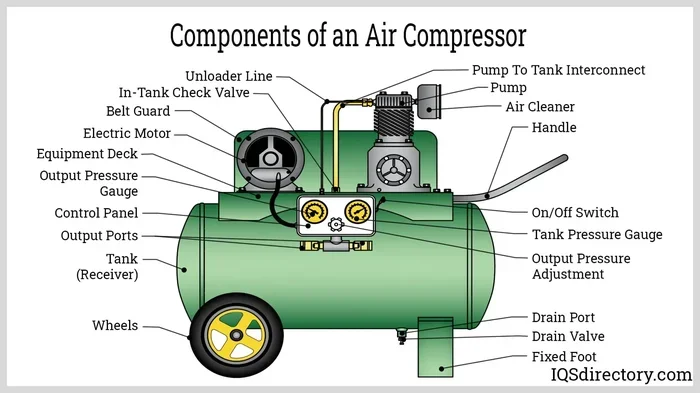
An air compressor draws in ambient air and compresses it into a smaller space. This builds up potential energy stored in the compressed air tank. When you trigger the wash gun, the compressed air pushes the water through the system at high speed.
The air and water mix creates a turbulent, high-velocity spray that is much more effective than water alone. This is why air compressor pressure washers can remove stubborn stains that a regular hose cannot touch.
Understanding PSI and GPM
Two numbers define the cleaning power of any pressure washer: PSI and GPM.
- PSI (Pounds Per Square Inch): This measures the water pressure. Higher PSI means more force behind each drop of water. For most home tasks, 1500 to 3000 PSI works well.
- GPM (Gallons Per Minute): This measures the water flow rate. More water flow means faster cleaning. A portable washer with 1.5 to 2.5 GPM handles most residential jobs.
The cleaning power of a washer is often calculated by multiplying PSI by GPM. This number, called cleaning units, gives you a quick way to compare machines. For example, a washer with 2000 PSI and 2 GPM produces 4000 cleaning units.
The Nozzle and Spray Pattern
Most air compressor pressure washers come with interchangeable nozzle tips. These tips control the spray pattern and intensity:
- 0-Degree (Red): A pinpoint stream for the toughest stains. Use with caution on soft surfaces.
- 15-Degree (Yellow): A narrow fan for heavy-duty concrete cleaning and stripping.
- 25-Degree (Green): A medium fan for general surface cleaning like siding and fences.
- 40-Degree (White): A wide fan for gentle washing of vehicles and windows.
- Soap Nozzle (Black): Dispenses cleaning solution at low pressure for applying detergent.
Starting with a wider angle and working down to narrower angles gives you the best results without damaging surfaces.
Benefits of Using an Air Compressor Pressure Washer
There are many reasons to consider an air compressor pressure washer for your cleaning tasks. Here are the biggest advantages.
Versatility and Power
One of the standout benefits of an air compressor pressure washer is its versatility. You can use it for driveway cleaning, washing cars, cleaning outdoor furniture, and even stripping paint from metal surfaces. The adjustable pressure settings let you switch between delicate and heavy-duty tasks in seconds.
Because the machine uses compressed air, the spray is more consistent and controllable than many standard washers. This means fewer streaks, less water waste, and better results on every surface you tackle.
Portability and Ease of Use
Many air compressor pressure washers are designed to be lightweight and compact. This makes them easy to move around your property or store in a garage or shed. If you have ever struggled with a heavy gas washer, the portability of a portable washer setup will feel like a breath of fresh air.
Most units are plug-and-play, meaning you can set them up in minutes without special tools or technical knowledge. This makes them perfect for beginners and seasoned users alike.
Cost Savings Over Time
Investing in a quality air compressor pressure washer can save you significant money over time. Instead of hiring a professional cleaning service for driveway cleaning or concrete cleaning, you can handle these jobs yourself in minutes.
These machines also use less water than traditional cleaning methods, which can lower your water bill. The combination of water efficiency and cleaning power makes them a smart financial choice for any homeowner.
Quick Tips for Maximizing Benefits
- Always test the washer on a small, hidden area first to check for damage.
- Use the right nozzle tips for each surface to avoid scratches or etching.
- Add a cleaning solution through the detergent injector for tougher jobs.
- Work in sections, starting from the top and moving downward for best results.
- Keep the spray gun moving at all times to prevent concentrated damage to one spot.
Key Features to Look For When Buying
Not all air compressor pressure washers are created equal. Here are the features that matter most when choosing the right machine.
PSI and GPM Ratings
The PSI and GPM ratings determine what your machine can handle. For light tasks like washing cars or cleaning patio furniture, look for a unit with 1200 to 2000 PSI. For heavier driveway cleaning or concrete cleaning, aim for 2500 to 3500 PSI.
Make sure the water pressure matches the surfaces you plan to clean. Too much pressure can damage wood decks or soft materials, while too little pressure will leave stubborn stains behind.
Portability and Size
If you plan to move your machine around frequently, prioritize portability. Look for compact designs with wheels and carry handles. A portable pressure washer setup should weigh less than 30 pounds for easy maneuvering.
Consider the size of the air compressor tank as well. Larger tanks provide longer continuous spray times, which is helpful for bigger cleaning jobs like washing a full house exterior or a large driveway.
Duty Cycle and Build Quality
The duty cycle refers to how long the machine can run continuously before needing a cooldown period. For occasional home use, a 30 to 50 percent duty cycle is fine. For more frequent use, look for machines with a higher duty cycle and durable construction.
Check the build quality of key components like the wash gun, hoses, and fittings. Brass fittings and reinforced hoses last longer and resist leaks better than plastic alternatives.
Expert Insight: What Professionals Look For
Industry experts recommend focusing on three things when buying an air compressor pressure washer: reliability, adjustability, and warranty. A machine that offers variable pressure control, comes with a solid warranty, and is built with quality components will serve you well for years. Do not sacrifice build quality for a lower price tag.
Best Uses and Applications
An air compressor pressure washer is one of the most versatile tools you can own. Here are the best applications for this powerful machine.
Driveway and Concrete Cleaning
Driveways accumulate oil stains, tire marks, dirt, and algae over time. An air compressor pressure washer makes driveway cleaning quick and satisfying. The high-pressure spray breaks up grease and grime that sweeping and scrubbing simply cannot remove.
For best results on concrete, apply a degreasing cleaning solution first, let it sit for 10 to 15 minutes, then follow up with the pressure washer. This two-step process lifts even the toughest stains.
Vehicle and Equipment Washing
Your car, truck, RV, or lawn equipment can benefit greatly from a portable washer setup. Use the 40-degree white nozzle for vehicles to avoid paint damage. The water pressure removes bugs, mud, and road grime without the need for a bucket and sponge.
Many air compressor pressure washers include a detergent injector that lets you apply soap automatically. This is especially helpful for washing trucks or trailers that have caked-on dirt.
Deck and Patio Maintenance
Wood decks and patios collect mold, mildew, and dirt over time. A pressure washer with adjustable PSI can clean these surfaces without causing damage. Use the 25-degree green nozzle for wood decks and the 15-degree yellow nozzle for concrete patios.
After washing, consider applying a sealant to protect your deck from moisture and UV damage. Regular surface cleaning with an air compressor pressure washer extends the life of your outdoor surfaces significantly.
Other Creative Uses
- Fence and siding cleaning: Remove algae and oxidation from wood and vinyl surfaces.
- Outdoor furniture restoration: Bring faded patio furniture back to life.
- Grill and outdoor kitchen cleaning: Strip built-up grease and food residue.
- Garden equipment cleaning: Remove caked mud from lawnmowers and tractors.
- Window and gutter washing: Use the 40-degree nozzle for gentle, effective cleaning.
How to Choose the Right One and Keep It Running
Choosing the right air compressor pressure washer and maintaining it properly are two sides of the same coin. A great machine in bad shape will underperform, and a mediocre machine used correctly can still deliver solid results.
Matching the Machine to Your Needs
Start by making a list of what you plan to clean. If your list is mostly vehicles and light outdoor furniture, a compact electric pressure washer with 1500 to 2000 PSI will work perfectly. If you plan to tackle concrete cleaning, large driveways, and heavy-duty outdoor cleaning, invest in a higher-powered unit with 3000+ PSI.
Consider your air compressor setup too. Some air compressor pressure washers work with existing compressor systems, while others come with built-in compressors. If you already own a quality air compressor, a washer attachment might be the most cost-effective option.
Maintenance Tips for Longevity
Proper maintenance keeps your air compressor pressure washer running smoothly for years. Follow these simple steps after every use:
- Flush the system: Run clean water through the washer for 30 seconds after each use to remove cleaning solution residue and debris.
- Check the filters: Inspect the water inlet filter and air intake filter regularly. Clean or replace them when they become clogged.
- Inspect hoses and fittings: Look for cracks, leaks, or worn connections. Replace damaged parts immediately to maintain water pressure and prevent accidents.
- Store properly: Keep your portable washer in a dry, sheltered area. Drain all water from the system before storing it for extended periods.
- Winterize: If you live in a cold climate, add antifreeze to the system before winter storage to prevent freezing damage.
Common Mistakes to Avoid
Even experienced users make mistakes with their air compressor pressure washer. Here are the most common ones and how to avoid them:
- Using the wrong nozzle tip: A 0-degree nozzle on a wooden deck will cause gouging and damage. Always match the nozzle to the surface.
- Holding the spray too close: Standing too close to the surface can strip paint, etch concrete, or damage wood. Keep the nozzle 12 to 18 inches away.
- Skipping safety gear: Always wear safety goggles and closed-toe shoes. The high-pressure spray can cause serious injuries.
- Neglecting the detergent injector: If your machine has a detergent system, use it. Skipping detergent means more elbow grease for you.
- Running the motor continuously: Most portable pressure washer units need cooldown periods. Check your duty cycle and give the motor rest between long sessions.
Quick Tips for Best Results
- Pre-soak surfaces with cleaning solution for 5 to 10 minutes before pressure washing.
- Work in the shade when possible to prevent cleaning solution from drying too quickly.
- Always start with the widest nozzle angle and move to narrower angles only if needed.
- Keep the spray gun moving at a steady pace to avoid creating marks or damage.
- Connect your air compressor pressure washer to a water source with a sediment filter to protect the internal components.
Conclusion
An air compressor pressure washer is one of the most useful tools you can add to your home cleaning arsenal. From driveway cleaning and concrete cleaning to vehicle washing and deck maintenance, these machines deliver powerful, efficient results with minimal effort.
The key is choosing the right machine for your needs, using it correctly, and maintaining it regularly. With the right air compressor pressure washer, even the toughest outdoor cleaning jobs become quick and manageable. Invest in quality equipment, follow the tips in this guide, and you will enjoy a cleaner property all year long.
Now that you have the knowledge, it is time to take action. Pick the right air compressor pressure washer for your home, gather your nozzle tips and cleaning solution, and start transforming dirty surfaces into clean, inviting spaces. Your property will thank you.
Frequently Asked Questions
What is the difference between an air compressor pressure washer and a regular pressure washer?
A regular pressure washer uses only a water pump to create pressure, while an air compressor pressure washer combines compressed air with water for a more powerful and controllable spray. This hybrid design offers better portability, adjustable cleaning power, and versatility for a wider range of tasks.
Can I use an air compressor pressure washer on my car?
Yes, absolutely. An air compressor pressure washer works great for vehicle washing. Just use the 40-degree white nozzle tip and keep the spray about 12 to 18 inches from the surface. The adjustable water pressure lets you clean gently without damaging your car’s paint.
How often should I maintain my air compressor pressure washer?
You should perform basic maintenance after every use, including flushing the system and checking filters. A deeper inspection of hoses, fittings, and the detergent injector should be done monthly. Following these steps will extend the life of your portable washer significantly.
What PSI do I need for driveway cleaning?
For effective driveway cleaning, look for an air compressor pressure washer with at least 2500 PSI. This level of cleaning power handles oil stains, tire marks, and surface grime on concrete and asphalt with ease. For lighter stains, 1500 PSI may be sufficient.
Is an air compressor pressure washer worth the investment?
For most homeowners, yes. The versatility, portability, and cost savings from handling cleaning jobs yourself make an air compressor pressure washer a worthwhile investment. It replaces the need for multiple cleaning tools and can tackle everything from surface cleaning to heavy-duty outdoor cleaning projects.
Can I use hot water with an air compressor pressure washer?
Most standard air compressor pressure washers are designed for cold water use only. Using hot water can damage seals, hoses, and internal components. If you need hot water cleaning, look for a unit specifically designed for hot water pressure washer applications.