What Are the 2 Tools of Fiscal Policy and How They Work
Fiscal policy relies on two primary tools: government spending and taxation. These two levers allow governments to influence economic conditions by controlling how money flows in and out of the economy. Understanding these tools helps citizens and businesses anticipate policy changes that affect jobs, prices, and overall financial health.
Key Takeaways
- Government Spending: The government uses direct purchases and transfer payments to boost economic activity during downturns.
- Taxation: Adjusting tax rates influences how much money consumers and businesses have to spend and invest.
- Expansionary Policy: Increasing spending or cutting taxes to stimulate a sluggish economy.
- Contractionary Policy: Reducing spending or raising taxes to cool down an overheating economy.
- Automatic Stabilizers: Certain fiscal mechanisms like unemployment benefits work without new legislation.
- Real-World Impact: Fiscal policy directly affects employment, inflation, and consumer confidence.
- Limitations Exist: Political delays, budget deficits, and supply-side constraints can limit effectiveness.
📑 Table of Contents
- What Are the 2 Tools of Fiscal Policy?
- What Exactly Is Fiscal Policy?
- Tool 1: Government Spending
- Tool 2: Taxation
- Expansionary vs. Contractionary Fiscal Policy
- Real-World Examples of Fiscal Policy in Action
- Limitations and Challenges of Fiscal Policy
- How Fiscal Policy Connects to Other Economic Tools
- Key Takeaways
- Conclusion
What Are the 2 Tools of Fiscal Policy?
Governments around the world have a big job. They need to keep economies stable, create jobs, and ensure people have enough money to live comfortably. To do all of this, they use a strategy called fiscal policy. But what exactly is fiscal policy, and what tools make it work?
At its core, fiscal policy has just two main tools. The first is government spending. The second is taxation. Together, these two levers give lawmakers the power to shape economic conditions. They can speed up growth during a recession or slow things down when the economy overheats. Think of them like the gas pedal and brake pedal in a car. One pushes the economy forward. The other slows it down.
Understanding these two tools is important for everyone. Whether you are a business owner, a worker, or just someone who pays attention to the news, knowing how fiscal policy works helps you make smarter decisions. In this article, we will break down both tools in plain language. We will explore how they work, when they are used, and what real-world effects they create.
What Exactly Is Fiscal Policy?
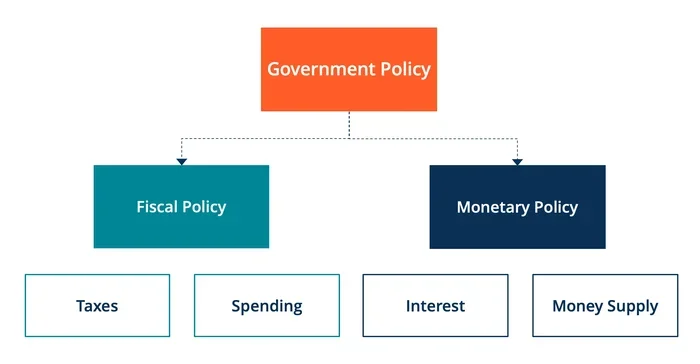
Fiscal policy refers to the way a government uses its budget to influence the economy. It is different from monetary policy, which is managed by central banks. Fiscal policy is controlled by elected officials — like Congress or Parliament. They decide how much the government should spend and how much it should collect in taxes.
The main goal of fiscal policy is to promote economic stability. This means keeping unemployment low, prices steady, and growth consistent. When the economy is struggling, policymakers may use an expansionary fiscal policy. This means they spend more or cut taxes to put money back into people’s pockets. When the economy is growing too fast and prices are rising too quickly, they may use a contractionary fiscal policy. This means they spend less or raise taxes to cool things down.
The two tools of fiscal policy work together like a team. Government spending puts money directly into the economy. Taxation takes money out. By balancing these two forces, governments try to steer the economy in the right direction. The fiscal multiplier concept explains how one dollar of government spending can create more than a dollar of economic activity over time.
Tool 1: Government Spending
The first and most visible tool of fiscal policy is government spending. This includes everything the government buys, pays for, or invests in. It covers a wide range of activities that directly affect the economy.
What Counts as Government Spending?
Government spending falls into two main categories. The first is discretionary spending. This is money that Congress or Parliament must approve each year through the budget process. It includes things like:
- Defense and military operations
- Infrastructure projects like roads, bridges, and airports
- Education funding for schools and universities
- Healthcare programs like Medicare and Medicaid
- Scientific research and development
The second category is mandatory spending. This includes programs that continue automatically based on existing laws. Social Security, unemployment benefits, and food assistance programs fall into this group. These act as automatic stabilizers because they expand during recessions and contract during booms without any new legislation.
How Government Spending Stimulates the Economy
When the government spends money, it creates a ripple effect. Let us say the government builds a new highway. Construction companies get paid. Those companies hire workers. Workers spend their paychecks at local stores. Store owners then hire more employees and pay suppliers. This chain reaction is called the fiscal multiplier effect.
Government spending also includes transfer payments. These are payments to individuals without receiving goods or services in return. Examples include Social Security checks, unemployment insurance, and welfare benefits. While transfer payments do not buy goods directly, they put money into the hands of people who are likely to spend it quickly. This boosts consumer spending and supports aggregate demand.
During tough economic times, increased government spending can be a lifeline. When consumer spending drops and businesses cut back, government spending fills the gap. It keeps money circulating and prevents the economy from spiraling further downward.
When Government Spending Slows the Economy
Government spending does not always stimulate growth. Sometimes, it can slow things down. When the economy is already growing too fast, extra spending can fuel inflation. Prices rise because there is too much money chasing too few goods. This is why policymakers must carefully time their spending decisions.
Another concern is the budget deficit. When the government spends more than it collects in taxes, it runs a deficit. Over time, large deficits add up to a growing national debt. High debt levels can crowd out private investment and raise borrowing costs for everyone. This is a key limitation of using government spending as a fiscal tool.
Tool 2: Taxation
The second tool of fiscal policy is taxation. While government spending puts money into the economy, taxation takes money out. But the way taxes are adjusted can have powerful effects on economic behavior.
How Taxes Influence Economic Activity
Taxes affect the economy in several ways. When the government raises taxes, people and businesses have less disposable income. They spend less, save less, and invest less. This reduces aggregate demand and can slow down an overheating economy. When the government cuts taxes, people have more money to spend and invest. This boosts aggregate demand and can help pull the economy out of a recession.
Different types of taxes have different effects. Income taxes affect how much workers take home. Corporate taxes influence business investment decisions. Sales taxes change the price of goods and services. Policymakers choose which taxes to adjust based on the economic goal they want to achieve.
Tax Cuts as an Economic Stimulus
Tax cuts are one of the most popular fiscal policy tools during recessions. When governments lower taxes, households have more money in their wallets. They tend to spend a portion of that extra income right away. This immediate boost in consumer spending helps businesses recover. Companies see higher sales and may hire more workers.
Tax cuts for businesses can also encourage investment. Lower corporate tax rates mean companies keep more of their profits. They may use that extra money to build new factories, buy equipment, or hire additional staff. This creates jobs and increases economic growth over time.
However, tax cuts are not a magic solution. They reduce government revenue, which can widen the budget deficit. If the economy does not respond strongly enough, the tax cuts may not pay for themselves. This is a common debate in public finance circles.
Tax Increases to Cool the Economy
On the other side of the coin, raising taxes can help control inflation. When prices are rising too fast, reducing disposable income through higher taxes takes some money out of circulation. Consumers spend less, demand cools, and price increases slow down.
Tax increases can also be used to reduce government debt. By collecting more revenue, the government can pay down deficits and borrow less. This improves long-term public finance health and builds confidence among investors.
Expansionary vs. Contractionary Fiscal Policy
The two tools of fiscal policy — spending and taxation — combine to create two main approaches. Understanding the difference between these approaches helps explain why governments make the policy choices they do.
Expansionary Fiscal Policy
Expansionary fiscal policy is used when the economy is weak. The goal is to boost economic growth and reduce unemployment. Governments use two main strategies:
- They increase government spending on public projects and programs.
- They cut taxes to leave more money in the hands of consumers and businesses.
Both strategies put more money into the economy. This increases aggregate demand and encourages businesses to produce more. During the 2008 financial crisis, many governments around the world used expansionary fiscal policy. They passed stimulus packages that included spending increases and tax relief.
The fiscal multiplier is especially powerful during recessions. When people are out of work and spending is low, each dollar of government spending generates a larger boost to overall economic activity. This is because the money flows quickly through the economy as people spend their paychecks and benefits.
Contractionary Fiscal Policy
Contractionary fiscal policy does the opposite. It is used when the economy is growing too fast and inflation is rising. The goal is to slow things down and bring prices under control. Governments use two main strategies:
- They reduce government spending or cut back on new projects.
- They raise taxes to reduce disposable income and consumer spending.
By pulling money out of the economy, contractionary policy reduces aggregate demand. Businesses produce less, hiring slows, and price increases moderate. This approach is less common than expansionary policy because politicians are often reluctant to raise taxes or cut spending.
Real-World Examples of Fiscal Policy in Action
The two tools of fiscal policy have shaped economies throughout history. Looking at real examples helps bring the theory to life and shows how these tools work in practice.
The 2009 American Recovery and Reinvestment Act
During the Great Recession of 2008-2009, the U.S. government passed a massive stimulus package. It included both increased government spending and tax cuts. The law funded infrastructure projects, extended unemployment benefits, and provided tax rebates to millions of households. This expansionary fiscal policy helped stop the economic freefall and gradually boosted recovery. The fiscal multiplier effect amplified the impact of these spending decisions.
The COVID-19 Fiscal Response
The COVID-19 pandemic in 2020 created an economic emergency unlike anything in modern history. Governments worldwide used both tools aggressively. They increased government spending on healthcare, small business loans, and direct stimulus payments. They also enacted temporary tax relief measures. These actions helped prevent a deeper economic collapse and supported consumer spending during lockdowns.
The 1980s Tax Reforms in the United States
In the early 1980s, the U.S. government significantly cut income tax rates. This was an attempt to stimulate economic growth through expansionary fiscal policy. The tax cuts put more money in the pockets of businesses and high-income earners. The results were mixed. While the economy did grow, the budget deficit also grew substantially. This example shows both the power and the limitations of taxation as a fiscal tool.
Limitations and Challenges of Fiscal Policy
The two tools of fiscal policy are powerful, but they are not perfect. Several challenges can limit their effectiveness and create unintended consequences.
Political Delays
Fiscal policy requires action from elected officials. This means it often moves slowly. By the time a spending bill or tax change passes through the legislature, the economic conditions that triggered it may have changed. These time lags can make fiscal policy less effective or even counterproductive.
Budget Deficits and Debt
Using fiscal policy often means running a budget deficit. Governments borrow money to fund spending that exceeds their tax revenue. Over time, this adds to the national debt. High debt levels can create long-term problems. They may lead to higher interest rates, reduced investor confidence, and less flexibility for future policy decisions.
Crowding Out Effect
When the government borrows heavily to fund spending, it competes with businesses and consumers for available funds. This can push up interest rates and reduce private investment. Economists call this the crowding out effect. It means that government spending does not always create a net boost to the economy.
Supply-Side Constraints
Fiscal policy works best when there is unused capacity in the economy. If the economy is already at full employment, additional government spending may simply push prices higher rather than increase output. This is why the economic conditions at the time of policy implementation matter so much.
How Fiscal Policy Connects to Other Economic Tools
Fiscal policy does not work in a vacuum. It interacts with other economic tools and systems. Understanding these connections gives a fuller picture of how economies are managed.
Monetary policy is the other major approach to economic management. While fiscal policy is controlled by the government, monetary policy is managed by central banks like the Federal Reserve. Central banks use interest rates and money supply to influence the economy. The two policies often work together. For example, during a recession, the government might use expansionary fiscal policy while the central bank lowers interest rates. This coordinated approach can be very effective.
Tools like process workflow tools and building maintenance tools may not seem related to fiscal policy at first glance, but efficient government operations rely on well-organized systems. Managing budgets, tracking expenditures, and coordinating policy implementation all benefit from structured workflows and reliable tools. Just as organizations use capacity planning tools Excel to allocate resources wisely, governments must carefully plan how they deploy fiscal tools to maximize impact.
Key Takeaways
- Government Spending: The government uses direct purchases and transfer payments to boost economic activity during downturns.
- Taxation: Adjusting tax rates influences how much money consumers and businesses have to spend and invest.
- Expansionary Policy: Increasing spending or cutting taxes to stimulate a sluggish economy.
- Contractionary Policy: Reducing spending or raising taxes to cool down an overheating economy.
- Automatic Stabilizers: Certain fiscal mechanisms like unemployment benefits work without new legislation.
- Real-World Impact: Fiscal policy directly affects employment, inflation, and consumer confidence.
- Limitations Exist: Political delays, budget deficits, and supply-side constraints can limit effectiveness.
Conclusion
The two tools of fiscal policy — government spending and taxation — give governments the power to shape economic outcomes. These tools are not just abstract concepts. They directly affect your job, your income, your prices, and your future. When used wisely, they can pull economies out of recessions, control harmful inflation, and promote long-term growth.
No tool is perfect. Government spending can create deficits. Tax changes can have unintended side effects. But together, these two tools form the backbone of economic policy around the world. Understanding how they work empowers you to follow economic news more closely and make better personal financial decisions.
The next time you hear about a new stimulus package or a tax reform bill, you will know exactly what is happening. You will understand the goals behind the policy and the likely effects on the economy. That knowledge is valuable. It helps you stay informed and prepared for whatever economic changes come next.
Fiscal policy is ultimately about choices. Every dollar the government spends or collects in taxes represents a choice about priorities. Understanding these choices is the first step toward being an informed and engaged citizen in any economy.
Frequently Asked Questions
What are the two main tools of fiscal policy?
The two main tools are government spending and taxation. Government spending puts money into the economy through public projects and transfer payments. Taxation controls how much money flows out of the economy by adjusting tax rates.
How does government spending stimulate the economy?
Government spending creates a ripple effect known as the fiscal multiplier. When the government funds projects or pays for programs, it puts money into the hands of workers and businesses. Those recipients then spend that money, which boosts consumer spending and aggregate demand throughout the economy.
What is the difference between expansionary and contractionary fiscal policy?
Expansionary fiscal policy is used during economic downturns. It involves increasing government spending or cutting taxes to boost growth. Contractionary fiscal policy is used when the economy is overheating. It involves reducing spending or raising taxes to slow down inflation.
Can fiscal policy really fix a recession?
Fiscal policy can be very effective during recessions, but it is not a magic fix. The timing of policy implementation matters a lot. Political delays can reduce effectiveness. Also, large deficits and rising debt can create long-term challenges that offset short-term benefits.
Why do budget deficits matter in fiscal policy?
Budget deficits occur when government spending exceeds tax revenue. While deficits can be useful during recessions to stimulate the economy, persistent deficits add to national debt. High debt levels can lead to higher interest rates, reduced investment, and less flexibility for future policy decisions.
How does taxation affect consumer behavior?
Taxes directly affect how much money people have available to spend. When taxes go up, disposable income drops and consumer spending usually falls. When taxes go down, people have more money to spend and invest, which generally boosts economic activity.