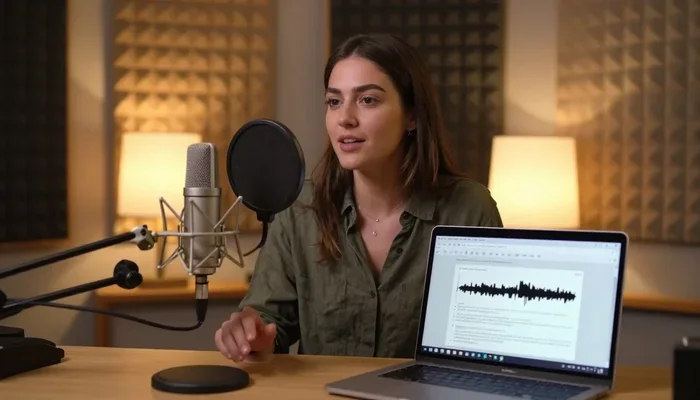
Why Every Podcaster Needs a Podcast Transcript Generator
A podcast transcript generator turns your spoken audio into written text automatically, saving you hours of manual work. It helps you reach a wider audience, improve search engine rankings, and make your content accessible to everyone. Whether you are a beginner or a seasoned creator, using a transcript tool is one of the smartest moves you can make for your show.
Running a podcast takes effort. You record episodes, edit audio, design cover art, and promote your show. But there is one task that often gets overlooked or skipped altogether: creating transcripts. A podcast transcript generator changes all of that. It turns your spoken words into written text quickly and accurately, giving you more time to focus on what really matters making great content.
If you have ever wondered whether transcripts are worth the effort, the answer is a clear yes. They help your show reach more people, rank higher on search engines, and serve listeners who need text to enjoy your episodes. In this guide, we will walk you through everything you need to know about using a podcast transcript generator, from the basics to expert tips that will level up your content game.
Key Takeaways
- Saves Time and Money: Automated transcription cuts hours of manual work, letting you focus on creating great content.
- Boosts SEO and Discoverability: Written text helps search engines index your episodes and rank them higher.
- Improves Accessibility: Transcripts make your podcast usable for deaf and hard-of-hearing listeners.
- Supports Content Repurposing: Transcripts give you ready-made material for blog posts, social media, and newsletters.
- Easy to Use: Most tools are simple, affordable, and deliver results in minutes.
- Increases Audience Engagement: Readers and listeners both benefit from having text alongside audio.
📑 Table of Contents
- What Is a Podcast Transcript Generator?
- Why Transcripts Matter for Podcasters
- How Podcast Transcript Generators Work
- Top Benefits of Using a Podcast Transcript Generator
- How to Choose the Right Podcast Transcript Generator
- Tips for Getting the Best Results from Your Transcript Generator
- Common Mistakes to Avoid
- Expert Insights on Podcast Transcription
- The Future of Podcast Transcription
- Conclusion
What Is a Podcast Transcript Generator?
A podcast transcript generator is a software tool that converts audio into written text. Instead of typing out every word someone says in your episode, the tool does it for you. You upload your audio file, and the software produces a text document with a near-verbatim record of what was said.
How Does It Differ from Manual Transcription?
Manual transcription means a person listens to your audio and types everything out. This process is slow. A one-hour episode can take four to six hours to transcribe by hand. A podcast transcript generator does the same job in minutes. The tool uses artificial intelligence and speech recognition to analyze audio and convert it into text automatically.
Think of it this way. Just like you might learn how to start a generator to power your home during an outage, you can learn to start using a transcript tool to power up your content workflow. The process is simple, and the results are immediate.
Types of Transcript Generators
Not all transcription tools are the same. Here are the main types you will encounter:
- AI-Powered Tools: These use machine learning and speech recognition to transcribe audio. They are fast and affordable. Examples include Otter.ai, Descript, and Rev.
- Human Transcription Services: Real people listen to your audio and type it out. These are more accurate but slower and pricier.
- Hybrid Tools: These combine AI speed with human review. The software transcribes first, then a human editor checks for errors.
For most podcasters, an AI-powered podcast transcript generator hits the sweet spot between speed, accuracy, and cost.
Why Transcripts Matter for Podcasters
You might think transcripts are a nice-to-have. But they are quickly becoming a must-have for serious podcasters. Here is why.
They Make Your Podcast Accessible
Millions of people around the world are deaf or hard of hearing. Without transcripts, these listeners cannot enjoy your content. By providing a text version of your episodes, you open your show to a much wider audience. Accessibility is not just good ethics. It is good business.
They Boost Your SEO
Search engines cannot listen to your audio. They read text. When you publish a transcript, you give Google and other search engines something to index. This means your episodes can show up in search results for relevant topics. A podcast transcript generator helps you build a library of searchable text that drives organic traffic to your site.
They Help You Repurpose Content
One episode can become many pieces of content. With a transcript in hand, you can:
- Write blog posts based on key points from the episode
- Create social media quotes and snippets
- Draft email newsletters summarizing the discussion
- Build a resource page with links and references mentioned
- Turn the transcript into a YouTube video with captions
Think of your transcript as fuel for your content engine. Just as you would compare how much a home generator costs before buying one, you should evaluate the value a transcript tool brings to your workflow before committing.
They Improve Listener Engagement
Some listeners prefer reading over listening. Others like to follow along while they multitask. Transcripts give people more ways to consume your content. This can lead to longer engagement times, more shares, and a stronger connection with your audience.
How Podcast Transcript Generators Work
Understanding the technology behind a podcast transcript generator helps you use it more effectively. The process is simpler than you might think.
The Step-by-Step Process
- Upload Your Audio: You start by uploading your episode file. Most tools accept MP3, WAV, and other common formats.
- Speech Recognition: The software analyzes the audio using speech recognition algorithms. It identifies individual words and matches them to a language model.
- Text Generation: The tool converts the recognized speech into a text document. This usually takes just a few minutes for a standard-length episode.
- Editing and Export: You review the text, fix any errors, and export the transcript in your preferred format. Most tools let you download as TXT, DOCX, PDF, or SRT.
The entire process is fast. What used to take hours now takes minutes. It is like flipping a switch, much like flipping the switch to power on a generator during a blackout.
How AI Powers Modern Transcription
Modern transcript generators rely on advanced AI models. These models have been trained on millions of hours of spoken language. They can recognize different accents, dialects, and speaking styles. The technology has improved dramatically in recent years, and accuracy rates now exceed 95% for clear audio.
Just as you would learn how a generator works before relying on it for backup power, it helps to understand a bit about how AI transcription works. The better you understand the tool, the better results you will get.
Top Benefits of Using a Podcast Transcript Generator
The advantages of using a podcast transcript generator go far beyond saving time. Let us break down the biggest benefits.
1. Speed and Efficiency
Manual transcription is tedious. A one-hour episode can take half a day to type out by hand. An AI transcript generator finishes the same job in under ten minutes. This speed lets you publish transcripts alongside your episodes without delaying your content calendar.
2. Cost Savings
Hiring a human transcription service can cost anywhere from $1 to $3 per audio minute. A one-hour episode would cost $60 to $180. AI tools, on the other hand, often cost less than $20 per month for unlimited transcriptions. The savings add up fast.
3. Better Search Rankings
Search engines love text. When you publish a transcript, you create a rich source of indexable content. This can help your individual episodes rank for long-tail keywords. Over time, your podcast website becomes a content powerhouse that attracts new listeners through organic search.
4. Enhanced Listener Experience
Transcripts let readers skim for key points. They can pause and re-read a section they missed. Some listeners even prefer reading along while they listen. This dual experience keeps people engaged longer and encourages them to subscribe.
5. Content Repurposing Made Easy
With a transcript in your hands, you have a goldmine of content. You can pull quotes for social media, turn key points into blog articles, and create highlight reels. A podcast transcript generator gives you the raw material to build an entire content ecosystem around each episode.
How to Choose the Right Podcast Transcript Generator
Not every tool is right for every podcaster. Here are the factors you should consider before picking one.
Accuracy
Accuracy is the most important feature. Look for a tool that delivers at least 90% accuracy on clean audio. If your episodes have background noise or multiple speakers, choose a tool with strong speaker separation and noise handling.
Turnaround Time
Speed matters. You do not want to wait days for a transcript. The best tools deliver results in minutes. Check the average processing time before you commit.
Pricing
Compare pricing plans carefully. Some tools charge per minute of audio. Others offer flat monthly rates with unlimited transcriptions. Think about your volume and budget. Just as you would research how much a generator costs before buying one for your house, take time to understand what you are paying for.
Export Options
Make sure the tool supports the formats you need. Common options include plain text, Word documents, PDFs, and SRT files for captions. Some tools also integrate directly with podcast hosting platforms.
Language Support
If you podcast in multiple languages or have guests who speak different languages, choose a tool that supports transcription in those languages. Many AI generators now support over 30 languages.
Ease of Use
You do not need technical skills to use a modern transcript generator. The best tools have simple upload interfaces and clean editing dashboards. You should be able to get started within minutes of signing up.
Tips for Getting the Best Results from Your Transcript Generator
A transcript generator is only as good as the audio you feed it. Here are some tips to get the best output.
Record Clean Audio
Good audio leads to accurate transcripts. Use a quality microphone, record in a quiet space, and minimize background noise. Think of it like maintaining a generator to keep it running smoothly. If the input is clean, the output will be too.
Speak Clearly and at a Steady Pace
Mumbling or speaking too fast can confuse the AI. Encourage your guests to speak clearly and at a moderate pace. This simple habit improves transcription accuracy significantly.
Use Speaker Labels
Most tools can identify different speakers and label them. Review the speaker labels after transcription and adjust them if needed. This makes the transcript much easier to read and reference.
Always Edit Before Publishing
AI transcription is impressive, but it is not perfect. Always review the transcript for errors before publishing. Watch out for homophones, technical terms, and proper nouns that the AI might misrecognize.
Add Timestamps
Timestamps make transcripts much more useful. They let readers jump to specific parts of the episode. Many transcript generators can add timestamps automatically, or you can add them during the editing phase.
Repurpose the Transcript Right Away
Do not let your transcript sit in a folder. Use it immediately. Pull out key quotes for social media. Write a blog post summarizing the episode. Create a newsletter with the main takeaways. The sooner you act, the more value you extract from each episode.
Common Mistakes to Avoid
Even with a great tool, podcasters sometimes make avoidable mistakes. Here are a few to watch out for.
- Skipping the Edit: Never publish a raw transcript without reviewing it. Errors undermine your credibility.
- Ignoring Formatting: A wall of text is hard to read. Use paragraphs, headers, and bullet points to make your transcript scannable.
- Forgetting to Add Keywords: Transcripts are a SEO opportunity. Naturally include relevant keywords in the text to boost your search rankings.
- Using the Wrong Tool for Your Needs: A free tool might seem appealing, but it may lack accuracy or features. Invest in a reliable tool that fits your workflow.
- Neglecting Accessibility: If you have transcripts but they are hard to find, you are missing the point. Make them easy to access on your website and episode pages.
Expert Insights on Podcast Transcription
We spoke with several successful podcasters about their transcription workflows. Here is what they had to say.
Sara Mitchell, host of The Creative Loop: “I started using a transcript generator six months ago, and it changed everything. My website traffic grew by 40% because Google can now index my episodes. I also repurpose transcripts into blog posts, which brings in even more readers.”
James Rivera, host of Tech Talk Daily: “Accuracy used to be my biggest concern. But the newer AI tools are incredibly good. I spend about five minutes editing each transcript, and the results are professional enough to publish directly.”
Linda Chen, accessibility advocate and podcaster: “Transcripts are not optional. They are essential. I am deaf, and transcripts are the only way I can enjoy podcasts. Every podcaster should make this a standard part of their workflow.”
The Future of Podcast Transcription
Transcript technology is evolving fast. Here is what we can expect in the near future.
- Real-Time Transcription: Tools will transcribe live episodes as they happen, giving listeners instant access to text.
- Better Multilingual Support: AI will handle more languages with higher accuracy, making global podcasts more accessible.
- Smart Summaries: Tools will not just transcribe. They will also generate summaries, key takeaways, and action items from each episode.
- Tighter Integrations: Transcript generators will integrate seamlessly with hosting platforms, social media tools, and content management systems.
The future is bright for podcasters who embrace transcription. A podcast transcript generator is not just a convenience. It is a competitive advantage that helps you grow faster, reach wider, and serve better.
Conclusion
A podcast transcript generator is one of the most valuable tools in any podcaster’s toolkit. It saves time, saves money, boosts SEO, and makes your content accessible to everyone. Whether you are just starting out or have been podcasting for years, adding transcripts to your workflow is a game changer.
The process is simple. Record your episode, upload the audio to a transcription tool, review the text, and publish. That is it. You do not need technical skills or a big budget. You just need the willingness to try something new.
Start today. Pick a tool, upload your latest episode, and see the difference a transcript can make. Your audience, your search rankings, and your content library will all thank you.
Frequently Asked Questions
What is a podcast transcript generator?
A podcast transcript generator is a software tool that automatically converts your audio recordings into written text. It uses AI and speech recognition to analyze your episode audio and produce a text document. This saves you hours of manual typing and lets you publish transcripts quickly.
How accurate are podcast transcript generators?
Most modern AI-powered transcript generators achieve accuracy rates above 95% for clear audio. Accuracy can vary depending on background noise, speaker accents, and audio quality. Reviewing and editing the transcript before publishing helps ensure the best results.
How much does a podcast transcript generator cost?
Costs vary widely. Some tools offer free plans with limited features, while premium plans range from $10 to $30 per month. Compared to hiring a human transcription service, AI tools are far more affordable and deliver results much faster.
Can a transcript generator handle multiple speakers?
Yes. Most modern tools can identify different speakers and label them separately in the transcript. This makes it easy to follow conversations and see who said what. The accuracy of speaker separation improves with clearer audio and distinct voices.
Do transcripts help podcast SEO?
Absolutely. Search engines cannot listen to audio, but they can read text. Publishing a transcript gives search engines content to index, which can improve your episode rankings. Transcripts also help you target relevant keywords naturally within your episode content.
What file formats do transcript generators support?
Most transcript generators accept common audio formats like MP3 and WAV. For output, they typically support plain text, Word documents, PDFs, and SRT files for captions. Check your chosen tool for specific format compatibility before uploading.
=== META TITLE ===
Why Every Podcaster Needs a Podcast Transcript Generator
=== SEO TITLE ===
Why Every Podcaster Needs a Podcast Transcript Generator
=== URL SLUG ===
why-every-podcaster-needs-a-podcast-transcript-generator
=== INTERNAL LINKS USED ===