How Does a Solar Power Generator Work and Why It Matters
A solar power generator captures sunlight and turns it into usable electricity through photovoltaic cells, an inverter, and battery storage. It offers a clean, renewable energy source that saves money and reduces your reliance on the grid. Whether you need backup power at home or a portable option for outdoor trips, understanding how a solar power generator works helps you make smarter energy decisions.
Have you ever wondered how a solar power generator actually works? It might seem like magic. You set up a panel, point it at the sun, and suddenly your devices are charging. But there is a fascinating process happening behind the scenes that turns raw sunlight into the electricity you can use every day.
A solar power generator is more than just a panel on your roof. It is a complete solar power system made up of several key parts that work together. Each component plays a specific role in capturing, converting, and storing solar energy. Understanding this process helps you appreciate why renewable energy from the sun is such a game-changer for homeowners, travelers, and anyone looking to cut ties with traditional power sources.
In this guide, we will walk you through exactly how a solar power generator works, step by step. We will look at the components inside the unit, explore the different types available, and share practical tips to help you get the most out of your system. Whether you are considering a portable generator for camping or a full grid-tied system for your home, this article has you covered.
Key Takeaways
- Solar panels convert sunlight into DC electricity using photovoltaic cells. This is the first and most important step in how a solar power generator works.
- A solar inverter changes DC power into AC power so your home appliances and devices can use it safely.
- Battery storage lets you save excess energy for use at night or during cloudy days, making your solar power system more reliable.
- There are portable and stationary solar power generators designed for different needs, from camping trips to whole-home backup.
- Solar power generators reduce electricity bills and lower your carbon footprint, making them a smart long-term investment.
- Choosing the right solar capacity depends on your energy needs, budget, and how much sunlight your location receives.
📑 Table of Contents
- What Is a Solar Power Generator?
- How a Solar Power Generator Works Step by Step
- The Key Components Inside a Solar Power Generator
- Types of Solar Power Generators You Can Choose From
- Benefits of Using a Solar Power Generator
- How to Choose the Right Solar Power Generator for Your Needs
- Common Mistakes People Make with Solar Power Generators
- Expert Tips for Getting the Most from Your Solar Power Generator
- Conclusion
What Is a Solar Power Generator?
A solar power generator is a device that uses sunlight to produce electricity. Unlike a gas-powered generator that burns fuel, a solar power generator relies on clean energy from the sun. This makes it an environmentally friendly alternative that produces no harmful emissions while it operates.
The basic idea is simple. Sunlight absorption happens when the panels collect photons from the sun. These photons knock electrons loose in the panel’s material, creating a flow of electricity. That electricity then goes through a series of steps before it is ready to power your home or charge your devices.
Solar technology has come a long way in the last decade. Today’s panels are more efficient, lighter, and more affordable than ever before. A modern solar power generator can power everything from a single light bulb to an entire household, depending on the solar capacity and setup you choose.
Why Solar Power Matters Now More Than Ever
The world is shifting toward green energy, and for good reason. Fossil fuels are finite, and their use contributes to climate change. A solar power generator gives you a way to produce your own electricity without harming the planet. It also protects you from rising energy costs and unexpected power outages.
Many homeowners are now installing solar power systems to reduce their dependence on the grid. Others use off-grid power solutions in remote areas where connecting to the electrical grid is not practical. No matter your situation, a solar power generator offers flexibility, independence, and peace of mind.
How a Solar Power Generator Works Step by Step
Understanding the step-by-step process of how a solar power generator converts sunlight into usable electricity makes the technology much less mysterious. Let us walk through each stage of the energy conversion process.
Step One: Sunlight Hits the Solar Panels
The process begins when solar panels absorb sunlight. Each panel is made up of many smaller units called photovoltaic cells. These cells are typically made from silicon, a material that reacts when exposed to light.
When sunlight strikes the photovoltaic cells, it energizes the electrons in the silicon. This creates an electrical current known as direct current, or DC. The stronger the sunlight, the more electricity the panels produce. This is why solar capacity and panel placement matter so much for your power output.
Step Two: The Solar Inverter Converts DC to AC
Most home appliances run on alternating current, or AC, not DC. This is where the solar inverter comes in. The inverter takes the DC electricity produced by the panels and converts it into AC electricity that your devices can safely use.
Think of the inverter as the translator of your solar power system. Without it, the electricity generated by the panels would not be compatible with most of your household electronics. Modern inverters are highly efficient and can handle the conversion with minimal energy loss.
Step Three: Electricity Powers Your Home or Devices
Once the electricity is converted to AC, it flows through your electrical panel and powers your home. Lights turn on. Your refrigerator runs. Your phone charges. All of this happens seamlessly when your solar power generator is connected properly.
If your solar power system produces more electricity than you need at that moment, the extra energy has somewhere to go. This is where battery storage comes into play, which we will cover in the next step.
Step Four: Excess Energy Gets Stored in Batteries
Not all of the electricity your panels produce is used right away. A solar battery stores the surplus energy for later use. This is especially important at night or on cloudy days when your panels are not generating much power.
Battery storage is what makes a solar power generator truly reliable. With a good battery system, you can keep your lights on and your devices charged even when the sun is not shining. Some advanced systems also allow you to sell excess energy back to the grid, which can earn you credits on your electricity bill.
Step Five: The System Monitors and Optimizes Performance
Many modern solar power generators come with smart monitoring systems. These tools track your energy conversion efficiency, power output, and battery levels in real time. You can check this data from your phone or computer.
The monitoring system helps you understand how much solar energy your panels are capturing and how much you are using. This information lets you adjust your habits or your system setup to get the best possible results from your solar power generator.
The Key Components Inside a Solar Power Generator
Now that you understand the steps involved, let us take a closer look at the individual components that make a solar power generator work. Each part plays a vital role in the overall process.
Solar Panels (Photovoltaic Modules)
The solar panels are the most visible part of any solar power system. They are responsible for capturing sunlight and converting it into electrical energy. Panels come in different sizes and efficiencies, and the number you need depends on your solar capacity goals.
Most residential panels have a solar wattage rating between 300 and 400 watts. Higher wattage panels produce more electricity per square foot, which is great if you have limited roof space. For portable solar power generators, smaller panels with lower wattage are common and still effective for charging devices and running small appliances.
Charge Controller
A charge controller regulates the flow of electricity from the panels to the battery. It prevents overcharging, which can damage your solar battery and shorten its lifespan. Think of it as a traffic cop that directs electricity where it needs to go.
There are two main types of charge controllers: PWM (Pulse Width Modulation) and MPPT (Maximum Power Point Tracking). MPPT controllers are more efficient and can squeeze more power output from your panels, especially in variable light conditions.
Solar Inverter
As we discussed earlier, the solar inverter converts DC electricity into AC electricity. Without this component, your solar power generator would not be able to power most household devices. Inverters come in different sizes and types, including string inverters, microinverters, and hybrid inverters.
Your choice of inverter affects how efficiently your solar power system operates. A high-quality inverter ensures that minimal energy is lost during the conversion process, maximizing the energy conversion rate of your entire setup.
Battery Bank
The solar battery bank stores excess electricity for later use. Common battery types used in solar power generators include lithium-ion, lead-acid, and saltwater batteries. Lithium-ion batteries are the most popular because they are lightweight, long-lasting, and have a high solar capacity for their size.
The size of your battery bank determines how long you can run your appliances when the sun is not shining. For off-grid power setups, a larger battery bank is essential. For grid-tied systems, batteries are optional but increasingly popular as backup during outages.
Mounting Hardware and Wiring
It is easy to overlook the importance of proper mounting and wiring, but these components are critical. Sturdy mounting hardware keeps your panels secure and angled toward the sun for optimal sunlight absorption. Quality wiring ensures that electricity flows safely and efficiently from the panels to the inverter and batteries.
Using the right gauge wire and weatherproof connections prevents energy loss and protects your solar power generator from damage. Always follow the manufacturer’s guidelines or consult a professional installer for the best results.
Types of Solar Power Generators You Can Choose From
Not all solar power generators are the same. Different types serve different purposes, and choosing the right one depends on your energy needs, budget, and lifestyle. Here is a closer look at the most common options.
Portable Solar Generators
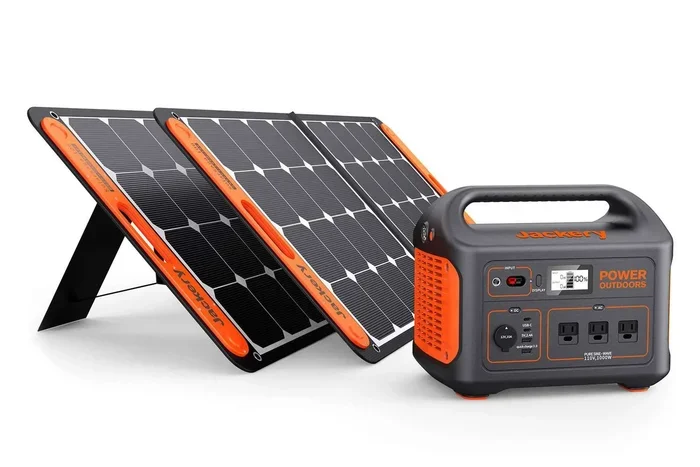
A portable generator is perfect for camping trips, outdoor events, and emergency backup. These units are lightweight and compact, often featuring foldable solar panels and a built-in battery. You can carry them in a backpack or store them in your car trunk.
Portable solar power generators typically have a smaller solar capacity than stationary systems. They are ideal for charging phones, laptops, lights, and small appliances. Many models also include USB ports and AC outlets for versatile use.
Stationary Home Solar Generators
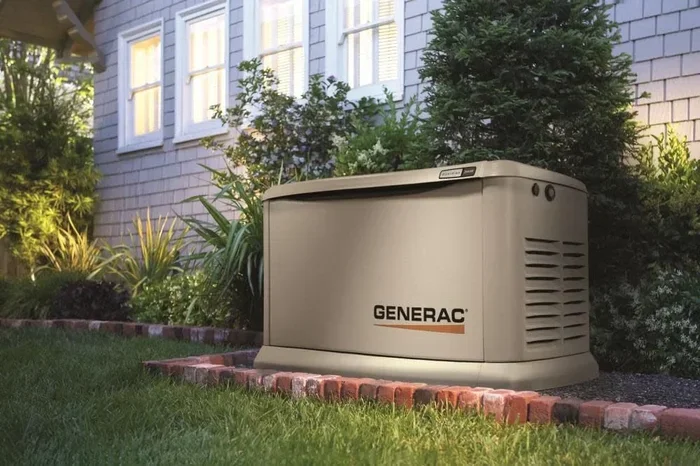
Stationary solar power systems are designed for permanent installation on your property. They usually include larger solar panels, a more powerful solar inverter, and a bigger battery bank. These systems can generate enough electricity to power your entire home.
Home solar power generators can be installed as grid-tied systems, which connect to the local power grid, or as off-grid power setups that operate independently. Grid-tied systems often allow you to sell excess electricity back to the utility company, which can offset your costs significantly.
Hybrid Solar Generators
A hybrid solar power generator combines the best of both worlds. It can operate both on and off the grid, giving you maximum flexibility. During the day, your panels power your home and charge the batteries. At night or during outages, the system switches seamlessly to stored solar energy.
Hybrid systems are becoming increasingly popular among homeowners who want backup power without fully disconnecting from the grid. They offer reliability, energy independence, and the potential for significant long-term savings on electricity bills.
Comparison Table: Portable vs. Stationary vs. Hybrid
| Feature | Portable | Stationary | Hybrid |
|---|---|---|---|
| Portability | Highly portable | Fixed installation | Fixed installation |
| Power Output | Low to medium | High | High |
| Battery Storage | Small | Medium to large | Large |
| Grid Connection | No | Optional | Yes |
| Best For | Camping, emergencies | Whole-home power | Backup + daily use |
| Cost Range | $200 – $2,000 | $5,000 – $25,000 | $8,000 – $30,000 |
Benefits of Using a Solar Power Generator
Switching to a solar power generator offers a wide range of benefits that go beyond just saving money on your electricity bill. Let us explore why so many people are making the switch to renewable energy.
Lower Electricity Bills
One of the most immediate benefits of a solar power system is the reduction in electricity costs. Once your panels are installed, the energy they produce is essentially free. Over time, the savings can be substantial, often paying for the entire system within five to ten years.
With battery storage, you can use your stored solar energy during peak hours when electricity rates are highest. This strategy, known as load shifting, can maximize your savings even further.
Environmental Benefits
A solar power generator produces clean energy without burning fossil fuels. This means no greenhouse gas emissions, no air pollution, and no contribution to climate change. Every kilowatt-hour of solar energy you generate is one less kilowatt-hour that comes from a coal or gas plant.
Switching to green energy is one of the most impactful things you can do as a homeowner. It reduces your carbon footprint and helps build a more sustainable future for the next generation.
Energy Independence
When you generate your own electricity, you are less dependent on the power grid and less vulnerable to rising energy prices. A solar power generator gives you a sense of control over your energy future.
This is especially valuable in areas prone to power outages or in regions where electricity costs are high. With a properly sized solar power system and adequate battery storage, you can keep your home running even when the grid goes down.
Low Maintenance Costs
Solar technology is remarkably durable. Most solar panels come with warranties of 25 years or more and require very little maintenance. Occasional cleaning and periodic inspections are usually all that is needed to keep your system running efficiently.
The solar inverter may need replacement after 10 to 15 years, but this is a relatively minor cost compared to the long-term savings. Overall, a solar power generator is a low-maintenance investment that pays for itself over time.
How to Choose the Right Solar Power Generator for Your Needs
Not every solar power generator is the right fit for every situation. Choosing the right one requires a clear understanding of your energy needs, your budget, and your goals. Here is a practical guide to help you decide.
Assess Your Energy Needs
Start by calculating how much electricity you use on a typical day. Look at your monthly utility bills to find your average power output in kilowatt-hours. This number will help you determine the solar capacity you need from your solar power system.
For a small portable unit, you may only need enough solar wattage to charge phones and run a few lights. For a whole-home system, you will need a much larger setup with multiple panels, a powerful solar inverter, and a substantial battery bank.
Consider Your Location
The amount of sunlight your location receives directly impacts how well your solar power generator will perform. Areas with more sunny days per year will produce more solar energy than areas with frequent cloud cover.
However, even in less sunny regions, a solar power system can still be effective. Modern solar panels are designed to capture diffuse light, meaning they can still generate electricity on cloudy days. Proper panel placement and angle optimization help maximize sunlight absorption regardless of your location.
Set a Realistic Budget
Solar power generators come in a wide range of prices. Portable units can cost as little as a few hundred dollars, while full home systems can run into the tens of thousands. Set a budget that reflects your needs and explore financing options if upfront costs are a concern.
Many governments and utilities offer tax credits, rebates, and incentives for installing solar power systems. These programs can significantly reduce the cost and make renewable energy more accessible to homeowners on a budget.
Check the Warranty and Support
Since a solar power generator is a long-term investment, warranty coverage matters. Look for panels with at least a 25-year warranty and inverters with a 10-year warranty or more. Good customer support and readily available replacement parts add peace of mind.
Common Mistakes People Make with Solar Power Generators
Even with the best intentions, many people make avoidable mistakes when setting up or using their solar power generators. Being aware of these pitfalls can save you time, money, and frustration.
Underestimating Your Energy Needs
One of the most common mistakes is buying a solar power generator that is too small for your actual energy consumption. If your system cannot keep up with your demand, you will find yourself relying on the grid or dealing with power shortages.
Take the time to calculate your daily energy usage accurately. Add a buffer of 20 to 30 percent to account for inefficiencies and unexpected needs. This ensures your solar power system can handle real-world conditions.
Ignoring Panel Placement
Where you place your solar panels has a huge impact on performance. Panels installed in shaded areas or at the wrong angle will produce significantly less solar energy. Always aim for a location with maximum sunlight absorption throughout the day.
South-facing panels in the Northern Hemisphere tend to receive the most sunlight. If roof placement is not ideal, consider ground-mounted options or solar tracking systems that follow the sun’s path.
Skipping Battery Storage
Some people install solar panels without a battery, assuming they will use all the electricity as it is generated. In reality, you often produce more energy than you need during the day and less at night. Without battery storage, that excess energy goes to waste.
Adding a solar battery to your solar power generator setup ensures you have power available whenever you need it. It also increases your energy independence and makes your solar power system more resilient during outages.
Neglecting Regular Maintenance
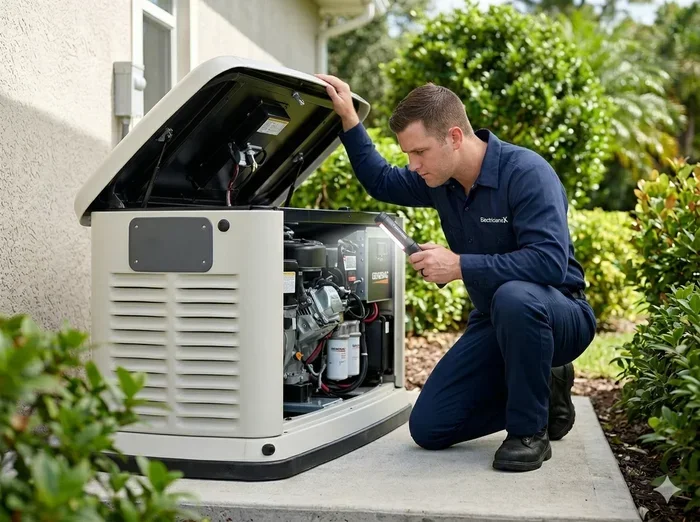
While solar panels are low maintenance, they are not maintenance-free. Dust, debris, bird droppings, and snow can all reduce the efficiency of your panels over time. Regular cleaning and annual inspections keep your system performing at its best.
Check your solar inverter and wiring periodically for signs of wear or damage. Catching small issues early prevents them from becoming costly repairs down the road.
Expert Tips for Getting the Most from Your Solar Power Generator
Getting the most out of your solar power generator is about more than just buying the right equipment. It is also about how you use and maintain your system over time. Here are some expert-backed tips that make a real difference.
Angle Your Panels for Maximum Sun Exposure
The angle of your solar panels affects how much solar energy they capture. In most locations, a tilt angle equal to your latitude works well year-round. Adjusting the angle seasonally can boost power output by an additional 10 to 15 percent.
Use Energy-Efficient Appliances
The more efficient your appliances are, the less solar capacity you need to power them. Look for ENERGY STAR-rated devices and LED lighting to reduce your overall energy consumption. This allows your solar power generator to cover a larger portion of your electricity needs.
Monitor Your System Regularly
Most modern solar power systems come with monitoring apps. Use them to track your energy conversion rates, power output, and battery levels. If you notice a sudden drop in performance, it could indicate a problem that needs attention.
Consider Adding More Panels Over Time
You do not have to install your entire solar power system all at once. Many homeowners start with a smaller setup and add more panels as their energy needs grow or as their budget allows. This modular approach makes renewable energy more accessible and affordable.
Conclusion
A solar power generator is a remarkable piece of solar technology that turns an abundant, free resource into reliable, usable electricity. From the photovoltaic cells in your panels to the solar inverter that converts the energy, every component plays a critical role in the process.
Whether you choose a portable generator for your next camping trip or invest in a full grid-tied system for your home, understanding how the system works empowers you to make better decisions. The benefits are clear: lower bills, clean energy, energy independence, and a smaller carbon footprint.
Now that you know exactly how a solar power generator works, you are better equipped to choose the right system for your needs. Start small if you need to, but start. The sun delivers more energy to the Earth in a single hour than humanity uses in an entire year. Harnessing even a fraction of that energy can transform the way you power your life.
Frequently Asked Questions
Can a solar power generator work on cloudy days?
Yes, a solar power generator can still produce electricity on cloudy days, though the output is lower than on sunny days. Modern solar panels are designed to capture diffuse light, meaning they do not need direct sunlight to generate power. With adequate battery storage, your system can store energy from sunny periods to use when conditions are less ideal.
How long does a solar power generator last?
Most solar panels last 25 to 30 years or more with proper maintenance. The solar inverter typically needs replacement after 10 to 15 years. Solar batteries generally last 10 to 15 years depending on usage and type. Overall, a well-maintained solar power system provides reliable clean energy for decades.
Is a solar power generator worth the investment?
For most homeowners, yes. The savings on electricity bills over time often outweigh the initial cost. Many regions offer tax credits and rebates that reduce the upfront expense. A solar power generator also increases property value and provides energy independence, making it a smart long-term investment in renewable energy.
Can I use a solar power generator to power my whole house?
Yes, a properly sized stationary solar power generator can power an entire home. The key is calculating your household’s energy needs and selecting a system with sufficient solar capacity and battery storage. Grid-tied systems can supplement your solar generation with grid power when needed, ensuring you never run short.
How do I maintain a solar power generator?
Maintenance is straightforward. Keep your solar panels clean and free of debris. Inspect wiring and connections annually. Monitor your solar inverter for error codes or performance drops. Most systems require only basic upkeep, but regular attention ensures optimal energy conversion and extends the lifespan of your equipment.
What is the difference between a solar power generator and a traditional generator?
A traditional generator burns fuel like gasoline or diesel to produce electricity, while a solar power generator uses sunlight. Solar generators produce clean energy with no emissions, run silently, and have minimal moving parts. Traditional generators require fuel, produce noise and fumes, and need regular maintenance. The trade-off is that solar generators depend on sunlight availability and may need battery storage for consistent power.