Does a Generator Produce Energy or Just Convert It
So, does a generator produce energy or just convert it? The short answer is that a generator does not create energy from nothing. It converts mechanical energy into electrical energy through a process called electromagnetic induction. Understanding this difference helps you use your generator more efficiently and make smarter buying decisions.
Have you ever wondered, does a generator produce energy or just convert it? This question might seem simple, but the answer has big implications for how you use, maintain, and choose a generator. Many people assume that a generator creates electricity out of thin air. In reality, the truth is much more interesting and practical.
A generator follows a basic law of physics: energy cannot be created or destroyed. It can only change from one form to another. So when your generator is running, it is taking fuel and turning it into motion. Then it takes that motion and turns it into electrical power. This process is called energy conversion, and it is the heart of how every generator works.
In this article, we will walk through exactly how a generator works. We will clear up the confusion about energy production versus energy conversion. You will learn about the different types of generators and how much electrical energy each one can produce. We will also share practical tips to help you get the most out of your machine.
Whether you are buying a portable generator for camping or a standby generator for your home, understanding the basics will help you make better choices. Let us dive into the fascinating world of power generation and find out what really happens inside that machine when you flip the switch.
Key Takeaways
- Generators do not create energy: They convert mechanical energy into electrical energy following the law of conservation of energy.
- Electromagnetic induction is the core process: A magnetic field and conductor work together to generate electric current.
- Different generator types serve different needs: Portable, standby, and inverter generators each have unique energy conversion strengths.
- Fuel type affects energy output and efficiency: Gasoline, diesel, propane, and natural gas all behave differently in a generator engine.
- Regular maintenance boosts generator efficiency: Simple upkeep steps can improve fuel consumption and wattage output over time.
- Understanding energy conversion helps you save money: Knowing how your generator works lets you make smarter fuel and usage choices.
📑 Table of Contents
What Is a Generator and How Does It Work
A generator is a machine that turns one form of energy into another. Specifically, it changes mechanical energy into electrical energy. This process is not magic. It is science. And once you understand the basic idea, everything else falls into place.
The main parts of a generator include an engine, an alternator, a fuel system, and a voltage regulator. The engine burns fuel to create motion. The alternator uses that motion to push electrons through a wire. This flow of electrons is what we call electric current. Together, these parts form a complete energy transformation system.
The Science Behind Generator Operation
At the center of every generator is a principle called electromagnetic induction. This was discovered by Michael Faraday in the 1830s. The idea is simple but powerful. When a conductor moves through a magnetic field, it creates an electrical voltage. That voltage pushes electrons through a circuit. And that flow of electrons is electricity.
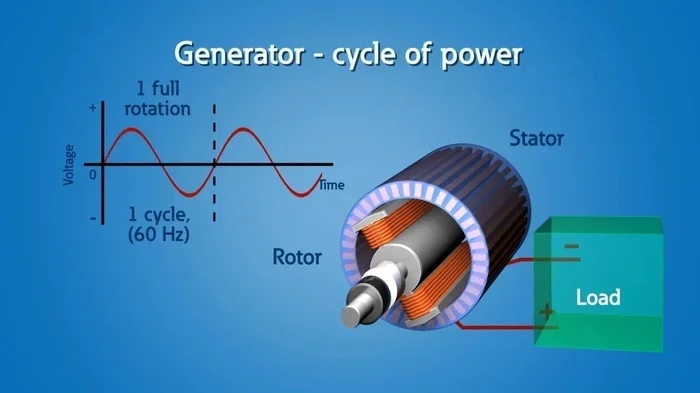
Inside a generator, a rotor spins inside a stator. The rotor has magnets or electromagnets. The stator has coils of wire. As the rotor spins, it creates a changing magnetic field around the wire coils. This changing field forces electrons to move. That movement is your electric current.
Think of it like a water wheel. The flowing water turns the wheel. The wheel does not create water. It uses the energy of the moving water to do work. A generator works the same way. It uses the energy of motion to do the work of creating electricity.
Types of Generators You Should Know
Not all generators are the same. Different types serve different purposes. Each one converts energy in its own way. Here are the most common types you will encounter:
- Portable Generators: These are small, movable units. They run on gasoline or propane. They are great for camping, tailgating, and small backup needs.
- Standby Generators: These are large, permanent installations. They connect directly to your home electrical system. They kick on automatically during a power outage.
- Inverter Generators: These produce cleaner power. They are ideal for sensitive electronics like laptops and phones. They are also more fuel-efficient.
- Diesel Generators: These use diesel fuel for heavy-duty applications. They are common in construction and industrial settings.
- Natural Gas Generators: These connect to your home gas line. They offer a steady fuel supply and burn cleaner than gasoline.
Each type has its own wattage output range and fuel consumption rate. Your choice depends on what you need the generator for. A small portable unit might produce 3,000 to 7,000 watts. A whole-home standby generator can produce 20,000 watts or more.
Does a Generator Produce Energy or Just Convert It
This is the big question. And the answer is clear: a generator does not produce energy. It converts energy. This is one of the most important ideas in all of physics. The law of conservation of energy tells us that energy cannot be created or destroyed. It can only change from one form to another.
So when your generator is running, here is what is really happening. Chemical energy stored in fuel gets released through combustion. That chemical energy becomes heat energy. Heat energy becomes mechanical energy as pistons move. Mechanical energy becomes electrical energy through electromagnetic induction. At every step, energy changes form. None of it is created from nothing.
The Law of Conservation of Energy
This law is sometimes called the first law of thermodynamics. It states that the total energy in a closed system stays the same. Energy can change form, but the total amount stays constant. This means your generator cannot output more energy than the fuel puts in.
In practice, some energy is always lost. It becomes heat, sound, or friction. This is why generators get warm while running. It is also why they make noise. Those are signs that some of the energy is being lost to the environment instead of becoming useful electricity.
Understanding this law helps you set realistic expectations. If your generator burns one gallon of gasoline, you cannot get more energy out than what the gasoline contains. The generator efficiency determines how much of that fuel energy becomes usable electricity.
How Generators Transform Fuel Into Electricity
The transformation process happens in a few clear steps. Let us break it down so it is easy to follow.
- Fuel Combustion: The engine ignites fuel. This releases chemical energy as heat.
- Piston Motion: Heat pushes pistons up and down. This creates mechanical motion.
- Rotor Rotation: The pistons turn a crankshaft. The crankshaft spins the rotor inside the alternator.
- Magnetic Field Interaction: The spinning rotor creates a moving magnetic field.
- Electric Current Generation: The magnetic field pushes electrons through wire coils. This is your electrical output.
Each step involves a change in energy form. At no point is new energy created. The generator simply channels energy from the fuel into a useful form: electricity. This is why the accurate answer to does a generator produce energy is no. It converts it.
How a Generator Converts Energy Step by Step
Now that you know the big picture, let us look at the conversion process in more detail. Understanding each step helps you appreciate what your generator is doing and why it needs fuel to keep running.
From Fuel to Mechanical Motion
The first stage of energy conversion happens inside the engine. Fuel and air mix together in a combustion chamber. A spark plug ignites this mixture. The explosion pushes a piston down. The piston is connected to a crankshaft. As the piston moves up and down, the crankshaft spins.
This spinning motion is mechanical energy. It is the same kind of energy you feel when you spin a bicycle wheel. The engine takes the chemical energy stored in fuel and turns it into this spinning mechanical energy. A fuel-powered generator relies entirely on this process.
The engine also needs a few support systems to keep running smoothly. The fuel system delivers gasoline or diesel. The cooling system prevents overheating. The exhaust system releases burnt gases. All of these work together to keep the generator engine running efficiently.
The Role of the Alternator
The alternator is where the real magic happens. It is the part that turns mechanical spinning into electricity. Inside the alternator, there are two main parts: the rotor and the stator.
The rotor is the spinning part. It contains magnets or electromagnets. The stator is the stationary part. It contains coils of copper wire. When the rotor spins inside the stator, it creates a changing magnetic field. This changing field pushes electrons through the wire coils.
The result is an alternating current, or AC power. This is the same type of electricity that comes from your wall outlets at home. The alternator controls the voltage output to make sure it stays at a safe and consistent level. A voltage regulator helps with this task.
Some generators use a commutator to convert AC to DC power. But most home and portable generators produce AC power. This is what most household appliances need to run properly.
Types of Generators and Their Energy Output
Different generators are built for different purposes. Their energy output varies based on size, fuel type, and design. Let us look at the most popular options and what you can expect from each.
Portable Generators
A portable generator is designed to be moved easily. It usually runs on gasoline and produces between 3,000 and 8,000 watts. These are great for camping trips, outdoor events, and small backup needs during a storm.
Portable generators are affordable and widely available. They are also relatively easy to maintain. However, they are not meant to power your entire home. They work best for running a few essential items at a time, like a refrigerator, lights, and a phone charger.
One thing to keep in mind is fuel consumption. A portable generator running at full load will burn through gasoline quickly. Plan your fuel supply ahead of time, especially for longer outages.
Standby Generators
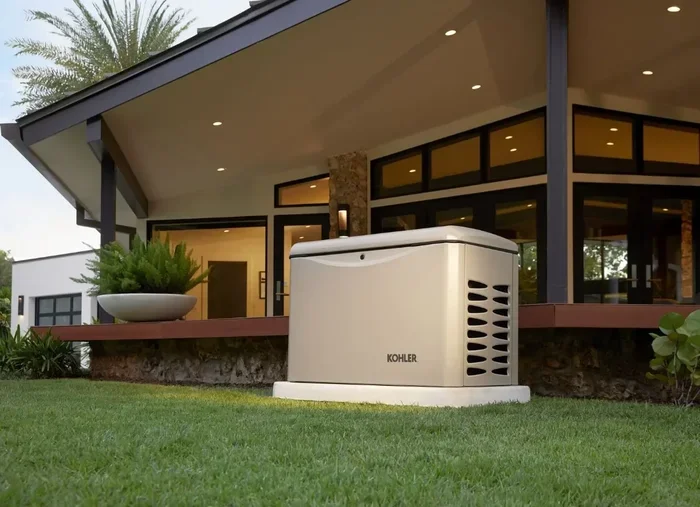
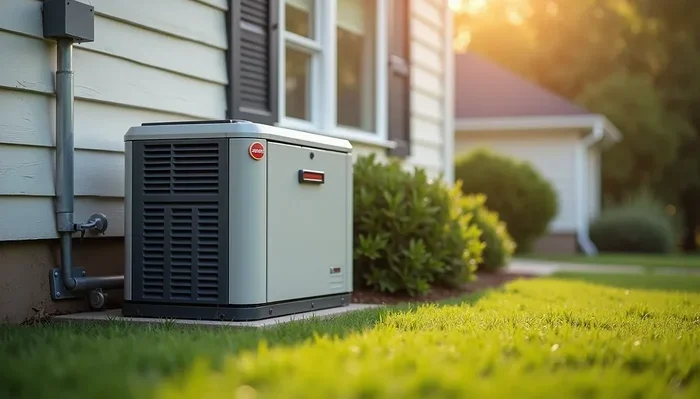
A standby generator is a permanent installation. It connects directly to your home electrical panel and to a fuel source like natural gas or propane. When the power goes out, it turns on automatically within seconds.
These generators produce a lot of power. A typical home standby unit can output 7,000 to 24,000 watts. That is enough to run your entire house, including heating and cooling systems, kitchen appliances, and electronics.
Standby generators are more expensive upfront. But they offer peace of mind and convenience. They also provide reliable backup power for your home during extended outages. Many homeowners consider them a worthwhile investment in long-term home power supply security.
Inverter Generators
An inverter generator uses a special process to produce cleaner power. It generates AC power first, then converts it to DC power, and then back to AC power. This three-step process produces a very stable electrical output.
The result is power that is safe for sensitive electronics. Laptops, smartphones, and TVs all run better on inverter generator power. These units are also quieter and more fuel-efficient than conventional generators.
Inverter generators typically produce 1,000 to 4,000 watts. They are perfect for recreational use and for people who need clean power on the go. Their generator efficiency is often higher than traditional models because they adjust engine speed to match the load.
Common Myths About Generator Energy Production
There are a lot of misconceptions about how generators work. Let us clear up some of the most common ones so you have accurate information.
Myth 1: Generators Create Energy From Nothing
This is the biggest myth of all. A generator does not create energy. It converts it. Every bit of electricity it produces comes from the fuel it burns. If you run out of fuel, the generator stops producing power. This proves that the energy is coming from the fuel, not from the generator itself.
Myth 2: Bigger Generators Produce More Energy
Size matters for power output, but it does not mean a bigger generator is always better. What matters is the match between your power needs and the generator’s capacity. A generator that is too large for your needs wastes fuel. A generator that is too small will overload and shut down.
The key is to calculate your total wattage needs before buying. Add up the wattage of all the devices you want to run. Then choose a generator with a slightly higher wattage output capacity.
Myth 3: Generators Waste All Their Fuel
Modern generators are actually quite efficient. A well-maintained generator can convert 30 to 50 percent of fuel energy into electricity. The rest is lost as heat and friction. While no machine is 100 percent efficient, today’s generators are much better than older models. Regular generator maintenance helps keep efficiency high over time.
Tips for Maximizing Generator Energy Efficiency
You cannot change the laws of physics. But you can take steps to get the most electricity out of every drop of fuel. Here are practical tips to improve your generator’s performance.
Maintenance Best Practices
Regular maintenance keeps your generator running smoothly and efficiently. Here are the most important steps you should follow:
- Change the oil regularly: Clean oil reduces friction in the engine. This means less energy is wasted as heat.
- Replace air filters: A clean air filter lets the engine breathe better. This improves combustion and fuel efficiency.
- Check spark plugs: Worn spark plugs cause incomplete combustion. This wastes fuel and reduces power output.
- Inspect the fuel system: Old fuel can clog lines and filters. Use fresh fuel and add a stabilizer for long-term storage.
- Test the generator regularly: Run it under load for at least 15 minutes once a month. This keeps all parts lubricated and ready to go.
Fuel and Usage Tips
How you use your generator also affects its efficiency. Follow these simple tips to get better results:
- Match the load to the generator size: Running a generator at 50 to 75 percent load is the sweet spot for efficiency.
- Turn off unused devices: Every device you power draws fuel. Only run what you actually need.
- Use the right fuel: Always use the fuel type recommended by the manufacturer. Wrong fuel can damage the engine and reduce efficiency.
- Keep the generator level: A level generator ensures proper fuel flow and lubrication.
- Store fuel properly: Use clean, sealed containers. Old or contaminated fuel reduces engine performance.
These small steps add up over time. They can extend the life of your generator and save you money on fuel. They also ensure your backup power system is ready when you need it most.
Understanding Wattage and Power Ratings
When shopping for a generator, you will see two key numbers: starting watts and running watts. Starting watts are the extra power needed to kick-start motor-driven appliances like refrigerators and air conditioners. Running watts are the continuous power needed to keep devices running.
Always add up the running watts of all the devices you plan to use at the same time. Then make sure your generator can handle that total. Going over the rated capacity can damage both the generator and your appliances. It is a simple step that saves you from costly problems.
Also, pay attention to the generator efficiency rating. A more efficient unit will give you more hours of power per gallon of fuel. This matters a lot during long outages when fuel supplies may be limited.
Conclusion
So, does a generator produce energy? The answer is no. A generator does not produce energy. It converts energy from one form to another. Chemical energy in fuel becomes mechanical energy through combustion. Mechanical energy becomes electrical energy through electromagnetic induction. At every step, energy simply changes form. It is never created from nothing.
This understanding changes the way you think about your generator. It helps you appreciate the engineering that goes into every unit. It also helps you use your generator more wisely. You can match the right type of generator to your needs. You can maintain it properly to keep it efficient. You can plan your fuel use to get the most out of every tank.
Whether you rely on a small portable unit or a whole-home standby system, the principles are the same. Your generator is a powerful tool for energy transformation. It turns fuel into the electricity that keeps your lights on, your food cold, and your devices charged. The more you understand how it works, the better you can use it.
Take what you have learned here and apply it. Check your generator’s fuel system. Review your power needs. Choose the right unit for your situation. With the right knowledge and a little care, your generator will serve you well for years to come. And now you know exactly what is happening inside that machine every time you start it up.
Frequently Asked Questions
Can a generator create energy out of nothing?
No, a generator cannot create energy from nothing. It converts stored chemical energy in fuel into electrical energy. This follows the law of conservation of energy, which states that energy cannot be created or destroyed, only transformed from one form to another.
What is the main difference between producing energy and converting energy?
Producing energy would mean creating it from nothing, which is impossible. Converting energy means taking existing energy in one form and changing it into another form. A generator takes the chemical energy in fuel and converts it into electrical energy you can use at home.
How efficient is a typical generator at converting fuel to electricity?
A typical generator converts about 30 to 50 percent of fuel energy into electricity. The rest is lost as heat, sound, and friction. Newer and well-maintained generators tend to be more efficient than older models. Regular generator maintenance helps keep efficiency high.
Does the type of fuel affect how much energy a generator produces?
Yes, fuel type affects energy output and efficiency. Diesel contains more energy per gallon than gasoline. Propane burns cleaner but has lower energy density. Natural gas is convenient for standby generators but produces less energy per unit compared to diesel. Choosing the right fuel for your needs improves overall performance.
Why does my generator get hot while running?
A generator gets hot because not all the energy from fuel becomes electricity. Some energy is lost as heat during the conversion process. This is normal and expected. However, excessive heat can signal a problem like low oil, a clogged filter, or overloading. Regular maintenance helps prevent overheating issues.
Can a generator run without fuel?
No, a generator cannot run without fuel. Since a generator converts fuel energy into electrical energy, it needs a continuous fuel supply to produce electricity. Without fuel, there is no chemical energy to convert, and the generator will stop producing power immediately.