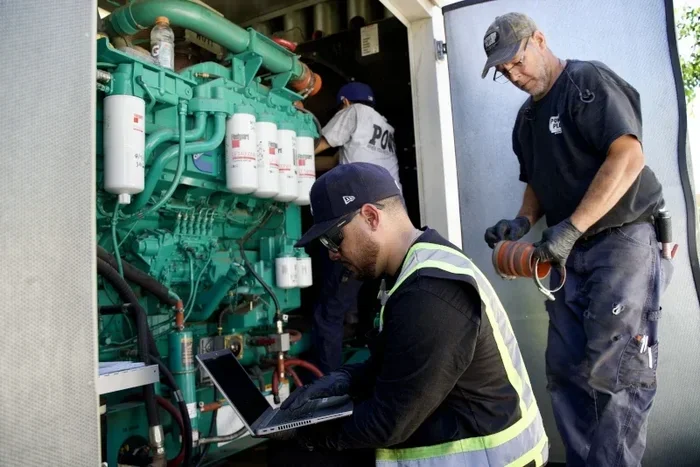
How to Fix a Surging Generator and Restore Power Fast
A surging generator can disrupt your power supply and damage sensitive equipment. This guide walks you through how to fix a surging generator with clear, step-by-step instructions. You’ll learn to diagnose common causes like fuel issues, air leaks, and regulator problems, and get your machine running smoothly again fast.
Nothing kills a peaceful evening like an inconsistent power supply. You fire up your generator to keep the lights on, and instead, the engine races and slows in a frustrating rhythm. This surging behavior not only ruins your comfort but can also harm your appliances. If you’ve ever wondered why a generator surges, you’re in the right place.
In this guide, I’ll walk you through exactly how to fix a surging generator using simple, hands-on steps. We’ll cover the most common culprits, from dirty fuel systems to faulty regulators. You’ll learn what to check, what to replace, and how to prevent the problem from returning. Whether you own a portable unit or a standby model, these fixes apply. I’ll keep the language plain and the instructions clear, so you can get back to reliable power without calling a mechanic.
Let’s start by understanding what’s actually happening inside your machine when it surges.
Key Takeaways
- Surging often stems from fuel delivery problems: A clogged fuel filter, dirty carburetor, or low fuel can cause RPM fluctuations.
- Air leaks and dirty air filters starve the engine: Check the air intake and replace filters regularly.
- The voltage regulator or governor valve may be faulty: These components control power output and engine speed.
- Simple checks first: Inspect spark plugs, fuel lines, and load balance before diving into complex repairs.
- Preventive maintenance stops surging: Clean the fuel system, change oil, and run the generator under light loads periodically.
- Know when to call a pro: If basic fixes fail, internal engine damage or a failing regulator may need expert attention.
📑 Table of Contents
How to Fix a Surging Generator: Start With the Basics
Generator surging means the engine speed and power output rise and fall rapidly. A healthy generator runs at a steady RPM and delivers consistent voltage. When it surges, you see flickering lights, unstable frequencies, and sometimes strange engine noises. The root cause is almost always a mismatch between fuel supply and engine demand.
Before you grab any tools, do a quick visual check. Look for obvious fuel leaks, disconnected wires, or a tripped circuit breaker. Often, the fix is simpler than you think. I’ve seen many people panic over a surging unit only to find a half-empty fuel tank or a loose fuel cap. Always start with the easiest possible cause.
Here’s a fast checklist to run through before deeper troubleshooting:
- Check the fuel level and refill if low.
- Ensure the fuel valve is fully open.
- Inspect the fuel cap for proper venting.
- Look for kinked or cracked fuel lines.
- Verify the circuit breaker hasn’t tripped.
If those steps don’t solve it, move on to the next sections where we dig into the specific systems that cause unstable power output.
Common Causes of a Surging Generator
Several components work together to keep a generator’s engine and voltage stable. When one part fails, the whole system can start surging. Understanding these common causes helps you target the right fix.
Dirty or Clogged Fuel System
Fuel delivers the energy your engine needs. Over time, dirt, rust, and old fuel varnish build up inside the tank, lines, and carburetor. A clogged fuel filter or dirty carburetor jet restricts flow, causing the engine to starve and then race. This is the number one reason for generator surging in units that sit idle for weeks.
Old gasoline breaks down quickly, especially ethanol-blended fuels. The varnish gums up tiny passages in the carburetor. You’ll notice the engine surges under load or struggles to maintain idle speed. Cleaning the fuel system often restores smooth operation.
Air Leaks in the Intake
The engine needs a precise mix of air and fuel. If unmetered air sneaks past the air filter or carburetor gasket, the mixture becomes too lean. A lean mixture causes RPM spikes and surges. Air leaks often happen at rubber hoses, the carburetor base, or the intake manifold gasket.
You can test for air leaks by spraying a light mist of soapy water around the intake connections while the engine runs. Bubbles will form where air is escaping. This simple trick pinpoints hidden leaks fast.
Faulty Voltage Regulator
The voltage regulator controls the electrical output. When it malfunctions, the voltage rises and falls, which can make the engine surge as the load changes. A bad regulator may cause lights to dim and brighten rhythmically. In some generators, the regulator is built into the alternator, and replacement requires opening the unit.
Governor Valve Issues
The governor valve manages fuel flow to keep engine speed constant. If the governor linkage is sticky, bent, or worn, it can’t respond smoothly to load changes. The engine surges because it’s constantly over-correcting. Cleaning the governor linkage and ensuring it moves freely often fixes this.
Load Imbalance
Connecting too many high-wattage devices at once can stress the generator. If the total load exceeds the unit’s capacity, the engine may surge as it struggles to keep up. Evenly distributing the load across phases (for three-phase units) or reducing the connected devices can stabilize the system.
Dirty or Worn Spark Plugs
Spark plugs ignite the fuel-air mixture. A fouled or worn plug causes incomplete combustion, leading to rough running and surging. Check the spark plug for carbon buildup, electrode wear, or a cracked insulator. Replacing it is a cheap and easy fix that many people overlook.
Step-by-Step Troubleshooting Guide
Now that you know the common causes, let’s walk through how to fix a surging generator step by step. I recommend following this sequence to avoid unnecessary part replacements.
Step 1: Inspect and Clean the Fuel System
Start by draining the old fuel from the tank and carburetor bowl. Look for sediment or water in the fuel. Remove the fuel filter and replace it if it’s dirty. For a thorough clean, detach the carburetor and spray the jets with carburetor cleaner. A can of spray cleaner costs just a few dollars and works wonders.
While the carburetor is off, check the float needle for debris. A stuck float can cause fuel to flood the bowl or starve the engine. Clean all passages with compressed air and reassemble carefully.
Step 2: Check for Air Leaks
With the engine running, carefully inspect the intake manifold, carburetor gasket, and all rubber hoses. Use the soapy water spray test I mentioned earlier. If you find a leak, tighten the clamp or replace the damaged hose. A simple gasket fix can eliminate surging caused by lean air-fuel mixtures.
Step 3: Test the Spark Plug
Remove the spark plug and examine it. A healthy plug should have a light tan electrode. If it’s black and sooty, you have a rich mixture; if it’s white and blistered, the mixture is too lean. Clean or replace the plug. Also, check the spark plug gap with a feeler gauge and set it to the manufacturer’s specification.
Step 4: Inspect the Governor Linkage
Locate the governor linkage, which connects the engine to the carburetor. Move it by hand through its full range. It should move smoothly without sticking. Clean any grime with a cloth and a drop of light oil. If the linkage is bent, gently straighten it. This ensures the governor can respond correctly to load changes.
Step 5: Evaluate the Voltage Regulator
If you’ve checked everything else and surging persists, the voltage regulator may be at fault. Use a multimeter to measure the output voltage at no load and under a moderate load. If the voltage swings wildly or exceeds the rated output, the regulator likely needs replacement. Some regulators are external and easy to swap; others are internal and require more disassembly.
Quick Comparison Table: Common Causes vs. Solutions
| Symptom | Likely Cause | Quick Fix |
|---|---|---|
| Surges under heavy load | Clogged fuel filter or dirty carburetor | Replace filter; clean carburetor |
| Surges at idle | Air leak in intake or faulty governor | Check intake gaskets; lubricate governor |
| Voltage fluctuates with load | Bad voltage regulator | Test and replace regulator |
| Surges after running out of fuel | Air in fuel lines | Bleed fuel system; refill tank |
| Rough running and surging | Worn spark plug or fouled plug | Replace spark plug |
Common Mistakes to Avoid
When tackling generator repairs, people often make avoidable errors. One common mistake is replacing parts without cleaning the system first. A new carburetor will fail quickly if old varnish remains in the fuel lines. Another mistake is ignoring the fuel cap vent. A sealed cap creates a vacuum that starves the engine, causing surging. Always ensure the cap vents properly.
Don’t overlook the fuel quality. Using old or contaminated fuel is a leading cause of recurring problems. Drain old fuel and use fresh, stabilized gasoline for storage. Finally, avoid overloading the generator. Running it at full capacity for extended periods stresses the engine and can trigger surging.
Quick Tips for Immediate Relief
While you work on the root cause, these quick tips can help stabilize your generator right now:
- Reduce the load: Disconnect non-essential devices to see if the surging stops.
- Check the fuel cap: Loosen it slightly and run the generator. If surging stops, the cap vent is blocked.
- Clean the air filter: A dirty filter restricts airflow and causes surges. Tap it out or replace it.
- Use fuel stabilizer: If the generator sits unused, add stabilizer to the fresh fuel before storage.
When to Call a Professional
Most surging issues respond to the steps above. However, some problems require a trained technician. If you’ve cleaned the fuel system, checked for air leaks, and replaced the spark plug and regulator, but the generator still surges, internal engine damage may be the issue. Worn piston rings, a damaged crankshaft, or internal exhaust blockages can all cause persistent surging.
Also, if you’re uncomfortable working with fuel systems or electrical components, it’s wise to seek help. A professional can perform a full diagnostic, including compression testing and electrical checks. They’ll ensure the repair is safe and won’t void your warranty.
Preventive Maintenance to Stop Surging
The best way to fix a surging generator is to prevent it from happening in the first place. Regular maintenance keeps all systems clean and functioning properly. Here’s a simple maintenance schedule you can follow:
- Every use: Check fuel level and look for leaks.
- Every 50 hours: Inspect and clean the air filter.
- Every 100 hours: Replace the fuel filter and check the spark plug.
- Every season: Drain old fuel, clean the carburetor bowl, and run the generator under a light load for 15 minutes.
- Annually: Inspect the voltage regulator, governor linkage, and all electrical connections.
Storing fuel properly also helps. Use fresh gasoline and add a fuel stabilizer if the generator won’t be used for more than 30 days. This prevents varnish buildup in the carburetor and fuel lines. A little prevention goes a long way toward avoiding unstable power output.
Expert Insight: The Role of the Fuel Tank Vent
Many generators have a small vent hole in the fuel cap. If this vent gets clogged with dirt or insects, the tank creates a vacuum as fuel is consumed. The engine starves and surges. I once had a customer who replaced three carburetors before discovering the cap vent was blocked. A quick cleaning of the vent hole solved the problem instantly. Always check the cap first—it’s the easiest fix.
Conclusion
Dealing with a surging generator is frustrating, but you now have the knowledge to tackle it confidently. By following the steps in this guide, you can fix a surging generator and restore stable power quickly. Start with the simple checks—fuel level, air filter, spark plug—then move to deeper diagnostics like the carburetor and governor linkage. Most surging issues are caused by fuel delivery problems or air leaks, and both are easy to address with basic tools.
Remember, preventive maintenance is your best defense. Clean the fuel system regularly, use fresh fuel, and avoid overloading the unit. If the problem persists despite your efforts, don’t hesitate to call a professional. A well-maintained generator delivers reliable power for years. Apply these fixes, keep your machine in good shape, and enjoy uninterrupted electricity whenever you need it.
Frequently Asked Questions
Why does my generator surge under load?
Surging under load usually means the engine can’t get enough fuel or air to meet the demand. A clogged fuel filter, dirty carburetor, or air leak in the intake are the most common causes. Reducing the load temporarily can help you confirm the issue.
Can a dirty air filter cause generator surging?
Yes, a dirty air filter restricts airflow, creating a rich or lean fuel mixture. This imbalance causes the engine to run rough and surge. Cleaning or replacing the air filter is a simple first step in troubleshooting.
How do I know if my voltage regulator is bad?
If the output voltage swings widely between high and low readings, especially under changing loads, the regulator may be failing. You can test it with a multimeter. If the voltage is unstable even after cleaning the fuel system, the regulator is likely the culprit.
Is it safe to keep using a surging generator?
It’s not recommended. Surging puts extra stress on the engine and connected appliances. The unstable voltage can damage sensitive electronics. It’s best to diagnose and fix the issue before relying on the generator for power.
What’s the best way to prevent generator surging?
Regular maintenance is the key. Use fresh fuel with stabilizer, clean or replace the fuel filter and air filter on schedule, and run the generator under a light load periodically. These steps keep the fuel system clean and the engine running smoothly.
Can low fuel cause a generator to surge?
Yes, a very low fuel level can cause the engine to starve, especially if the fuel pick-up is partially exposed. This leads to surging and erratic power output. Always keep the tank at least a quarter full during use.