Everything You Need to Know About Max Compressor Parts
Max compressor parts are the essential building blocks that keep your air compressor running at peak performance. Understanding these components helps you maintain efficiency, avoid costly breakdowns, and extend the life of your equipment. This guide covers everything you need to know about max compressor parts, from identification and selection to maintenance and replacement.
If you own or operate an air compressor, you already know how important it is to keep every piece running smoothly. The heart of any compressor system lies in its parts. From the pump that generates pressure to the valve that controls airflow, every max compressor part plays a role in delivering reliable performance. When even one component fails, the entire system can grind to a halt.
Whether you are a DIY enthusiast working in a garage or a professional running a busy workshop, knowing your max compressor parts makes a huge difference. You will spend less time dealing with breakdowns, save money on repairs, and keep your equipment running for years. This guide breaks down everything you need to know — from the basic components to maintenance tips and buying advice.
We have designed this article to be your go-to resource. No fluff, no filler — just clear, practical information that helps you understand, maintain, and replace the parts in your compressor system. Let us dive right in.
Key Takeaways
- Know Your Parts: Understanding the key max compressor parts — like pumps, motors, valves, and regulators — helps you troubleshoot and maintain your system effectively.
- Quality Matters: Choosing genuine or high-quality compressor replacement parts prevents frequent breakdowns and saves money in the long run.
- Regular Maintenance Is Key: Simple routines like filter changes and gasket checks keep your air compressor components running smoothly for years.
- Match Parts to Your Model: Not all compressor parts fit every machine. Always verify compatibility before purchasing.
- Watch for Warning Signs: Unusual noises, pressure drops, and leaks are early signals that your max compressor parts need attention.
- Buy from Trusted Sources: Purchasing from authorized dealers ensures you get authentic compressor components with proper warranties.
📑 Table of Contents
- What Are Max Compressor Parts?
- Key Components of Max Compressor Parts
- How to Choose the Right Max Compressor Parts
- Maintaining Your Max Compressor Parts
- Common Problems with Max Compressor Parts
- Where to Buy Genuine Max Compressor Parts
- Maximizing the Lifespan of Your Max Compressor Parts
- Conclusion
What Are Max Compressor Parts?
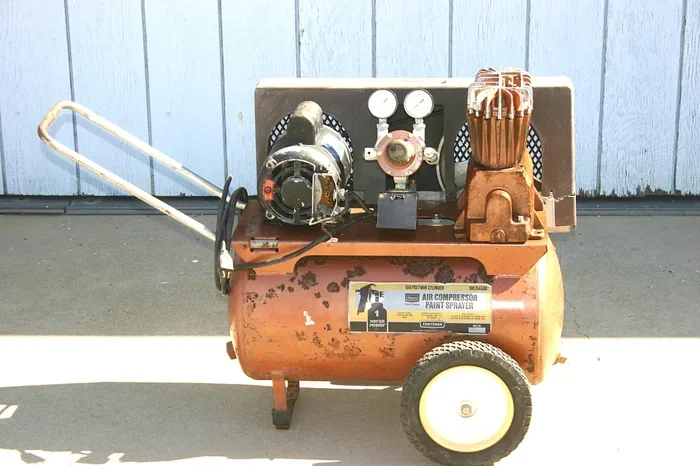
When people talk about max compressor parts, they are referring to all the individual components that make up an air compressor system. These air compressor components work together to draw in air, compress it, store it, and deliver it at the right pressure for your tools and applications.
Every compressor system — whether it is a small portable unit or a large industrial machine — relies on the same basic set of compressor parts. Understanding what each part does is the first step toward better maintenance and smarter purchasing decisions.
The Core Function of Compressor Components
At its simplest, an air compressor takes in ambient air, squeezes it into a smaller volume, and stores that compressed air in a tank. The pressure switch controls when the compressor turns on and off based on the air pressure in the tank. When you pull the trigger on a pneumatic tool, the compressed air flows through a regulator and hose to power the tool.
Each max compressor part in this chain has a specific job. The pump does the heavy lifting of compression. The motor provides the power. The tank holds the stored energy. And the valves, filters, and gaskets ensure everything operates safely and efficiently. When one part wears out or fails, it affects the entire system.
Why Understanding Your Parts Matters
Knowing your air compressor parts by name and function gives you real power. You can diagnose problems faster. You can order the right compressor replacement parts without guessing. You can communicate clearly with repair technicians. And you can plan preventive maintenance that keeps small issues from becoming expensive repairs.
Think of it like knowing the parts of your car. When the check engine light comes on, you do not need to be a mechanic to understand that something needs attention. The same logic applies to your compressor. The more you know about max compressor parts, the more confident you become in managing your equipment.
Key Components of Max Compressor Parts
Now let us break down the specific max compressor parts you will find in most systems. Each component serves a vital role, and understanding how they work together helps you maintain peak performance.
The Compressor Pump
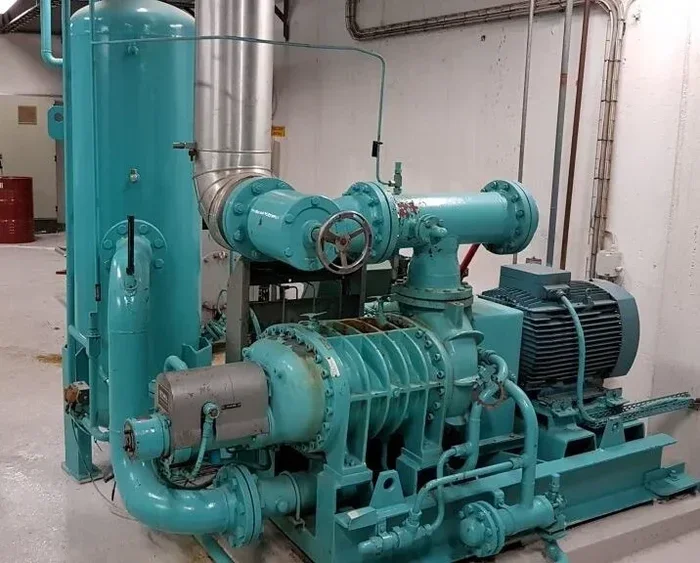
The pump is the most important max compressor part in the entire system. It is where the actual compression of air takes place. Most home and workshop compressors use a reciprocating pump, which uses a piston moving back and forth inside a cylinder. Industrial systems often use rotary screw pumps for continuous, heavy-duty operation.
Over time, pump gaskets and rings wear down. This leads to pressure loss and reduced efficiency. Regular inspection of the pump keeps your compressor running strong. If you notice the pump running but not building pressure, worn seals or rings are usually the culprit.
The Motor
The motor provides the rotational force that drives the pump. In most air compressor parts setups, the motor connects to the pump through a belt or direct drive. Motor failures can happen from overheating, electrical issues, or simple wear and tear.
When shopping for a replacement motor, always check the horsepower rating and voltage requirements. Using the wrong motor can damage other compressor components or create safety hazards. Stick with the manufacturer specifications for the best results.
The Air Tank
The tank stores compressed air so the compressor does not need to run constantly. This saves energy and reduces wear on the motor and pump. Tank size matters depending on your application. Smaller tanks work fine for intermittent tasks like inflating tires. Larger tanks support continuous tool use in professional settings.
Tanks can develop rust over time, especially in humid environments. Regular draining of moisture and periodic inspections help prevent tank failure. A compromised tank is a safety risk, so never ignore signs of corrosion or leaks.
The Pressure Switch
The pressure switch is the brain of your compressor system. It monitors tank pressure and automatically turns the motor on when pressure drops below a set level and off when it reaches the upper limit. A faulty pressure switch causes the compressor to run constantly or fail to start.
Adjusting the pressure switch is something most users can do themselves. Just make sure you follow the manufacturer guidelines and never exceed the rated pressure for your tank and other max compressor parts.
The Regulator and Filter
The regulator controls the output pressure delivered to your tools. The filter removes moisture and contaminants from the compressed air. Together, these compressor parts protect your pneumatic tools and ensure consistent performance.
Replace filters regularly — every three to six months for most users. A clogged filter forces the compressor to work harder, which wastes energy and shortens the lifespan of other components.
Gaskets, Seals, and Hoses
Small parts like gaskets, seals, and hoses often get overlooked until something goes wrong. These compressor replacement parts prevent air leaks that reduce efficiency and waste energy. Check hose connections and gasket seals during routine maintenance.
A hissing sound or a drop in pressure while the compressor is running often points to a leak in one of these components. Catching these issues early saves you from bigger problems down the road.
How to Choose the Right Max Compressor Parts
Selecting the correct max compressor parts can feel overwhelming with so many options on the market. But it does not have to be complicated. A few key considerations will guide you to the right choice every time.
Check Compatibility First
Not every air compressor part fits every compressor model. Before ordering any replacement, check your owner manual or the part number on the existing component. Using incompatible parts can cause damage, void warranties, and create safety issues.
Keep a simple spreadsheet or notebook with your compressor model number and the part numbers for key components. This makes future replacements quick and painless.
Prioritize Quality Over Price
It is tempting to go with the cheapest option, but cheap compressor parts often lead to more problems. Low-quality gaskets wear out quickly. Poorly made filters do not trap contaminants effectively. And substandard replacement pumps fail prematurely.
Invest in genuine manufacturer parts or reputable aftermarket alternatives. The slightly higher upfront cost pays for itself through longer part life and better system performance. Think of it as an investment in reliability.
Consider Your Usage Level
Your usage pattern should influence your part selection. A homeowner who uses a compressor occasionally for tire inflation and light nail gun work has different needs than a contractor who runs pneumatic tools eight hours a day.
Heavy-duty applications demand high-pressure compressor components built for continuous use. Lighter usage allows for standard-grade parts that still perform well without the premium price tag.
Look for Warranty and Support
Always check whether the max compressor parts you purchase come with a warranty. Reputable suppliers stand behind their products. Good warranty coverage gives you peace of mind and protection against manufacturing defects.
Also consider the availability of customer support. If you have questions about installation or compatibility, a supplier with responsive support saves you time and frustration.
Maintaining Your Max Compressor Parts
Prevention is always better than repair. A solid maintenance routine keeps your max compressor parts in top shape and extends the life of your entire system. The good news is that most maintenance tasks are simple and do not require professional help.
Create a Maintenance Schedule
Consistency is the key to long compressor life. Set up a weekly or monthly checklist based on how often you use your equipment. Here is a simple schedule to follow:
- Weekly: Drain moisture from the tank. Check for visible leaks.
- Monthly: Inspect the air filter and clean or replace as needed. Check hose connections and gaskets.
- Quarterly: Inspect the pressure switch and regulator. Lubricate moving parts if your model requires oil.
- Annually: Replace the air filter. Check pump rings and gaskets. Inspect the motor for signs of wear.
Following this schedule catches small problems before they become expensive repairs. It also keeps your compressor running at peak efficiency, which saves energy and reduces wear on every component.
Keep It Clean
Dust, debris, and moisture are the enemies of compressor components. Keep the exterior of your compressor clean and free of buildup. Clean the air intake area regularly to prevent contaminants from entering the pump and motor.
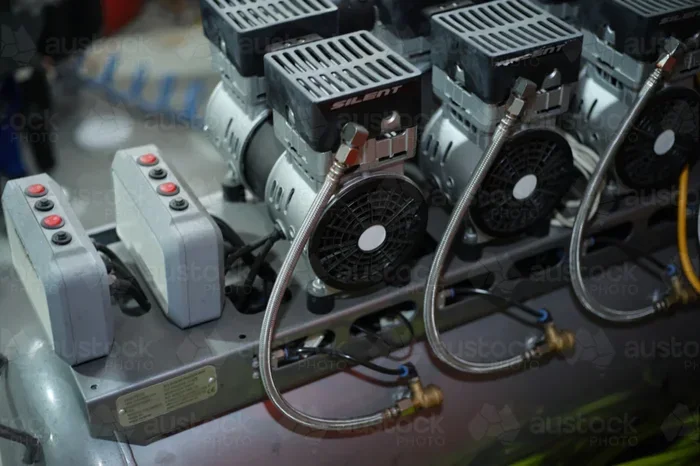
For oil-free compressor models, keeping the cooling fins and vents clear of dust is especially important. These units rely on airflow for cooling, and blocked vents lead to overheating and premature motor failure.
Store Properly When Not in Use
If you use your compressor seasonally, proper storage matters. Drain all moisture from the tank. Store the unit in a dry, covered area. Disconnect hoses and store them coiled properly to prevent kinks and cracks.
Taking these simple steps protects your max compressor parts during periods of inactivity and ensures the compressor starts working reliably when you need it again.
Common Problems with Max Compressor Parts
Even with the best maintenance, max compressor parts can develop issues over time. Knowing the common problems and their causes helps you troubleshoot faster and decide when to call a professional.
Pressure Loss
If your compressor builds pressure slowly or cannot reach the cut-out pressure, the most common causes are worn pump rings, damaged gaskets, or leaks in the hoses. Start by checking all connections and seals. If the seals look good, the pump rings are the likely culprit.
Replacing pump rings is a straightforward DIY job on most models. You will need a basic wrench set and a compressor rebuild kit that includes the necessary rings, gaskets, and valves.
Excessive Noise
Unusual sounds from your compressor often signal a problem. Rattling could mean a loose component or a failing motor bearing. Hissing points to an air leak. Knocking sounds may indicate worn pump components.
Do not ignore unusual noises. They are your compressor’s way of telling you something needs attention. Early diagnosis prevents minor issues from becoming major repairs.
Motor Won’t Start
A compressor that refuses to start can be frustrating. Check the power supply first — a tripped breaker or faulty outlet is often the cause. If the power is fine, the pressure switch or motor capacitor may be faulty.
Capacitors are inexpensive and easy to replace. The pressure switch is a bit more involved but still manageable for most handy users. If neither of these is the issue, the motor itself may need professional attention.
Oil Leaks (for Oil-Lubricated Models)
Oil leaks around max compressor parts usually point to worn seals or gaskets. Check the drain plug, pump housing, and motor base for signs of oil. Tightening connections or replacing worn seals typically resolves the problem.
Using the correct oil grade also matters. The wrong oil can cause excessive wear and leaks. Always refer to your owner manual for the recommended oil type and change interval.
Moisture in the Output Air
Water coming out of your air tools usually means the tank is not being drained regularly or the moisture separator is clogged. Drain the tank after every use and clean the moisture trap according to the manufacturer’s recommendations.
In humid environments, adding an inline air dryer to your system can significantly reduce moisture problems and protect your air compressor parts from corrosion.
Where to Buy Genuine Max Compressor Parts
Finding the right source for max compressor parts is just as important as choosing the right parts. A trusted supplier ensures you get authentic components that fit properly and perform reliably.
Manufacturer Direct
Buying directly from the compressor manufacturer is the safest route. You get genuine parts with full warranty coverage. Most major manufacturers offer online parts stores where you can search by model number and find exactly what you need.
The downside is that manufacturer parts sometimes cost more than aftermarket alternatives. However, the guaranteed fit and quality often justify the extra cost, especially for critical components like pumps and motors.
Authorized Dealers
Authorized dealers carry genuine parts and offer expert advice. They can help you verify compatibility and sometimes provide installation guidance. Look for dealers with good reviews and a strong reputation in the compressor industry.
Authorized dealers are especially helpful when you need specialty parts or have questions about complex compressor components like unloader valves or rebuild kits.
Reputable Online Retailers
Online retailers offer convenience and often competitive pricing. Look for sellers with clear return policies, detailed product descriptions, and genuine customer reviews. Avoid unknown sellers offering deals that seem too good to be true.
Many reputable online stores specialize in compressor replacement parts and carry extensive inventories. Some even offer compatibility checkers where you enter your model number and see all the parts that fit your specific compressor.
What to Avoid
Stay away from no-name brands with no track record. Extremely low prices often signal poor quality materials and manufacturing. Also avoid any seller who cannot provide clear part numbers or compatibility information.
Your compressor is a significant investment. Spending a little more on quality max compressor parts protects that investment and keeps your equipment running reliably for years to come.
Maximizing the Lifespan of Your Max Compressor Parts
Getting the most life out of your max compressor parts comes down to a combination of good maintenance habits, smart usage, and quality replacements. Here are some expert tips to help you get the longest possible service life from every component.
Do Not Overwork Your Compressor
Every compressor has a duty cycle — the ratio of run time to rest time. Running your compressor continuously beyond its rated duty cycle causes overheating and accelerates wear on the motor, pump, and pressure switch. Respect the duty cycle and give your machine time to cool down.
Use the Right Tools and Accessories
Matching your pneumatic tools to your compressor’s output capacity prevents strain on the system. Using tools that demand more air than your compressor can deliver forces the motor to run constantly, which wears out compressor replacement parts faster.
Check the CFM (cubic feet per minute) requirements of your tools and make sure your compressor can deliver that output consistently. This simple check prevents many common problems.
Keep Records
Maintaining a simple log of maintenance activities, part replacements, and repairs helps you spot patterns and plan for future needs. When a part eventually fails, your records tell you how long that type of part typically lasts, which helps you budget for replacements.
This record-keeping habit also comes in handy when selling your compressor. A well-documented maintenance history increases resale value and gives buyers confidence in the equipment.
Upgrade When Necessary
Sometimes the best way to extend the life of your system is to upgrade individual max compressor parts. Replacing an aging motor with a more efficient model or upgrading to a larger tank can transform your compressor’s performance and reliability.
Before upgrading, consult with a professional or the manufacturer to ensure the new part is compatible with your existing system. A well-planned upgrade delivers better performance without the cost of a full replacement.
Conclusion
Understanding your max compressor parts is one of the best investments you can make as a compressor owner. From the pump and motor to the regulator and filter, every air compressor component contributes to reliable, efficient operation. When you know how these parts work, how to maintain them, and how to choose the right replacements, you take control of your equipment’s performance and longevity.
Follow the maintenance schedule outlined in this guide. Replace worn parts promptly with quality components. Listen to your compressor when it makes unusual sounds. And always buy from trusted sources that offer genuine compressor parts with proper warranties.
Your compressor works hard for you. Taking the time to understand and care for its max compressor parts ensures it keeps working hard for you for years to come. Start implementing these tips today and feel the difference in performance, reliability, and peace of mind.
Frequently Asked Questions
What are the most common max compressor parts that need replacement?
The most frequently replaced max compressor parts include pump gaskets, rings, air filters, pressure switches, and hoses. These components experience the most wear and tear due to constant use and exposure to moisture and debris. Regular inspection helps you catch these parts before they fail completely.
How often should I replace my max compressor parts?
Replacement frequency depends on usage level and the specific part. Air filters typically need replacement every three to six months. Pump gaskets and rings may last one to three years depending on use. The pressure switch can last five or more years with proper care. Following a regular maintenance schedule helps you replace parts at the right time.
Can I use aftermarket max compressor parts instead of genuine ones?
Yes, aftermarket compressor replacement parts can work well if you choose reputable brands. Look for parts that meet or exceed OEM specifications. Avoid the cheapest options, as they often use inferior materials. Quality aftermarket parts offer a good balance of performance and value for most users.
How do I know if a max compressor part is compatible with my model?
Check your owner manual for the exact part numbers and specifications. You can also look for the model number on the existing part itself. Most reputable sellers offer compatibility guides where you enter your compressor model and see all matching air compressor components. When in doubt, contact the manufacturer directly for confirmation.
What should I do if my compressor is losing pressure?
Pressure loss usually points to worn seals, gaskets, or pump rings. Start by checking all visible connections and hoses for leaks. If the connections are tight and there are no obvious leaks, the pump internals are the likely cause. A compressor rebuild kit typically includes the seals and rings needed to fix this common issue.
Is it worth rebuilding a compressor, or should I buy a new one?
Rebuilding is usually worth it if the compressor frame and tank are in good condition. Replacing max compressor parts like the pump, motor, and seals can breathe new life into an older unit at a fraction of the cost of a new compressor. If the tank is rusted or the motor is burned out beyond repair, a new unit may be the better choice.