What Is the Quietest Generator on the Market Right Now
The quietest generator on the market right now delivers power without the loud noise that disturbs your peace. Modern inverter generators have revolutionized quiet power with advanced noise reduction technology and soundproof enclosures. Whether you need camping generator options or home backup power, today’s low-decibel models offer clean energy at surprisingly gentle sound levels.
Nothing ruins a peaceful weekend faster than a loud generator roaring in the background. You set up camp, you fire up the grill, and then that awful mechanical sound fills the air. It kills the vibe instantly.
This is exactly why the quietest generator on the market has become such a hot topic. People want power without the noise pollution. Whether you are tailgating, boondocking, or preparing for a power outage at home, a low noise generator changes everything.
The good news is that generator technology has come a long way. Manufacturers now build units that run so quietly you might forget they are on. In this guide, we will explore what makes a generator quiet, which models lead the market, and how to pick the right one for your needs. Let us dive in.
Key Takeaways
- Inverter generators are the quietest type: They adjust engine speed to match demand, cutting noise significantly.
- Decibel levels matter: Look for models under 60 dB for truly whisper-quiet operation.
- Soundproof enclosures make a big difference: Many top models include built-in noise-reducing housing.
- Portable and standby options exist: You can find quiet generators for every use case.
- Fuel efficiency improves with quiet models: Lower engine speeds mean less fuel consumption too.
- Price varies widely: Budget options start around $500, while premium units can exceed $3,000.
- Read real reviews: User experiences reveal noise levels that spec sheets may not fully capture.
📑 Table of Contents
How Generator Noise Levels Are Measured
Before we look at specific models, it helps to understand how generator noise is measured. This knowledge empowers you to make smarter buying decisions.
Understanding Decibel Ratings
Noise is measured in decibels, commonly written as dB. A whisper sits around 30 dB. Normal conversation hits about 60 dB. A lawn mower pushes past 90 dB. Most generators fall somewhere in between.
Manufacturers list a dB rating on the spec sheet. But here is the catch. That number often comes from testing done under ideal conditions. Real-world noise can be louder depending on wind, surface, and placement.
Always look for the dB rating at 25% load. That is the most common testing standard. Some brands also list dB at full load, which will always be higher. Comparing apples to apples matters here.
What Counts as “Quiet”?
So what exactly counts as a whisper quiet generator? Here is a simple breakdown:
- Under 50 dB: Extremely quiet. Perfect for sleeping areas and libraries.
- 50 to 60 dB: Quiet. Similar to a normal conversation. Great for campsites.
- 60 to 70 dB: Moderately quiet. Noticeable but not overwhelming.
- Over 70 dB: Loud. Traditional generators often fall in this range.
For most people, a quiet generator under 60 dB hits the sweet spot. You get power without annoying everyone around you.
Top Quiet Generators on the Market Right Now
Now let us get to the fun part. Which quietest generator models actually deserve your attention? We have rounded up some of the best options available today.
Best Overall Quiet Generator
The Honda EU2200i remains a gold standard in the inverter generator world. It runs at roughly 48 dB on low load, which is incredibly impressive for a unit of its size.
Why does this model stand out? Honda uses a smart engine design that throttles back when demand is low. This means less fuel burned and less noise produced. The unit weighs just 47 pounds, making it easy to carry.
It delivers 2200 watts of clean power. That is enough to run lights, a small TV, a phone charger, and a fan all at once. For camping generator needs, it is hard to beat.
Best Budget-Friendly Option
Not everyone wants to spend a fortune. The WEN 56200i offers excellent noise reduction at a fraction of the price. It operates around 51 dB, which is very respectable.
This 2000-watt inverter generator includes a USB port and a parallel kit. The parallel kit lets you pair two units together for more power. That is a clever feature for those who need flexibility.
The build quality is solid for the price. It is not as refined as a Honda, but it gets the job done. If you are on a tight budget and need a portable generator that stays quiet, this is a strong contender.
Best for Camping and RV Use
The Yamaha EF2000iSv2 is a favorite among RV owners and campers. It produces about 51.5 dB at rated load, which is impressively soft for a 2000-watt unit.
Yamaha engineered this model with a compact body and built-in handle. It weighs 44 pounds, which makes it easy to store in an RV compartment or carry to a campsite. The fuel tank holds 1.1 gallons and runs for up to 10 hours at 25% load.
One standout feature is the smart throttle. It automatically adjusts engine speed based on the connected load. This saves fuel and keeps noise low. For anyone who values a peaceful outdoor experience, this low noise generator is a top pick.
Best for Home Backup Power
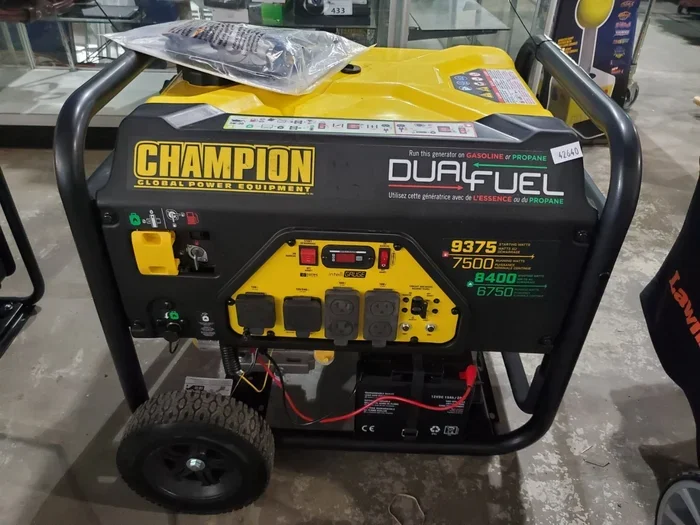
When the power goes out at home, you need reliable backup. The Champion 3400-Watt Dual Fuel Generator runs on both gasoline and propane. It produces around 58 dB, which is quiet enough not to disturb neighbors.
This unit delivers 3400 watts of starting power and 3100 watts of running power. That covers essential home appliances like a refrigerator, sump pump, or a few lights. The electric start makes it simple to fire up, even in an emergency.
It also includes a 750-watt USB port and a 120-volt outlet. The dual fuel option gives you versatility. Propane burns cleaner and stores longer than gasoline, which is a nice bonus for emergency preparedness.
Why Inverter Generators Are the Quietest
If you are shopping for a quietest generator, you will notice that most recommendations point to inverter models. There is a good reason for that. Inverter generators work differently from traditional units, and the difference is huge.
A conventional generator runs at a constant 3600 RPM to produce 60 Hz power. It does not matter if you are running a small lamp or a heavy tool. The engine stays at full speed and makes full noise. That is wasteful and loud.
An inverter generator does things smarter. It generates raw AC power first, then converts it to DC, and finally inverts it back to clean AC power. This two-step process allows the engine to slow down when the load is light. Less engine speed means less noise. That is the core secret behind quiet power.
Inverter generators also produce cleaner power. Total harmonic distortion drops below 3%, which is safe for sensitive electronics like laptops and smartphones. Traditional generators often exceed 20% THD, which can damage delicate devices.
So if you want a portable generator that is both quiet and safe for electronics, an inverter model is the way to go.
How Engine Design Affects Noise
Beyond the inverter technology, engine design plays a big role in noise levels. Several factors come into play:
- Engine size: Smaller engines naturally run quieter than large ones.
- Exhaust system: Mufflers and exhaust baffles reduce sound waves.
- Vibration dampening: Rubber mounts and anti-vibration frames keep the unit from rattling.
- Enclosure design: Sound-dampening shells wrap around the engine and absorb noise.
Top brands invest heavily in all of these areas. That is why a well-built quiet generator costs more than a basic conventional unit. You are paying for engineering and materials that reduce sound.
Features That Make a Generator Quieter
Not all generators with low dB ratings are created equal. Some models include special features that boost noise reduction even further. Here is what to look for.
Soundproof Enclosures
A soundproof enclosure wraps around the generator like a shell. It traps noise inside and prevents it from escaping outward. Some premium models use acoustic foam lining inside the enclosure for even better results.
The Denyo DEN-QB series is a great example. These industrial units feature full acoustic enclosures that bring noise levels down to around 55 dB. That is remarkable for a generator of that size.
If you need a stationary home backup power solution, look for models with built-in enclosures. They keep the sound contained without sacrificing performance.
Eco-Throttle and Smart Throttle Systems
Eco-throttle systems are a game changer. They monitor the connected load and automatically adjust engine speed. When you turn off a device, the engine slows down. When you turn one on, it speeds back up.
This dynamic adjustment keeps noise at a minimum. It also improves fuel efficiency, which means longer run times on less fuel. Most inverter generators from Honda, Yamaha, and Yamaha include this feature.
When shopping, look for terms like “eco mode,” “smart throttle,” or “auto-throttle.” These all refer to the same helpful technology that keeps your quietest generator running at the lowest possible noise level.
Low-Noise Mufflers and Exhaust Design
A good muffler does more than just reduce exhaust noise. It redirects sound waves and absorbs them before they reach the listener. Some generators use multi-chamber muffler designs for superior dampening.
Brands like Honda and Yamaha engineer their exhaust systems in-house. This gives them a distinct advantage over budget brands that use generic mufflers. The difference is noticeable when you stand next to the unit.
If you are comparing models, pay attention to the exhaust design. A well-designed exhaust system can shave several decibels off the total noise output.
Common Mistakes People Make When Buying a Quiet Generator
Buying a quiet generator sounds simple enough. But many shoppers make avoidable mistakes that lead to disappointment. Here are the most common ones.
Relying Only on the Spec Sheet
A dB rating on paper does not tell the whole story. Wind direction, ground surface, and enclosure condition all affect real-world noise. A generator rated at 52 dB in a test lab might sound louder at your campsite.
Always read user reviews and watch video comparisons. Real-world feedback gives you a much clearer picture of how quiet a unit actually is. Do not skip this step.
Ignoring Total Weight and Portability
A quiet generator that is too heavy to move defeats the purpose. Many people buy a powerful unit and then regret it when they realize they cannot carry it to the campsite.
Look for models under 50 pounds if portability matters. Wheels and folding handles add convenience. The best portable generator balances low noise with easy transport.
Overlooking Fuel Type and Run Time
Noise is not the only factor. A quiet generator that runs out of fuel in three hours is not very useful. Check the run time at 25% and 50% load before you buy.
Dual fuel models offer extra flexibility. You can switch between gasoline and propane depending on what is available. Propane also burns cleaner and produces fewer fumes, which is a bonus for indoor-adjacent use.
Choosing the Wrong Size for Your Needs
Buying a generator that is too big or too small leads to frustration. An oversized unit wastes fuel and makes unnecessary noise. An undersized unit struggles to power your devices and may shut down.
Add up the wattage of everything you plan to run. Then add a 20% buffer for safety. Choose a quietest generator that meets or slightly exceeds that total. This ensures smooth, reliable operation without excess noise.
Final Thoughts and Recommendations
Finding the quietest generator on the market comes down to understanding your needs and matching them to the right model. There is no single best unit for everyone. But there is definitely a best unit for you.
If you want the overall best performer, the Honda EU2200i sets the standard. It is quiet, reliable, and efficient. If you are watching your budget, the WEN 56200i delivers solid value without breaking the bank. For RV adventures, the Yamaha EF2000iSv2 offers the perfect balance of power and silence.
Remember to consider where and how you will use the generator. A camping generator has different priorities than a home backup power unit. A tailgate generator needs to be lightweight and easy to set up.
Take your time. Compare models. Read reviews. The right low noise generator will serve you well for years to come. And when the power goes out or the weekend arrives, you will be glad you invested in a unit that keeps things peaceful.
Power does not have to be loud. With today’s inverter generator technology, you can enjoy clean, reliable electricity without the roar. Choose wisely, and enjoy the quiet.
Frequently Asked Questions
What is the quietest generator available today?
The Honda EU2200i is widely regarded as one of the quietest generators on the market, running at just 48 dB on low load. It is an inverter generator that adjusts engine speed to match demand, keeping noise to a minimum while delivering clean, reliable power for camping, tailgating, and home backup needs.
How many decibels is considered quiet for a generator?
A generator under 60 dB is generally considered quiet. Models in the 48 to 55 dB range are classified as whisper-quiet and are ideal for campsites, RV parks, and residential areas where noise complaints are a concern. Always compare dB ratings at the same load percentage for accurate comparisons.
Are inverter generators quieter than conventional generators?
Yes, inverter generators are significantly quieter than conventional models. They use advanced technology to adjust engine speed based on the electrical load, which reduces fuel consumption and noise. A conventional generator runs at full speed all the time, producing more sound and less efficiency overall.
Can a quiet generator power a whole house?
A small portable quietest generator can power essential circuits like lights, a refrigerator, and a sump pump. For full-house backup, you would need a larger standby generator, which tends to be louder. However, some home standby models include soundproof enclosures that keep noise levels manageable.
What should I look for when buying a quiet generator?
Look for an inverter generator with a dB rating under 60. Consider fuel type, run time, weight, and portability. Read real user reviews to understand how the generator performs in actual conditions. Also check for features like eco-throttle, soundproof enclosures, and dual fuel capability for added flexibility.
Do solar generators make noise?
Solar generators produce zero noise since they have no engine. They use solar panels to charge a battery, which then powers your devices. However, they are limited by sunlight availability and battery capacity. For truly silent quiet power, a solar generator is an excellent option for lighter loads like phones, lights, and laptops.