Best Gardner Denver Air Compressor Oil for Your Machine
Choosing the right Gardner Denver air compressor oil is essential for keeping your machine running efficiently and lasting for years. The wrong oil can cause overheating, increased wear, and costly repairs. This guide breaks down the best Gardner Denver air compressor oil options, helps you understand viscosity and synthetic vs. mineral choices, and gives you a step-by-step oil change routine you can follow with confidence.
Gardner Denver air compressor oil is not just another fluid you pour into your machine. It is the lifeblood that keeps your compressor running smoothly, cool, and efficient. Whether you run a small shop or a large industrial facility, choosing the right oil makes a huge difference.
Many people overlook the importance of compressor oil until something goes wrong. They notice strange noises, rising temperatures, or a drop in performance. By then, damage may already be happening inside the machine. The good news is that picking the right Gardner Denver air compressor oil and sticking to a simple maintenance routine can prevent most of these problems.
In this guide, we will walk you through everything you need to know. We will cover the best oils on the market, explain the different types, and show you exactly how to change your oil the right way. By the end, you will feel confident making the best choice for your machine.
Key Takeaways
- Use the right oil: Always match your Gardner Denver air compressor oil to your specific model and operating conditions.
- Synthetic oils last longer: They offer better thermal stability and protection than conventional mineral oils.
- Change oil regularly: Sticking to a consistent oil change schedule prevents buildup and extends compressor life.
- Check your manual first: Gardner Denver provides specific oil recommendations for each compressor model.
- Watch for warning signs: Dark or gritty oil means it is time for a change.
- Avoid common mistakes: Overfilling, using the wrong viscosity, and skipping filter changes can damage your machine.
📑 Table of Contents
- Why Choosing the Right Gardner Denver Air Compressor Oil Matters
- Top Gardner Denver Air Compressor Oils Reviewed
- How to Choose the Best Oil for Your Gardner Denver Compressor
- Gardner Denver Air Compressor Oil Change Guide
- Common Mistakes to Avoid with Gardner Denver Air Compressor Oil
- Expert Tips for Extending Gardner Denver Air Compressor Oil Life
- Conclusion
Why Choosing the Right Gardner Denver Air Compressor Oil Matters
Your compressor works hard. It pulls in air, compresses it, and delivers it at high pressure. This process creates a lot of heat and friction. Without proper lubrication, metal parts grind against each other, wear out fast, and eventually fail.
The right Gardner Denver air compressor oil does several important jobs:
- Reduces friction between moving parts
- Cools the compressor during operation
- Seals gaps between rotors and housing
- Prevents rust and corrosion inside the tank
- Carries away contaminants to the oil filter
Using the wrong oil can cause serious problems. Too-thin oil will not provide enough protection. Too-thick oil will strain the motor and reduce efficiency. That is why matching your Gardner Denver air compressor oil to your specific model matters so much.
Understanding Oil Viscosity
Viscosity is a measure of how thick or thin your oil is at different temperatures. You will see it listed as something like ISO 46 or ISO 68 on the label.
Lower numbers mean the oil flows more easily. Higher numbers mean it is thicker. Gardner Denver compressors typically work best with ISO 46 or ISO 68 oils. Always check your owner’s manual before making a choice.
Temperature plays a big role here. In hot environments, you may need a slightly thicker oil to maintain proper film strength. In cold environments, a thinner oil helps the compressor start up smoothly.
Synthetic vs. Mineral-Based Oils
There are two main types of Gardner Denver air compressor oil: synthetic and mineral-based. Each has its own strengths.
Synthetic oils are engineered in a lab. They offer excellent thermal stability, meaning they resist breaking down at high temperatures. They also last longer between changes, which saves you time and money in the long run.
Mineral-based oils come from refined petroleum. They work well for standard applications and are usually more affordable upfront. However, they break down faster under heavy use and may need more frequent changes.
For most users, synthetic Gardner Denver air compressor oil is the better investment. The extended drain intervals and superior protection make it worth the extra cost.
Top Gardner Denver Air Compressor Oils Reviewed
Not all compressor oils are created equal. Some stand out for their performance, longevity, and protection. Here are some of the best Gardner Denver air compressor oil options available today.
Gardner Denver Original Equipment Oil
Gardner Denver makes its own factory-recommended oils. These are designed to work perfectly with their compressors. The OEM oils meet all the specifications Gardner Denver recommends.
Using Gardner Denver-branded oil gives you peace of mind. It is tested specifically for their machines. If you are still under warranty, using the OEM oil can also protect your coverage.
The downside? OEM oils can be pricier than third-party alternatives. But for many users, the compatibility and reliability are worth it.
Synthetic Rotary Screw Compressor Oils
Several brands make excellent synthetic oils that work well with Gardner Denver rotary screw compressors. Look for oils that meet ISO 46 or ISO 68 specifications.
Popular brands in this category include:
- Shell Corena – Known for excellent thermal stability
- Atlas Copco GA series oils – Widely trusted in the industry
- Ingersoll-Rand Ultra Coolant – Great for high-duty cycles
- Quincy QT-46 – A solid performer at a fair price
These synthetic oils offer extended service life, often lasting 4,000 to 8,000 operating hours. They also help keep your compressor cleaner by reducing carbon buildup.
Budget-Friendly Mineral Oil Options
If you are running a lighter-duty compressor or have a tight budget, mineral-based oils work fine. Look for options that match your Gardner Denver air compressor oil specifications on the label.
Brands like Mannol and Liqui Moly offer affordable compressor oils that get the job done. Just be prepared to change them more frequently than synthetic options.
Comparison Table
| Oil Type | Typical Lifespan | Best For | Price Range |
|---|---|---|---|
| Gardner Denver OEM Oil | 4,000-6,000 hours | Warranty protection | $$$ |
| Synthetic Rotary Screw Oil | 4,000-8,000 hours | Heavy-duty use | $$ |
| Mineral-Based Oil | 2,000-4,000 hours | Light-duty use | $ |
| High-Temp Synthetic Blend | 6,000-10,000 hours | Extreme conditions | $$$$ |
How to Choose the Best Oil for Your Gardner Denver Compressor
Choosing the right Gardner Denver air compressor oil does not have to be confusing. Follow these steps to make the right decision every time.
Step 1: Check Your Owner’s Manual
Your owner’s manual is the best place to start. It tells you exactly what oil Gardner Denver recommends for your specific model. Look for the viscosity grade and any special requirements.
If you have lost your manual, you can usually find a digital copy on the Gardner Denver website. Their support team can also help you identify the correct oil.
Step 2: Consider Your Operating Conditions
Think about how and where you use your compressor. Do you run it in a hot factory? A cold garage? Do you use it continuously or in short bursts?
Heavy-duty, continuous use demands a high-quality synthetic oil. Light intermittent use can get by with a good mineral oil. Extreme temperatures call for oils with a wide viscosity range.
Step 3: Check the Oil Specifications
Look for oils that meet these key specifications:
- ISO viscosity grade: Usually 46 or 68
- Anti-oxidation properties: Prevents oil breakdown
- Water separation capability: Keeps moisture out of the system
- Low carbon formation: Reduces buildup inside the compressor
Step 4: Buy from Trusted Sources
Always purchase your Gardner Denver air compressor oil from reputable suppliers. Counterfeit or low-quality oils can cause more harm than good. Stick with authorized dealers or well-known brands.
Gardner Denver Air Compressor Oil Change Guide
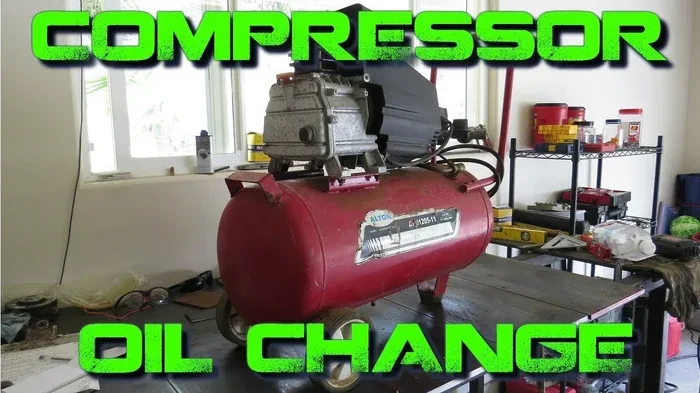
Changing your compressor oil is one of the simplest maintenance tasks you can do. But doing it right makes all the difference. Follow this step-by-step guide for a clean, effective oil change.
What You Will Need
- New Gardner Denver air compressor oil (correct type and amount)
- Oil drain pan
- Socket wrench or oil drain plug tool
- Clean rags
- New oil filter (if applicable)
- Gloves and safety glasses
Step-by-Step Process
Step 1: Run the compressor for 5-10 minutes. Warm oil flows more easily and carries more contaminants out with it.
Step 2: Turn off the machine and let it cool slightly. You do not want to burn yourself, but the oil should still be warm.
Step 3: Place the drain pan under the drain plug. Locate the drain plug on the bottom of the oil reservoir.
Step 4: Open the drain plug and let the old oil flow out completely. This may take several minutes. Be patient and let it all drain.
Step 5: Remove the old oil filter. If your compressor has a replaceable filter, swap it out now. Apply a thin layer of new oil to the gasket of the new filter before installing.
Step 6: Close the drain plug securely. Tighten it snugly but do not overtighten.
Step 7: Fill with new oil. Use the type and amount specified in your manual. Check the level with the sight glass or dipstick.
Step 8: Run the compressor for a few minutes. Check for leaks around the drain plug and filter. Then check the oil level again and top off if needed.
How Often Should You Change the Oil?
For most Gardner Denver compressors, oil changes are recommended every 1,000 to 2,000 hours of operation. Synthetic oils can go longer, sometimes up to 4,000 hours. Always refer to your specific model’s maintenance schedule.
If you operate in dusty or harsh conditions, you may need to change your oil more frequently. Contaminants get into the oil faster and reduce its effectiveness.
Common Mistakes to Avoid with Gardner Denver Air Compressor Oil
Even experienced operators make mistakes when it comes to compressor oil. Here are the most common errors and how to avoid them.
Using the Wrong Oil Type
This is the number one mistake. Using a generic oil that does not meet your compressor’s specifications can lead to poor lubrication, overheating, and premature wear. Always use Gardner Denver air compressor oil that matches the recommended viscosity and grade.
Overfilling or Underfilling
Too much oil causes foaming and reduced efficiency. Too little oil means insufficient lubrication. Always check the oil level after each change and keep it between the minimum and maximum marks on the sight glass.
Skipping Oil Filter Changes
Fresh oil in a dirty filter does not do much good. The old filter will contaminate the new oil quickly. Always replace the oil filter during every oil change.
Ignoring Oil Analysis
Some advanced users send oil samples for laboratory analysis. This tells you exactly what is happening inside your compressor. You can catch problems like metal wear or water contamination before they become serious issues.
Waiting Too Long Between Changes
Oil degrades over time, even when the compressor is not running. Old oil loses its lubricating properties and becomes acidic. This leads to corrosion inside the compressor. Stick to your maintenance schedule no matter what.
Expert Tips for Extending Gardner Denver Air Compressor Oil Life
Want to get the most out of every oil change? These expert tips will help you extend the life of your Gardner Denver air compressor oil and keep your machine running at peak performance.
Keep the Compressor Clean
Dust and debris around the compressor can get into the oil system. Wipe down the exterior regularly and keep the intake vents clear. A clean machine runs cooler and stays cleaner inside.
Monitor Oil Temperature
Excessive heat breaks down oil faster. If your compressor runs hotter than normal, check for issues like clogged coolers, low oil levels, or worn parts. Keeping temperatures in check extends oil life significantly.
Check for Air Leaks
Air leaks force your compressor to work harder than it needs to. This increases heat and stress on the oil. Inspect hoses, fittings, and connections regularly and fix leaks promptly.
Use Quality Filters
Cheap oil filters may not capture contaminants effectively. Invest in high-quality filters that match your Gardner Denver air compressor oil system. Good filtration keeps the oil cleaner longer.
Store Oil Properly
When storing extra oil, keep it in a cool, dry place. Seal the container tightly to prevent moisture and dirt from getting in. Old or contaminated oil should never go into your compressor.
Keep a Maintenance Log
Write down every oil change, filter replacement, and inspection. This helps you spot patterns and stay on top of your maintenance schedule. It also comes in handy if you ever need to make a warranty claim.
Conclusion
Choosing the best Gardner Denver air compressor oil is one of the most important things you can do for your machine. The right oil protects your compressor, improves efficiency, and saves you money on repairs over time.
Whether you choose a Gardner Denver OEM oil or a high-quality synthetic alternative, make sure it matches your model’s specifications. Follow a consistent oil change schedule, avoid common mistakes, and keep your compressor clean.
Your compressor works hard for you every day. Taking care of it with the right Gardner Denver air compressor oil is the least you can do. Start with the tips in this guide, and you will notice the difference in performance and reliability.
Take a few minutes today to check your oil level and condition. Small actions like this add up to big savings and a longer-lasting machine. Your compressor will thank you for it.
Frequently Asked Questions
Can I use any oil in my Gardner Denver air compressor?
No, you should always use oil that meets Gardner Denver’s specifications for your specific model. Check your owner’s manual for the recommended viscosity and oil type. Using the wrong oil can void your warranty and cause premature wear.
How often should I change the oil in my Gardner Denver compressor?
Most Gardner Denver compressors need an oil change every 1,000 to 2,000 hours of operation. Synthetic oils can extend this interval to 4,000 hours or more. Always follow the maintenance schedule in your user manual for the best results.
What is the difference between ISO 46 and ISO 68 Gardner Denver air compressor oil?
ISO 46 oil is thinner and works well in moderate temperatures and lighter-duty applications. ISO 68 oil is thicker and better suited for heavy-duty use or hotter operating conditions. Check your compressor manual to see which grade your model requires.
Can I switch from mineral oil to synthetic Gardner Denver air compressor oil?
Yes, you can switch to synthetic oil at any time. In fact, many users find that synthetic oil provides better protection and lasts longer. Just make sure the synthetic oil meets the same viscosity and specification requirements as your previous oil.
What are the signs that my Gardner Denver air compressor oil needs changing?
Common signs include dark or gritty oil, rising operating temperatures, decreased performance, and unusual noises. If your oil smells burnt or you notice increased moisture in the air output, it is likely time for an oil change.
Is Gardner Denver air compressor oil expensive compared to other brands?
Gardner Denver OEM oils tend to be priced higher than third-party alternatives. However, they are specifically formulated for Gardner Denver compressors and often provide excellent value when you consider the protection and warranty coverage they offer. Synthetic third-party oils can also be a cost-effective alternative.