Old Craftsman Air Compressor Manuals You Need To Find
You need old Craftsman air compressor manuals to fix, maintain, and restore your vintage compressor. These guides contain wiring diagrams, parts lists, and step-by-step repair instructions. We’ll show you where to find them and how to use them effectively.
You own a vintage Craftsman air compressor. It’s a workhorse that’s been in your garage for decades. But when it breaks down, you feel lost. That’s where old Craftsman air compressor manuals come in. These booklets hold the secrets to fixing, maintaining, and restoring your machine.
Many people throw away these manuals or lose them over time. They don’t realize that a single PDF can save them hundreds of dollars. A Craftsman air compressor manual gives you wiring diagrams, parts lists, and step-by-step repair instructions. You can troubleshoot problems in minutes instead of hours.
In this guide, we’ll show you exactly where to find these manuals. We’ll also explain how to identify your model and use the information correctly. Whether you have a pancake compressor or a large wheelbarrow unit, this article has you covered.
Key Takeaways
- Old manuals hold exact specs: They give you torque settings, oil types, and wiring diagrams that generic guides miss.
- Identify your model first: The data plate model number is the key to finding the right manual.
- Free PDFs are widely available: Many sites offer old Craftsman manuals at no cost.
- Troubleshooting becomes faster: Manuals include charts that help you diagnose problems in minutes.
- Maintenance schedules save money: Following the manual’s routine keeps your compressor running for decades.
- Community forums are goldmines: Other owners often share scanned copies of rare manuals.
📑 Table of Contents
- Why Old Craftsman Air Compressor Manuals Are Still Essential
- How to Find the Right Old Craftsman Air Compressor Manuals for Your Model
- Where to Find Old Craftsman Air Compressor Manuals
- Troubleshooting Common Issues Using Vintage Manuals
- Restoring and Maintaining Your Craftsman Compressor
- Conclusion
Why Old Craftsman Air Compressor Manuals Are Still Essential
The history of Craftsman air compressors spans decades. Their machines were built to last. The manuals that came with them are full of engineering wisdom. They explain how each part works. They also list the correct torque settings and oil types. Without a manual, you’re guessing. You might use the wrong oil and ruin the pump. Old manuals give you the exact specs. They tell you which belts fit which models. They also show you the correct electrical hookups. This saves time and prevents costly mistakes.
The Value of Vintage Craftsmanship
Craftsman compressors were designed with simplicity in mind. The manual walks you through every component. You’ll learn about the piston, cylinder, and valve plate. You’ll see how the unloader valve releases pressure. The manual also explains the drive belt system. It tells you the correct tension and alignment. This level of detail is rare in modern generic guides. Vintage manuals were written by the people who built the machines. They know the quirks of each model. That knowledge is invaluable for restoration projects.
What You’ll Find Inside These Manuals
Every old Craftsman air compressor manual contains similar sections. You’ll find a parts diagram. This shows every component with a number. There’s a exploded-view drawing. You can match numbers to parts. The manual lists replacement part numbers too. It includes an air compressor parts list and a troubleshooting chart. This helps you diagnose problems fast. You’ll also get maintenance schedules. These tell you when to change the oil or check the belts. Some manuals even have a Craftsman compressor schematic and wiring schematics. Those are gold for electrical issues. The safety warnings are also important. They remind you to wear gloves and eye protection.
Quick Tips for Using Old Manuals
- Always keep your manual in a dry place. Moisture can ruin the paper.
- If you lost the original, look for a PDF online. Many sites offer free scans.
- Print the troubleshooting chart and keep it in your garage.
- Highlight the parts diagram with a marker for quick reference.
Common Mistakes When Ignoring the Manual
Assuming you don’t need a manual because the compressor looks simple is a big error. You might overtighten a fitting and crack the tank. You might use the wrong oil and cause the pump to seize. The manual tells you the exact oil weight. It also shows the correct torque for every bolt. Ignoring these details leads to breakdowns. Always follow the manual’s instructions.
Expert Insights: Why Repair Shops Rely on Old Manuals
Many repair shops use old manuals as their primary reference. They know that modern generic guides often miss Craftsman-specific quirks. A 1980s manual will have the exact wiring for that year’s motor. It will list the exact capacitor size. It will show the correct pressure switch settings. This precision saves hours of trial and error. Old manuals are like a cheat sheet for vintage machines. They are the best resource for Craftsman compressor repair and serve as a Craftsman service manual for your machine.
How to Find the Right Old Craftsman Air Compressor Manuals for Your Model
You need the correct manual for your specific compressor. Using a manual for the wrong model can cause problems. The manual might list parts that don’t fit. It might show wiring that doesn’t match. That’s why identifying your model is the first step. Take your time and get it right.
Decoding the Model Number Plate
Every Craftsman compressor has a data plate. It’s usually on the tank or the motor housing. The plate has a model number, serial number, and type code. The model number might look like 315.299201 or 536.900100. You need this number to find the correct manual. Write it down exactly. Don’t guess. Knowing the Craftsman model numbers helps you narrow down your search. The first few digits often indicate the series. For example, 315 series are pancake compressors. The 536 series are larger wheelbarrow models.
Common Craftsman Compressor Series
Craftsman made many compressor types. Here are the most common ones:
- Pancake compressors (model 315 series): Lightweight and portable. Great for small garages.
- Hot dog compressors (model 315.2 series): Vertical tank design.
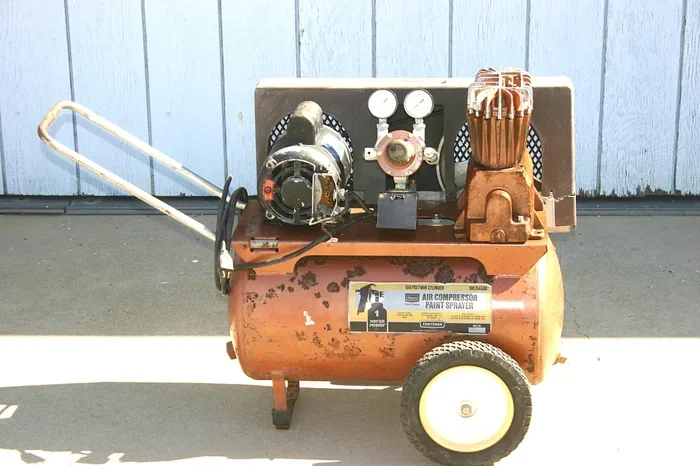
- Wheelbarrow compressors (model 536 series): Two wheels, easy to move.
- Stationary compressors (model 921 series): Larger tanks for workshops.
Each series has its own manual. Using the wrong manual can lead to errors. Always match the series to your model number.
| Series | Model Range | Tank Shape | Typical Use |
|---|---|---|---|
| 315 Pancake | 315.299xxx | Flat, round | Small garages, DIY |
| 315.2 Hot Dog | 315.299xxx | Vertical cylinder | Home workshops |
| 536 Wheelbarrow | 536.900xxx | Horizontal, two wheels | Contractors, mobile use |
| 921 Stationary | 921.xxxxx | Large horizontal tank | Industrial, shop use |
Quick Tip for Identifying Models
If the plate is worn, look for casting numbers on the pump housing. You can cross-reference them online. Many forums have lists of these numbers. The casting number is often stamped near the air outlet. It can help you confirm the model when the plate is gone.
Common Mistakes in Model Identification
Assuming all 315 series models are the same is a mistake. A 315.299201 has different parts than a 315.299301. The serial number can also affect the manual. Early models might have different wiring. Always use the exact model number from the plate. Don’t round it or guess.
Where to Find Old Craftsman Air Compressor Manuals
The internet makes it easier than ever to locate these guides. You don’t need to hunt through dusty garages anymore. A few clicks can bring the manual to your screen. Here are the best places to look.
Online Archives and PDF Libraries
Websites like ManualsLib and ManualsOnline host thousands of PDFs. You can search by model number. Some sites offer free downloads. Others charge a small fee. Always check the site’s reputation. Look for user reviews. The Craftsman manual PDF is often available in seconds. Just enter your model number. You’ll see a list of available manuals. Choose the one that matches your model exactly. This is a great way to get a Craftsman manual download or find a Craftsman compressor manual online with ease.
Community Forums and Swap Meets
Old Craftsman owners love to share. Forums like GardenWeb and Reddit have dedicated groups. Members often scan and upload manuals. You can ask for a specific manual. Someone might have a copy. Swap meets and estate sales are also great. You can find old manuals for a dollar or two. Bring a flashlight and look in toolboxes. You never know what you’ll find.
Manufacturer and Dealer Support
Sears, the original seller, no longer exists. But Craftsman tools are now sold at different stores. You can contact the current brand owner. They sometimes have archives of old manuals. Local dealers who sell Craftsman compressors might also help. They keep old catalogs and service sheets. Don’t be afraid to call them. They’re often happy to assist.
Expert Insights: The Best Source for Rare Manuals
I once found a 1970s manual for a Craftsman 1HP compressor at an estate sale. The owner had no idea it was worth more than $50. It solved a motor wiring issue in minutes. If you need a rare manual, try estate sales first. They’re full of hidden treasures. Also, check online auction sites for scanned copies.
Common Mistakes When Downloading Manuals
Downloading a manual for a similar model number but a different year is a common error. Always double-check the exact model. A manual for a 1995 model might not work for a 1985 model. The parts and wiring can differ. Take the extra time to verify.
Troubleshooting Common Issues Using Vintage Manuals
When your compressor acts up, the manual is your first stop. It has the answers to most common problems. You don’t need to be a mechanic to follow the steps. The manual breaks it down in simple terms. This is the ultimate guide for compressor troubleshooting.
Pressure and Tank Problems
Low pressure is a common issue. The manual will show you how to adjust the pressure switch. It also explains how to check the unloader valve. A stuck unloader valve causes the motor to stall. The manual gives step-by-step instructions to clean it. Tank rust can also cause leaks. The manual tells you how to drain the tank after each use. It also lists the correct tank inspection intervals. You’ll learn how to check for pinhole leaks. The manual shows the correct way to apply sealant to the Craftsman compressor tank.
Motor and Electrical Faults
If the compressor won’t start, check the manual’s wiring diagram. You’ll see the correct connections for the motor. A faulty capacitor is often the culprit. The manual shows the capacitor’s location and rating. You can test it with a multimeter. The manual also explains how to replace the pressure switch safely. Always disconnect power first. The safety section in the manual reminds you of this. It also lists the correct wire gauge for the motor.
Quick Tips for Troubleshooting
- Keep a copy of the manual’s wiring diagram in your garage. You’ll need it one day.
- Write down the pressure switch settings from the manual. Tape them to the compressor.
- Use the troubleshooting chart to isolate the problem fast.
- Never ignore a safety warning in the manual. It’s there to protect you.
Common Mistakes When Troubleshooting
Ignoring the manual’s safety warnings is dangerous. Never bypass a pressure switch or safety valve. Another mistake is using the wrong replacement part. The manual lists the exact part number. Using a similar but wrong part can cause more damage. Always order the part that matches the diagram.
Expert Insights: How a Manual Saved a Weekend Project
A friend once spent an entire weekend trying to fix a pressure leak. He had no manual. He replaced every fitting. Nothing worked. I lent him my old Craftsman manual. It showed a small O-ring that was missing. He fixed it in ten minutes. The manual had a parts diagram that revealed the O-ring’s location. That’s the power of having the right guide for Craftsman compressor repair.
Restoring and Maintaining Your Craftsman Compressor
Regular maintenance keeps your compressor running strong. The manual provides a maintenance schedule. Following it is the best way to avoid breakdowns. Restoration projects also benefit from old manuals. They show you the original assembly steps. This is the foundation of air compressor maintenance.
Step-by-Step Maintenance Routines
The manual provides a maintenance schedule. Follow it to keep your compressor running. Here’s a simple routine:
- Check the oil level before each use. The manual specifies the correct oil type.
- Drain the tank moisture after every session.
- Inspect the air filter monthly. Clean or replace it as needed.
- Tighten all fittings every three months.
- Change the oil every 500 hours of use.
- Replace the belt if you hear squealing.
These steps are in the manual. They keep the compressor efficient. They also extend the life of the pump.
Quick Tips for Longevity
- Store the compressor in a dry, covered area.
- Use a moisture trap to protect your tools.
- Keep spare parts like belts and filters on hand.
- Label all hoses and fittings with their sizes.
- Run the compressor for 10 minutes once a month if not used often.
These tips come from old manual wisdom. They’re simple habits that make a big difference.
Common Maintenance Mistakes
Skipping oil changes because the compressor still runs is a big mistake. Old oil becomes acidic and damages the pump. Not draining the tank leads to rust. Rust weakens the tank and can cause explosions. Always follow the manual’s maintenance schedule. It’s there for a reason.
Expert Insights: The 40-Year-Old Compressor
I’ve seen compressors run for 40 years with basic care. The manual’s maintenance schedule is the key. It’s like a recipe for longevity. The original owner kept the manual and followed it to the letter. That’s why the machine still works today. You can do the same.
Conclusion
In the end, old Craftsman air compressor manuals are more than just paper. They are your roadmap to a working compressor. They save you money, time, and frustration. Whether you’re fixing a leak or doing a full restoration, the manual has the answers. Take the time to find yours. Your Craftsman compressor will thank you. Start your search today and bring your vintage machine back to life.
Frequently Asked Questions
Can I find a free PDF of my old Craftsman air compressor manual?
Yes, many sites offer free downloads. ManualsLib and ManualsOnline are great starting points. Just search by your model number and you’ll often find the PDF instantly.
What if my model number is worn off?
Look for casting numbers on the pump or motor housing. You can cross-reference them on forums or with a dealer. Many owners have shared these lists online for free.
Are old Craftsman air compressor manuals still relevant for modern repairs?
Absolutely. The mechanical principles haven’t changed. The wiring and parts diagrams are still accurate for vintage models. They remain the best source for exact specs.
How do I know which manual fits my compressor?
Match the exact model number from the data plate. The model number is unique to your machine. Using a manual for a similar model can cause errors.
What’s the most common mistake people make when using old manuals?
They assume all models in the same series are identical. Always verify the specific model number and year. Small changes can affect parts and wiring between years.
Where can I buy a physical copy of an old Craftsman manual?
Estate sales, flea markets, and online auction sites are good sources. You can also contact Sears archives or current Craftsman dealers. Some collectors sell rare manuals for a premium.