How to Choose the Best Air Compressor Pressure Sensor
Choosing the right air compressor pressure sensor ensures your compressor runs safely, efficiently, and lasts longer. This guide covers every type of sensor, key features to look for, common mistakes to avoid, and practical buying tips. You will walk away knowing exactly which sensor fits your compressor setup and budget.
Your air compressor works hard every day. It fills tanks, powers tools, and keeps operations running smooth. But here is the thing most people overlook. The air compressor pressure sensor is the quiet hero that makes all of it possible. Without it, your compressor would not know when to stop, when to start, or how much pressure is building inside the tank.
Whether you run a small workshop or a large industrial facility, picking the right sensor is a big deal. A bad sensor leads to wasted energy, higher electricity bills, and even dangerous overpressure situations. A good one keeps everything running safe and efficient. This guide will walk you through everything you need to know. We will cover types of sensors, what features matter most, and how to avoid common buying mistakes.
By the end of this article, you will feel confident choosing the best sensor for your setup. Let us dive in.
Key Takeaways
- Right sensor matters: The correct air compressor pressure sensor keeps your system safe and running at peak performance.
- Know your types: Diaphragm, piezoelectric, and analog sensors each serve different compressor needs and pressure ranges.
- Check compatibility: Always match the sensor to your compressor tank size, PSI range, and pneumatic system requirements.
- Digital vs analog: Digital pressure gauges offer precision, while analog gauges provide simplicity and durability.
- Installation tips count: Proper mounting, calibration, and maintenance prevent costly compressor troubleshooting and downtime.
- Watch for red flags: Inaccurate readings, leaks, and frequent pressure switch trips signal a failing sensor that needs replacement.
📑 Table of Contents
- What Is an Air Compressor Pressure Sensor?
- Types of Air Compressor Pressure Sensors
- Key Features to Look For
- How to Install and Maintain Your Pressure Sensor
- Common Mistakes When Choosing a Pressure Sensor
- Expert Insights on Pressure Sensor Selection
- How to Know When to Replace Your Sensor
- Final Thoughts
What Is an Air Compressor Pressure Sensor?
An air compressor pressure sensor is a device that measures the force of compressed air inside your compressor system. It reads the PSI, or pounds per square inch, and sends that information to your pressure switch or gauge. This tells the compressor when to turn on and when to shut off.
Think of it like a thermostat for your compressor. Just as a thermostat reads room temperature and controls the heater, a pressure sensor reads air pressure and controls the compressor motor. Without it, your compressor would run nonstop or never start at all.
These sensors come in many shapes and sizes. Some are built right into the compressor. Others are aftermarket accessories you can add to an older setup. No matter the type, they all serve the same purpose. They keep your compressor pressure within a safe and useful range.
The sensor works by detecting changes in air force. When pressure builds up inside the compressor tank, the sensor feels that force. It then sends a signal to the pressure switch. The switch either cuts power to the motor or lets it keep running. This cycle repeats automatically every time you use compressed air.
Why the Sensor Matters for Compressor Performance
A weak or broken sensor causes real problems. Your compressor might overpressurize, which can damage the tank or fittings. Or it might underperform, giving you inconsistent air pressure for your tools. Either way, you lose money and productivity.
A good pressure sensor also helps with compressor maintenance. It gives you early warning signs. If the sensor starts reading inaccurately, that tells you something is off inside the system. Catching these small issues early saves you from expensive repairs later.
Types of Air Compressor Pressure Sensors
Not all sensors work the same way. Different types use different technologies to measure pressure. Let us look at the most common ones you will find on the market.
Diaphragm Pressure Sensors
Diaphragm sensors use a flexible membrane that bends when air pressure pushes against it. This bending motion gets converted into an electrical signal. The signal then tells the compressor how much pressure is inside the tank.
These sensors work great for low to medium pressure ranges. Most home and small workshop compressors use diaphragm sensors. They are reliable, affordable, and easy to replace. If you have a standard DIY compressor in your garage, this is likely the type you already have.
One thing to keep in mind. Diaphragm sensors can wear out over time. Constant pressure cycling and moisture inside the tank can stretch or damage the membrane. Regular inspection helps you catch problems early.
Piezoelectric Pressure Sensors
Piezoelectric sensors use a special crystal that generates a small electrical charge when pressure is applied. These sensors are highly accurate and respond very fast. They are commonly found in industrial compressors and high-performance pneumatic systems.
If you run a manufacturing facility or a workshop with heavy-duty tools, a piezoelectric sensor is worth considering. They handle high pressure ranges and extreme conditions better than diaphragm types. The tradeoff is cost. They are more expensive upfront, but they last longer and provide excellent precision.
Analog vs Digital Pressure Sensors
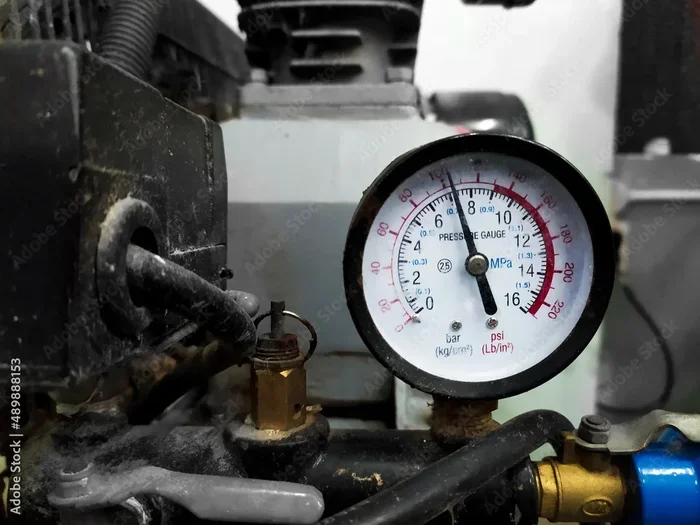
Analog sensors use a traditional gauge with a needle that moves up and down. They are simple, durable, and easy to read at a glance. Most compressors come with an analog compressor gauge from the factory.
Digital sensors, on the other hand, display pressure numbers on an LCD screen. They offer much higher precision and often include extra features. Many digital models let you set custom pressure limits and alerts. Some even connect to apps or monitoring systems for remote pressure monitoring.
Here is a quick comparison to help you decide.
- Analog sensors: Simple, durable, affordable, easy to read.
- Digital sensors: Precise, feature-rich, data-capable, slightly more expensive.
For most home users, an analog gauge works perfectly fine. But if you need exact readings or want to track pressure trends, go digital.
Key Features to Look For
Not every air compressor pressure sensor is created equal. When shopping, pay attention to these important features.
Pressure Range and PSI Rating
The pressure range is the most critical spec. You need a sensor that matches your compressor tank and system requirements. Most home compressors operate between 100 and 150 PSI. Industrial units can go well above 200 PSI.
Always check the maximum PSI rating before buying. If your sensor cannot handle the pressure, it will fail or give dangerous inaccurate readings. Pick a sensor rated slightly above your compressor maximum for a safety buffer.
Accuracy and Calibration
Accuracy matters more than you might think. A sensor that is off by even a few PSI can cause problems. Your tools might not work properly, or your compressor might cycle too frequently.
Look for sensors with a stated accuracy percentage. Anything within plus or minus 1 to 2 percent is good for most applications. Some premium models offer even tighter tolerances. Also check if the sensor allows for pressure calibration. Over time, all sensors drift. A calibratable sensor saves you money in the long run.
Response Time
Response time is how fast the sensor detects pressure changes. A fast response time means the compressor shuts off quickly when the tank reaches the target PSI. This prevents overpressurizing and saves energy.
Slow response sensors let the compressor run too long. This wastes electricity and wears out the motor faster. If you notice your compressor runs longer than it should, a slow sensor might be the culprit.
Durability and Build Quality
Your compressor works in a tough environment. There is vibration, moisture, heat, and dust. The sensor needs to handle all of that. Look for sensors with sturdy housings, usually made from metal or heavy-duty plastic.
Sealed sensors resist moisture better, which is important since compressor tanks naturally produce condensation. If your workshop is dusty or dirty, choose a sensor with a protective cover or filter.
Compatibility With Your Compressor
This sounds obvious, but it trips up a lot of buyers. Not every sensor fits every compressor. Check the thread size, connection type, and mounting style before purchasing.
Common connection types include NPT (National Pipe Thread) and quick-connect fittings. Measure your existing port size carefully. If you are unsure, check your compressor manual or contact the manufacturer. Buying the wrong fitting means returning the sensor or doing extra work.
How to Install and Maintain Your Pressure Sensor
Installing a new air compressor pressure sensor is not hard. Most people can do it themselves with basic tools. But proper installation makes a huge difference in how well the sensor works.
Installation Steps
First, turn off the compressor and unplug it from the power source. Safety always comes first. Release any remaining pressure from the compressor tank by opening the drain valve.
Next, locate the existing sensor or pressure switch port. Remove the old sensor carefully. Clean the port to remove any dirt or old sealant. Wrap the new thread with Teflon tape to ensure a tight, leak-free connection. Screw the new sensor in by hand first, then tighten it with a wrench. Do not overtighten.
Once installed, plug the compressor back in and let it run. Watch the new sensor gauge as the tank fills. Check for any air leaks around the connection. If you hear hissing, turn it off and reseat the fitting.
Maintenance Tips for Longevity
Your pressure sensor does not need much upkeep, but a little care goes a long way. Here are some simple tips.
- Check the gauge regularly. Look for any signs of damage, cracks, or fogging inside the display.
- Clean the sensor port. Wipe away dust and moisture buildup every few weeks.
- Calibrate annually. Use a known pressure source to verify accuracy. If readings are off, recalibrate or replace the sensor.
- Replace worn seals. The O-ring or gasket around the sensor can dry out over time. Replace it if you notice any leaks.
- Monitor compressor pressure switch behavior. If the switch trips too early or too late, the sensor might be failing.
Regular maintenance keeps your compressor running smoothly. It also extends the life of the entire pneumatic system. Think of it like changing the oil in your car. A small effort that pays big rewards.
Common Mistakes When Choosing a Pressure Sensor
Even experienced compressor owners make mistakes when picking a sensor. Here are the ones to avoid.
Ignoring the Pressure Range
This is the number one mistake. People buy a sensor based on price alone without checking the PSI rating. If the sensor cannot handle your compressor maximum pressure, it will break. Worse, it can create a safety hazard.
Skipping Compatibility Checks
Thread size and connection type matter a lot. A sensor that does not fit properly will leak air and give false readings. Always double-check compatibility before ordering.
Choosing Price Over Quality
Cheap sensors might save you money upfront, but they often fail faster and read less accurately. Spending a little more on a quality sensor pays off through reliability and fewer compressor troubleshooting headaches.
Neglecting Calibration
Even the best sensor drifts over time. If you never calibrate, your readings become less trustworthy. Set a reminder to check calibration at least once a year.
Forgetting About Environmental Factors
Moisture, heat, and dust all affect sensor performance. If your compressor operates in a harsh environment, choose a sensor rated for those conditions. A sensor designed for a clean lab setting will not last long in a dusty workshop.
Expert Insights on Pressure Sensor Selection
We talked to several compressor technicians to get their advice on choosing the best sensor. Here is what they had to say.
Start with your compressor manual. The manufacturer usually lists the recommended sensor specs. This is your best starting point. It tells you the exact PSI range, connection type, and compatibility requirements.
Do not ignore the pressure relief valve. The sensor and the relief valve work together. If the sensor fails, the relief valve should catch the overpressure. Make sure both components are in good working order.
Consider smart sensors for larger setups. If you manage multiple compressors or a large pneumatic system, smart sensors with digital monitoring can save you time and money. They alert you to pressure drops, sensor failures, and maintenance needs in real time.
Buy from reputable brands. Stick with trusted manufacturers who specialize in air compressor accessories. Brands with good warranties and customer support make the buying process much smoother.
When in doubt, ask for help. If you are not sure which sensor fits your compressor, contact the manufacturer or a local supply store. They can match the sensor to your specific model and setup.
How to Know When to Replace Your Sensor
Even the best air compressor pressure sensor will eventually need replacing. Here are the signs that it is time for a new one.
- Inaccurate readings. The gauge shows pressure that does not match how the tools are performing.
- Frequent pressure switch cycling. The compressor turns on and off more often than normal.
- Visible damage. Cracks, corrosion, or fogging on the sensor face.
- Air leaks around the sensor. Hissing sounds or hissing air near the sensor connection point.
- Age. Most sensors last 3 to 5 years with proper care. If yours is older, consider replacing it proactively.
Replacing a sensor is usually quick and affordable. Most replacement sensors cost between 20 and 80 dollars depending on the type. It is a small price to pay for safe, reliable compressor operation.
Final Thoughts
Choosing the best air compressor pressure sensor does not have to be overwhelming. Start by understanding your compressor type and pressure needs. Pick the right sensor type for your application. Check the pressure range, accuracy, and compatibility. Install it properly and maintain it regularly.
A quality sensor keeps your compressor safe, efficient, and running strong. It saves you money on energy bills and prevents costly breakdowns. Whether you are a weekend DIYer or a professional operator, taking the time to choose the right sensor is one of the best decisions you can make for your compressor system.
Now that you know what to look for, you are ready to make a smart choice. Trust your research, pick a reliable sensor, and enjoy the confidence that comes with a well-maintained compressor.
Frequently Asked Questions
What is the difference between a pressure sensor and a pressure switch?
The pressure sensor measures the air pressure inside the compressor tank and sends that data to the system. The pressure switch uses that data to turn the compressor motor on or off. They work together, but they are not the same part. Think of the sensor as the eyes and the switch as the hands.
Can I use any pressure sensor with my air compressor?
Not exactly. You need to match the sensor to your compressor PSI range, tank size, and connection type. Using the wrong sensor can lead to inaccurate readings, leaks, or even safety hazards. Always check your compressor manual for the recommended specs before buying.
How often should I replace my air compressor pressure sensor?
Most sensors last between 3 and 5 years with proper maintenance. However, if you notice inaccurate readings, frequent cycling, or visible damage, replace it sooner. Proactive replacement prevents unexpected compressor downtime and keeps your pneumatic system running smoothly.
Are digital pressure sensors worth the extra cost?
For most users, yes. Digital sensors offer higher accuracy, easier reading, and often include extra features like custom alerts and data logging. If you run a busy workshop or need precise pressure control, the investment pays off quickly. For light home use, an analog gauge may be perfectly fine.
What causes an air compressor pressure sensor to fail?
Common causes include moisture exposure, physical damage, age-related wear, and electrical issues. Compressors naturally produce condensation, which can corrode sensor components over time. Regular maintenance and keeping the sensor dry can significantly extend its lifespan.
Do I need professional help to install a new pressure sensor?
Most pressure sensor replacements are straightforward and do not require a professional. If you are comfortable using basic tools and following safety steps, you can do it yourself. However, if you are unsure about the connection type or electrical wiring, it is always wise to consult a technician.
=== CONCLUSION ===
Your air compressor pressure sensor might be a small part, but it plays a huge role in keeping everything running right. It protects your compressor, saves energy, and gives you reliable pressure every time you need it. By understanding the different types, knowing what features to look for, and avoiding common mistakes, you can pick the perfect sensor with confidence.
Take the time to do your research. Match the sensor to your compressor, check the specs, and invest in quality. A little effort now saves you time, money, and headaches down the road. Your compressor will thank you for it.