Best Ac Compressor Oil for Car for Ultimate Performance
Choosing the right ac compressor oil for car keeps your air conditioning running smoothly and prevents costly repairs. This guide covers the best options, types, and tips to ensure peak cooling performance. You will learn which ac compressor oil for car matches your vehicle and how to change it safely.
If your car’s air conditioning feels weak or makes strange noises, the problem might be ac compressor oil for car. This oil is the lifeblood of your mobile AC system. It keeps the compressor running cool and smooth. Without the right lubricant, your compressor can overheat and fail. Many drivers ignore this fluid until something goes wrong. That is a mistake. A simple oil check can save you from a big repair bill.
Your car’s air conditioning system has many moving parts. The compressor is the heart of that system. It pumps refrigerant through the lines to cool your cabin. To do this job, it needs clean, proper oil. The right ac compressor oil for car reduces friction and wear. It also helps seal gaps and prevents refrigerant leaks. In this guide, we will walk you through everything you need to know. You will learn the types, how to choose the best one, and when to change it. Let’s get started.
Key Takeaways
- Use the right oil: PAG or POE oil protects your ac compressor oil for car system.
- Match viscosity: Always follow your vehicle’s manual for the correct weight.
- Change regularly: Replace oil every 2-3 years to maintain efficiency.
- Avoid leaks: Proper seals and oil levels prevent compressor failure.
- Check compatibility: Not all oils work with all refrigerants.
- Top picks matter: The best ac compressor oil for car improves cooling and longevity.
📑 Table of Contents
- What Is Ac Compressor Oil for Car and Why It Matters
- Types of Ac Compressor Oil for Car You Should Know
- How to Choose the Best Ac Compressor Oil for Car
- Top Picks: Best Ac Compressor Oil for Car for Ultimate Performance
- Common Mistakes When Using Ac Compressor Oil for Car
- How Often to Change Ac Compressor Oil for Car
- Conclusion
What Is Ac Compressor Oil for Car and Why It Matters
The Role of Oil in Your AC System
Ac compressor oil for car is not just any motor oil. It is a special lubricant designed for air conditioning compressors. It works with refrigerant to create a cooling cycle. The oil coats the internal moving parts of the compressor. This reduces metal-on-metal contact. It also helps the compressor piston move smoothly. Without oil, the compressor would grind to a halt very fast.
While a generator for your house also needs the right lubricant, your car AC compressor has unique demands. It must handle constant temperature changes and vibration. The oil must stay stable under high pressure. It must also mix well with the refrigerant. This is why using the wrong oil can cause big problems. Always pick a product made for automotive AC systems.
How Oil Affects Cooling Performance
Good oil keeps your AC blowing cold air. It helps the compressor maintain the right pressure. When the oil breaks down, cooling drops. You might notice warm air from the vents. The compressor may also make clicking or grinding sounds. These are early signs of low or dirty oil. Changing the oil on time keeps your car air conditioning running at peak efficiency.
Another benefit is a longer compressor life. The compressor is one of the most expensive parts in your AC system. Proper lubrication prevents early wear. It also keeps the seals soft and flexible. This means fewer refrigerant leaks. A well-maintained compressor can last the life of your vehicle. That is why ac compressor oil for car is so important.
Types of Ac Compressor Oil for Car You Should Know
PAG Oil: The Most Common Choice
PAG stands for Polyalkylene Glycol. It is the most widely used oil in modern cars. Many European and Asian vehicles use PAG oil. It is compatible with R-134a refrigerant. PAG oil comes in different weights, like PAG 46 and PAG 100. The right weight depends on your car model. Always check your owner’s manual.
PAG oil is hygroscopic, which means it absorbs moisture. This is both a plus and a minus. It helps lubricate the compressor, but too much moisture can cause corrosion. You must keep PAG oil sealed tight. If you spill it, it can mix with water and damage the system. Use it carefully and follow the instructions on the bottle.
POE Oil: The Synthetic Option
POE stands for Polyolester Oil. It is a synthetic oil used in many newer vehicles. POE oil works with R-134a and R-1234yf refrigerants. It has excellent thermal stability. This means it does not break down easily under high heat. POE oil is also less prone to moisture absorption than PAG oil. That makes it a great choice for hot climates.
Some people think POE oil is only for stationary units. That is not true. Many modern cars use POE oil in their AC compressors. If your vehicle manual says to use POE oil, do not substitute with PAG. The two are not always compatible. Mixing them can cause sludge and blockages. Always use the oil type your car requires.
Mineral Oil: The Older Standard
Mineral oil was common in older cars that used R-12 refrigerant. Today, R-12 is mostly phased out. Mineral oil is not used in modern AC systems. It does not mix well with newer refrigerants. If you have a classic car, you may need mineral oil. But for most cars today, stick with PAG or POE oil.
For smaller equipment like a portable unit, see our guide on how much a generator for a 1 costs to understand lubricant differences across machines.
How to Choose the Best Ac Compressor Oil for Car
Check Your Vehicle Manual First
The first step is simple. Open your car’s owner manual. Look for the AC compressor oil specification. The manual will tell you the exact oil type and weight. It may also list the oil capacity. Following the manual ensures you get the right ac compressor oil for car. Do not guess or assume. Using the wrong oil can void your warranty.
Match the Oil to Your Refrigerant
Your AC system uses a specific refrigerant. Most cars built after 1994 use R-134a. Newer models may use R-1234yf. The oil must be compatible with the refrigerant. PAG oil works with R-134a. POE oil works with both R-134a and R-1234yf. If you are not sure what refrigerant your car uses, ask a mechanic. They can check the system label under the hood.
Consider Viscosity and Climate
Viscosity is the thickness of the oil. It affects how well the oil flows. In cold climates, you want a thinner oil that moves easily. In hot climates, a thicker oil may be better. The manual will list the recommended viscosity. For example, PAG 46 is thinner than PAG 100. Choosing the right viscosity helps your compressor start smoothly in all weather.
Always buy oil from trusted brands. Look for oils that meet OEM standards. A good compressor lubricant will have clear labeling on the bottle. It should list the viscosity, type, and compatibility. Avoid cheap oils with no clear specs. They may damage your AC system over time.
Top Picks: Best Ac Compressor Oil for Car for Ultimate Performance
1. Red Line 10026 PAO Synthetic AC Compressor Oil
Red Line PAO oil is a top choice for many car owners. It is a synthetic polyolester oil. It offers excellent thermal stability and low moisture absorption. This oil works well with R-134a and R-1234yf. It keeps the compressor running cool even on hot days. Many users report smoother AC operation after switching to this oil.
The bottle comes with a precision applicator. This makes it easy to add the right amount. The oil is also compatible with most seals and hoses. It does not cause swelling or degradation. If you want reliable ac compressor oil for car, this is a strong contender.
2. ACDelco 10-2116 PAG 46 AC Compressor Oil
ACDelco is a trusted brand in automotive parts. Their PAG 46 oil is designed for many GM and European vehicles. It has the right viscosity for smooth compressor operation. This oil meets OEM specifications and is widely available. It is a great option if your manual calls for PAG 46.
Users like that the oil comes in a clear bottle. You can see the level easily. The oil is also pre-mixed with dye for leak detection. This helps you spot any leaks quickly. Overall, it is a solid compressor oil for car that delivers consistent performance.
3. Interlube PAG 100 AC Compressor Oil
Interlube PAG 100 is a thicker oil for high-mileage vehicles. It works well in hot weather. The oil provides a strong lubricating film. This reduces wear on compressor internals. It is a good choice if your car has an older AC system.
The oil is compatible with R-134a refrigerant. It is also affordable compared to some premium brands. Many mechanics recommend it for routine oil changes. If you need a reliable automotive AC compressor oil, Interlube PAG 100 is worth a look.
Comparison Table
Here is a quick look at the top picks:
- Red Line PAO: Synthetic, POE type, best for high heat, premium price.
- ACDelco PAG 46: Standard PAG, OEM spec, widely available, great value.
- Interlube PAG 100: Thicker PAG, good for older cars, budget-friendly.
Each of these oils serves a purpose. The best ac compressor oil for car depends on your vehicle and climate. Always double-check the manual before buying.
Common Mistakes When Using Ac Compressor Oil for Car
Mixing Different Oil Types
One of the biggest mistakes is mixing PAG and POE oil. They are not always compatible. Mixing them can create sludge. Sludge can clog the orifice tube or expansion valve. This blocks refrigerant flow and kills cooling. Always drain the old oil completely before adding new oil. If you are not sure what type is in the system, have a professional flush it.
Overfilling or Underfilling
Adding too much oil can cause problems. Excess oil can foam and lose its lubricating power. It can also flood the compressor cylinders. On the other hand, too little oil leads to metal-on-metal contact. The compressor will overheat and wear out fast. Always add the exact amount specified in the manual. Use a measuring tool if needed.
Ignoring Oil Leaks
If you notice oil spots under your car, do not ignore them. Oil leaks often mean a failing seal or gasket. Running the compressor with low oil causes damage. Check the AC system regularly for wet spots or oily residue. Fixing a small leak early saves you from a full compressor replacement. A well-sealed car AC compressor keeps oil where it belongs.
Using the Wrong Viscosity
Some people think any oil will do. They grab the first bottle they see. Using the wrong viscosity can lead to poor lubrication. Thin oil may not protect the compressor in hot weather. Thick oil may not flow properly in cold weather. Always match the viscosity to your car’s requirement. The manual will list the correct weight. Stick with that recommendation.
How Often to Change Ac Compressor Oil for Car
General Maintenance Schedule
Most car manufacturers do not list a specific AC oil change interval. However, experts recommend changing the oil every 2 to 3 years. Over time, oil breaks down and loses its properties. It can also accumulate moisture and debris. Changing the oil on a regular schedule keeps the system clean.
If you live in a hot climate, you may need to change it more often. Heat accelerates oil breakdown. Similarly, if you use your AC heavily every day, the oil wears faster. Pay attention to any changes in cooling performance. Weak airflow or warm air is a sign that it is time to check the oil.
Signs Your Oil Needs Changing
Watch for these warning signs:
- The AC blows warm air after a few minutes.
- You hear grinding or clicking from the compressor.
- The AC clutch engages and disengages rapidly.
- You see oily residue around the compressor fittings.
- The system takes longer to cool the cabin.
If you notice any of these, check the oil level and condition. Dark or gritty oil means it is time for a change. Fresh oil is usually clear or light amber. Changing the oil is a simple DIY job if you have basic tools. You can also have a mechanic do it for you.
Step-by-Step Oil Change Tips
Here are some quick tips for a safe oil change:
- Recover the refrigerant using a proper recovery machine.
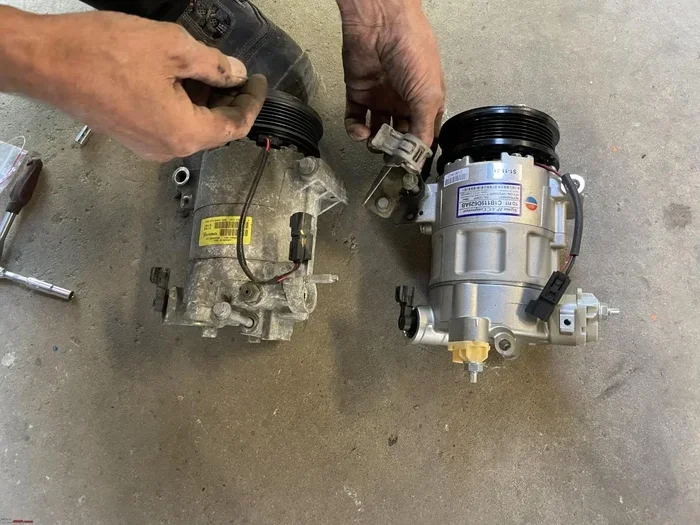
- Remove the compressor and drain the old oil completely.
- Inspect the compressor for metal shavings or damage.
- Pre-fill the new compressor with the correct amount of ac compressor oil for car.
- Install the compressor and reconnect all lines.
- Evacuate the system to remove moisture and air.
- Recharge with the proper refrigerant and oil mixture.
- Run the AC and check for leaks and proper cooling.
Following these steps ensures your AC system stays in top shape. Always wear gloves and eye protection when handling oil and refrigerant. Work in a well-ventilated area. Safety comes first.
Conclusion
Choosing the right ac compressor oil for car is essential for cool, reliable air conditioning. The oil protects the compressor, reduces wear, and keeps the system running smoothly. Whether you pick PAG or POE, always match the oil to your vehicle and refrigerant. Change the oil on a regular schedule and watch for leaks. A little maintenance goes a long way. Your car’s AC will reward you with years of comfortable driving. Keep this guide handy for your next oil change, and enjoy the cool air all season long.
Frequently Asked Questions
Can I use motorcycle AC compressor oil in my car?
It is not recommended. Motorcycle AC systems often have different oil requirements and compressor designs. Using the wrong oil can cause poor lubrication and compressor damage. Always use oil specifically formulated for automotive AC compressors.
What happens if I put too much ac compressor oil for car in the system?
Overfilling can cause the oil to foam and lose its lubricating ability. Excess oil may also flood the compressor cylinders and reduce cooling efficiency. Always add the exact amount specified in your vehicle manual.
Is PAG oil the same as refrigerant oil?
PAG oil is a type of refrigerant oil, but not all refrigerant oils are PAG. The term refers to the chemical base. PAG is specific to many modern car AC systems and works with R-134a refrigerant. Always confirm the oil type with your owner’s manual.
Can I mix old and new ac compressor oil for car?
You should avoid mixing old and new oil whenever possible. Old oil may contain moisture, debris, or breakdown products. Mixing can reduce the effectiveness of the new oil. It is best to drain the system completely and refill with fresh oil.
How do I know if my ac compressor oil for car needs changing?
Signs include weak cooling, warm air from the vents, unusual compressor noises, or oily leaks. If the oil looks dark or gritty, it is time for a change. Regular inspection every two years helps prevent problems.
Does ac compressor oil for car expire or go bad?
Yes, oil can degrade over time. It absorbs moisture and loses its lubricating properties. Even if you rarely drive, the oil can break down after a few years. It is a good practice to replace the oil every 2 to 3 years to keep the AC system healthy.