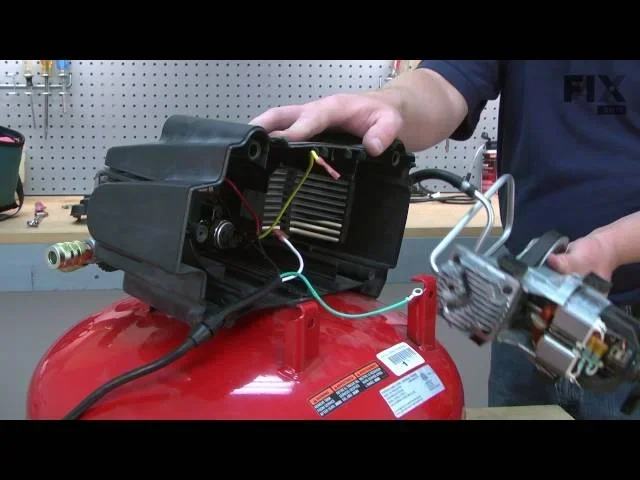
Porter Cable Air Compressor Parts The Complete Guide
Porter Cable air compressor parts keep your machine running smoothly and efficiently. This complete guide covers everything from pressure switches and pump assemblies to replacement filters and fittings. Whether you need a quick fix or a full parts breakdown, you will find the answers you need right here.
Porter Cable air compressor parts are the building blocks of every reliable pneumatic system. If you own a Porter Cable compressor, you know how important it is to keep it in top shape. Whether you use it in a garage, workshop, or job site, the right parts make all the difference. This guide walks you through everything you need to know about porter cable air compressor parts. From identifying components to finding replacements, we have you covered.
A compressor is only as good as the parts inside it. When one component fails, the whole machine suffers. You might notice uneven pressure, strange noises, or a complete shutdown. Understanding what each part does helps you fix problems fast. It also saves you money by avoiding unnecessary trips to the repair shop. Let us dive into the world of Porter Cable compressor parts and make sure your machine keeps running strong.
Key Takeaways
- Know your compressor: Understanding each part helps you troubleshoot and maintain your Porter Cable unit effectively.
- Use genuine parts: OEM Porter Cable replacement parts ensure safety, performance, and longevity.
- Maintenance matters: Regular upkeep of key components like the intake filter and unloader valve prevents costly repairs.
- Find parts easily: Multiple trusted sources exist for purchasing Porter Cable compressor parts online and in-store.
- Avoid common mistakes: Using wrong parts or skipping maintenance leads to breakdowns and reduced compressor lifespan.
- DIY-friendly repairs: Many Porter Cable compressor repairs are simple and can be done at home with basic tools.
📑 Table of Contents
- Understanding Porter Cable Air Compressor Parts
- Common Porter Cable Air Compressor Parts and Their Functions
- How to Find the Right Porter Cable Air Compressor Parts
- Maintaining Your Porter Cable Compressor Parts
- Troubleshooting Common Porter Cable Air Compressor Parts Issues
- Where to Buy Genuine Porter Cable Air Compressor Parts
- Common Mistakes to Avoid When Buying Porter Cable Compressor Parts
- Conclusion
Understanding Porter Cable Air Compressor Parts
Every Porter Cable air compressor is made up of several key components. Each part plays a specific role in delivering clean, pressurized air. Knowing these parts helps you communicate better with repair technicians. It also makes DIY maintenance much easier. Let us break down the main components you will find inside your compressor.
The Air Tank
The air tank stores compressed air until you need it. Think of it as the reservoir for your pneumatic tools. Porter Cable compressors come in different tank sizes, typically ranging from one gallon to over six gallons. A larger tank means longer tool run time between cycles. The tank is made of heavy-duty steel or aluminum to handle high pressure safely.
Over time, tanks can develop rust or small leaks. Regular inspection helps you catch these issues early. If you notice moisture inside the tank, drain it after every use. This simple habit extends the life of your air tank significantly.
The Pump Assembly
The pump assembly is the heart of your compressor. It draws in ambient air and compresses it into the tank. Porter Cable uses different pump designs depending on the model. Some models use a oil-lubricated pump, while others feature an oil-free pump. Oil-lubricated pumps tend to run cooler and last longer. Oil-free pumps require less maintenance but may wear out faster under heavy use.
The pump contains several internal components including piston rings, cylinder walls, and connecting rods. These parts experience a lot of friction and heat. Regular oil changes and proper lubrication keep the pump running smoothly for years.
The Motor
The motor provides the power that drives the pump. Most Porter Cable compressors use electric motors rated between 1.5 and 5 horsepower. The motor converts electrical energy into mechanical energy to compress air. A strong motor means faster pressurization and better performance.
Motor problems often show up as overheating or failure to start. Check the power cord and outlet first when a motor won’t work. Sometimes a tripped breaker is all that is causing the issue. If the motor still fails, you may need a replacement motor or internal repair.
Common Porter Cable Air Compressor Parts and Their Functions
Several smaller parts work together inside your compressor. Each one has a specific job that contributes to overall performance. Here are the most common porter cable air compressor parts you will encounter.
Pressure Switch
The pressure switch controls when the compressor turns on and off. It monitors the air pressure inside the tank. When the pressure drops below a set level, the switch signals the motor to start. When the pressure reaches the maximum limit, the switch shuts the motor off. This prevents over-pressurization and keeps your system safe.
A faulty pressure switch is one of the most common reasons a compressor stops working. If your compressor runs constantly or never turns on, the pressure switch might be the culprit. Replacing a pressure switch is usually simple and affordable.
Regulator Valve
The regulator valve lets you control the output pressure. Different pneumatic tools need different pressure levels. The regulator adjusts the airflow from the tank to match your tool’s requirements. Without a working regulator, you risk damaging your tools or getting inconsistent performance.
Most Porter Cable compressors have an easy-to-read pressure gauge near the regulator. This gauge shows you the current output pressure at a glance. Always set the regulator to the lowest effective pressure for your tool to save energy and reduce wear.
Unloader Valve
The unloader valve releases trapped air from the pump when the compressor shuts off. This makes it easier for the motor to start the next cycle. Without a working unloader valve, the motor has to fight against built-up pressure every time it starts. This causes extra strain and can shorten the motor’s lifespan.
You can often hear a loud burst of air when the unloader valve activates. If you stop hearing that sound, the valve may be stuck or broken. Cleaning or replacing the unloader valve is a quick fix that restores normal operation.
Intake Filter
The intake filter cleans the air before it enters the pump. Dust, dirt, and debris can damage internal components if they get inside. A clean intake filter ensures only filtered air enters the system. Porter Cable recommends checking the filter regularly and replacing it when it looks dirty.
A clogged intake filter reduces airflow and forces the motor to work harder. This leads to higher energy consumption and premature wear. Keeping your intake filter clean is one of the easiest ways to maintain compressor performance.
Hose Fittings and Quick Connect
Hose fittings connect the compressor to your air tools. The quick connect coupling makes it easy to switch between tools without tools. Over time, fittings can loosen or wear out, causing air leaks. Even a small leak wastes compressed air and reduces efficiency.
Check all fittings regularly for signs of wear or damage. Tighten loose connections and replace worn fittings promptly. Using thread seal tape on threaded connections helps prevent leaks and ensures a tight seal.
Pressure Gauge
The pressure gauge displays the current tank pressure. It helps you know exactly how much compressed air is available. A damaged gauge gives inaccurate readings, which can lead to over-pressurization or running out of air mid-task. Replacing a pressure gauge is inexpensive and takes only a few minutes.
How to Find the Right Porter Cable Air Compressor Parts
Finding the correct replacement parts for your Porter Cable compressor does not have to be difficult. The key is knowing your model number and understanding what you need. Here is how to go about it the right way.
Check Your Model Number
Every Porter Cable compressor has a model number stamped on the tank or motor housing. Write this number down and keep it handy. When shopping for replacement parts, the model number ensures you get the correct components. Using the wrong part can cause fitment issues or even damage your compressor.
Use the Parts Diagram
Porter Cable provides detailed parts diagrams for most of their compressor models. These diagrams show every component and its part number. You can find these diagrams on the Porter Cable website or in your owner’s manual. Print the diagram and mark the parts you need. This makes ordering replacements fast and accurate.
Buy Genuine Porter Cable Parts
Genuine OEM parts are designed specifically for your compressor model. They meet the same quality and safety standards as the original components. Aftermarket parts may be cheaper, but they do not always fit or perform the same way. For critical components like the pressure switch and pump assembly, always choose genuine Porter Cable parts.
Authorized dealers and the official Porter Cable website are the best places to buy genuine parts. You can also find OEM parts at major hardware stores and online retailers. Always verify the seller is authorized to avoid counterfeit products.
Contact Porter Cable Customer Support
If you are unsure which part you need, Porter Cable customer support can help. They can look up your model and recommend the right components. Having your model number ready makes this process much faster. Many users find that a quick phone call or email saves hours of guessing.
Maintaining Your Porter Cable Compressor Parts
Regular maintenance keeps your porter cable air compressor parts in excellent condition. A well-maintained compressor runs more efficiently and lasts longer. Here is a simple maintenance routine you can follow.
Daily Maintenance
- Drain the tank: Open the drain valve after each use to remove moisture. This prevents rust buildup inside the tank.
- Check for leaks: Listen for hissing sounds and inspect all fittings and hoses for air leaks.
- Clean the exterior: Wipe down the compressor to remove dust and debris that can clog vents and filters.
Weekly Maintenance
- Inspect the intake filter: Remove the filter and check for dirt and debris. Clean it with warm soapy water or replace it if it looks worn.
- Check the oil level: For oil-lubricated models, verify the oil level and top it off if needed. Use the manufacturer-recommended oil type.
- Inspect hoses: Look for cracks, fraying, or loose connections on all air hoses.
Monthly Maintenance
- Test the pressure switch: Verify that the compressor turns on and off at the correct pressure settings.
- Check the unloader valve: Make sure it releases air properly when the compressor shuts off.
- Inspect the pressure gauge: Compare readings to a known accurate gauge to check for accuracy.
Seasonal Maintenance
- Change the oil: For oil-lubricated compressors, change the oil every 500 operating hours or at least once per season.
- Replace the intake filter: Even if it looks clean, replace it at the start of each heavy-use season.
- Inspect the pump: Listen for unusual noises and check for air leaks around the pump housing.
Quick Tips for Compressor Longevity
- Always use the correct oil grade recommended by Porter Cable.
- Store your compressor in a dry, clean area when not in use.
- Never exceed the maximum tank pressure rating.
- Replace worn parts immediately to prevent cascading damage.
- Keep a spare parts kit on hand for common replacements.
Troubleshooting Common Porter Cable Air Compressor Parts Issues
Even with regular maintenance, compressor parts can develop problems over time. Here are some common issues and how to fix them.
Compressor Won’t Start
If your compressor fails to start, check a few things first. Make sure it is plugged into a working outlet. Check the pressure switch setting. Sometimes the tank pressure is above the startup threshold, which prevents the motor from engaging. Try draining some air from the tank and restarting.
If the motor still does not start, the pressure switch or motor may need replacement. Listen for any clicking sounds, which often indicate a faulty pressure switch.
Compressor Runs but Does Not Build Pressure
This issue usually points to a problem with the pump or intake filter. A clogged intake filter restricts airflow and prevents proper pressurization. Remove and clean the filter first. If that does not solve the problem, the pump may have worn piston rings or a damaged valve plate.
Check for air leaks around the pump housing as well. Even a small leak can prevent the compressor from reaching full pressure. Tighten fittings and replace any damaged gaskets or seals.
Excessive Noise or Vibration
Unusual noise or vibration often indicates a loose or damaged part. Check that the compressor is sitting on a level, stable surface. Loose mounting bolts can cause excess vibration. Inspect the pump for worn bearings or a damaged piston.
If the noise comes from the motor, it could be a failing capacitor or worn motor bearings. Motor repairs are best left to a qualified technician in most cases.
Air Leaks
Air leaks waste compressed air and reduce efficiency. The most common leak points are hose fittings, quick connect couplings, and tank valves. Apply thread seal tape to all threaded connections. Replace any fittings that show visible damage or wear.
If the leak is coming from the tank itself, this is a more serious issue. Do not use a compressor with a leaking tank. Contact Porter Cable support or a certified repair technician for assistance.
Pressure Gauge Not Working
A broken or inaccurate pressure gauge is easy to replace. First, confirm the gauge is actually faulty by comparing it to a separate gauge. If the readings do not match, remove the old gauge and install a new one. Make sure the replacement gauge matches the pressure range of your compressor.
Where to Buy Genuine Porter Cable Air Compressor Parts
Finding genuine Porter Cable replacement parts is easier than ever. Here are the best places to shop for compressor parts.
Authorized Retailers
Major hardware stores like Home Depot and Lowe’s carry a wide selection of Porter Cable parts. These retailers stock common replacement components like filters, hoses, and pressure switches. Their staff can also help you find the right part for your specific model.
The Porter Cable Website
The official Porter Cable website offers a comprehensive parts catalog. You can search by model number and find the exact part you need. Buying directly from the manufacturer guarantees authenticity and often comes with a warranty.
Online Marketplaces
Websites like Amazon and eBay offer a wide variety of Porter Cable compressor parts. Always verify the seller is authorized and check customer reviews before purchasing. Be cautious of deals that seem too good to be true, as counterfeit parts are a real concern.
Specialty Compressor Parts Suppliers
Dedicated compressor parts suppliers often carry hard-to-find components and OEM kits. These suppliers specialize in compressor parts and can offer expert advice. They are especially helpful if you need a part that is no longer in mainstream retail stores.
Common Mistakes to Avoid When Buying Porter Cable Compressor Parts
Avoiding these mistakes saves you time, money, and frustration.
- Buying parts without your model number: This almost always leads to the wrong part and wasted money.
- Choosing the cheapest option: Low-quality parts fail faster and can damage other components in your compressor.
- Ignoring compatibility: Not all parts fit all Porter Cable models. Always double-check compatibility before purchasing.
- Skipping maintenance parts: Filters, oil, and seals are cheap but essential. Skipping them leads to expensive repairs down the road.
- Forcing parts into place: If a part does not fit easily, stop and verify you have the correct component. Forcing it can cause damage.
Conclusion
Porter Cable air compressor parts are essential for keeping your compressor running at peak performance. From the pressure switch and unloader valve to the intake filter and pump assembly, every part matters. Understanding what each component does helps you maintain your compressor and fix problems quickly.
Regular maintenance goes a long way in extending the life of your machine. Drain your tank, clean your filters, and replace worn parts before they cause bigger issues. When it is time for a replacement, always choose genuine Porter Cable parts to ensure the best fit and performance.
With the right knowledge and the right parts, you can keep your Porter Cable compressor running smoothly for years to come. Whether you are a weekend DIYer or a professional tradesperson, taking care of your porter cable air compressor parts pays off in reliable performance and lower repair costs.
Frequently Asked Questions
How do I find the right Porter Cable air compressor parts for my model?
Locate your model number on the compressor tank or motor housing. Use this number to search the Porter Cable parts catalog online or contact their customer support. Always match the part number from the official diagram to ensure compatibility with your specific compressor model.
Can I use aftermarket parts instead of genuine Porter Cable parts?
You can use aftermarket parts, but genuine Porter Cable parts are always the safest choice. OEM parts are designed and tested to meet Porter Cable’s exact specifications. Aftermarket parts may save money upfront but can lead to fitment issues, reduced performance, and voided warranties.
How often should I replace my Porter Cable compressor intake filter?
Inspect your intake filter every week during heavy use and replace it when it looks dirty or damaged. For light use, replacing the filter every three to six months is usually sufficient. A clean intake filter ensures proper airflow and protects internal pump components from dust and debris.
What is the most common Porter Cable compressor part that needs replacement?
The pressure switch is the most frequently replaced part in Porter Cable compressors. Other common replacements include the intake filter, unloader valve, and hose fittings. Regular maintenance helps identify these parts before they fail completely and cause downtime.
Are Porter Cable air compressor parts covered under warranty?
Genuine Porter Cable replacement parts are typically covered under the manufacturer’s warranty if the failure is due to a defect. However, parts that wear out from normal use, such as intake filters and seals, are generally not warranty-covered. Always check the specific warranty terms for your compressor model.
Can I repair my Porter Cable compressor myself or should I hire a professional?
Many Porter Cable compressor repairs are simple enough for a DIY enthusiast. Replacing the intake filter, pressure switch, or hose fittings are straightforward tasks. However, internal pump repairs and motor replacements are best left to qualified technicians. Always refer to your owner’s manual for guidance and safety precautions before attempting any repair.