Compressor Pressure Switch Tips for Choosing the Right One
Choosing the right compressor pressure switch is crucial for safety, efficiency, and equipment longevity. This guide walks you through everything you need to know, from understanding how a compressor pressure switch works to picking the perfect one for your setup. You will learn about cut-in and cut-out pressures, different switch types, and simple installation steps.
Key Takeaways
- Know Your Pressure Range: Always match the switch to your compressor’s PSI requirements for safe operation.
- Choose the Right Type: Diaphragm and piston switches serve different purposes and environments.
- Adjust with Care: Incorrect adjustment can damage your compressor motor or create safety hazards.
- Watch for Warning Signs: Frequent cycling, leaks, and failure to start often signal a failing switch.
- Installation Matters: Proper wiring and fitting extend the life of your switch and compressor.
- Maintenance Keeps It Running: Regular inspection and cleaning prevent unexpected breakdowns.
📑 Table of Contents
- What Is a Compressor Pressure Switch and Why Does It Matter?
- How Does a Compressor Pressure Switch Work?
- Types of Compressor Pressure Switches
- How to Choose the Right Compressor Pressure Switch
- Installing a Compressor Pressure Switch
- Common Problems and How to Troubleshoot Them
- Maintenance Tips to Extend Your Pressure Switch Life
- Expert Insights: What Professionals Look For
- Key Takeaways
- Conclusion
What Is a Compressor Pressure Switch and Why Does It Matter?
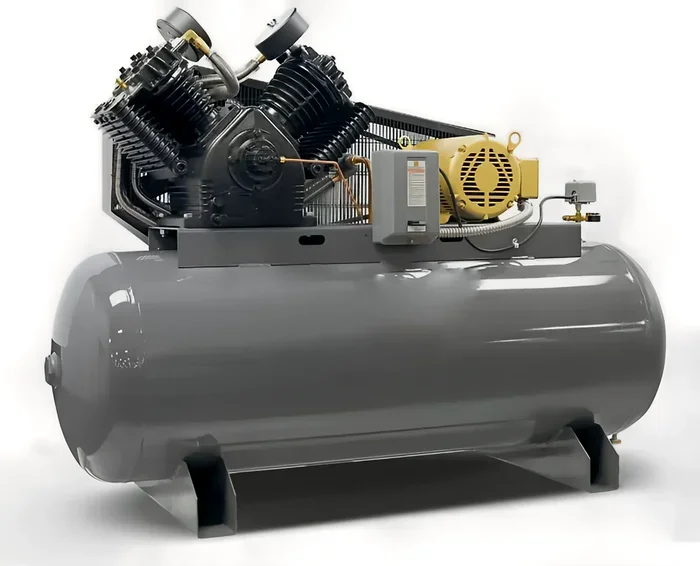
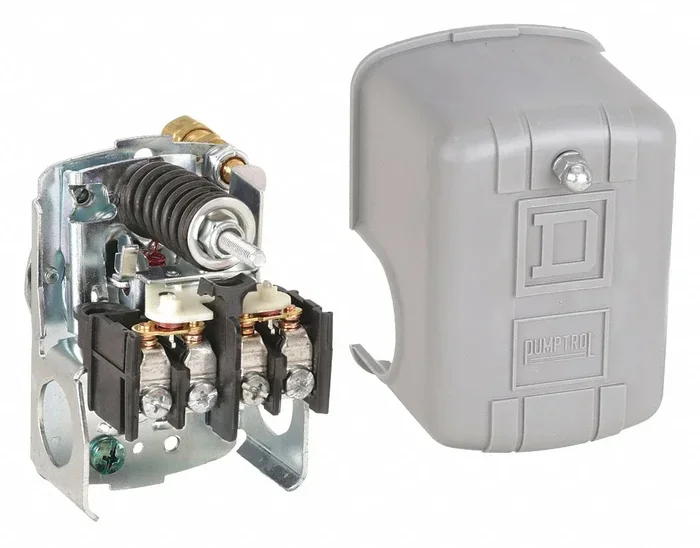
A compressor pressure switch is a small but mighty component inside your air compressor. It controls when the compressor turns on and off based on the air pressure inside the tank. Without it, your compressor would run nonstop, overheat, or worse, become a safety hazard.
Think of the pressure switch as the brain of your compressor. It monitors the air pressure in real time. When the pressure drops to a certain level, the switch tells the motor to start pumping. When the pressure reaches the top limit, it shuts the motor off. This cycle keeps your system running smoothly and safely.
Not all pressure switches are the same. Different compressors need different switches depending on their size, motor power, and intended use. A switch that works great on a small garage compressor might fail completely on a heavy-duty industrial unit. That is why understanding your options matters so much.
Choosing the right pressure switch also affects your energy bills. A poorly matched switch can cause your compressor to short-cycle, which wastes electricity and wears out parts faster. Over time, this leads to costly repairs and downtime.
How Does a Compressor Pressure Switch Work?
Understanding the basics of how a compressor pressure switch operates helps you make smarter buying decisions. The mechanism is simpler than most people think.
The Role of Cut-In and Cut-Out Pressure
Every pressure switch has two key settings: cut-in pressure and cut-out pressure. Cut-in is the pressure level where the switch tells the compressor to start. Cut-out is the pressure level where it tells the compressor to stop. The difference between these two values is called the pressure differential.
For example, if your cut-in is set at 100 PSI and your cut-out is at 150 PSI, the differential is 50 PSI. Your compressor kicks on at 100 PSI and shuts off at 150 PSI. This range prevents the motor from constantly starting and stopping, which reduces wear and tear.
Most standard home compressors use a preset differential of around 20 to 40 PSI. Industrial units may have wider differentials. Always check your compressor manual for the recommended settings before making any adjustments.
Inside the Switch: Mechanical Components
Inside the switch, you will find a diaphragm or a piston mechanism. These components move in response to changes in tank pressure. When pressure drops, the mechanism pushes against electrical contacts, completing the circuit and starting the motor.
When pressure reaches the cut-out level, the mechanism releases, breaking the circuit. The motor stops. This entire process happens in seconds, and it repeats automatically every time you use compressed air.
The electrical contacts inside the switch handle the current flowing to the motor. Over time, these contacts can wear out or corrode. This is one of the most common reasons a switch fails. Keeping your compressor in a clean, dry environment helps extend the life of these internal parts.
Types of Compressor Pressure Switches
Not every pressure switch fits every compressor. The two main types are diaphragm switches and piston switches. Each has unique advantages depending on your needs.
Diaphragm Pressure Switches
Diaphragm switches use a flexible rubber or silicone membrane to detect pressure changes. They are the most common type found in home and light-duty compressors. Here is why many users prefer them:
- Compact design: They take up very little space inside the compressor housing.
- Lower cost: They are generally more affordable than piston switches.
- Easy adjustment: Most models feature simple knobs or screws for tweaking pressure settings.
- Quiet operation: They tend to produce less mechanical noise during cycling.
However, diaphragm switches work best in lower-pressure applications. If you run a compressor above 150 PSI regularly, a diaphragm switch may not hold up over time. The membrane can fatigue and crack under sustained high pressure.
Piston Pressure Switches
Piston switches use a sliding piston mechanism to sense pressure. They are built for heavy-duty and industrial compressors. Here is what makes them stand out:
- High-pressure handling: They can manage pressures well above 200 PSI without issues.
- Durability: The piston and cylinder assembly is robust and long-lasting.
- Precision: They offer very accurate pressure control for sensitive applications.
- Resistance to moisture: Piston switches handle humid or wet environments better than diaphragm types.
The downside is that piston switches are larger and more expensive. They also require more maintenance over time because the piston needs periodic lubrication. For most home users, a diaphragm switch is the right choice. But if you run a workshop or industrial operation, a piston switch is worth the investment.
How to Choose the Right Compressor Pressure Switch
Selecting the correct pressure switch for your compressor involves more than just picking the cheapest option at the hardware store. Several factors determine the best fit for your setup.
Match the Pressure Range to Your Compressor
First and foremost, check your compressor’s rated PSI. The switch must handle at least the maximum pressure your compressor produces. Using a switch with a lower maximum rating creates a serious safety risk.
For example, if your compressor builds up to 150 PSI, do not install a switch rated for only 120 PSI. The switch will fail, potentially causing an explosion or motor burnout. Always look for a switch with a maximum rating that exceeds your compressor’s peak pressure by at least 10 to 20 percent.
Also consider the pressure range you need for your specific tools and tasks. If you use pneumatic nail guns, you may need a different range than someone running an airbrush or sprayer. Make a list of all the tools you plan to use and note their required PSI. This helps you choose a switch with the right pressure range for your entire setup.
Consider the Switch Material and Build Quality
The material of the switch housing matters more than most people realize. Plastic housings are lightweight and affordable, but they crack under impact or in extreme temperatures. Metal housings, typically aluminum or steel, offer superior durability and heat dissipation.
If you use your compressor outdoors or in a garage where temperatures fluctuate, a metal switch is a better long-term choice. The electrical contacts inside also vary in quality. Look for switches with silver or gold-plated contacts, as these resist corrosion and provide better conductivity over time.
Check Compatibility with Your Compressor Model
Not every switch fits every compressor. The mounting style, wiring configuration, and port size must all match. Before purchasing a replacement switch, note your compressor’s make and model number. Check the compressor manual for the OEM part number or compatible switch specifications.
Some compressors use proprietary switches that are only available from the manufacturer. Others use standard, interchangeable switches. If you are unsure, measure the existing switch’s dimensions and wiring diagram before ordering a replacement.
For those who also use generators to power their compressors, understanding how electrical connections work is important. If you have ever wondered how to connect a generator to your house without a transfer switch, the same principles of safe electrical wiring apply to your compressor’s pressure switch installation.
Evaluate the Adjustment Mechanism
Some pressure switches offer easy manual adjustment, while others come preset from the factory. Adjustable switches let you fine-tune the cut-in and cut-out pressure to match your exact needs. This is especially useful if you run multiple tools with different pressure requirements.
Preset switches are simpler and less prone to user error. They work well for standard applications where you do not need to change pressure settings frequently. If you are a beginner, a preset switch reduces the risk of accidental misconfiguration.
Installing a Compressor Pressure Switch
Installing a new pressure switch is a manageable DIY project if you follow the right steps. However, working with compressed air and electricity requires caution. Always disconnect power before starting any work on your compressor.
Tools You Will Need
Before you begin, gather these tools and materials:
- Screwdriver set (Phillips and flathead)
- Wire stripper
- Wrench set (for fitting connections)
- Teflon tape for threading
- Multimeter for testing electrical connections
- The new pressure switch (matched to your compressor specs)
Step-by-Step Installation Process
Follow these steps carefully to ensure a safe and proper installation:
- Disconnect power: Unplug the compressor from the electrical outlet. If it is hardwired, turn off the breaker.
- Release tank pressure: Open the drain valve and let all air out of the tank. The gauge should read zero.
- Remove the old switch: Locate the pressure switch on the compressor tank. Disconnect the wiring by noting which wire goes where (take a photo first). Unscrew the switch from the tank fitting.
- Prepare the new switch: Wrap the threading with Teflon tape to ensure an airtight seal. Match the port size to the tank fitting.
- Mount the new switch: Screw the new switch onto the tank. Hand-tighten first, then use a wrench for a snug fit. Do not overtighten.
- Reconnect the wiring: Attach the wires exactly as they were connected on the old switch. Use your photo as a reference.
- Test the installation: Plug in the compressor and let it run. Watch the pressure gauge. The compressor should start at the cut-in pressure and stop at the cut-out pressure.
Quick Tips for a Smooth Installation
- Never work on a pressurized system. Always drain the tank first.
- Label every wire before disconnecting the old switch.
- Use thread sealant on all air fittings to prevent leaks.
- Test the switch under load before using the compressor for actual work.
- If anything feels uncertain, consult a professional electrician.
Common Problems and How to Troubleshoot Them
Even the best compressor pressure switch can develop problems over time. Recognizing early warning signs saves you from costly repairs and unexpected downtime.
Switch Fails to Start the Compressor
If your compressor does not turn on when the pressure drops, the switch may be at fault. First, check the electrical connections. Loose or corroded wires are the most common cause of this problem. Use a multimeter to test for continuity across the switch contacts.
If the wiring is fine, the diaphragm or piston inside the switch may be damaged. In diaphragm switches, a cracked membrane prevents proper movement. In piston switches, debris or lack of lubrication can jam the mechanism. Replacement is usually the most practical fix.
Compressor Runs Continuously Without Stopping
This is a dangerous situation that requires immediate attention. A switch that fails to cut out means the tank pressure has no upper limit. The compressor will overheat, and the tank could rupture.
Check the cut-out pressure setting first. It may have been accidentally adjusted too high. If the setting is correct, the electrical contacts inside the switch are likely welded together or stuck in the closed position. Replace the switch immediately.
Frequent Cycling (Short-Cycling)
If your compressor turns on and off too frequently, the pressure differential may be set too narrow. A tight differential causes rapid cycling, which stresses the motor and reduces its lifespan.
Another cause is a slow air leak in the system. Check all fittings, hoses, and connections for leaks. Even a small leak can cause the pressure to drop quickly, triggering frequent starts. Use soapy water on fittings to spot bubbles that indicate escaping air.
Switch Makes Unusual Noises
Clicking, buzzing, or rattling sounds from the pressure switch are never normal. Clicking often indicates the contacts are vibrating rather than making solid connection. Buzzing can mean a failing motor or a partially blocked air passage. Rattling may signal loose internal components.
In all these cases, the switch should be inspected or replaced. Continuing to operate a noisy switch risks complete failure at an inconvenient moment.
Maintenance Tips to Extend Your Pressure Switch Life
A little regular maintenance goes a long way in keeping your compressor pressure switch working reliably for years. Here is what you should do on a routine basis.
- Inspect the switch monthly: Look for visible damage, corrosion, or moisture around the switch housing.
- Clean the air intake: Dust and debris can clog the air passage to the switch. Use compressed air to blow it clean.
- Check electrical connections: Tighten any loose terminals and clean corroded contacts with fine-grit sandpaper.
- Test pressure settings: Verify that the cut-in and cut-out pressures match the manufacturer’s specifications.
- Lubricate piston switches: If your switch uses a piston mechanism, apply a small amount of compressor oil to the piston chamber every few months.
- Replace worn parts promptly: Do not wait for a complete failure. Replace diaphragm switches every 3 to 5 years as a preventive measure.
Following these simple steps dramatically reduces the chance of unexpected switch failure. It also keeps your compressor running at peak compressor efficiency, which saves energy and extends the life of the entire system.
Expert Insights: What Professionals Look For
Experienced technicians and compressor repair specialists follow a few key principles when evaluating or selecting a pressure switch. Here is what the experts want you to know.
Always prioritize safety certifications. Look for switches that carry UL, CSA, or CE certification marks. These indicate the switch has been independently tested and meets strict safety standards. Cheap, uncertified switches are a gamble with your equipment and your safety.
Do not ignore the response time. High-quality switches react to pressure changes within fractions of a second. Slow-response switches cause unnecessary wear on the motor because the compressor runs longer than needed. If you notice your compressor running for unusually long periods, a slow switch could be the culprit.
Consider the environment. If your compressor operates in a dusty, humid, or chemically exposed environment, choose a switch rated for those conditions. Specialty switches feature sealed housings and corrosion-resistant materials that standard switches lack.
Keep spare switches on hand. A failed pressure switch can shut down your entire operation. Having a compatible replacement ready to go minimizes downtime. Note the part number of your current switch and keep it in your compressor manual file for quick reference.
Key Takeaways
- Match the switch to your compressor’s PSI rating to ensure safe and efficient operation.
- Diaphragm switches work best for home and light-duty use, while piston switches excel in industrial applications.
- Proper installation with correct wiring and airtight fittings prevents leaks and electrical hazards.
- Regular maintenance including inspection, cleaning, and lubrication extends switch life significantly.
- Watch for warning signs like continuous running, frequent cycling, or unusual noises, and address them immediately.
- Choose certified switches from reputable brands to ensure reliability and safety.
Conclusion
The compressor pressure switch may be small, but it plays a massive role in how your compressor performs and how long it lasts. Taking the time to choose the right switch, install it correctly, and maintain it properly pays off in reliability, safety, and energy savings.
Remember to always match your switch to your compressor’s specifications. Pay attention to the pressure range, the switch type, and the build quality. And never ignore warning signs of a failing switch. A quick replacement today can prevent a major breakdown tomorrow.
Whether you are a weekend DIYer or a professional shop owner, understanding your compressor pressure switch puts you in control. Use the tips in this guide to make confident decisions, and your compressor will reward you with years of dependable service.
Frequently Asked Questions
Can I adjust the pressure settings on my compressor pressure switch myself?
Yes, most adjustable pressure switches let you change the cut-in and cut-out settings using a screw or knob. Always refer to your compressor manual for the recommended pressure range. Adjusting the switch beyond the manufacturer’s limits can damage the compressor or create safety risks.
How do I know if my pressure switch needs replacement?
Common signs include the compressor not starting, running continuously without stopping, short-cycling frequently, or making unusual noises. If you notice any of these symptoms, inspect the switch and consider replacing it. A failing switch can cause serious damage to the compressor motor if left unaddressed.
What is the difference between a pressure switch and a pressure regulator?
A pressure switch controls when the compressor turns on and off based on tank pressure. A pressure regulator controls the output pressure delivered to your tools. They serve different purposes but work together to keep your compressed air system running properly.
Can I use any pressure switch with any compressor?
No, you must match the switch to your compressor’s PSI rating, port size, and electrical specifications. Using an incompatible switch can lead to failure, leaks, or dangerous pressure buildup. Always verify compatibility before purchasing a replacement.
How often should I inspect my compressor pressure switch?
A monthly visual inspection is a good practice for most users. More thorough checks, including testing pressure settings and cleaning connections, should be done every three to six months. Compressors used heavily or in harsh environments may need more frequent attention.
Is it safe to install a pressure switch myself?
Yes, if you follow proper safety procedures and your compressor manual’s instructions. Always disconnect power and release tank pressure before starting. If you are uncomfortable with electrical wiring or air fittings, hire a qualified technician to handle the installation.