What Size Generator to Power a House and Keep Costs Low
Discover what size generator to power a house while keeping your energy bills low. This guide breaks down wattage requirements, generator types, and smart buying tips for every home size. You will learn how to match the right generator to your household needs without overspending.
Power outages can happen anytime, and when they do, having the right what size generator to power a house makes all the difference. Many homeowners buy generators that are too small or too big, wasting money and leaving their homes unprotected during emergencies. This guide walks you through everything you need to know about choosing the right generator size for your home while keeping costs low.
You will learn how to calculate your home’s power needs, compare different generator types, and avoid common buying mistakes that cost hundreds of dollars. We also share practical tips to help you save money on fuel and maintenance over the long run. By the end of this guide, you will feel confident picking the perfect generator for your house without second-guessing yourself.
Whether you live in a small apartment or a large family home, the right backup power solution is out there waiting for you. Let us break it down step by step so you can make a smart, informed decision that protects your family and your budget.
Key Takeaways
- Calculate your load first: Know your running and starting watts before shopping for any unit.
- Match the generator to your home size: Small homes need 5,000-8,000W, medium homes need 8,000-15,000W, and large homes need 20,000-30,000W.
- Choose the right fuel type: Natural gas and propane offer the best long-term value and convenience.
- Do not skip the transfer switch: An automatic transfer switch is essential for safety and fuel efficiency.
- Buy only what you need: Oversizing a generator wastes fuel and money over time.
- Maintain your unit regularly: Proper maintenance keeps fuel costs low and extends generator life.
- Use a generator size calculator: Online tools help you pinpoint your exact wattage needs quickly.
📑 Table of Contents
Understanding Your Home’s Power Needs
Before you shop for any unit, you need to understand how much power your home actually uses. Every appliance and device in your house draws a certain amount of electricity, measured in watts. Adding up these numbers gives you your total wattage requirements. This is the foundation of choosing the right unit for your situation.
Many people skip this step and end up buying a generator that does not meet their needs. Do not let that be you. Taking 20 minutes to do a simple calculation saves you from frustration and wasted money. Let us walk through the basics of home power needs and how to measure them accurately.
Running Watts vs Starting Watts
Here is something many people miss entirely. Some appliances need more power to start up than to run continuously. This is called surge wattage or starting watts. A refrigerator, for example, might use 700 watts while running but needs 2,100 watts to kick on and start cooling.
Running watts are the power needed to keep things going once they are already operating. Starting watts are the extra boost needed at startup when motors spin up. Your generator must handle both numbers comfortably. If it cannot cover the surge, your appliances will not start properly, and you could damage sensitive equipment.
Think of it like pushing a car. It takes a lot of effort to get it moving, but once it is rolling, it takes much less energy to keep it going. Your generator works the same way. It needs enough power for both the push and the cruise.
How to Calculate Your Household Load
Start by listing every appliance and device you want to run during a power outage. Include lights, refrigerators, microwaves, furnaces, sump pumps, and electronics. Check the label on each device for its wattage rating. If the label shows amps instead of watts, multiply amps by 120 volts to get watts.
Here is a simple way to do a proper load calculation:
- List each appliance and its wattage on a sheet of paper.
- Add up all the running watts for a total.
- Find the highest starting wattage among all your appliances.
- Add that single highest starting wattage to your total running watts.
This gives you the minimum generator size you need. Always add a buffer of 10 to 20 percent for safety. This extra room prevents the generator from running at full capacity all the time, which extends its lifespan and reduces fuel waste.
Quick Tip: Focus on essential circuits only during an outage. Do not try to power your entire home if you do not need to. Prioritize food safety, heating or cooling, and communication devices. This alone can cut your power needs in half.
Types of Generators That Can Power a House
Not all generators are the same. Different types serve different needs, budgets, and home sizes. Understanding your options helps you pick the right one for your home power needs and avoid buying more than you need.
Portable Generators
A portable generator is the most affordable option on the market. These units are easy to move, store, and set up. They typically run on gasoline or propane and are perfect for providing backup power to essential circuits.
Portable generators work well for keeping your refrigerator running, powering a few lights, and charging your phone and laptop during an outage. However, they are not ideal for running an entire house at once. They also require manual setup, refueling, and placement outside your home for safety.
Pros: Affordable, easy to store, simple to operate, widely available.
Cons: Limited power output, manual operation required, shorter runtime per tank, louder than standby models.
Standby Generators
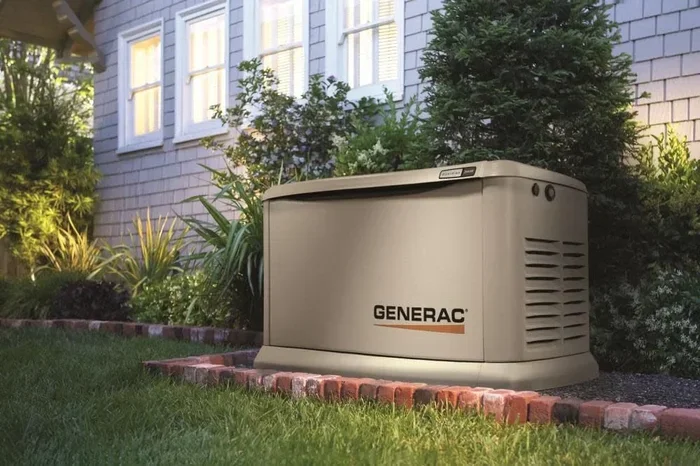
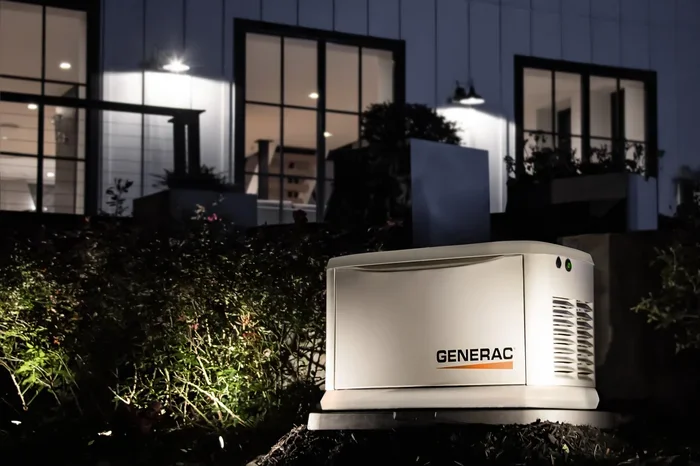
A standby generator is a permanent installation placed outside your home. It connects directly to your electrical system and kicks on automatically when the power goes out. Many standby units run on natural gas or propane, and some models are known as whole house generators because they can power your entire home.
These units include an automatic transfer switch that detects outages and starts the generator within seconds. This means no manual intervention is needed. You come home after a storm and everything is already running. Standby generators are the gold standard for reliable home backup power.
Pros: Automatic operation, high power output, long runtime, quiet compared to portables, increases home value.
Cons: Higher upfront cost, professional installation required, needs regular maintenance.
Inverter Generators
An inverter generator produces clean, stable power that is safe for sensitive electronics like laptops, smartphones, and televisions. Inverter models are usually more fuel-efficient than traditional portable generators because they adjust engine speed to match the load.
They are also significantly quieter, which is a big plus for neighborhoods with noise rules or close neighbors. However, they typically have lower wattage output, so they work best for smaller homes or essential loads only. A propane generator in the inverter category offers the added benefit of clean-burning fuel and long shelf life.
Pros: Clean power for electronics, fuel-efficient, quiet operation, lightweight and portable.
Cons: Lower power output, higher cost per watt, not suitable for heavy-duty appliances like central AC.
What Size Generator to Power a House: Finding the Right Fit
Choosing the right size depends on your home’s square footage, your appliances, and your budget. The goal is to find a unit that covers your essential needs without overspending on a machine that is too large. Here is a practical guide broken down by home size.
Small Homes Under 1,500 Square Feet
For a small home, a generator in the 5,000 to 8,000 watt range usually works well. This size can handle essential circuits like the refrigerator, furnace blower, a few lights, and a television or internet router. A 5,000-watt portable generator is a popular and affordable choice for this size home.
If you want automatic backup without the hassle of manual setup, a small standby unit in the 7,000 to 8,000 watt range is a great option. These connect to your natural gas or propane line and start automatically. A natural gas generator in this size class is perfect for small homes because it never runs out of fuel as long as your utility line is active.
Quick Tip: Focus on essential circuits only. Do not try to power everything at once. Prioritize food safety, heating, and communication devices. A small home typically needs less than 8,000 watts to stay comfortable during an outage.
Medium Homes Between 1,500 and 3,000 Square Feet
A medium-sized home needs more juice to keep everything running smoothly. Look for a generator between 8,000 and 15,000 watts. This range can handle central air conditioning, multiple appliances, and full lighting across the home.
A 12,000-watt standby generator is a sweet spot for many homeowners in this category. It runs the essentials comfortably and can handle a central AC unit on a mild day. For fuel type, a natural gas generator connects to your existing gas line, so you never run out of fuel during a long outage. A propane generator is also a solid choice with a longer shelf life for stored fuel.
Quick Tip: Make a list of everything you want to run simultaneously during an outage. Add up the watts and then multiply by 1.2 for a safety buffer. This prevents the generator from being overloaded and ensures smooth operation.
Large Homes Over 3,000 Square Feet
Large homes with multiple air conditioners, electric water heaters, and heavy appliance use need serious power. A generator in the 20,000 to 30,000 watt range is typical for these homes. A 25,000-watt whole house generator can handle nearly everything in a large home without breaking a sweat.
These units usually run on propane or natural gas and connect through an automatic transfer switch. The fuel consumption is higher with larger units, but the convenience and comfort are unmatched. You can run your entire home including multiple AC units, electric stoves, and laundry machines simultaneously.
Quick Tip: Consider a dual-fuel generator. This lets you switch between propane and gasoline, giving you flexibility and backup fuel options. During a prolonged outage, being able to use whichever fuel is more available can be a lifesaver.
Expert Insight: Many homeowners with large homes make the mistake of buying a generator based on their home’s square footage alone. The real factor is your specific electrical load. Two homes of the same size can have very different power needs depending on the appliances and systems installed. Always do a proper load calculation rather than relying on square footage estimates.
Generator Size Comparison Chart
Not sure which size fits your needs? Use this quick reference table to compare options side by side.
| Generator Size | Wattage Range | Best For | Fuel Type | Approx. Cost |
|---|---|---|---|---|
| Small Portable | 3,000 – 5,000W | Small homes, essentials only | Gasoline | $400 – $900 |
| Medium Portable | 5,000 – 8,000W | Small to medium homes | Gasoline / Propane | $800 – $1,800 |
| Large Portable | 8,000 – 12,000W | Medium homes with AC | Gasoline / Propane | $1,500 – $3,000 |
| Small Standby | 7,000 – 10,000W | Small to medium homes | Natural Gas / Propane | $2,000 – $4,000 |
| Medium Standby | 12,000 – 18,000W | Medium to large homes | Natural Gas / Propane | $4,000 – $7,000 |
| Large Standby | 20,000 – 30,000W | Large homes, full power | Natural Gas / Propane | $7,000 – $15,000 |
This generator size comparison gives you a ballpark idea of what to expect. Your actual needs may vary based on your specific appliances, local climate, and how you use your home. Always do a proper load calculation before making a purchase decision.
Tips to Keep Generator Costs Low
Owning a generator does not have to break the bank. With the right approach, you can enjoy reliable backup power without overspending on fuel, maintenance, or an oversized unit. Here are proven strategies to keep your costs down.
Expert Insight: The biggest cost savings come from choosing the right size. A generator that is too large wastes fuel on every run. One that is too small risks damage to your appliances and may fail when you need it most. Finding the balance is the key to long-term savings.
Buy Only What You Need
Many people overspend by buying a generator bigger than necessary. A generator size calculator online can help you pinpoint your exact needs quickly. Use this tool before you shop. It prevents impulse buys and keeps your budget in check while still giving you the power you need.
Resist the temptation to buy the biggest unit on the lot. More power is not always better. It means higher purchase price, more fuel consumption, and more maintenance. Match the generator to your actual needs and you will save money from day one.
Choose the Right Fuel Type
Your choice of generator fuel type affects ongoing costs significantly. Natural gas is often the cheapest option because it connects to your utility line and you never need to store fuel. Propane is clean-burning and has a long shelf life, making it great for stored fuel reserves. Gasoline is widely available but degrades over time and costs more per hour of runtime.
Consider your local fuel prices and availability when making this decision. In some areas, propane is cheaper than natural gas, and vice versa. Do a little research on your local fuel costs before committing to a specific fuel type.
Maintain Your Generator Regularly
A well-maintained generator runs more efficiently and uses less fuel over time. Change the oil regularly, clean the air filter, and run the unit under load for 15 minutes each month. This keeps the engine in good shape and prevents fuel waste caused by dirty filters or old oil.
Set a maintenance reminder on your calendar. Treat your generator like a car. Regular oil changes, filter replacements, and spark plug checks keep it running smoothly and efficiently. A neglected generator uses more fuel and breaks down more often.
Consider a Dual-Fuel Model
A dual-fuel generator lets you run on either gasoline or propane. This gives you flexibility to choose the cheaper fuel at any given time. During a long outage, you can switch to whichever fuel source is more available or affordable in your area.
Dual-fuel models also give you a backup plan. If one fuel source runs low or becomes unavailable, you can switch to the other. This peace of mind is worth the slightly higher upfront cost for many homeowners.
Use a Transfer Switch
An automatic transfer switch prevents backfeed and ensures your generator only powers the circuits you need. This avoids wasting fuel on circuits that are not essential. It also protects your generator and your home’s electrical system from damage caused by improper connections.
A transfer switch is a safety must-have, not an optional extra. It also makes operating your generator much more convenient. You do not need to run extension cords through windows or doors. Everything connects directly and safely to your home’s electrical panel.
Common Mistakes When Choosing a Generator Size
Avoiding these mistakes saves you money, frustration, and potential safety hazards. Many of these errors are completely preventable with a little research and planning.
Mistake 1: Guessing Your Power Needs
Many homeowners guess how much power they need instead of doing a proper calculation. This often leads to buying a generator that is too small or too large. Always list your essential appliances and add up their wattage. A load calculation takes 20 minutes and prevents costly mistakes.
Mistake 2: Ignoring Starting Watts
Focusing only on running watts is a common and expensive error. Your generator must also handle the surge when motors start up. A refrigerator, air conditioner, and well pump all have high starting wattage. Ignore this, and your generator will stall or trip, leaving you in the dark.
Mistake 3: Skipping the Automatic Transfer Switch
Some people skip the transfer switch to save money upfront. This is a serious mistake that can cost much more in the long run. Without it, you risk backfeed, which can endanger utility workers and damage your generator. Always install a proper transfer switch with your standby unit.
Mistake 4: Forgetting About Fuel Availability
During a prolonged outage, gasoline may be hard to find or rationed. A propane generator or natural gas generator connected to a utility line solves this problem. Plan for fuel availability before you buy. Think about how long outages typically last in your area.
Mistake 5: Not Considering Runtime
Generator runtime varies by model and fuel tank size. A unit with a small tank may only run for 6 hours before needing a refill. If outages in your area last longer than that, look for a model with a larger tank or one that connects to a permanent fuel source like a natural gas line.
Mistake 6: Overlooking Noise Levels
Loud generators can disturb neighbors and violate local noise ordinances. Inverter generators are the quietest option. Standby generators are also relatively quiet when properly installed. Check the decibel rating before buying, especially if you live in a densely populated area.
Conclusion
Choosing the right what size generator to power a house does not have to be overwhelming or confusing. Start by calculating your home’s power needs using the load calculation method we covered. Then match those needs to the right generator type and size for your situation.
Keep your budget in mind and avoid the common mistakes we outlined. Buy only what you need, choose the right fuel type, and invest in proper maintenance. These simple steps keep your costs low while ensuring reliable backup power when you need it most.
The goal is straightforward. You want reliable backup power without wasting money on a unit that is too big or too small. A properly sized generator for your house does exactly that. It keeps your essential circuits running, protects your appliances, and gives you peace of mind during any outage.
Take action today. Use the tips and guidelines in this guide to make a confident purchase. Your future self will thank you when the next storm rolls through and your lights stay on. Do not wait for the next power outage to realize you need a better solution. Start planning now and enjoy the comfort of knowing your home is prepared.
Frequently Asked Questions
What size generator do I need to power a 2000 square foot house?
A 2000 square foot home typically needs a generator between 8,000 and 15,000 watts. This range covers essential circuits like the refrigerator, furnace, lighting, and a central AC unit. The exact size depends on which appliances you want to run simultaneously and their combined wattage requirements.
Can a 5000 watt generator run a house?
A 5000 watt generator can run essential circuits in a small home, including a refrigerator, a few lights, and basic electronics. It is not enough to power an entire large home with central air conditioning. Focus on your most critical loads and prioritize accordingly.
What is the difference between running watts and starting watts?
Running watts are the continuous power needed to keep an appliance operating. Starting watts are the extra surge of power needed when a motor first kicks on. Your generator must handle both numbers. Always check the starting wattage of motor-driven appliances like refrigerators and air conditioners.
Is a standby generator worth the cost?
Yes, a standby generator is worth the investment for most homeowners. It starts automatically, runs on natural gas or propane, and can power your entire home. The convenience, safety, and peace of mind it provides make it a valuable addition, especially in areas prone to frequent outages.
How much does a whole house generator cost to run per day?
Running costs depend on the generator size, fuel type, and load. A natural gas standby generator typically costs $20 to $50 per day to operate. Propane models may cost slightly more depending on fuel prices. Proper sizing and maintenance help keep daily costs as low as possible.
What fuel type is best for a home generator?
Natural gas is often the best choice because it connects to your utility line and never runs out. Propane is a great alternative with a long shelf life. Gasoline is widely available but degrades over time and costs more per hour of runtime. Choose based on your local fuel costs and availability.