Can You Fill a PCP Rifle with an Air Compressor Safely
Can you fill a PCP rifle with an air compressor? Yes, you can, and it is a simple process when you follow the right steps. This guide covers safe filling techniques, equipment choices, and common mistakes to keep your PCP rifle and air compressor in perfect shape. You will learn exactly how to fill your rifle without risking damage or injury.
Many air gun owners ask one simple question: can you fill a PCP rifle with an air compressor? The answer is a clear yes. A pre-charged pneumatic rifle stores compressed air in a built-in reservoir, and an air compressor is the perfect tool to refill it. Whether you shoot target rifles or hunt with an air gun, knowing how to fill your rifle correctly saves time and money.
Using a compressor is far easier than pumping by hand or swapping scuba tanks. You just plug in, connect, and fill. But safety matters. A PCP rifle operates at high pressure, often between 2,000 and 3,000 PSI. If you fill it wrong, you risk damaging the rifle or hurting yourself. This guide walks you through every step, from choosing the right compressor to avoiding costly mistakes. You will also learn how to maintain your gear so it lasts for years.
We will cover the filling process in detail, compare compressor types, and share expert tips. By the end, you will feel confident filling your PCP rifle at home or in the field. Let us get started.
Key Takeaways
- Yes, you can fill a PCP rifle with an air compressor: Use a compatible compressor with the right fittings and pressure settings.
- Safety is critical: Always check PSI limits, use a moisture trap, and never overfill your rifle.
- Choose the right compressor: Oil-free, portable units with a tank are ideal for home and field use.
- Avoid common mistakes: Wrong adapters, ignoring moisture, and skipping pressure checks can cause leaks or bursts.
- Regular maintenance extends life: Clean your fill port, drain the tank, and store equipment properly.
📑 Table of Contents
- What Is a PCP Rifle and Why Does It Need Compressed Air?
- Can You Fill a PCP Rifle with an Air Compressor?
- Safety First: Avoiding Overfilling and Equipment Damage
- Common Mistakes When Filling a PCP Rifle
- Choosing the Right Air Compressor for PCP Rifles
- Expert Maintenance Tips for Longevity
- Final Thoughts on Filling Your PCP Rifle
What Is a PCP Rifle and Why Does It Need Compressed Air?
A PCP rifle stands for pre-charged pneumatic. It uses a built-in air reservoir to power shots. You fill this reservoir with compressed air before shooting. Each rifle has a fill port where you attach a hose. The air moves from the compressor into the rifle tank until the pressure matches the rated limit.
How PCP Rifles Store Air
The reservoir works like a small tank. When you pull the trigger, a valve releases a burst of air that pushes the pellet or bullet. Because the air is already compressed, you get consistent power shot after shot. A full reservoir gives you many shots before you need to refill. The number of shots depends on the rifle’s capacity and the PSI (pounds per square inch) you fill it to.
The Role of the Fill Port
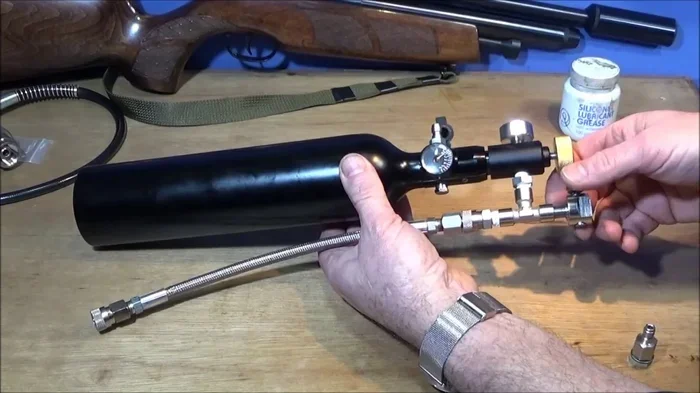
Every PCP rifle has a fill port on the side or bottom. This port accepts a filling hose or adapter. Most rifles use a standard quick disconnect fitting. You attach the hose, open the valve, and let air flow in. A pressure gauge on the rifle or the compressor tells you when you have reached the right level. Never exceed the maximum PSI printed on the rifle.
Can You Fill a PCP Rifle with an Air Compressor?
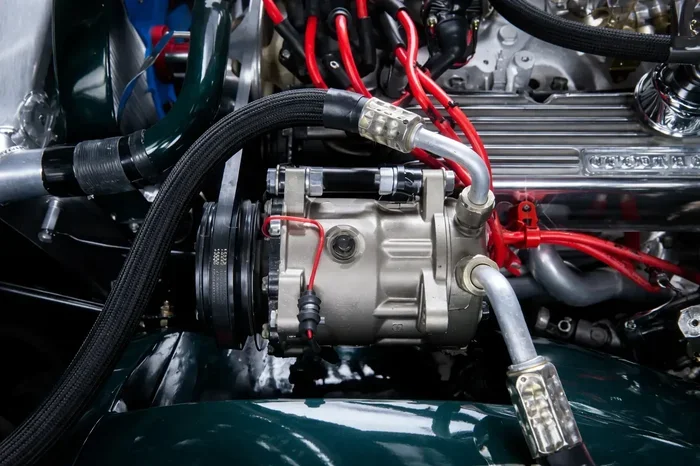
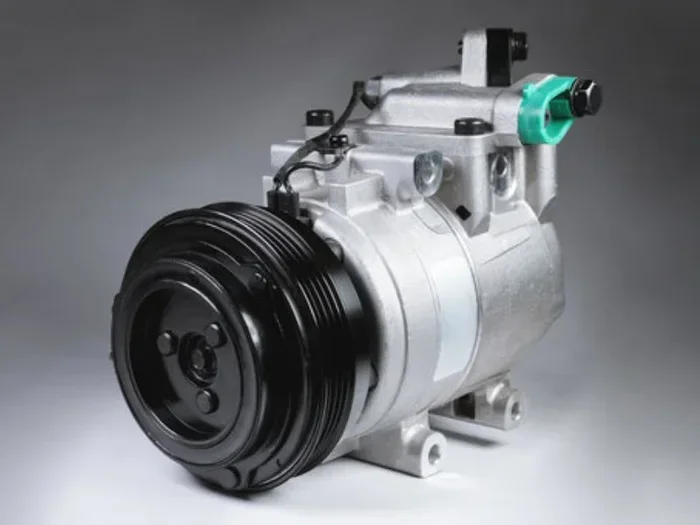
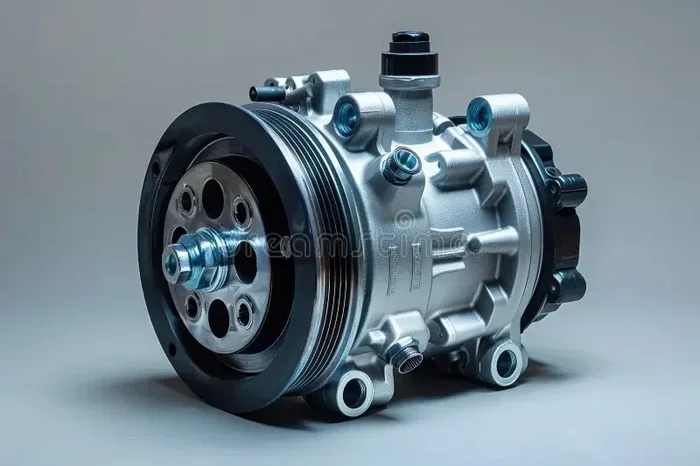
Can you fill a PCP rifle with an air compressor safely and effectively? Absolutely. An air compressor is the most convenient way to fill your rifle at home. You do not need special tanks or hand pumps. Just a standard compressor with a tank and a matching fill adapter. Many shooters use a portable compressor for backyard practice or a larger stationary unit for frequent use.
Types of Compressors You Can Use
Not all compressors work well for PCP rifles. You need a unit that can reach the right pressure and deliver air smoothly. Here are the best options:
- Oil-free compressors: These are the safest for air guns. They do not add oil vapor to the air, which could contaminate the rifle’s reservoir.
- Compressors with a tank: A tank stores extra air and reduces wear on the motor. It also gives you a steady flow, which fills the rifle faster.
- Portable units: Small, wheeled compressors work great for home use. They are easy to move and store.
- High-pressure models: Some compressors reach 3,000 PSI or more. These are ideal for PCP rifles that need high fills.
If you plan to use a generator to power your compressor in a remote area, you must know how to start a generator properly. A stable power source keeps your compressor running smoothly and protects your rifle’s filling system.
Step-by-Step Filling Process
Follow these steps every time you fill your PCP rifle. The process takes only a few minutes once you know it.
- Check the rifle’s max PSI: Look for the number on the barrel or reservoir. Write it down.
- Inspect the fill port: Clean any dirt or debris. A clear port ensures a tight seal.
- Attach the fill hose: Connect the hose to the compressor outlet and push the quick disconnect onto the rifle’s fill port.
- Turn on the compressor: Let it build pressure. Watch the gauge on the compressor and the rifle.
- Fill slowly: Open the valve halfway at first. Let air flow in steadily. This prevents pressure spikes.
- Monitor the pressure: When the rifle gauge reaches the max PSI, close the valve immediately.
- Disconnect safely: Wait a few seconds for the hose to equalize. Then pull the quick disconnect straight off.
- Check for leaks: Listen for hissing. If you hear air, reconnect and tighten the fitting.
Using a propane-powered generator to run your compressor can be handy outdoors. Before you do, check how much propane a generator uses so you do not run out mid-fill. A sudden power loss can cause pressure fluctuations that stress the rifle’s seals.
Safety First: Avoiding Overfilling and Equipment Damage
Safety must come first when you work with high-pressure air. A PCP rifle is not a toy. The reservoir holds compressed air at forces that can cause serious injury if mishandled. Following simple rules keeps you and your equipment safe.
Understanding PSI Limits
Every PCP rifle has a rated maximum pressure. This number is non-negotiable. Overfilling can blow the burst disc or damage the safety valve. The burst disc is a weak point designed to rupture before the tank explodes. If it pops, you lose all your air and may need a costly repair. Always fill to 90 percent of the max PSI to leave a safety margin.
Checking Your Hose and Fittings
A loose hose can cause an air leak or a sudden disconnect under pressure. Before each fill, inspect the filling hose for cracks or worn spots. Make sure the quick disconnect clicks firmly into the rifle’s fill port. Use thread tape on metal fittings to prevent air loss. If your compressor has a moisture trap, check it regularly. Water in the air line can rust the rifle’s internal parts and freeze the valve in cold weather.
Some shooters use a generator to power their compressor during camping trips. Understanding how a generator works helps you choose a model with clean, stable power. Dirty power from a bad generator can damage the compressor motor and affect your fill quality.
Quick Tips for Safe Filling
- Always fill in a well-ventilated area.
- Wear safety glasses when connecting high-pressure lines.
- Never fill a rifle that is hot from shooting. Let it cool first.
- Keep the compressor in a dry, level spot.
- Store the filling hose coiled and away from heat sources.
Common Mistakes When Filling a PCP Rifle
Even experienced shooters make errors. Knowing the common mistakes helps you avoid them. Here are the top ones we see again and again.
Using the Wrong Adapter
Not all fill fittings are the same. Some rifles use a proprietary fill adapter that only works with specific hoses. If you force a wrong adapter onto the fill port, you can strip the threads or create a leak. Always check your rifle’s manual and buy the matching quick disconnect set. A small adapter kit solves this problem and costs very little.
Forgetting to Drain Moisture
Compressors produce condensation. This water sits in the tank and flows into the hose. If it enters your PCP rifle, it can cause corrosion inside the reservoir. It can also freeze the valve when temperatures drop. Drain your compressor tank after every few uses. Many models have a bottom valve for this purpose. A moisture trap on the fill line adds extra protection.
Ignoring the Pressure Gauge
Some people fill by feel and guess the PSI. This is risky. Without a pressure gauge, you can easily overfill. Always use a compressor with a built-in gauge and double-check the rifle’s gauge. If your compressor gauge is broken, replace it before your next fill.
Filling Too Fast
A fast fill creates heat and pressure spikes. The air warms up as it compresses, and sudden surges can damage the rifle’s seals. Fill in short bursts and let the pressure stabilize. This gentle approach extends the life of your air compressor and your rifle.
Choosing the Right Air Compressor for PCP Rifles
The right air compressor makes filling easy and safe. You do not need an expensive industrial unit, but you do need one that meets your rifle’s demands. Here is what to look for.
Portable vs. Stationary Compressors
Portable compressors are lightweight and run on household electricity. They are perfect for filling one rifle at a time. Stationary models have larger tanks and higher CFM (cubic feet per minute) output. They fill rifles faster and can handle multiple fills without stopping. If you own several PCP rifles, a stationary unit saves time.
| Feature | Portable Compressor | Stationary Compressor |
|---|---|---|
| Tank Size | 1–6 gallons | 6–60+ gallons |
| Max PSI | 150–300 PSI | 150–3,000 PSI |
| Noise Level | 60–75 dB | 50–70 dB |
| Portability | Easy to move | Wheeled, heavy |
| Best For | Home use, single rifle | Frequent use, multiple rifles |
Key Features to Consider
- Oil-free motor: Prevents oil contamination in the air line.
- Tank capacity: A larger tank reduces motor cycling and gives smoother fills.
- CFM rating: Match the CFM to your rifle’s fill rate. Most PCP rifles need 1–4 CFM.
- Pressure gauge: A clear, accurate gauge is essential for safe filling.
- Quick disconnect fitting: Makes connecting and disconnecting fast and secure.
- Moisture trap: Keeps water out of the rifle’s reservoir.
If you use a generator to run your compressor away from outlets, remember to check how much propane a generator uses for extended runs. A generator that runs dry mid-fill can cause pressure drops and uneven fills. Keep a spare propane tank handy for long sessions.
Expert Maintenance Tips for Longevity
Your PCP rifle and air compressor both benefit from regular care. A little maintenance goes a long way toward preventing problems. Here is what the experts recommend.
Regular Cleaning Schedule
Wipe down the fill port after every use. Dirt and debris can clog the fill valve and cause leaks. Once a month, clean the filling hose with a damp cloth and let it dry completely. For the compressor, drain the tank moisture after each session. Check the intake filter for dust and clean it weekly. A clean compressor runs cooler and lasts longer.
Storage Best Practices
Store your air compressor in a dry, cool place. Avoid garages with extreme temperature swings. For the PCP rifle, keep it in a padded case. Store it at a low pressure (around 500 PSI) if you will not use it for weeks. This relieves stress on the seals and the safety valve. Always point the muzzle in a safe direction during storage.
Winter Filling Tips
Cold weather affects air density. In winter, your compressor may fill the rifle slightly faster because the air is denser. However, moisture can freeze in the hose. Use a moisture trap and keep the hose insulated if you fill outdoors. Let the rifle warm up to room temperature before shooting. This ensures consistent performance and prevents ice from blocking the valve.
Final Thoughts on Filling Your PCP Rifle
So, can you fill a PCP rifle with an air compressor? Yes, and it is one of the best upgrades you can make for your shooting setup. A compressor gives you fast, reliable fills without the hassle of hand pumps or scuba tanks. Just remember to respect the pressure limits, use the right fittings, and maintain your gear. With the tips in this guide, you will fill your PCP rifle safely every single time.
Take a few minutes to check your equipment before each fill. Inspect the hose, clean the port, and watch the gauges. These small habits protect your investment and keep you shooting accurately. Whether you are a target shooter or a hunter, a well-filled PCP rifle delivers the power and consistency you need. Now you have the knowledge to do it right. Happy shooting!
Frequently Asked Questions
What PSI should I fill my PCP rifle to?
Always fill to the maximum PSI listed on your rifle. Most rifles are rated between 2,000 and 3,000 PSI. Never exceed this number, and aim for 90 percent of the max for a safety buffer. Check your pressure gauge on both the compressor and the rifle during filling.
Can I use a regular home air compressor to fill a PCP rifle?
Yes, if the compressor can reach the required PSI and has a suitable quick disconnect fitting. Most home compressors max out around 150 PSI, which is not enough for PCP rifles. You need a high-pressure compressor or a tank-style unit that can deliver 3,000 PSI.
Do I need a moisture trap when filling a PCP rifle?
A moisture trap is highly recommended. It catches water and oil vapor before they enter the rifle’s reservoir. This prevents internal rust and valve freezing. Even an oil-free compressor can produce some condensation, so a trap adds an extra layer of protection.
How long does it take to fill a PCP rifle with a compressor?
Filling time depends on the compressor’s CFM rating and the rifle’s reservoir size. A small portable compressor may take 5–10 minutes, while a larger tank unit can fill the same rifle in 2–3 minutes. Always fill slowly and monitor the pressure gauge to avoid overfilling.
Is it safe to fill a PCP rifle indoors?
Filling indoors is safe if you have good ventilation and a stable surface. Keep the compressor on a flat floor and ensure the hose does not create a tripping hazard. Never fill a hot rifle. Let it cool down after shooting before you connect the filling hose.
What happens if I overfill my PCP rifle?
Overfilling can cause the burst disc to rupture or the safety valve to release excess pressure. In rare cases, it can damage the reservoir seals or warp the tank. Always fill to the rated PSI and never go beyond the maximum pressure marked on the rifle.