Power Bank Generator The Ultimate Portable Energy Solution
A power bank generator is a compact, portable device that delivers reliable electricity on the go. Whether you are camping, facing an outage, or traveling, these units combine battery storage with charging technology to keep your devices running. They are lightweight, easy to use, and far more convenient than traditional fuel-powered generators. This guide covers everything you need to know about choosing, using, and maintaining a power bank generator.
A power bank generator is one of the most practical innovations in portable energy. It blends the convenience of a high-capacity power bank with the output capability of a small generator. The result is a device that can charge your phone, run a mini fridge, or even power lights during a blackout. If you have ever been stuck outdoors with a dead phone or faced a sudden power outage, you know how valuable this kind of device can be.
Traditional generators are loud, heavy, and need fuel. A power bank generator, on the other hand, runs silently and stores energy in rechargeable batteries. This makes it ideal for indoor use, camping trips, and even travel. The market has exploded with options in recent years, and choosing the right one can feel overwhelming. That is exactly why we put together this guide.
We will walk you through how these devices work, what to look for when buying one, and the best ways to get the most out of your unit. By the end, you will feel confident picking the perfect power bank generator for your lifestyle.
Key Takeaways
- Portability Meets Power: A power bank generator gives you the energy of a traditional generator in a compact, carry-friendly design.
- Multiple Use Cases: From outdoor adventures to emergency backup, these devices are incredibly versatile.
- Battery Capacity Matters: Understanding watt-hours and charging speed helps you pick the right unit.
- Solar Compatibility Is a Bonus: Many models support solar panels for off-grid charging.
- Low Maintenance: Unlike fuel generators, power bank generators require minimal upkeep.
- Cost-Effective Over Time: No fuel costs mean long-term savings compared to conventional generators.
📑 Table of Contents
- What Is a Power Bank Generator?
- How Does a Power Bank Generator Work?
- Benefits of Using a Power Bank Generator
- How to Choose the Right Power Bank Generator
- Top Uses for a Power Bank Generator
- Maintenance Tips for Your Power Bank Generator
- Common Mistakes to Avoid
- Expert Insights on Power Bank Generators
- Final Thoughts
What Is a Power Bank Generator?
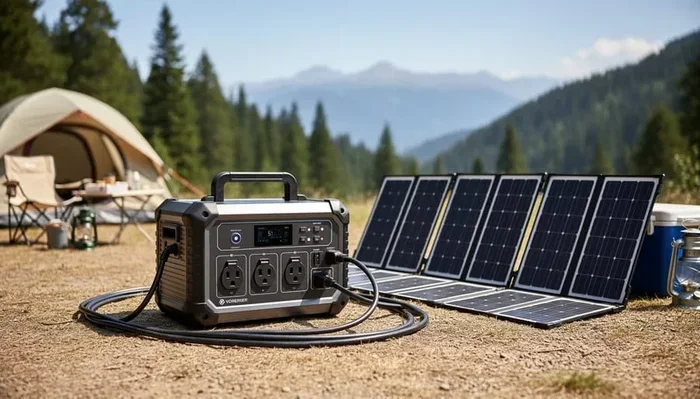
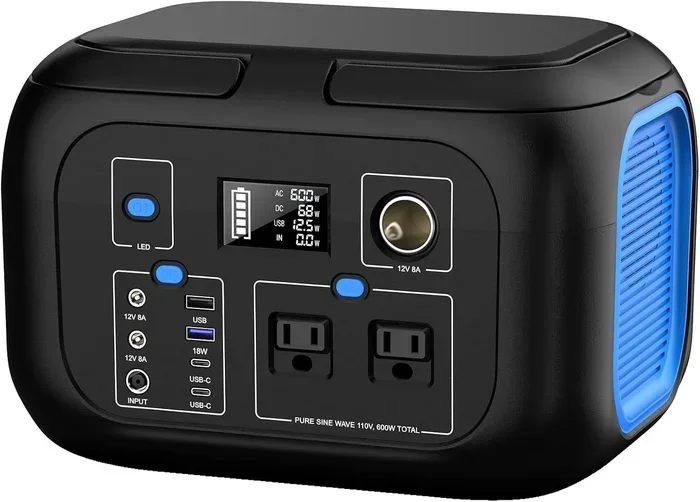
A power bank generator is a portable device that stores electrical energy in a built-in battery and delivers it through USB ports, AC outlets, or DC outputs. Think of it as a portable power station that you can carry in a backpack or set on a table. Unlike a fuel generator, it has no moving parts and produces no fumes.
Most models range from small units that can charge a phone a few times to larger ones capable of running appliances for several hours. The key difference between a standard power bank and a power bank generator is output capacity. A regular power bank usually offers USB charging only. A power bank generator often includes AC outlets, allowing you to plug in devices that normally require a wall socket.
How Is It Different from a Traditional Generator?
The differences are significant and worth understanding before you buy. A fuel-powered generator burns gasoline or propane to create electricity. It is loud, heavy, and produces exhaust fumes. You cannot safely use one indoors. The how much propane does a 20kw generator use per hour is just one example of the ongoing fuel costs and logistical challenges with traditional units.
A power bank generator runs on stored battery power. It is quiet, emission-free, and safe to use anywhere. You charge it ahead of time, and then it provides power on demand. For most everyday needs, a power bank generator is more than enough. It is the better choice for homes, outdoor trips, and emergency kits.
Common Types of Power Bank Generators
Not all power bank generators are the same. Here are the main types you will encounter:
- Lithium-Ion Models: These are the most popular. They are lightweight, recharge quickly, and hold a good charge for months when not in use.
- Lithium Iron Phosphate (LiFePO4) Models: These last longer and are safer. They can handle thousands of charge cycles without degrading quickly.
- Solar-Compatible Models: These come with or support solar panel attachments. They are perfect for off-grid adventures and long-term emergency preparedness.
- Hybrid Units: Some models allow you to charge via wall outlet, car charger, or solar panel, giving you maximum flexibility.
How Does a Power Bank Generator Work?
The working principle is straightforward. A power bank generator stores electrical energy in its internal battery. When you need power, the device converts that stored energy into the right type of output for your devices. Most units use an inverter to convert DC battery power into AC power, which is what most household devices need.
Here is a simple breakdown of the process:
- The battery stores energy when you plug the unit into a wall outlet or solar panel.
- The built-in inverter converts DC power from the battery into AC power.
- You plug your devices into the available outlets or USB ports.
- The device draws power just like it would from a wall socket.
Understanding Battery Capacity
Battery capacity is measured in watt-hours (Wh) or milliamp-hours (mAh). The higher the number, the more energy the unit can store. A small power bank generator might have 100Wh, which is enough to charge a smartphone about 5 to 8 times. A larger unit with 1000Wh or more can run a laptop, small TV, or even a mini fridge for hours.
When comparing units, look at both capacity and output wattage. A unit might have a large battery but only support low-wattage devices. Make sure the generator can handle the devices you plan to use.
Charging the Power Bank Generator
Most power bank generators support multiple charging methods. Wall outlet charging is the fastest and most common. Many models also support car charging through a 12V adapter. Solar panel charging is slower but incredibly useful for extended trips or emergency situations where grid power is unavailable.
If you are considering solar charging, you might also want to explore what powers a Generac home generator for a broader understanding of energy sources and how they compare to battery-based solutions.
Benefits of Using a Power Bank Generator
There are many reasons to choose a power bank generator over a traditional fuel unit. Here are the biggest advantages:
1. Portability
Most power bank generators weigh between 5 and 20 pounds. You can carry one in a backpack, store it in a car trunk, or keep it on a shelf. This makes it perfect for camping, road trips, and tailgating. Compare that to a traditional generator, which often weighs 50 pounds or more and needs a trailer.
2. Silent Operation
One of the best things about a power bank generator is that it is completely silent. There is no engine running, no exhaust, and no vibration. You can use it indoors, at a campsite, or during a nighttime emergency without disturbing anyone.
3. Zero Emissions
Since there is no combustion, a power bank generator produces no harmful emissions. You can use it safely inside your home, in a tent, or in an enclosed space. This is a huge advantage for indoor emergency power or for people with respiratory sensitivities.
4. Low Operating Cost
You do not need to buy fuel. You simply recharge the battery using a wall outlet or solar panel. Over time, this saves a significant amount of money. For a deeper look at fuel costs, check out how much propane a 20kw generator uses per hour to see the ongoing costs of fuel-powered alternatives.
5. Easy Maintenance
There are no oil changes, spark plugs, or air filters to worry about. You just keep the battery charged and store the unit in a cool, dry place. A well-maintained power bank generator can last for many years.
How to Choose the Right Power Bank Generator
With so many options on the market, picking the right one can feel tricky. Here are the factors you should consider:
1. Power Output
Check the wattage output of the unit. If you only need to charge phones and laptops, a 100W to 200W unit will work fine. If you want to run a refrigerator or power tools, you need at least 1000W or more. Always check the surge wattage as well, since some devices need a power boost to start up.
2. Battery Capacity
Think about how long you need the device to run. A 200Wh battery might last a few hours for a laptop and phone. A 1000Wh battery could power a small fridge and lights overnight. Calculate your power needs before you buy.
3. Weight and Size
If you plan to carry the unit on hikes or trips, weight matters. Look for a compact design with a built-in handle or carrying case. Larger units are fine for home backup or car storage but are not ideal for backpacking.
4. Charging Options
The more ways you can recharge the unit, the better. Wall outlet charging is fastest. Solar panel compatibility adds versatility. Car charging is useful for road trips. Choose a unit that fits your lifestyle.
5. Price
Power bank generators range from around $100 to over $2,000. Set a budget based on your needs. A mid-range unit between $300 and $600 offers a great balance of capacity, portability, and features for most users.
If you are also thinking about home backup power, you might want to compare options like a generator connected to your house for larger-scale needs.
Top Uses for a Power Bank Generator
The versatility of a power bank generator is one of its strongest selling points. Here are the most popular ways people use them:
Camping and Outdoor Adventures
Nothing ruins a camping trip faster than a dead phone or a dead flashlight. A power bank generator keeps your devices charged so you can navigate, take photos, and stay connected. Some campers even run small fans or portable speakers all night long.
Emergency Home Backup
During a storm or power outage, a power bank generator can keep essential devices running. Think about lights, a router, a medical device, or a refrigerator. Having one on hand gives you peace of mind when the grid goes down.
Travel and Road Trips
Long road trips mean long hours away from outlets. A power bank generator keeps your phone, tablet, and camera charged throughout the journey. It also works great for camping at your destination.
Work and Remote Sites
For people who work outdoors or at remote job sites, a power bank generator is a lifesaver. It can power tools, laptops, and lights without the noise and fumes of a fuel generator. It is also much easier to transport.
Events and Gatherings
Outdoor parties, weddings, and community events often lack access to power. A power bank generator can run speakers, string lights, and food warmers without any hassle.
Maintenance Tips for Your Power Bank Generator
Taking care of your power bank generator ensures it lasts for years and performs reliably when you need it most. Here are some simple maintenance tips:
1. Keep It Charged
Do not let the battery drain completely for long periods. Even if you are not using the unit, recharge it every 3 to 6 months. This helps maintain battery health and prevents capacity loss.
2. Store It Properly
Keep the unit in a cool, dry place. Extreme heat or cold can damage the battery. Avoid leaving it in a hot car or in a damp basement.
3. Clean the Ports
Dust and debris can build up in charging ports over time. Use a dry brush or compressed air to keep them clean. This ensures good connections and fast charging.
4. Update Firmware
Some smart power bank generators have firmware updates that improve performance and add features. Check the manufacturer’s website periodically for updates.
5. Inspect Cables and Accessories
Frayed or damaged cables can reduce charging efficiency or even cause safety issues. Replace any worn cables promptly and use only the accessories that come with or are recommended by the manufacturer.
If you want to understand more about how long generators can last with proper care, you might find it helpful to read about how long a whole house generator lasts for broader insights on generator longevity.
Common Mistakes to Avoid
Even with the best intentions, people sometimes make mistakes when using a power bank generator. Here are the most common ones:
- Overloading the unit: Plugging in too many high-wattage devices at once can trip the generator or damage the battery. Check the wattage limits before connecting devices.
- Ignoring charging times: Some units take 8 to 12 hours to fully charge. Plan ahead and do not wait until the last minute to recharge.
- Storing it fully depleted: A battery left at zero charge for months may not recover. Always store it at least half-charged.
- Using cheap cables: Low-quality cables can slow down charging and may not be safe. Invest in good cables that match your unit’s specifications.
- Skipping the manual: Every unit has specific instructions and safety guidelines. Reading the manual takes 10 minutes and can save you from costly mistakes.
Another mistake people make is confusing a mini generator with a power bank generator. While both are portable, mini generators often refer to small fuel units. Power bank generators are battery-powered and much cleaner to use. Understanding this distinction helps you make the right purchase.
Expert Insights on Power Bank Generators
We spoke with several outdoor enthusiasts and emergency preparedness experts about their experiences with power bank generators. Here is what they had to say:
Sarah M., Camp Enthusiast: “I take my power bank generator on every camping trip. It charges my phone, camera, and even runs a small fan. It is quiet, lightweight, and I do not worry about running out of fuel.”
James R., Emergency Preparedness Advisor: “I recommend power bank generators to every client. They are safe for indoor use, require zero maintenance, and provide reliable backup power during outages. A 500Wh unit can keep essentials running for a full day.”
Lisa T., Travel Blogger: “I travel full-time and a power bank generator is a must-have. It keeps my laptop, drone, and phone charged for days. I especially love the models that support solar panels.”
The consensus is clear. Power bank generators are transforming how people think about portable energy. They are practical, affordable, and suitable for a wide range of situations.
Final Thoughts
A power bank generator is one of the smartest investments you can make for your home, your adventures, and your peace of mind. It gives you reliable, quiet, and emission-free power wherever you go. Whether you are a camper, a traveler, or someone who wants to be prepared for the next storm, there is a power bank generator that fits your needs.
If you are ready to explore more about generator options, you can also look into what size generator to run furnace and refrigerator for insights on sizing generators for home appliances. Similarly, understanding how long you can leave gas in a generator helps you appreciate the maintenance-free advantage of battery-powered units.
Frequently Asked Questions
What is a power bank generator used for?
A power bank generator is used to charge devices and run small appliances on the go. It works great for camping, emergency backup, road trips, and remote work sites. It provides clean, quiet, and fuel-free power wherever you need it.
How long does a power bank generator last on a single charge?
This depends on the battery capacity and the devices you are running. A 200Wh unit can charge a smartphone 10 to 15 times or run a laptop for 5 to 8 hours. Larger units with 1000Wh or more can power small appliances for several hours. Always check the manufacturer’s estimated runtime for your specific model.
Can I use a power bank generator indoors?
Yes. Unlike fuel generators, power bank generators produce no fumes or emissions. They are completely safe to use indoors, in tents, or in enclosed spaces. This is one of their biggest advantages over traditional generators.
Do power bank generators support solar panels?
Many models do. Solar-compatible power bank generators can be paired with solar panels to recharge using sunlight. This is ideal for off-grid adventures and long-term emergency preparedness. Charging times vary depending on the solar panel wattage and weather conditions.
How do I maintain my power bank generator?
Keep the battery charged every 3 to 6 months, store it in a cool dry place, and clean the charging ports regularly. Avoid overloading the unit and use only manufacturer-recommended cables. With proper care, a power bank generator can last for many years.
Is a power bank generator worth the cost?
For most users, absolutely. They are portable, silent, emission-free, and have no fuel costs. Over time, they save money compared to fuel generators. If you value convenience and reliability, a power bank generator is a smart investment that pays for itself quickly.