How to Choose the Right Generator Plug for Your House
Choosing the right generator plug for your house is essential for safe and reliable backup power. This guide walks you through every plug type, amp rating, and connection option so you can make a confident decision. Whether you own a portable or standby unit, you will find the setup that fits your home.
A generator plug for house use might seem like a small detail, but it makes a huge difference in how safely and effectively your home stays powered during an outage. The plug is the bridge between your generator and your home’s electrical system. Get it wrong, and you risk damage to your appliances, your electrical panel, or even your safety.
Many homeowners buy a generator and then realize they do not have the right plug or connection setup. That is a costly and frustrating mistake. This guide will help you understand every type of plug, amp rating, and connection method so you can choose with confidence. Let us walk through everything you need to know.
Key Takeaways
- Match your plug type to your generator and home electrical panel: NEMA L14-30 and NEMA 14-50 are the most common choices for whole-house backup.
- Always use a transfer switch: It prevents backfeed and keeps your home and utility workers safe during a power outage.
- Consider amperage and wattage carefully: A 30-amp plug handles lighter loads, while a 50-amp plug supports most essential household circuits.
- Hire a licensed electrician for installation: Proper wiring and code compliance reduce fire risks and ensure long-term reliability.
- Regular maintenance keeps your plug and connection secure: Inspect cords, outlets, and inlet boxes at least once a year.
- Your fuel type affects plug and connection choices: Propane, natural gas, and gasoline generators each have specific setup requirements.
📑 Table of Contents
- Understanding Generator Plug Types for House Connection
- How to Size Your Generator Plug for Your Home
- The Role of the Transfer Switch
- Installing a Generator Plug for House Use
- Common Generator Plug Mistakes to Avoid
- Tips for Maintaining Your Generator Plug and Connection
- How to Choose the Right Generator Plug for Your House
- Final Thoughts
Understanding Generator Plug Types for House Connection
Not all generator plugs are the same. Different generators use different plug configurations, and each one serves a specific purpose. Knowing which plug your generator uses is the first step toward a safe and effective setup.
NEMA L14-30 Plug
The NEMA L14-30 is one of the most popular plugs for home backup generators. It is a 240-volt, 30-amp plug with four prongs. This plug works well for portable generators that need to power essential circuits in your home. You will often find it on mid-size generators rated between 6,000 and 8,000 watts.
This plug type is also common in RV and construction settings, which means replacement cords and adapters are easy to find. If you are looking at a smaller whole-house setup or want to power key appliances like your furnace and refrigerator, the L14-30 is a solid choice.
NEMA 14-50 Plug
The NEMA 14-50 is a 240-volt, 50-amp plug with four prongs. It handles more power than the L14-30 and is ideal for larger generators. This plug is commonly used for electric stoves and dryers, but it also works great for heavy-duty home backup power.
If your generator outputs 10,000 watts or more, the NEMA 14-50 plug will give you the amperage headroom you need. It is also the same plug type used for many electric vehicle chargers, so it is widely available and easy to install.
NEMA L5-30 and NEMA L5-20 Plugs
These are 120-volt, single-phase plugs commonly found on smaller portable generators. The NEMA L5-30 is rated for 30 amps, while the NEMA L5-20 handles 20 amps. These plugs are not ideal for powering your entire house, but they work well for charging devices, running a few lights, or powering a single appliance during an outage.
If you only need to keep a few essentials running, these smaller plugs can do the job. Just be aware of the wattage limits. Running too many devices on a 120-volt circuit can trip the breaker and leave you in the dark when you need power the most.
Round Twist-Lock Plugs
Some older or industrial generators use round twist-lock plugs. These plugs lock into place and provide a secure connection. They come in various amp ratings, typically 30, 50, or 100 amps. While less common in modern home setups, they are still found on many standby generators and larger portable units.
If your generator uses a twist-lock plug, make sure you get the correct adapter or inlet box for your home. Using the wrong adapter can cause overheating and create a fire hazard.
How to Size Your Generator Plug for Your Home
Sizing your plug correctly depends on what you want to power during an outage and how much electricity your home uses. A plug that is too small will overload, and one that is too large wastes money. Here is how to figure out what you need.
Calculate Your Essential Load
Start by listing the appliances and systems you want to keep running. A typical essential list might include:
- Refrigerator (600-800 watts)
- Freezer (500-700 watts)
- Furnace blower (300-500 watts)
- Well pump (1,000-2,000 watts)
- Lights (200-500 watts total)
- Sump pump (800-1,200 watts)
Add up the wattage for all the items you want to run at the same time. Then add a 20% buffer for startup surges. This gives you your total required wattage. From there, you can determine whether you need a 30-amp or 50-amp plug.
30-Amp vs. 50-Amp Plugs
A 30-amp plug gives you about 7,200 watts of continuous power. That is enough for most essential circuits in a moderate-sized home. A 50-amp plug provides 12,000 watts, which can handle a larger load and give you more comfort during an outage.
If you want to run central air conditioning along with your other essentials, a 50-amp setup is strongly recommended. Central AC units draw a lot of power, and a 30-amp plug may not be able to handle the load.
| Plug Type | Voltage | Amps | Max Watts | Best For |
|---|---|---|---|---|
| NEMA L14-30 | 240V | 30A | 7,200W | Essential circuits, small homes |
| NEMA 14-50 | 240V | 50A | 12,000W | Full essential circuits, AC |
| NEMA L5-30 | 120V | 30A | 3,600W | Basic devices, single appliances |
| NEMA L5-20 | 120V | 20A | 2,400W | Charging, lights, small loads |
The Role of the Transfer Switch
A transfer switch is a critical component of any generator plug setup for your house. It sits between your generator and your home’s electrical panel and safely routes power to your circuits.
What Does a Transfer Switch Do?
The transfer switch automatically or manually switches your home’s power source from the utility grid to your generator. It prevents backfeed, which is when electricity flows backward into the utility lines. Backfeed is extremely dangerous for utility workers and can damage your generator and home wiring.
There are two main types of transfer switches: manual and automatic. A manual transfer switch requires you to start the generator and flip the switch by hand. An automatic transfer switch detects a power outage and switches to generator power within seconds, even if you are not home.
Do You Need a Transfer Switch?
Yes. In almost every case, you need a transfer switch for a safe generator plug setup. Most local building codes require one. It also protects your electronics from power surges and ensures your generator runs efficiently.
If you are connecting a portable generator to your house, you can use a manual transfer switch or a generator interlock kit. A generator interlock kit is a more affordable option that prevents your main breaker and generator breaker from being on at the same time.
Installing a Generator Plug for House Use
Proper installation is the most important part of setting up your generator plug. A poorly installed plug or connection can cause fires, electrocution, or damage to your electrical system. Here is what you need to know.
Power Inlet Box
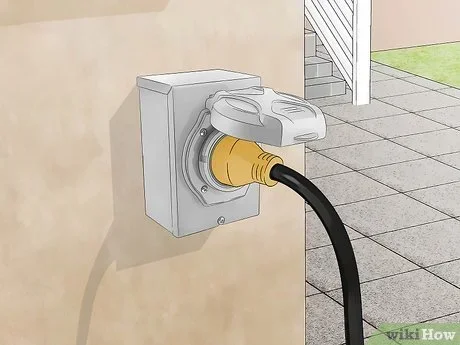
A power inlet box is a weatherproof box mounted on the outside of your home. It connects to your electrical panel through a dedicated circuit and provides a safe, accessible place to plug in your generator cord.
Most power inlet boxes are rated for either 30 or 50 amps. Choose one that matches your generator plug type and amperage. The inlet box should be installed at a height that keeps it above ground level and away from areas prone to flooding.
Hiring a Licensed Electrician
We strongly recommend hiring a licensed electrician for the installation. Electrical work involves serious risks, and local codes vary by jurisdiction. A professional will ensure your setup is safe, code-compliant, and ready for years of reliable use.
The cost of professional installation typically ranges from $300 to $1,000, depending on your location and the complexity of the job. While this is an added expense, it is a small price to pay for safety and peace of mind.
Step-by-Step Installation Overview
Here is a general overview of what a professional installation involves:
- The electrician mounts the power inlet box on the exterior wall.
- A dedicated circuit is run from the inlet box to your electrical panel.
- A transfer switch or interlock kit is installed in the panel.
- The generator plug connects to the inlet box during use.
- The system is tested to confirm safe operation.
Each step is designed to keep your home and family safe while providing reliable backup power when you need it most.
Common Generator Plug Mistakes to Avoid
Even experienced homeowners can make mistakes when setting up their generator plug. Here are the most common errors and how to avoid them.
Using the Wrong Plug Type
One of the most frequent mistakes is buying a generator without checking the plug type against your home’s electrical setup. If your generator has a NEMA L14-30 plug but your inlet box is wired for NEMA 14-50, you will need an adapter or a complete rewiring. Always double-check compatibility before you make any purchase.
Overloading the Circuit
Plugging in too many devices at once can overload your generator plug and trip the breaker. Worse, it can cause overheating and start a fire. Stick to your essential load list and never exceed the amperage rating of your plug or cord.
Skipping the Transfer Switch
Some homeowners skip the transfer switch to save money or for convenience. This is a dangerous shortcut. Without a transfer switch, you risk backfeed, electrocution, and fire. Always use the proper switching device for your setup.
Ignoring Cord Condition
Generator cords take a beating, especially if they are stored outside. Frayed cords, cracked insulation, and corroded prongs are all safety hazards. Inspect your cord before every use and replace it immediately if you see any damage.
Not Considering Fuel and Runtime
The type of fuel your generator uses affects how long it can run and how much maintenance it needs. Propane and natural gas generators burn cleaner and require less refueling than gasoline models. If you are planning for extended outages, consider a dual-fuel or propane-ready unit. You can learn more about propane usage for generators in our guide on how much propane a 20kw generator uses per hour.
Tips for Maintaining Your Generator Plug and Connection
Once your generator plug setup is installed, regular maintenance keeps it working safely and reliably. A little upkeep goes a long way toward preventing problems during an emergency.
- Inspect your plug and cord monthly: Look for fraying, cracks, or discoloration. Replace any damaged parts right away.
- Clean the inlet box regularly: Dirt, leaves, and debris can build up inside the box and cause corrosion. Wipe it down and keep it clear.
- Test your setup before storm season: Run your generator with the plug connected at least once every few months. This ensures everything works when you need it most.
- Store cords properly: Coil your generator cord loosely and store it in a dry, protected area. Tight coils can damage the internal wiring over time.
- Replace worn prongs: Loose or bent prongs create poor connections that can overheat. Replace the plug end if you notice any wear.
Taking a few minutes each month to check your setup can save you from a major headache when the power goes out. A well-maintained generator plug connection is a reliable connection.
How to Choose the Right Generator Plug for Your House
By now, you understand the main plug types, sizing considerations, and installation requirements. Here is a quick decision guide to help you choose the right generator plug for house setup.
If you have a small to medium home and want to power essential circuits, a NEMA L14-30 plug with a 30-amp transfer switch is a practical and affordable choice. If you have a larger home or want to run your air conditioner and more circuits, go with a NEMA 14-50 plug and a 50-amp setup.
For smaller portable generators, NEMA L5-30 or L5-20 plugs work for basic needs. Always pair your plug with a compatible power inlet box and transfer switch. And when in doubt, consult a licensed electrician who can assess your home’s specific needs.
The right plug setup gives you confidence during any power outage. You will know that your essential circuits are protected and that your family stays safe and comfortable.
Remember that the generator plug is just one part of the equation. You also need to consider the size of your generator, your fuel source, and how you plan to run it. For tips on sizing your generator to your home, check out our guide on what size generator will run a whole house. And for more on safely connecting your unit, visit our article on how to run a generator to your house.
Final Thoughts
Choosing the right generator plug for house use is all about matching the plug type, amperage, and connection method to your home’s electrical system and your backup power needs. It does not have to be complicated. With the right information and a little planning, you can set up a safe, reliable connection that keeps your essential circuits running during any outage.
Start by identifying your plug type and amperage needs. Install a transfer switch or interlock kit. Have a licensed electrician handle the wiring. And maintain your setup regularly. Follow these steps, and you will be ready for whatever comes your way.
A well-chosen generator plug is the foundation of a dependable home backup power system. Take the time to get it right, and you will enjoy the peace of mind that comes with knowing your home is prepared.
Frequently Asked Questions
What is the most common generator plug for house connections?
The NEMA L14-30 and NEMA 14-50 are the two most common plug types for home generator connections. The L14-30 is a 30-amp, 240-volt plug ideal for smaller setups, while the NEMA 14-50 is a 50-amp plug that handles larger loads and whole-house backup needs.
Can I plug my generator directly into my house outlet?
No. Plugging a generator directly into a wall outlet is dangerous and often illegal. It creates a backfeed hazard that can electrocute utility workers and damage your electrical system. Always use a transfer switch or interlock kit with a properly installed power inlet box.
Do I need a special plug for a whole-house generator?
Whole-house standby generators typically use a NEMA 14-50 or a round twist-lock connection, depending on the model and amperage. The exact plug type depends on the generator’s output and your home’s electrical panel capacity. A licensed electrician can help you choose the right one.
How much does it cost to install a generator plug for house use?
Professional installation typically costs between $300 and $1,000. This includes the power inlet box, transfer switch, wiring, and labor. The exact cost depends on your location, the complexity of the installation, and local building code requirements.
What size generator plug do I need for a 2000 square foot house?
For a 2000 square foot house, a 30-amp plug (NEMA L14-30) is usually sufficient for essential circuits. If you want to run additional loads like central air conditioning, a 50-amp plug (NEMA 14-50) is a better choice. You can find more details in our guide on generator costs for a 2000 square foot house.
How often should I inspect my generator plug and connection?
Inspect your generator plug, cord, and inlet box at least once a month and before any expected storm or outage. Look for physical damage, corrosion, or loose connections. Regular inspections help prevent failures when you need backup power the most.
=== CONCLUSION ===
Choosing the right generator plug for house setup is one of the most important decisions you will make for your home backup power system. The plug type, amperage rating, transfer switch, and installation method all work together to keep your home safe and powered during an outage. By understanding your options and following the guidelines in this article, you can make a confident, informed choice.
Take the time to match your plug to your generator and your home’s electrical needs. Invest in proper installation and regular maintenance. And never skip the transfer switch. Your future self will thank you when the power goes out and your home stays bright and comfortable.