Here Is Why an Electric Start Generator Is Worth It
An electric start generator eliminates the hassle of pull cords and makes powering up your tools, home, or campsite effortless. With features like battery-powered starter, reliable power source, and easy ignition, these units offer convenience that traditional models simply can’t match. This guide covers everything you need to decide if an electric start generator is right for you.
Key Takeaways
- Effortless Starting: An electric start generator uses a battery-powered button instead of a pull cord, making startup fast and simple every single time.
- Better for Cold Weather: Cold weather starting becomes far easier with electric start technology, especially when traditional recoil cords get stiff and hard to pull.
- Quieter Operation: Many electric start models are designed with lower noise levels, making them ideal for residential areas and campsites.
- Slightly Higher Cost: You will pay more upfront compared to recoil start models, but the convenience and long-term benefits often justify the price difference.
- Regular Maintenance Matters: Keeping the battery charged and the unit clean ensures your electric start generator delivers consistent performance for years.
- Great for Multiple Scenarios: From home backup power to outdoor recreation, an electric start generator adapts to many different use cases with ease.
📑 Table of Contents
What Is an Electric Start Generator?
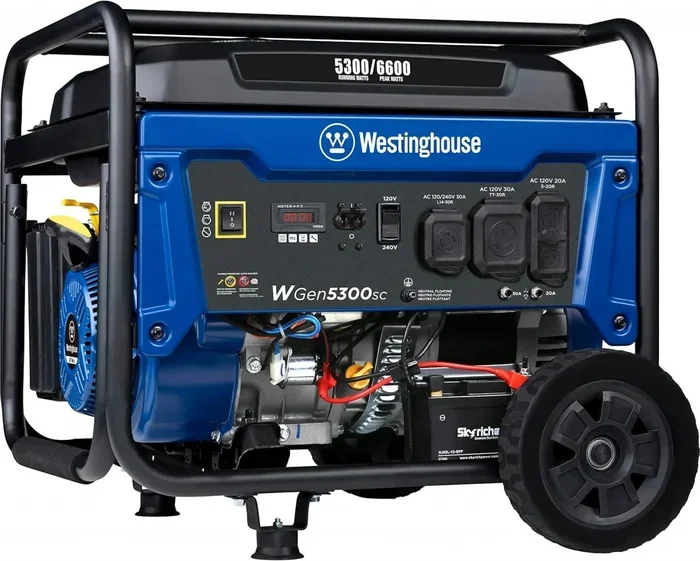
An electric start generator is a portable or standby power unit that starts with the push of a button. Instead of yanking a pull cord like traditional models, you simply press a switch or turn a key. The battery-powered starter ignites the engine quickly and smoothly.
Think about how annoying it can be to yank a pull cord on a cold morning. Your hands are numb. The cord feels stuck. You pull again and again. An electric start generator removes all of that frustration. One button, and your reliable power source is running.
These generators come in many sizes. You can find small portable generators for camping trips. You can also find large standby models built to keep your entire house running during a blackout. No matter your needs, there is likely an electric start option that fits perfectly.
How Does the Electric Start Work?
The system relies on a small battery, similar to what is in your car. When you press the start button, the battery sends power to the starter motor. This motor cranks the engine until it fires up. Once running, the generator powers on its own. Most models also include a manual recoil start as a backup. So even if the battery dies, you still have a way to get things going.
Key Benefits of Choosing an Electric Start Generator
So what makes an electric start generator worth the investment? Let us break down the biggest benefits.
1. Easy and Fast Startup
This is the biggest selling point. No more struggling with a pull cord. No more sore arms. You press a button and your generator starts within seconds. This is especially helpful for older users or anyone with limited strength in their hands and arms. The easy ignition makes generator use accessible to everyone.
2. Cold Weather Starting Made Simple
Cold weather starting is one of the biggest challenges with traditional generators. The oil thickens. The pull cord gets stiff. Sometimes the engine just will not catch. An electric start generator handles cold conditions much better. The battery-powered starter delivers consistent cranking power regardless of the temperature. If you live in a region with harsh winters, this alone can be a game-changer.
3. Less Physical Strain
Pulling a cord repeatedly can strain your wrists, arms, and back. This matters a lot for people with arthritis, injuries, or just general discomfort. The battery-powered starter removes all of that physical stress. Press a button, and you are done.
4. More Reliable in Emergency Situations
During a power outage, stress levels are already high. You do not want to fight your generator to get it running. An electric start unit fires up quickly and predictably. That instant emergency power supply can make a huge difference when the lights go out. You get peace of mind knowing you can count on your generator when it matters most.
5. Quieter and More Efficient Models
Many modern electric start generators are built with noise level reduction in mind. They use advanced mufflers and sound-dampening materials. Some inverter models run so quietly you can hold a conversation next to them. Combine that with improved fuel efficiency and you get a machine that saves you money while keeping your neighborhood happy.
Electric Start vs. Recoil Start: Which Is Better?
Choosing between an electric start and a recoil start can feel tricky. Both have their place. Let us compare them side by side so you can make an informed choice.
Understanding the Recoil Start
A recoil start is the traditional method. You grab the cord, pull it sharply, and hope the engine catches. It is simple, reliable, and usually cheaper. Many people still prefer the tactile feel of a pull start. It also means fewer electrical parts that could fail over time. However, it can be tough on the body, especially in cold weather or during emergencies.
Why Electric Start Wins for Convenience
The electric start generator clearly wins when convenience is the priority. Here is a quick comparison:
- Startup Speed: Electric start is faster. One button versus multiple pull attempts.
- Physical Effort: Electric start requires almost zero effort. Recoil start demands arm strength.
- Cold Weather: Electric start handles cold much better. Recoil cords get stiff and hard to pull.
- Price: Recoil start models usually cost less upfront. Electric start models are a bit more expensive.
- Backup Option: Most electric start models still include a recoil start backup. You get the best of both worlds.
Cost Comparison at a Glance
While electric start models may cost more initially, the long-term value is strong. Think about fewer repairs, less physical wear on the machine, and better runtime during emergencies. For many users, that extra investment pays for itself quickly.
You should also consider fuel costs. Some electric start models feature smart throttle technology that adjusts engine speed based on load. This improves fuel consumption and extends the time between refueling. That is a big plus if you plan on running your generator for hours or even days at a time.
What About Fuel Type and Consumption?
Most electric start generators run on regular gasoline. Some can also use propane or a dual-fuel mix. If you are curious about fuel usage, you might want to check out how much propane does a 20kw generator use per hour for a deeper understanding of fuel efficiency across different models and sizes.
Best Use Cases for an Electric Start Generator
An electric start generator fits into many different lifestyles and scenarios. Here are some of the most popular use cases.
Home Backup Power
Power outages happen. Storms, downed lines, and equipment failures can knock out electricity for hours or even days. Having an electric start generator at home means you can restore power in seconds. Just press a button, and your essential appliances stay running. Want to know more about how long these units last? Read about how long does a whole house generator last to plan your investment wisely.
Camping and Outdoor Adventures
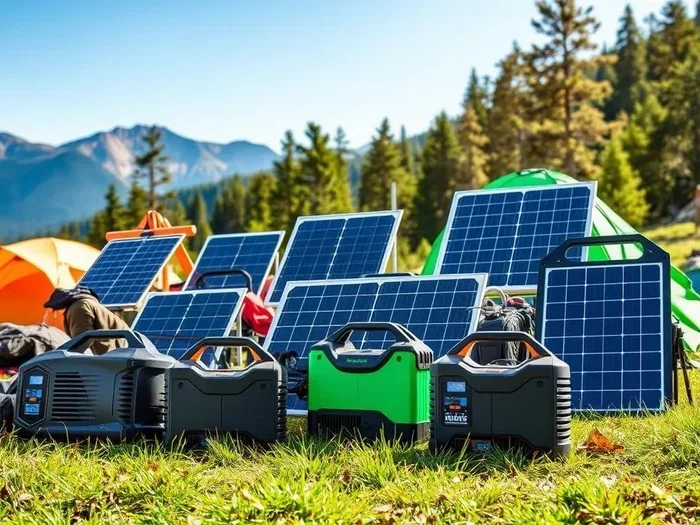
Campers love the convenience of a quiet, easy-start generator. You can power up lights, fans, phones, and small appliances without waking everyone up with a loud engine. The portable generator designs often weigh less and feature built-in handles for easy transport. The lower noise level keeps your campsite peaceful.
Construction Sites and Work Zones
Workers need power on demand. Tools like drills, saws, and compressors all require electricity. An electric start generator gets things running fast so work does not get delayed. It also reduces the physical strain on workers who may already be tired after a long day. For specific power needs on site, you can explore what size generator to run furnace and refrigerator to match your equipment requirements.
Recreational Vehicles and Boating
RV owners and boaters appreciate the compact size and easy startup of an electric start generator. These units fit neatly into tight spaces. They also provide a reliable power source for electronics, lighting, and climate control while on the road or on the water.
Small Business and Retail Use
Small shops, food trucks, and outdoor markets sometimes need backup electricity. An electric start generator keeps operations smooth. Quick startup means less downtime and more productivity. The power output on many modern units is strong enough to handle cash registers, freezers, and small HVAC systems.
Emergency and Disaster Preparedness
Preparedness is a big reason people invest in generators. An electric start generator fits perfectly into any emergency kit. You store it, charge the battery, and know it will start when you need it. No scrambling, no pulling cords in the dark. Just reliable, instant power when disaster strikes.
How to Maintain Your Electric Start Generator
Like any machine, your electric start generator needs regular care. Good maintenance keeps it running strong and extends its lifespan. Here is what you need to do.
Keep the Battery Charged
The battery is the heart of the electric start system. If it dies, you lose your quick start option. Most manufacturers recommend charging the battery at least once a month, even if you do not use the generator. A trickle charger works great for this. It keeps the battery healthy without overcharging it. Learn more about long-term care by reading how long does a whole house generator last to understand how maintenance affects longevity.
Change the Oil Regularly
Fresh oil keeps the engine running smoothly. Most generators need an oil change after the first 20 to 25 hours of use. After that, change it every 100 hours or at least once per season. Dirty oil causes friction and heat. That leads to premature wear and even engine failure.
Replace the Air Filter
A clean air filter ensures your engine gets the oxygen it needs. Clogged filters reduce fuel efficiency and can cause rough idling. Check the air filter every few uses. Replace it when it looks dirty or damaged.
Use Fresh Fuel
Old gasoline can gum up the carburetor and cause starting problems. Try to use fuel within three to six months of purchase. If you store fuel for long periods, add a fuel stabilizer to keep it fresh. This small step saves big headaches later.
Inspect the Spark Plug
The spark plug ignites the fuel in the engine. A worn or fouled spark plug makes starting harder. Check it regularly and replace it when needed. It is a small part, but it plays a huge role in your generator performance.
Run the Generator Periodically
Even if you do not need power, run your generator for about 15 minutes every month. This keeps the engine lubricated and the systems active. Sitting idle for too long can cause parts to seize or deteriorate. Think of it like exercising a muscle. Use it or lose it.
Store It Properly
When not in use, store your generator in a cool, dry place. Moisture causes rust. Heat damages internal components. Keep it covered and off the ground if possible. Proper storage is one of the simplest ways to protect your investment.
Final Verdict: Is an Electric Start Generator Worth It?
So, is an electric start generator worth the money? The answer depends on your needs. But for most people, the answer is a strong yes.
The convenience alone makes it a standout. No more pull cord struggles. No more sore muscles. Just press a button and your reliable power source is ready to go. Add in better cold weather starting, quieter operation, and improved fuel efficiency, and the value grows even more.
Sure, you will pay a bit more upfront. But the long-term benefits are real. Less physical strain. Fewer maintenance headaches. Faster startup during emergencies. For anyone who values reliability and ease, an electric start generator is a smart choice.
Whether you need home backup power, a camping companion, or a work site workhorse, this technology delivers. Do yourself a favor. Skip the pull cord. Embrace the button. You will wonder why you did not make the switch sooner.
Before you buy, take some time to compare models. Look at power output, runtime, noise level, and warranty. Read reviews. Ask questions. The right electric start generator is out there waiting for you. Make the switch today and feel the difference for yourself.
Frequently Asked Questions
What is an electric start generator?
An electric start generator is a power unit that starts with the push of a button instead of pulling a cord. It uses a small battery to crank the engine quickly and smoothly. Most models also include a manual recoil start as a backup option.
Can I use an electric start generator in cold weather?
Yes, electric start generators handle cold weather much better than recoil start models. The battery-powered starter delivers consistent cranking power even when temperatures drop. The oil does not freeze up as fast, and you avoid the stiff pull cord problem entirely.
How much more does an electric start generator cost?
Electric start models typically cost 15 to 30 percent more than comparable recoil start generators. The price difference reflects the added starter motor, battery, and wiring. However, the convenience, reliability, and ease of use often make that extra cost well worth it.
Do I need to replace the battery in an electric start generator?
The battery usually lasts several years with proper care. You should charge it monthly even when not in use. Most generators use standard sealed lead-acid batteries that are easy to replace. You can find replacements online or at most hardware stores without much trouble.
Are electric start generators louder than recoil start models?
Not necessarily. Many electric start generators are actually quieter because they are often newer models with improved sound dampening. The electric start mechanism itself is very quiet. The overall noise level depends more on the engine size and muffler design than the starting method.
What size electric start generator do I need for home backup power?
For basic home backup, a 5,000 to 7,500 watt unit handles essentials like lights, refrigerator, and a furnace. For whole-house coverage, you may need a 10,000 watt or larger standby model. Check your most critical appliances and add up their wattage to find the right power output for your situation.
=== CONCLUSION ===
Conclusion
An electric start generator is more than just a convenience. It is a reliable, efficient, and user-friendly way to get power when you need it most. From effortless startup to better cold weather performance, the benefits clearly outweigh the small extra cost. Whether you are preparing for storms, heading out on a camping trip, or powering a work site, this type of generator delivers where it counts. Keep up with regular maintenance, keep that battery charged, and you will always have a reliable power source ready to go. Make the smart choice and invest in an electric start generator today.